5 Real-Life Zero Waste Plastic Free Living Habits I Follow Daily
Living with less plastic didn’t begin as a grand environmental mission for me. It began with a clogged kitchen drawer. Every time I opened it, plastic bags spilled out like an avalanche. Grocery bags, takeaway bags, bread bags, mystery bags. That drawer was the first quiet signal that my daily habits were creating a mountain I never intended to build.
Zero-waste living often gets portrayed as an extreme lifestyle reserved for perfectionists with glass jars and minimalist homes. In reality, my journey looks far messier and far more human. It includes mistakes, compromises, and small daily decisions that quietly add up.
This article shares the five real-life habits that slowly reshaped my routine into something more mindful, more economical, and surprisingly more peaceful.
A quick snapshot of the shift
Before diving into the habits, here is a small overview of how daily plastic use changed in my home over one year.
| Area | Before | After | Change |
|---|---|---|---|
| Grocery bags per month | 30–40 | 0–2 | ~95% reduction |
| Plastic water bottles per month | 20+ | 0 | 100% reduction |
| Takeaway packaging per month | 10–15 | 2–3 | ~80% reduction |
| Cleaning product bottles per year | 15+ | 3 | ~80% reduction |
| Food waste per week | High | Low | ~50% reduction |
The goal was never perfection. The goal was steady improvement.
Habit 1: I redesigned my shopping routine before entering a store
Most plastic enters homes before we even realize it. It arrives wrapped around groceries, snacks, toiletries, and impulse purchases.
My first habit happens before leaving the house.
The “door checklist”
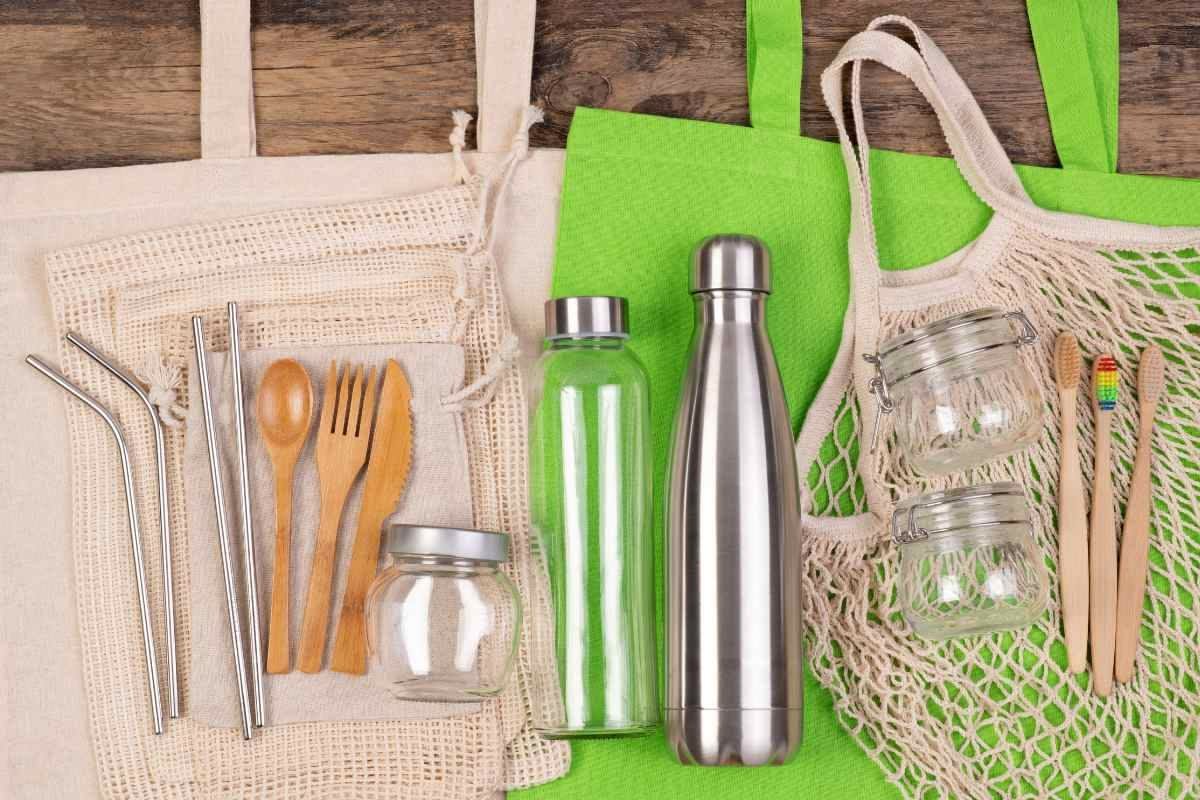
Near my front door, I keep a small basket containing:
• Cloth shopping bags
• Mesh produce bags
• A stainless steel water bottle
• A small foldable tote
• A compact food container
This basket eliminates the mental friction that causes most waste. When these items are not ready to grab, convenience wins. Plastic follows.
A normal grocery trip now looks different.
Old routine
Walk into store → pick items → accept plastic → go home
New routine
Plan meals → check pantry → bring containers → buy intentionally
This shift reduced impulse buying dramatically. Planning meals forces you to see food as ingredients instead of spontaneous cravings.
Example weekly grocery planning sheet
| Category | Planned meals | Items needed | Packaging avoided |
|---|---|---|---|
| Vegetables | Stir fry, curry, salad | Carrots, spinach, onions | Plastic produce bags |
| Grains | Rice bowl, soup | Rice, lentils | Plastic rice bags |
| Snacks | Homemade popcorn | Corn kernels | Chip bags |
| Dairy | Yogurt, milk | Refill station | Plastic tubs |
Unexpected benefit: grocery bills dropped. Planning eliminated duplicates and impulse snacks.
Habit 2: I stopped buying bottled water and built a hydration system
This habit alone removed hundreds of plastic bottles from my life.
The turning point came during a heatwave. I noticed a week’s worth of empty bottles filling the trash. It felt absurd to throw away something that existed for minutes but would outlive generations.
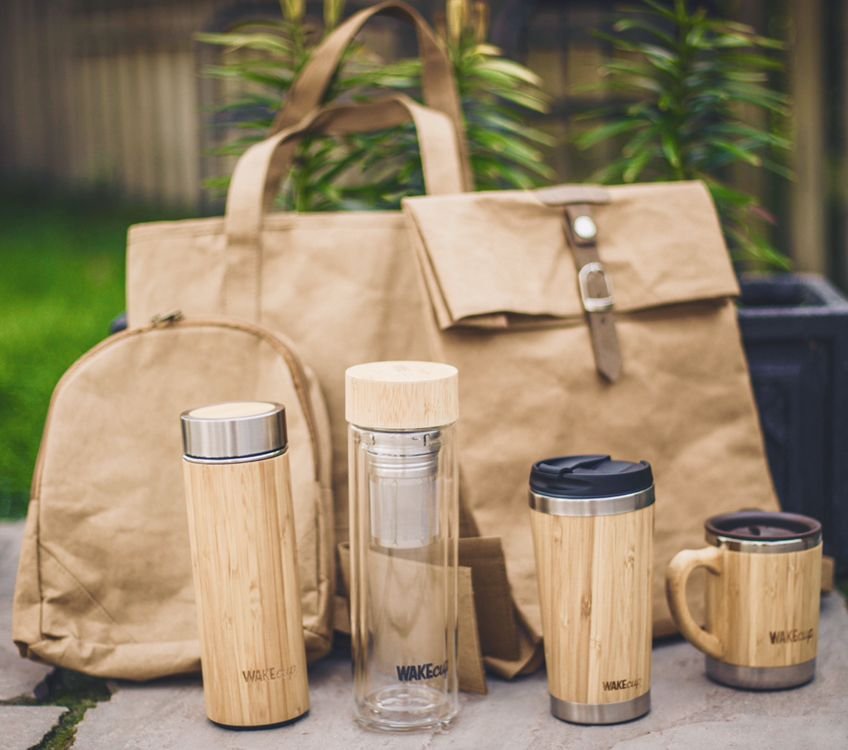
My home hydration setup
| Area | Solution | Why it works |
|---|---|---|
| Kitchen | Water filter jug | Cheap and simple |
| Bedroom | Glass bottle | Encourages night hydration |
| Bag | Stainless steel bottle | Portable and durable |
| Work desk | Refillable mug | Replaces disposable cups |
I also created a “fill before leaving” rule. No one leaves the house without a full bottle.
Hidden lifestyle improvements
• Fewer emergency store stops
• Better hydration habits
• No clutter of empty bottles
• Long-term cost savings
Monthly cost comparison
| Item | Monthly cost before | Monthly cost after |
|---|---|---|
| Bottled water | High | Zero |
| Filter replacement | None | Low |
| Net result | Expensive | Much cheaper |
The habit feels small, but it reshaped daily awareness about single-use convenience.
Habit 3: My kitchen became the center of zero waste living
The kitchen produces more waste than any other room. Packaging, leftovers, cleaning supplies, food scraps—everything converges here.
So I started where the impact was largest.
The leftover revolution
Food waste used to hide in containers at the back of the fridge. Now I use a “visible leftovers” rule.
All leftovers go in clear glass containers and sit at eye level.
This simple visual cue changed eating behavior overnight. When food is visible, it gets eaten.
Weekly leftover transformation ideas
| Leftover | New meal |
|---|---|
| Roasted vegetables | Wrap filling |
| Rice | Fried rice or soup |
| Bread | Croutons or breadcrumbs |
| Fruit | Smoothies |
| Chicken | Sandwich filling |
The compost corner
I keep a small compost bin in the kitchen. It contains fruit peels, coffee grounds, and vegetable scraps.
Unexpected emotional shift: throwing food into compost feels completely different than throwing it into trash. It creates awareness and gratitude for food.
Reusable kitchen swap list
| Disposable item | Replacement |
|---|---|
| Plastic wrap | Beeswax wraps |
| Paper towels | Cloth rags |
| Plastic sponges | Natural scrubbers |
| Plastic zip bags | Glass containers |
| Dish soap bottles | Refill station soap |
These swaps didn’t happen overnight. One item changed every month. Slow transitions stick better than sudden lifestyle overhauls.
Habit 4: I simplified my bathroom and personal care routine
Bathrooms quietly generate a surprising amount of plastic. Shampoo bottles, toothpaste tubes, razors, skincare packaging—it adds up fast.
Instead of replacing everything at once, I used the “finish then replace” rule. No wasteful purging. Only mindful replacement.
Bathroom swap journey
| Product | Old version | New version |
|---|---|---|
| Shampoo | Plastic bottle | Shampoo bar |
| Soap | Liquid soap bottle | Bar soap |
| Razor | Disposable | Safety razor |
| Cotton pads | Single-use | Reusable pads |
| Toothpaste | Tube | Toothpaste tablets |
The simplicity effect
Reducing product variety brought unexpected clarity. My bathroom counter used to feel crowded with half-used items. Now it feels calm and intentional.
Morning routines became faster because decision fatigue disappeared. Fewer products meant fewer choices.
Financial comparison over a year
| Category | Before | After |
|---|---|---|
| Hair care | High | Moderate |
| Skincare | High | Low |
| Disposable items | Constant cost | Near zero |
| Total yearly spend | High | Significantly lower |
Minimalism and sustainability often overlap naturally.
Habit 5: I changed how I handle takeaway and eating outside
Takeaway food used to be my biggest plastic weakness. Busy days meant convenience meals wrapped in layers of packaging.
Instead of eliminating takeaway completely, I redesigned how I approach it.
The takeaway kit
My bag always carries:
• A small food container
• Reusable cutlery
• A cloth napkin
• A foldable cup
At first, asking restaurants to use my container felt awkward. Then I realized something surprising: most places happily agree.
Scripts that made it easier
“Could you put this in my container?”
“I brought my own cup.”
Simple and polite requests often work.
Monthly takeaway tracking
| Month | Takeaway meals | Plastic packaging used |
|---|---|---|
| Before change | 15 | Very high |
| 3 months later | 10 | Moderate |
| 1 year later | 6 | Low |
The goal became mindful enjoyment instead of guilt-driven restriction.
The emotional side of zero waste living
The biggest transformation wasn’t environmental—it was psychological.
Before: consumption felt automatic
After: consumption feels intentional
Small daily rituals created a sense of agency and responsibility. Instead of feeling overwhelmed by global environmental problems, I focused on what I could control: my daily choices.
Unexpected emotional benefits
• Reduced clutter
• Increased appreciation for possessions
• Better financial awareness
• Stronger sense of routine
• Less guilt around consumption
Zero waste living quietly becomes mindful living.
Challenges and imperfect days
Perfection is impossible.
I still forget my bags sometimes. I still accept plastic occasionally. I still make convenience choices when life gets busy.
The difference now is awareness. Mistakes are temporary, not permanent habits.
Common obstacles and how I handle them
| Challenge | Solution |
|---|---|
| Forgetting reusable bags | Keep extras in car and backpack |
| Unexpected purchases | Carry foldable tote |
| Busy weeks | Accept imperfection |
| Travel | Pack small reusable kit |
| Social events | Focus on best possible choice |
Progress matters more than perfection.
The ripple effect of daily habits
Small personal habits influence others quietly.
Friends started asking about shampoo bars. Family members began carrying reusable bottles. Conversations shifted naturally.
Change spreads through visibility, not pressure.
How these habits changed my home environment
Before the shift, trash day felt routine. Bags piled up weekly.
Now, trash day sometimes feels optional.
Waste output comparison
| Time period | Trash bags per week |
|---|---|
| Before | 3–4 |
| After | 1 small bag every 1–2 weeks |
Seeing the physical reduction in waste is incredibly motivating.
A realistic timeline for starting this lifestyle
Month 1: reusable bags + water bottle
Month 2: kitchen swaps
Month 3: grocery planning system
Month 4: bathroom swaps
Month 5: takeaway kit
Month 6+: refine and maintain
Slow change is sustainable change.
The cost myth
One of the biggest misconceptions is that zero waste living is expensive.
Initial purchases may cost more, but long-term expenses decrease significantly because reusable items replace constant repurchasing.
Long-term savings overview
| Category | Spending before | Spending after |
|---|---|---|
| Groceries | High | Lower |
| Cleaning supplies | Constant | Reduced |
| Personal care | Constant | Reduced |
| Disposable products | Frequent | Rare |
Living with less waste often means spending less money.
What surprised me most
I expected this lifestyle to feel restrictive. Instead, it feels freeing.
Fewer purchases
Fewer decisions
Fewer items to manage
The simplicity is addictive.
Frequently Asked Questions
Is zero waste living realistic for busy people?
Yes. The key is building systems that reduce decision-making. Once routines are set, they actually save time instead of adding effort.
Do I need to throw away all plastic to start?
No. The best approach is to use what you already have and replace items gradually as they wear out.
Is it expensive to start a plastic-free lifestyle?
It can feel expensive initially, but long-term savings usually outweigh the startup cost because reusable items replace frequent purchases.
What if stores in my area don’t support zero waste options?
Focus on the changes you can control: reusable bags, water bottles, meal planning, and reducing takeaway packaging. Small steps still make a big difference.
How do I stay motivated long term?
Track your progress visually. Seeing less trash and spending less money creates powerful motivation.
Is it okay to be imperfect?
Absolutely. Zero waste is a direction, not a destination. Every small improvement matters.
Closing thoughts
These five habits didn’t change my life overnight. They changed my days, one small decision at a time. And eventually, daily decisions reshaped my lifestyle.
Zero waste living is not about living without waste. It’s about living with awareness, intention, and care for the resources we use every day.