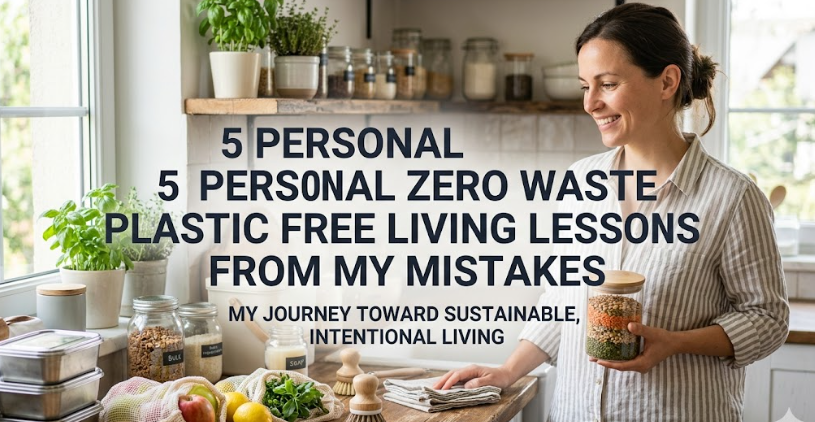
5 personal zero waste plastic free living lessons from my mistakes
I did not begin this journey as a minimalist saint with glass jars and perfect habits. I began as someone who forgot reusable bags, bought plastic-wrapped cucumbers, and once ordered bamboo cutlery… wrapped in three layers of bubble wrap. This article is not a polished guide written from a pedestal. It is a collection of lessons carved out of awkward grocery trips, failed DIY experiments, wasted money, and a lot of humble pie.
To make this useful beyond storytelling, you will find checklists, small exercises, reflection prompts, mini action plans, and honest mistakes that might save you months (or years) of trial and error.
lesson one: perfectionism creates more waste than imperfection
The mistake
When I first learned about zero waste living, I fell into what I now call the “glass jar fantasy.” I believed that to begin, I needed to overhaul my entire life overnight. I made a long shopping list: stainless steel containers, beeswax wraps, metal straws, organic cotton produce bags, compost bins, fancy refillable bottles. My enthusiasm was real. My timing was not.
I threw away half-used plastic items because they didn’t fit the image I thought I needed to project. Plastic lunchboxes. Old shampoo bottles. Random containers. I replaced things that still worked with “eco” versions.
Ironically, my attempt to reduce waste produced a mountain of waste.
The lesson
The most sustainable item is the one you already own. Zero waste is not about replacing everything. It is about replacing nothing until it needs replacing.
reflection exercise
Think about three items you own that you feel guilty about because they are plastic. Now answer honestly:
• Do they still function?
• Would replacing them today create waste?
• Can they serve you for another year?
If the answer is yes, your job is simple: use them fully.
a practical shift
Instead of a shopping list, create a “use it up list.”
Example:
| item | replacement plan | estimated time |
|---|---|---|
| plastic shampoo bottle | switch when empty | 6 weeks |
| cling film roll | use until finished | 4 months |
| dish sponge | replace when worn out | 1 month |
This shift transformed my mindset from consumer to caretaker.
tiny habit challenge
For the next 30 days, buy no “eco replacements.” Only use what already exists in your home.
What happens next is surprising: creativity wakes up. Jars become storage. Old T-shirts become cleaning cloths. Mugs become planters. You stop chasing aesthetics and start building resilience.
lesson two: bulk shopping is not automatically low waste
The mistake
My first bulk store trip felt heroic. I packed jars, cotton bags, labels, and excitement. I bought lentils, oats, nuts, spices, rice, chickpeas, flour, seeds. Everything in bulk. Everything plastic-free.
Three months later, I threw away rancid nuts, bug-infested flour, and stale seeds.
I had reduced packaging but increased food waste dramatically.
The lesson
Waste is waste. Food waste counts. Bulk buying only works when it matches real consumption patterns.
inventory reality check worksheet
Step 1 — open your pantry.
Step 2 — list everything expired or unused.
Step 3 — circle items you bought because they felt “healthy” or “eco.”
My circled list once included:
• chia seeds
• flax seeds
• buckwheat
• millet
• cacao nibs
• goji berries
My actual eating habits? Rice, lentils, potatoes, onions, tomatoes, eggs, bread. Very different.
simple bulk buying rule
Buy bulk only for foods you finish every month.
beginner bulk list
Good first bulk items:
• rice
• lentils
• oats
• flour
• sugar
• salt
• pasta
• tea
Advanced bulk items (only if regularly used):
• nuts
• seeds
• specialty grains
• baking extras
mini action plan
Before every bulk trip, write:
- What did we finish last month?
- What did we throw away last month?
- What meals do we repeat weekly?
This prevents aspirational shopping.
lesson three: diy burnout is real
The mistake
I tried to DIY everything.
Toothpaste. Deodorant. Laundry detergent. Dish soap. Shampoo. Conditioner. Lip balm. Cleaning spray.
My kitchen turned into a lab. My evenings turned into experiments. My excitement slowly turned into exhaustion.
Then came the breaking point: a homemade deodorant that stained every white shirt I owned.
I almost quit zero waste living entirely.
The lesson
You do not need to DIY your way into sustainability. Choosing better options is just as valid as making them.
decision tree: diy or buy?
Ask three questions:
- Do I enjoy making this?
- Is it safe and effective?
- Will I realistically keep doing it?
If any answer is no → buy a low-waste alternative guilt-free.
balanced approach checklist
DIY wins:
• cleaning spray
• all-purpose wipes (old cloths + vinegar solution)
• vegetable broth from scraps
Buy low-waste instead:
• toothpaste tablets
• bar soap
• shampoo bars
• dish soap bars
energy audit exercise
Write down how many hours per week you can realistically dedicate to sustainability habits. Mine was 2 hours. Not 10. Not 20. Just 2.
When sustainability fits your life, it lasts.
lesson four: social pressure can quietly sabotage progress
The mistake
I thought my biggest obstacle would be plastic. It turned out to be people.
Family gatherings. Office lunches. Travel. Weddings. Gifts. Birthdays. Takeout. Festivals.
I either felt embarrassed bringing containers or guilty accepting disposable items. Sometimes I overcompensated and lectured others. That didn’t go well.
The lesson
Zero waste living works best when it is quiet, flexible, and kind.
communication scripts that changed everything
Instead of:
“I don’t use plastic.”
Try:
“I’m trying to reduce waste where I can.”
Instead of:
“This is bad for the planet.”
Try:
“I brought my container if that helps.”
Instead of refusing gifts:
“I love consumable gifts like food or candles.”
social survival kit
Keep these ready:
• reusable cutlery
• collapsible container
• cloth napkin
• reusable bag
These tiny tools remove awkwardness.
gift strategy list
Suggest:
• homemade food
• plants
• books
• experiences
• refillable items
relationship reminder
People remember how you make them feel more than what you refuse to use.
lesson five: progress feels invisible until you measure it
The mistake
For months, I felt like nothing had changed. My home still had trash. My life still involved plastic. I felt like a failure.
Then I compared my trash from before and after six months.
The difference shocked me.
measurement method: the trash jar experiment
Step 1 — Save one week of landfill trash.
Step 2 — Photograph it.
Step 3 — Repeat every 3 months.
My first jar: overflowing bag.
Six months later: one small grocery bag.
One year later: a jar.
Seeing progress builds motivation.
monthly reflection template
Month: ________
Wins:
•
•
•
Challenges:
•
•
•
One new habit to try next month:
•
tiny habit stacking ideas
Pair new habits with existing ones:
• Take reusable bags when grabbing keys
• Bring mug when leaving house
• Check pantry before shopping
• Pack snacks before travel
momentum grows quietly.
a week in real zero waste life (diary style)
monday
Forgot reusable bag. Bought fruit anyway. Carried it in my arms. Felt ridiculous. Did it anyway.
tuesday
Finished last plastic shampoo bottle. Small celebration dance.
wednesday
Office birthday cake served with plastic forks. Used my travel spoon. No one noticed.
thursday
Used leftover rice for fried rice. No food waste day.
friday
Takeout night. Asked for no cutlery. They still added cutlery. Saved it for travel kit.
saturday
Bulk store visit. Bought only rice and oats. No random seeds this time.
sunday
Compost bin smelled terrible. Fixed airflow. Learning never stops.
This is what progress actually looks like: messy, imperfect, human.
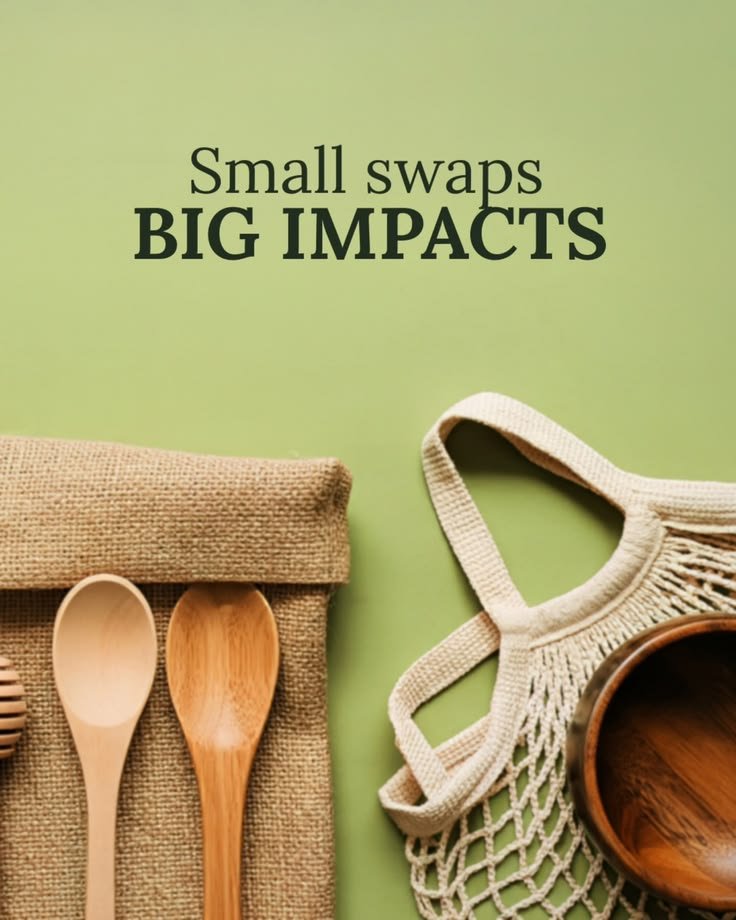
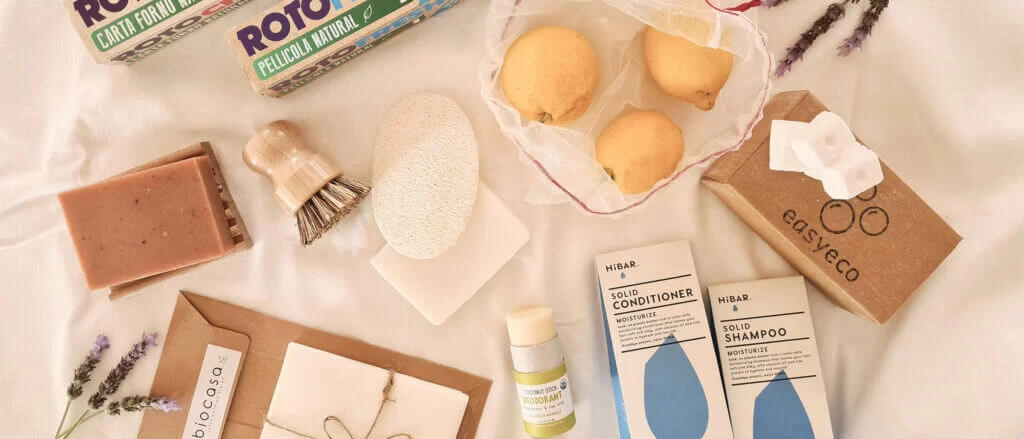
the low-effort swap map
kitchen
• dish soap → bar soap
• paper towels → cloth towels
• cling film → containers
• tea bags → loose tea
bathroom
• shower gel → bar soap
• liquid shampoo → shampoo bar
• disposable razors → safety razor
• cotton pads → washable pads
shopping
• plastic bags → tote bags
• bottled water → reusable bottle
• takeaway coffee cups → travel mug
These are slow swaps, not overnight transformations.
the emotional side of low waste living
No one talks enough about the emotional shifts.
You start noticing waste everywhere.
You feel responsible.
Sometimes overwhelmed.
Sometimes proud.
Sometimes tired.
It helps to remember: responsibility is shared. You are not carrying the planet alone.
self compassion checklist
When you mess up:
• Did you learn something?
• Will you do better next time?
• Did perfectionism sneak in again?
Then move on.
the biggest mindset shift of all
Zero waste is not a destination.
It is a direction.
You are not trying to become perfect.
You are trying to become conscious.
And conscious living spreads quietly.
faq section
- do i need to throw away all plastic to start zero waste living?
No. Using what you already own is the most sustainable first step. Replacing items prematurely creates unnecessary waste. Start by using things fully, then switch to low-waste alternatives when replacement becomes necessary. - is zero waste living expensive?
It can be if approached as a shopping trend. It becomes inexpensive when approached as a consumption reduction strategy. Buying less, wasting less food, and reusing items often saves money over time. - what is the easiest first step to begin?
Carry reusable shopping bags and a reusable water bottle. These two habits remove a significant amount of daily single-use plastic without requiring major lifestyle changes. - how do i stay motivated long term?
Track progress. Take photos of your weekly trash, reflect monthly, and celebrate small wins. Motivation grows when progress becomes visible. - is diy necessary for a zero waste lifestyle?
Not at all. DIY works for some people, but buying durable, refillable, or package-free products is equally valid. Sustainability must be sustainable for your energy and time. - what if my family or friends are not supportive?
Focus on your own habits and lead quietly by example. Offer convenient solutions rather than criticism. Positive curiosity spreads more effectively than pressure.
closing thoughts
If I could go back and tell my beginner self one thing, it would be this:
Start small.
Stay kind to yourself.
Use what you have.
Measure progress.
Expect mistakes.
Every lesson here was paid for with wasted money, wasted food, awkward moments, and failed experiments. If these stories shorten your learning curve even slightly, then the mistakes were worth making.