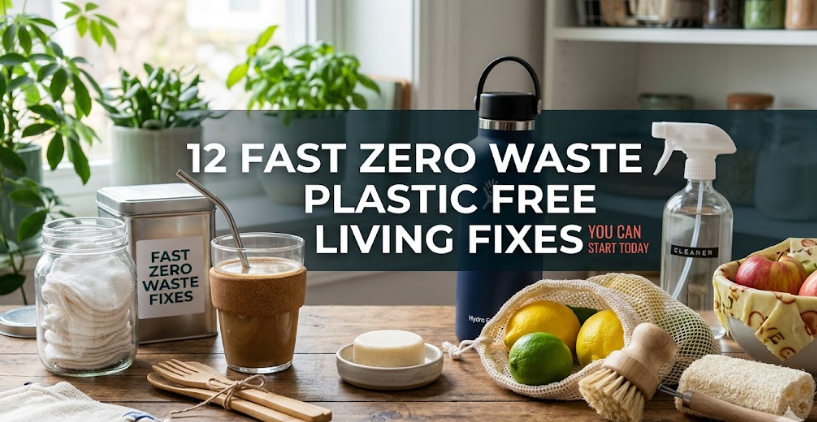
12 Fast Zero Waste Plastic Free Living Fixes You Can Start Today
There is a moment many people experience when they first begin thinking about waste. It often arrives quietly: a kitchen bin that fills too quickly, a drawer overflowing with packaging, a shopping trip that ends with more plastic than food. The realization rarely feels dramatic, but it lingers. You begin noticing plastic everywhere. And once you see it, you can’t unsee it.
The good news is that zero waste living does not require a dramatic lifestyle overhaul. You do not need to throw away everything you own and replace it with glass jars overnight. In fact, the most effective changes are usually the smallest and fastest ones — the quiet habits that accumulate until your daily life looks completely different.
This guide is built around that idea: small fixes that create immediate impact. These are changes you can begin today, without waiting for a perfect plan or a special shopping list. Each fix is practical, realistic, and rooted in daily routines.
Before we begin, remember one important principle: zero waste is not about perfection. It is about direction.
Let’s start with the fixes.
fix 1: carry the “daily trio”
If there is one change that creates instant impact, it is carrying three simple items whenever you leave home:
• Reusable shopping bag
• Reusable water bottle
• Reusable food container or lunch box
This trio replaces the three most common single-use plastics encountered outside the home.
The trick is making the trio part of your leaving-the-house ritual. Put the items near your keys or shoes. Attach a carabiner to your bag. Keep a spare set in your car if you drive.
A small habit stack:
Morning routine checklist
☐ Phone
☐ Wallet
☐ Keys
☐ Daily trio
Within a week, the habit becomes automatic.
Impact snapshot:
• One reusable bag can replace 300+ plastic bags yearly
• One water bottle can replace 167 disposable bottles yearly
• One food container can eliminate hundreds of takeaway boxes
The math is quietly powerful.
fix 2: switch to bar soap everywhere
Liquid soap is mostly water packaged in plastic. Bar soap is the simplest swap in the zero waste world, and it works everywhere:
• Bathroom sink
• Shower
• Kitchen sink
• Laundry (soap bars exist)
Start by replacing items only when they run out. This prevents waste and keeps the transition affordable.
Mini comparison table
| Product Type | Average Packaging Waste | Longevity |
|---|---|---|
| Liquid soap | 1 plastic bottle/month | 3–4 weeks |
| Bar soap | Paper or none | 6–8 weeks |
Unexpected benefit: bar soap often lasts longer because you use less per wash.
fix 3: stop buying bottled water (the easy system)
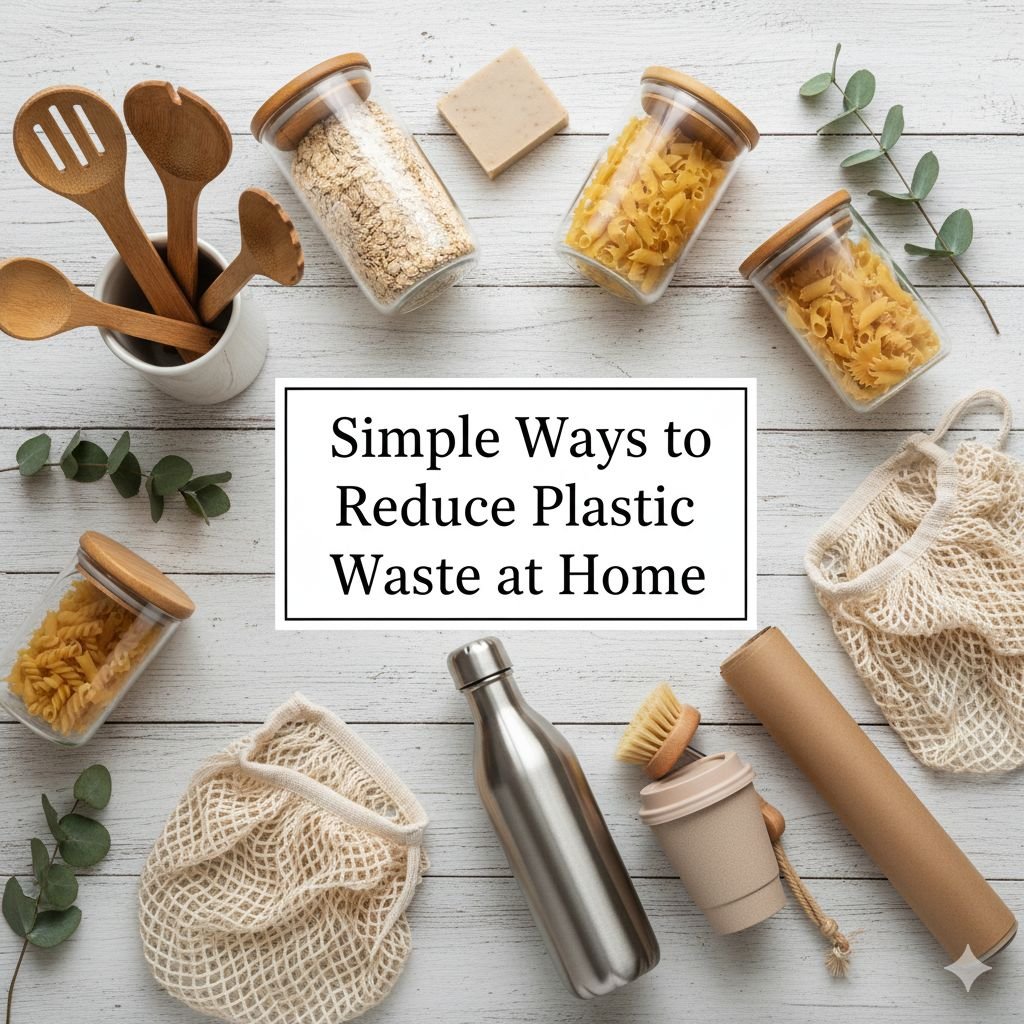
Many people want to stop buying bottled water but feel unsure about safety or convenience. The solution is creating a simple home refill station.
Build a refill station in 10 minutes:
• Water filter jug or tap filter
• Clean glass bottles or steel bottles
• One tray in the fridge for cold water
Once cold filtered water is always ready, bottled water becomes unnecessary.
Travel trick:
Freeze half a bottle overnight. Fill the rest in the morning. You now have cold water for hours.
fix 4: the 5-minute grocery bag reset
Reusable bags only work if you remember them. The failure point is not ownership — it is forgetfulness.
Create a weekly “bag reset” ritual.
Every Sunday:
• Gather bags from car, rooms, closets
• Fold and place near front door
• Put 1–2 directly inside your everyday bag
Five minutes. Once per week. Problem solved.
fix 5: adopt the “no plastic produce” rule
Produce aisles are filled with unnecessary plastic bags. But fruits and vegetables don’t need them.
Start today with this rule:
If it has a peel or skin, it needs no bag.
Examples:
• Bananas
• Apples
• Potatoes
• Cucumbers
• Oranges
For smaller items, bring cloth produce bags or reuse old ones.
Micro-challenge:
Next grocery trip, buy produce without using a single plastic bag.
It feels surprisingly empowering.
fix 6: the takeaway container strategy
Takeaway food is a major source of plastic waste. But this fix is easier than most people think.
Create a “takeaway kit”:
• Reusable food container
• Fork/spoon set
• Cloth napkin
Keep the kit in your bag or car.
Script you can use when ordering:
“I brought my own container, can you fill this?”
Many restaurants say yes. Some say no. Either way, you reduce waste more often than not.
Even using it once a week makes a huge difference.
fix 7: switch to loose tea or coffee
Tea bags and coffee pods often contain plastic or microplastics. Loose tea and ground coffee eliminate that packaging and taste better.
Starter setup:
• Tea infuser or French press
• Airtight jar
• Local bulk store or refill shop
Morning ritual upgrade:
Brewing loose tea or coffee slows the morning slightly — in the best possible way.
fix 8: replace paper towels gradually
Paper towels are convenient but incredibly wasteful. Instead of quitting overnight, try the gradual replacement method.
Phase 1:
Use cloths for easy messes.
Phase 2:
Reserve paper towels only for greasy or unpleasant cleanup.
Phase 3:
Keep one emergency roll instead of buying regularly.
Cloth options:
• Old t-shirts cut into squares
• Worn towels
• Reusable kitchen cloths
Laundry tip:
Keep a small basket for used cloths and wash weekly.
fix 9: the refill cleaning kit
Cleaning supplies create a surprising amount of plastic waste. A simple refill system solves this quickly.
Basic cleaning kit:
• Spray bottle (reuse an old one)
• Vinegar
• Baking soda
• Dish soap bar
Simple recipes:
All-purpose cleaner
1 part vinegar + 1 part water
Scrubbing paste
Baking soda + water
These cover most household cleaning tasks.
fix 10: the “finish before buying” rule
This rule is simple but transformative:
Do not buy a replacement until the current item is finished.
It prevents:
• Duplicate purchases
• Expired products
• Packaging waste
Apply it to:
• Shampoo
• Cleaning products
• Cosmetics
• Pantry items
This rule alone reduces clutter dramatically.
fix 11: create a leftover night
Food waste and packaging waste are deeply connected. When food is wasted, the packaging was wasted too.
Choose one night per week as leftover night.
How it works:
• Eat what must be used soon
• Combine small portions into meals
• Get creative with sauces and spices
Family version:
Call it “buffet night” or “mix-and-match dinner.”
fix 12: practice the 24-hour pause rule
Many plastic items enter our homes through impulse purchases.
The rule:
Wait 24 hours before buying non-essential items.
Often, the desire disappears. When it doesn’t, you can search for a lower-waste option.
This habit reduces:
• Packaging
• Clutter
• Spending
A quiet triple win.
the ripple effect of small changes
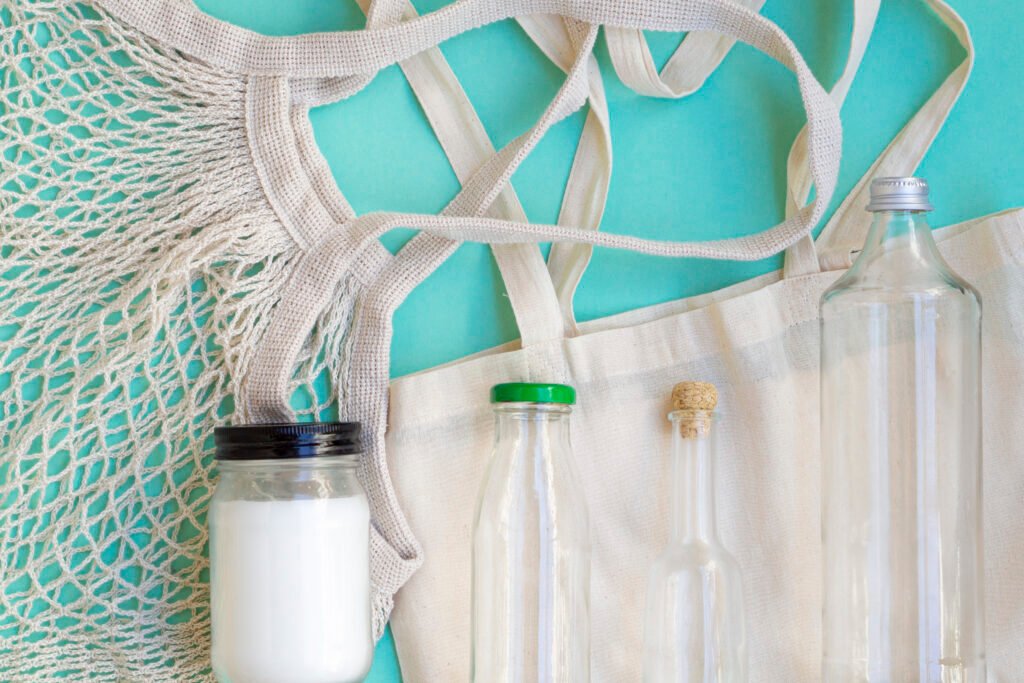
These fixes might seem small individually. But together, they reshape daily life.
A sample day after adopting these habits:
Morning
• Brew loose tea
• Pack lunch in reusable container
• Grab daily trio before leaving
Afternoon
• Refill water bottle
• Decline plastic bag at store
Evening
• Cook leftover dinner
• Clean with refill spray
• Reset reusable bags
None of these actions feel dramatic. Yet collectively, they eliminate hundreds of single-use items each year.
30-day starter challenge
Week 1
Carry the daily trio
Stop buying bottled water
Week 2
Switch to bar soap
Bring reusable grocery bags
Week 3
Start leftover night
Replace paper towels gradually
Week 4
Create cleaning refill kit
Adopt 24-hour pause rule
By the end of one month, your home and habits feel noticeably lighter.
what “fast fixes” really mean
Fast does not mean rushed.
Fast means accessible.
Fast means realistic.
Fast means you can begin today.
The biggest misconception about zero waste living is that it requires perfection. In reality, it requires attention.
Every small decision becomes a vote for the kind of world you want.
And the beauty of these changes is this: once they become habits, they no longer feel like effort.
They simply become life.
frequently asked questions
Is zero waste living expensive to start?
Not at all. Most changes involve buying less, not more. Using what you already own — jars, cloths, containers — is the foundation of this lifestyle.
What if I forget my reusable items?
Everyone forgets sometimes. Progress matters more than perfection. Keep backup items in your car or bag to make remembering easier.
Do small changes really make a difference?
Yes. One person using a reusable bottle can prevent hundreds of plastic bottles per year. Multiply that by months and years, and the impact becomes enormous.
How do I stay motivated long-term?
Track your wins. Notice how often your trash bin stays empty longer. Celebrate the small victories — they add up.
What if my family or friends aren’t interested?
Lead quietly by example. When people see convenient, simple changes, they often become curious and eventually join in.
Where should beginners start if overwhelmed?
Start with the daily trio. It is the simplest, fastest, and most impactful first step.
The journey toward zero waste living does not begin with a perfect plan. It begins with a single decision, repeated daily. Today is the perfect day to begin.