
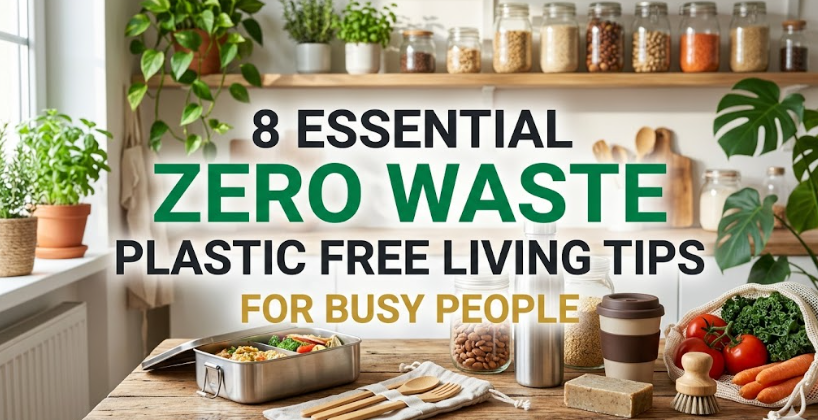
8 Essential Zero Waste Plastic Free Living Tips for Busy People
The modern idea of “being busy” has quietly become a personality trait. Calendars fill faster than fridges. Notifications arrive faster than thoughts. And somewhere between commuting, caregiving, deadlines, and trying to remember if the laundry ever made it out of the machine, the idea of living a zero-waste life can feel unrealistic — like a luxury reserved for people with slow mornings and farmer’s market strolls.
But here’s the truth most sustainability guides forget to mention: the busiest people actually benefit the most from zero waste systems. Because at its heart, zero waste is not about perfection or aesthetics. It is about removing friction, reducing decisions, and simplifying life.
This article is designed specifically for busy people. People who don’t have hours to research eco-products, who forget reusable bags at home, who sometimes grab takeout, who occasionally panic-buy snacks at petrol stations. Real life.
You don’t need a perfectly organized pantry in glass jars. You need systems that work on autopilot.
Below are eight essential zero waste plastic free living tips designed to fit into hectic schedules — with routines, checklists, scripts, and practical shortcuts that make sustainability easier, not harder.
Tip 1: Build a “Grab-and-Go” Zero Waste Kit
The number one reason busy people create waste is not laziness — it’s forgetfulness. When life moves fast, convenience wins every time. So the solution is simple: make sustainability convenient.
Instead of remembering individual reusable items, create a permanent zero waste kit that lives in your bag or car.
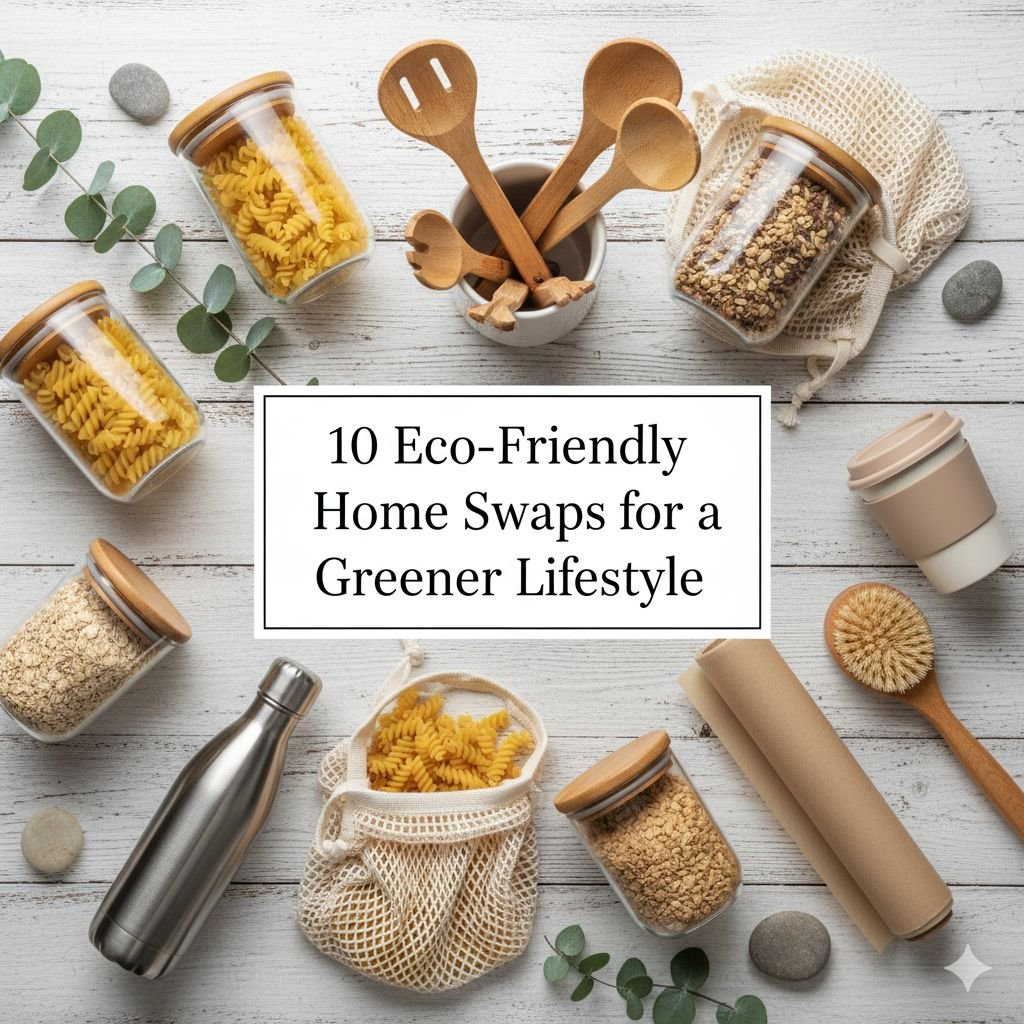
Your everyday zero waste kit checklist:
• Reusable shopping bag (foldable)
• Stainless steel water bottle
• Reusable coffee cup
• Travel cutlery set
• Cloth napkin or handkerchief
• Small container for leftovers or snacks
This kit becomes your personal safety net against single-use plastic.
Mini routine: the 10-second nightly reset
Before bed, refill your water bottle and return your kit to your bag. That’s it. This habit removes dozens of decisions from tomorrow.
Script to remember:
“If it leaves the house, it returns to the bag.”
Unexpected benefit:
People report saving money, eating healthier snacks, and drinking more water once they carry this kit consistently.
Micro-challenge:
Try a 7-day streak of never accepting plastic cutlery or bags. Notice how quickly it becomes automatic.
Tip 2: Create a 5-Minute Weekly Waste Audit
Busy people don’t need daily eco rituals. They need a weekly checkpoint.
A waste audit sounds intimidating, but the simplified version takes five minutes.
Sunday night 5-minute audit:
- Look at your bin.
- Identify the top 3 most common items.
- Replace ONE of them next week.
Example:
Week 1: plastic snack wrappers → buy bulk nuts.
Week 2: takeaway cups → carry mug.
Week 3: cling film → switch to containers.
The goal is not instant perfection. It’s gradual replacement.
This method works because it follows a rule busy professionals already understand: continuous improvement beats sudden transformation.
Progress tracker template:
Week | Biggest waste item | Swap chosen | Success rating (1-5)
This simple table turns sustainability into a measurable habit.
Tip 3: Master the “Lazy Meal System”
Food packaging creates a huge amount of plastic waste. But busy schedules make cooking daily unrealistic. The solution is not cooking more — it’s cooking smarter.
The Lazy Meal System has three pillars:
Batch cook once
Eat multiple times
Store without plastic
Sunday 60-minute meal formula:
• One grain (rice, quinoa, pasta)
• One protein (beans, lentils, eggs, tofu)
• One tray of roasted vegetables
• One sauce
Mix and match all week.
Example meal remix chart:
Monday lunch: rice + veggies + tahini
Tuesday dinner: pasta + roasted veg + tomato sauce
Wednesday lunch: grain bowl + beans + dressing
Thursday dinner: stir fry leftovers
Friday lunch: wraps or sandwiches
This system reduces takeout reliance dramatically.
Time saved per week: 3–5 hours
Plastic avoided per week: dozens of packages
Emergency freezer list:
• Frozen veggies
• Frozen bread
• Frozen leftovers
Your freezer becomes your anti-takeout insurance policy.
Tip 4: Automate Refill and Bulk Purchases
Decision fatigue causes waste. Automation eliminates it.
Think about items you buy repeatedly:
Soap
Shampoo
Dish detergent
Laundry powder
Toothpaste
Dry food staples
Busy-friendly strategy:
Create a refill subscription or monthly bulk shopping day.
Monthly refill checklist template:
Bathroom:
• Shampoo bar
• Soap bars
• Tooth tabs
Kitchen:
• Rice
• Lentils
• Pasta
• Cooking oil
Cleaning:
• Vinegar
• Baking soda
• Laundry detergent
When these items arrive or get refilled automatically, you avoid last-minute convenience purchases.
Golden rule:
If you buy it every month, it should not require a monthly decision.
Tip 5: Use the “One In, One Out” Rule for Consumption
Clutter and waste are deeply connected. The more we own, the more we consume.
The One In, One Out rule is perfect for busy lives because it requires zero extra time.
Examples:
Buy new shirt → donate or repair one old shirt.
Buy new mug → donate or recycle one old mug.
Buy new gadget → sell or gift old gadget.
This keeps possessions stable and intentional.
Monthly declutter ritual:
Set a 15-minute timer once per month.
Fill one bag with unused items.
Donate or sell.
This prevents future waste and simplifies daily routines.
Tip 6: Learn the Art of Polite Refusal
Many plastic items enter our lives without consent: freebies, samples, packaging, receipts.
Busy people don’t have time to debate every situation. So create simple refusal scripts.
Practice these phrases:
“No bag please.”
“I brought my cup.”
“No cutlery needed.”
“I don’t need a receipt.”
“I’m trying to reduce waste.”
Scripts remove awkwardness and hesitation.
Confidence tip:
Say it early and casually. Most interactions last seconds.
This one habit prevents hundreds of plastic items yearly.
Tip 7: Design a Low-Waste Cleaning Routine
Cleaning products are often packaged in plastic and used frequently. Switching to simple ingredients saves time and money.
Busy-person cleaning kit:
White vinegar
Baking soda
Castile soap
Reusable cloths
Quick recipes:
All-purpose spray:
1 cup water + 1 cup vinegar.
Scrub paste:
Baking soda + water.
Glass cleaner:
Water + vinegar + drop of soap.
These solutions take seconds to mix and replace dozens of products.
Cleaning time-saving rule:
Keep cleaning supplies in every main area (kitchen + bathroom).
Less walking = more cleaning consistency.
Tip 8: Embrace Imperfect Zero Waste
This may be the most important tip.
Busy lives include:
Travel
Deadlines
Sickness
Unexpected stress
Last-minute decisions
There will be days when you forget your kit, order takeout, or accept plastic packaging.
That does not erase your progress.
Perfection creates burnout. Imperfection creates consistency.
Adopt the 80% mindset:
If 80% of your choices reduce waste, you are succeeding.
Sustainable living should feel supportive, not stressful.

Daily Zero Waste Routine for Busy People
Morning (2 minutes):
• Fill water bottle
• Pack lunch/snack
• Check zero waste kit
Midday (automatic):
• Use reusable cup/containers
• Refuse single-use items
Evening (3 minutes):
• Empty kit
• Refill bottle
• Reset for tomorrow
Weekly (10 minutes):
• Waste audit
• Meal prep
• Refill planning
Monthly (15 minutes):
• Declutter bag
• Bulk refill shopping
Total time investment per week: under 90 minutes.
Mindset Shifts That Make Zero Waste Easier
Convenience is a design problem, not a moral problem.
Systems beat motivation.
Preparation beats willpower.
Progress beats perfection.
Small habits beat big intentions.
When sustainability becomes automatic, it stops feeling like effort.
Zero Waste Habit Tracker Template
Habit | Mon | Tue | Wed | Thu | Fri | Sat | Sun
Carry bottle
Refuse plastic bag
Use reusable mug
Eat home-prepped meal
Do waste audit
Tracking habits increases consistency dramatically.
Long-Term Benefits Busy People Notice
Less clutter
Less shopping
Lower expenses
Healthier eating
Fewer decisions
More control over routines
Zero waste often becomes a productivity tool disguised as an environmental lifestyle.
Frequently Asked Questions
Is zero waste realistic for people who work long hours?
Yes. The key is focusing on systems instead of daily effort. Weekly prep, refill automation, and reusable kits reduce daily decision-making. Most people find their routines become easier, not harder, over time.
What if I forget my reusable items often?
Expect this at the beginning. Habit stacking helps — attach your kit to something you never forget, like your work bag or car keys. Consistency grows naturally after a few weeks.
Is zero waste more expensive?
It can be initially, but long-term it often saves money. Buying fewer disposable items, cooking more meals, and reducing impulse purchases leads to noticeable savings.
How do I handle social events and travel?
Aim for flexible sustainability. Bring your bottle and say no to unnecessary plastic, but don’t stress over situations you can’t control. Consistency matters more than perfection.
What’s the fastest zero waste change with the biggest impact?
Carrying a reusable bottle and refusing plastic bags. These two habits alone prevent hundreds of disposable items every year.
How long does it take for these habits to feel natural?
Most people report 3–6 weeks. Once routines form, zero waste becomes part of your normal lifestyle rather than a special effort.
Busy lives do not prevent sustainable living. In many ways, they make it more valuable. When your time is limited, systems that reduce clutter, simplify routines, and eliminate unnecessary purchases become powerful allies.
Zero waste is not about doing more.
It’s about needing less.