3 Simple Plastic-Free Living Routines That Swapped My Habits
I used to believe that going plastic-free meant I had to revamp my whole darn life.
I envisioned sacrificing amenities, throwing money at swanky eco-products and generally transforming into an entirely new person overnight. It felt beyond daunting before I even began.
Then I tried something different. So instead of going all in at once, I chose only three tiny habits. Three simple changes. And honestly? They changed everything.
Not just my trash output. My mindset shifted too.
Those three habits are what I’m sharing with you in this post. No pressure. No perfection. Just common sense, no-nonsense stuff that’s actually proven in real life — even if you’re busy or on a budget or just getting started.
Why We Still Can’t Solve the Problem of Plastic
Before we dive into the habits, let’s discuss why any of this matters.
Plastic doesn’t disappear. It breaks into tiny pieces, known as microplastics, but it never truly vanishes. Microplastics have been discovered in human blood, Arctic ice and even rainwater.
Here’s a cursory glance at how big the problem is:
| Plastic Fact | The Figure |
|---|---|
| How much plastic is made around the world each year | 400 million tonnes |
| Amount of recycled plastic worldwide | Less than 10% |
| Length of time it can take for a single bottle to decompose | Up to 450 years |
| Quantity of ocean waste made up by single-use plastics | More than 8 million tonnes every year |
| Microplastics in human bodies | Discovered in blood, lungs and placenta |
Those numbers are staggering. But here’s the thing — you did not create this problem by yourself, and you cannot solve it by yourself. Large corporations and governments should also act.
But personal choices do accumulate. Especially when they are being made by millions.
And the best part? You don’t have to do everything. You just need to begin somewhere.
And that is precisely where the following three habits come in.
Habit #1 — I Replaced My Shopping Bags and Never Looked Back
The Moment That Woke Me Up
It all began in a grocery store line.
I saw the cashier cram my groceries into six plastic bags — six bags for one week’s worth of groceries. I hauled them back home, unpacked the lot of it and threw all six bags into a drawer. That drawer was already full of bags from earlier trips.
I had a drawer full of plastic I did not need and did not want. But I was still grabbing it from force of habit.
So I made one decision. I purchased two reusable tote bags and dropped them by my front door.
That’s it. That was the whole plan.
Why This Habit Works So Well
The main reason so many habits fail is that they require too much decision-making in the moment. If your reusable bags are languishing at the bottom of a closet, you’ll leave them at the store — every time.
But when they are hanging right by your door — or even better, already in your car — the habit almost runs itself.
This is called “environment design.” You configure your space so that the right choice is also the easy choice.
In just two months, I hardly ever brought home single-use plastic bags. My drawer had begun to empty out. And every time I walked into any store with my own bags, I got to feel great.
The Actual Impact of This Single Swap
The typical American goes through some 365 plastic bags a year. That’s one per day. Many of those bags are in use for only 12 minutes before being thrown away.
A good reusable tote bag can last 5 to 10 years of everyday use. During that time, one bag could eliminate hundreds or even thousands of plastic bags.
| Comparison | Plastic Bags | Reusable Tote |
|---|---|---|
| Average uses per bag | 1–3 times | 500–700 times |
| Time to decompose | 10–20 years | Varies by material |
| Cost per year | $5–$15 on bags | $0 after initial buy |
| Carbon footprint | High (oil-based) | Lower over time |
The math is clear. Reusable bags win on every front — for your pocketbook and for the planet.
Starting This Habit Today
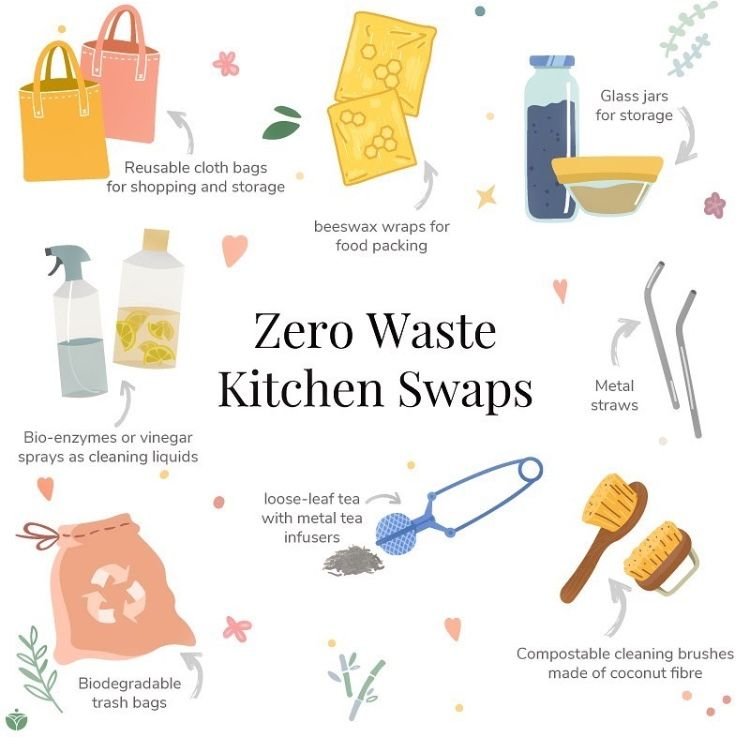
You don’t need a fancy bag. A canvas tote from a thrift store is ideal. You could also reuse backpacks you already own or repurpose old grocery bags you have lying around.
Here is a basic setup that should do the trick:
Hang two or three bags near your front door, or on a coat hook. Stick one in the back seat of your car. Keep a small foldable shopping bag in your purse or backpack for those impromptu shopping expeditions.
With the bags in place, the habit takes over on autopilot.
Habit #2 — I Began to Carry a Reusable Water Bottle On Me at All Times
The Plastic Bottle Problem Few People Know About
Americans alone purchase about 50 billion plastic water bottles each year. That works out to about 13 bottles per person every month.
Most of those bottles? Used once, then tossed.
And most people think they get recycled — they don’t. In the United States, only around 30% of plastic bottles are actually recycled. The remainder winds up in landfills, incinerators or waterways.
I was a regular offender here. I’d pick up a plastic water bottle at the gym, at the airport, from gas stations. It felt like a trifle each time.
But small things add up fast.
One Bottle Changed My Daily Routine
When I finally bought a stainless steel bottle, I assumed that using it would feel like a drag. Like one more thing to lug around and remember to wash.
Instead, it became the opposite.
I was more hydrated because I had water with me at all times. I quit spending $2–$4 on bottled water whenever I felt thirsty. And I stopped contributing to the pile of plastic.
The bottle I purchased cost about $25. It had recouped its cost entirely within three months.
A year in, I estimate I’ve kept well over 200 single-use plastic bottles out of circulation. That’s a significant number for one person making one change.
Your Perfect Reusable Bottle
Reusable bottles are far from universal. Here is a basic breakdown to guide your choice:
| Bottle Type | Ideal For | Pros | Cons |
|---|---|---|---|
| Stainless Steel | Everyday use, hot & cold drinks | Durable, retains temp, no taste | Heavier, pricier |
| Glass | Home use, flavor purists | Clean taste, non-toxic | Breakable |
| BPA-Free Plastic | Travel | Lightweight, affordable | Still plastic |
| Collapsible Silicone | Hiking or travel | Packs flat, easy to store | Less durable over time |
If you’re just getting started, a stainless steel bottle is the best all-around option for most people. Find one that’s at least 20 oz, has a secure lid and fits in standard car cup holders.
The Habit Trick That Made It Stick
The secret to making this habit second nature? Think of your water bottle the way you think of your phone.
You never leave the house without your phone. You check for it automatically. Now do the same with your bottle.
Place it by your keys at bedtime. Put it on your morning to-do list. Build it into your “leaving the house” routine.
After a few weeks, you’ll never even think about it. You’ll just grab it automatically.
Bonus: What About Coffee and Tea?
This habit has another dimension if you’re a coffee drinker.
Disposable coffee cups look like paper — but they’re lined with plastic. It’s that lining that makes them waterproof, and it also makes them effectively impossible to recycle.
An insulated travel mug fixes both of those issues in one go. It keeps your coffee hotter than a paper cup. Many coffee shops also offer a small discount — typically 10 to 25 cents off — if you bring your own cup.
If you drink a cup of coffee every day, that discount adds up to real savings over the course of a year.
Habit #3 — I Switched to Bars: Soap, Shampoo and Conditioner
The Bathroom Plastic You Haven’t Thought About
Go into any bathroom and check under the sink or inside the shower. Count the plastic bottles. Shampoo. Conditioner. Body wash. Face wash. Lotion. Shaving cream.
The average household scraps 30 or more plastic bathroom bottles annually. Most of those bottles are not recyclable, either because they are composed of mixed plastics or still contain product residue.
This was one of the areas of my life where I generated the most plastic waste — and I hadn’t even noticed.
Making the Switch to Solid Bars
The change began with bar soap. I had used liquid body wash for years, but bought a simple bar soap at the store on a whim. It was cheaper, it lasted longer, and the packaging was only a little piece of cardboard I could compost.
That tiny victory piqued my curiosity. What else comes in bar form?
Turns out — a lot.
Shampoo bars are far more common and better than they used to be. Early generations received complaints for making hair feel waxy or heavy. But modern formulas are actually good. People with curly hair, fine hair or color-treated hair have made the switch really well.
Conditioner bars work similarly. They last a while, are great for travel and reduce plastic bottle use greatly too.
For more ideas on reducing bathroom plastic and other everyday swaps, Plastic Free Living is a fantastic resource to bookmark and explore.
The Learning Curve Is Real — Here’s How to Deal With It
Using a shampoo bar does have a learning curve. It may take your scalp 2 to 4 weeks to readjust after years of using liquid shampoo containing silicones and sulfates.
During this time, your hair might feel different — sometimes oilier and sometimes drier. This is completely normal. Stick with it.
Here are some tips to make the transition easier:
After washing your hair with a shampoo bar, rinse with cool water. It aids in sealing the cuticle and cuts down on any waxy sensation. Do an apple cider vinegar rinse at least once a week during your transition. It helps balance the pH of the scalp. Do not quit after the first week — there is an adjustment period, but it does pass.
Plastic Bottles vs. Bars: The Straight-Up Numbers
| Product | Plastic Bottles Per Year | Bars Per Year | Waste Difference |
|---|---|---|---|
| Shampoo | 3–4 bottles | 2–3 bars (paper wrap) | Eliminates 3–4 plastic bottles |
| Conditioner | 3–4 bottles | 1–2 bars | Eliminates 3–4 plastic bottles |
| Body Wash / Soap | 4–6 bottles | 3–4 bars | Eliminates 4–6 plastic bottles |
| Total | 10–14 bottles | Paper only | Up to 14 plastic bottles saved |
That’s up to 14 fewer plastic bottles per person per year, from bathroom swaps alone. Multiply that by a four-person household and you could be diverting more than 50 bottles annually from the waste stream.
Finding Bars That Really Work for You
Not every brand will work for your hair or skin type. Here are a few things to consider when shopping:
If your hair is color-treated or naturally dry, look for sulfate-free shampoo bars. A clarifying bar with tea tree or peppermint works well for oily hair. For conditioner bars, shea butter and coconut oil-based formulas are generally suitable for most hair types. For body bars, glycerin-based soaps are gentle on almost all skin types and won’t dry you out.
Most zero-waste shops and even mainstream stores including Target and Whole Foods carry solid bar options. You can also find great options online from brands that specialize in plastic-free beauty. The EWG’s Guide to Healthy Cleaning is a helpful tool for checking what ingredients are actually in the products you buy.
How These 3 Habits Work Together
Here’s something I didn’t expect: once I established these three habits, it became easier to notice plastic in other parts of my life and swap it out.
It’s almost as if your eyes become trained to see it.
You notice those plastic produce bags in the store. The plastic straw that always arrives with your drink. The disposable plastic cutlery that came with your takeout order.
And then rather than feeling overwhelmed, you start to feel on top of it. Because you’ve already demonstrated to yourself that change is possible.
The three habits serve as a foundation. They build your confidence. They reduce your plastic footprint in three big areas of everyday life — shopping, staying hydrated and personal care — which collectively account for a significant portion of most people’s single-use plastic use.
A Simple Plastic-Free Starter Plan
If you’re ready to get going but aren’t sure where to start, here’s a week-by-week breakdown:
| Week | Action |
|---|---|
| Week 1 | Buy two reusable tote bags and put them by the door |
| Week 2 | Get a reusable water bottle and start using it daily |
| Week 3 | Swap one bathroom product for a bar equivalent |
| Week 4 | Try a second bar product and keep track of your progress |
| Month 2 | See which habits stuck and build from there |
Slow and steady wins. These are not resolutions — they’re lifestyle pivots. Give yourself time.
FAQs About Plastic-Free Living
Is plastic-free living expensive?
It can seem expensive to start, but it nearly always saves you money over time. A reusable bag costs a few bucks and replaces hundreds of bags. A water bottle will pay for itself within weeks. Bar soaps and shampoos tend to be less expensive per use than their bottled counterparts.
Do I have to be 100% plastic-free in order for any change to matter?
Absolutely not. Progress matters more than perfection. Even cutting your plastic use in half is a substantial impact. The idea is to do what you can, not to be perfect.
What’s the simplest habit to begin with?
For most people, the reusable bag swap is the easiest, as it involves the fewest adjustments. Begin there, build confidence and go from there.
Are shampoo bars safe for all hair types?
Shampoo bars are pretty adaptable for all hair types, with some experience of course. But those with very fine hair or specific scalp conditions might need to experiment with different formulas. Reading reviews from people with similar hair types helps a lot.
What about plastic-free options for kids?
Children can definitely participate. Reusable lunch bags, kid-size stainless steel water bottles and bar soaps are all child-friendly choices. Including children in the “why” also promotes good habits from a young age.
Can I recycle my current plastic bottles before switching?
Yes — use up what you already have first. No need to throw out products you’ve already got. After they’re empty, look into your local recycling rules for how to dispose of them properly, and then make the switch.
Does going plastic-free actually help the environment?
Yes, along with systemic change. Personal habits put a dent in demand for single-use plastic, send market signals to companies and add up to larger cultural shifts. It’s a piece of the larger puzzle — and an important one.
The Bigger Picture: Tiny Habits, Big Change
Going plastic-free doesn’t require a radical personality overhaul.
It just takes a few smart swaps, patience during the early adjustment period and a commitment to keep going in moments of inconvenience.
These three habits — reusable bags, a water bottle you love and switching to bars — are not flashy. They’re not revolutionary in and of themselves. But together, they make a real dent in the amount of plastic waste one person produces each year.
And here’s what I’ve noticed most out of all of this: I feel more intentional about my choices. Not only with plastic, but altogether. That “do I really need this?” mentality begins to bleed into other areas of life.
That shift alone is worth the effort.
You don’t have to wait for the perfect moment, the right product or a complete life overhaul. Choose one habit from this list. Start this week. Let that win build your confidence.
The planet needs movement more than perfection. And one person making one change does matter.