The first zero waste purchase I ever made was a $38 stainless steel straw set with a canvas carry pouch and a tiny brush shaped like a bottle cleaner. I bought it because it looked like what a person who cared about plastic would own. I used it four times. Then it lived in a kitchen drawer for two years, and eventually I gave it to a friend who was “getting started” too, which is a nice way of saying I passed the problem along instead of solving it.
That straw set taught me something that took a while to fully accept. A lot of zero waste products are priced for how they make you feel at checkout, not for how much plastic they actually keep out of a landfill. Some of them are genuinely worth it. Plenty aren’t, and the gap between those two categories is bigger than most beginner guides admit.
1. The Starter Kit Trap
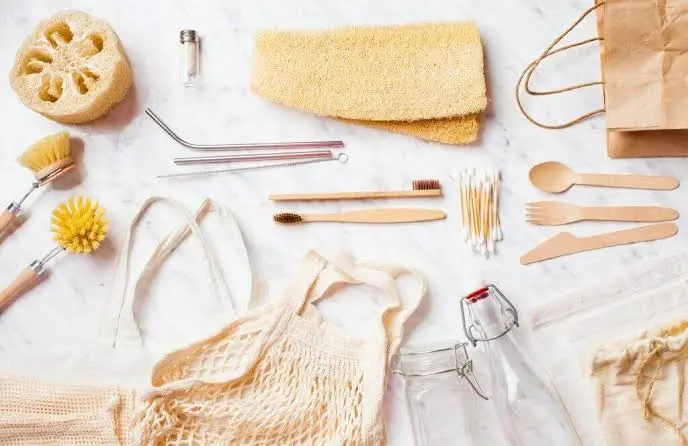
Zero waste starter kits are everywhere now, usually bundled in a jute bag with a bamboo utensil set, a couple of mesh produce bags, a metal straw, and sometimes a small jar labeled for “zero waste toiletries” that’s really just an empty container. They run anywhere from $45 to $90, and on paper they look efficient. One purchase, problem solved.
Here’s where people usually go wrong with these kits: they assume owning the tools is the same as building the habit. It isn’t. You can own six reusable produce bags and still forget them in the car every single week, which is exactly what happened to me for the better part of a year. The bag doesn’t change your behavior. Repetition does, and repetition is free.
If you’re weighing a bundle purchase against buying items one at a time as you actually need them, the second option almost always wins on cost and on follow-through. Plastic Free Living has a good breakdown of which individual swaps tend to stick versus which ones end up back in a drawer, and it’s worth reading before you commit to a bundle.
There’s also the issue of quality. Bundles cut costs somewhere, and it’s usually in the item you’ll use the most. The bamboo fork in a $60 kit is rarely the same grade as one you’d buy on its own for $6, and it splinters faster because of it.
2. Bamboo Isn’t a Personality, It’s a Material With Limits
Bamboo has become shorthand for eco-friendly, and that’s done it a disservice. It’s a genuinely good material for some products and a weak choice for others, and the price tag rarely reflects which one you’re getting.
Bamboo cutting boards, bowls, and rigid utensils tend to earn their cost. They’re durable, they age well with a bit of oil, and they last years if you don’t run them through the dishwasher. Bamboo toothbrushes are a murkier story. The handle is compostable, sure, but most bristles are still nylon, which means the “fully biodegradable” claim on the packaging is stretching the truth. You’re paying $4 to $6 for a toothbrush that’s maybe 70 percent better than plastic, not 100 percent, and that distinction matters if the marketing is the reason you bought it.
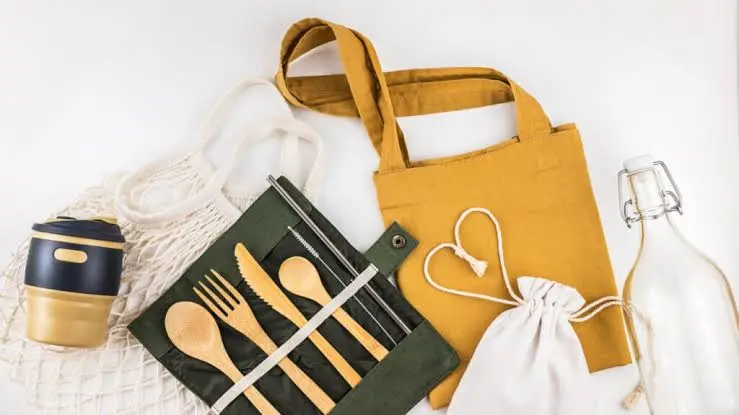
Bamboo travel cutlery sets in fabric rolls are the category I’d skip most often. They look great in photos. In daily use, the fork tines snap within a few months of regular use, and you end up buying a replacement set anyway, which erases whatever savings you thought you were getting over a $2 set of metal camping cutlery from a secondhand store.
| Product | Typical Price | What You’re Actually Paying For | Worth It? |
|---|---|---|---|
| Bamboo cutting board | $18 to $35 | Durable material, long lifespan | Yes |
| Bamboo toothbrush | $4 to $6 each | Partial biodegradability, marketing | Situational |
| Bamboo travel cutlery set | $12 to $20 | Convenience and appearance | Usually not |
| Bamboo dish brush | $6 to $10 | Compostable handle, replaceable head | Yes |
3. Silicone Bags: Where the Math Actually Works and Doesn’t
Reusable silicone food storage bags get lumped together as one product category, but the price range is wide and so is the quality. A well made silicone bag with a proper seal will outlast a box of plastic freezer bags many times over, and after a couple of years it genuinely pays for itself. That’s the version worth buying.
The version to be careful of is the discount silicone bag sold in packs of five for under $15 through marketplace sellers with no brand history. The seal on these tends to fail within months, the material can develop a smell that never fully goes away, and once that happens the bag is functionally trash, just a more expensive kind. I’ve replaced three of these before switching to a single higher grade bag that’s still going strong two years later.
And this is the part that surprises people. Silicone isn’t automatically plastic free. It’s a synthetic material, and whether it counts as a meaningful upgrade depends on how long it actually lasts in your kitchen, not on what the label says. If you want the fuller explanation of how silicone compares to genuinely plastic free materials like glass and stainless steel, it’s worth reading through before you spend on a full set.
4. Subscription Boxes Solve a Problem You Didn’t Have Yet
Monthly eco subscription boxes are probably the category I get asked about most, and they’re the one I’d push back on hardest. You’re paying $25 to $40 a month for a curated selection of small products, a lot of which duplicate things you likely already own or don’t need on a recurring basis. A bar of shampoo, a set of cotton rounds, maybe a small tin of deodorant. Useful items individually. Not items most households need shipped to them every single month in fresh packaging, which, worth pointing out, usually isn’t plastic free either.
If you’re on a tight budget and trying to figure out where actual savings are, subscription boxes are almost never the answer, no matter how the marketing frames it as an investment in the planet. Building a plastic free kitchen slowly, buying one solid item when the old one wears out, costs a fraction of what a year of subscription boxes runs, and you end up with things you actually chose rather than things chosen for you.
The exception, and it’s a narrow one, is if a box is genuinely introducing you to products from small independent makers you wouldn’t otherwise find. That has value. It’s just a different value than “zero waste,” and it’s worth being honest with yourself about which one you’re paying for.
Plastic Free Living gets messages fairly often from readers who signed up for one of these boxes expecting it to simplify things, and it rarely does. It adds one more thing to manage.
Not every product in this space is a bad deal. A good compost bin, a properly sealed glass container set, a quality cast iron pan, these earn their price because they solve a real problem for a long time. The pattern worth watching for isn’t the material or even the brand. It’s whether a product is priced around a feeling of doing the right thing, or priced around actually lasting.
Frequently Asked Questions
Is a zero waste starter kit worth buying as a gift for someone new to this? Generally no. The person receiving it hasn’t built any of the habits yet, so half the items usually sit unused. A single well chosen item, like a good produce bag set or a quality water bottle, tends to get used far more than a full bundle.
Are bamboo toothbrushes actually fully biodegradable? The handle typically is. The bristles are usually still nylon unless the packaging specifically says otherwise, so the toothbrush as a whole isn’t 100 percent biodegradable even though it’s marketed that way.
Do reusable silicone food bags really outlast disposable plastic bags? A well made one does, often by years rather than months. A cheap unbranded one frequently fails within a season, which is why price and seal quality matter more than the material claim alone.
What’s actually worth spending more money on when going plastic free? Items you use daily and that take physical wear, like cutting boards, water bottles, and storage containers. Items you use occasionally rarely justify a premium price tag, no matter how the packaging is worded.
Should I trust “eco-friendly” labels on cheap marketplace products? Not automatically. The label often means very little without a specific material or certification behind it. A low price combined with a vague eco claim is usually a sign to look closer rather than buy on impulse.
If you’re still figuring out which swaps are worth doing first before spending on anything, plasticfreeliving.online has a broader guide to that starting point that’s worth reading before your next purchase.