11 Proven Plastic-Free Living Tips to Avoid Store Packaging
Every time you pick an item off a store shelf, chances are it’s got several layers of plastic around it. Shrink wrap. Foam trays. Sealed bags. Clam shells. It’s just everything comes in something that will be here 400 years after we’re not.
Here’s a fact to sober you up: The world generates over 400 million metric tons of plastic waste annually. Much of it is right from store packaging. The things we buy and consume every day — food, toiletries, cleaning products — are frequently packaged in plastic that gets used for a matter of seconds before being discarded.
But here’s the good news. You don’t have to settle for this as the status quo.
Living with less plastic isn’t about being perfect. It’s all about making better choices, one replacement at a time. This guide leads you through 11 proven plastic-free living tips, all tested and approved for real-world settings — not just in theory. Whether you’re just dipping a toe into the zero-waste world or want to take your game to the next level, there’s something here for everyone.
Why Package-Free Retail Is the Future of Buying
When people think of plastic waste, they’re more likely to think of plastic straws or water bottles. But store packaging has a much greater effect and is more difficult to sidestep.
Recall your last grocery visit. The banana was inside a plastic bag. The yogurt had been in a plastic tub. The chicken was on a styrofoam tray covered in cling film. The crackers were contained in a plastic sleeve within a cardboard box.
According to the OECD, packaging comprises almost 40% of the world’s plastic production. Most of it is single-use. Most of it winds up in landfills, oceans, or incinerators.
The tricky part? Much of this packaging can feel inevitable. You can’t always walk out of a store with loose tomatoes and bulk oats every time. But there are tactics to minimize how much plastic you bring home. If you’re serious about cutting down, Plastic Free Living is a great resource to explore for deeper guidance and product recommendations.
Tip 1: Convert to Reusable Bags — All of Them
This is an obvious one, but most people only consider their grocery bags. Reusable living goes way beyond the canvas tote you leave in your car.
Produce bags have been a game changer. Those thin plastic bags in the produce section? Replace them with reusable mesh or cotton bags. They’re washable and durable, holding everything from apples to green beans.
Bulk bags allow you to shop the bulk aisle — more on that below — without using the store’s plastic bags.
Bread bags made of cloth allow you to buy fresh bread from bakeries without encasing it in plastic.
Leave a stack of different reusable bags in your car or backpack so you are always prepared. Forgetting your bag is the top reason people fall back into plastic.
Tip 2: Shop the Bulk Aisle Like a Boss
Bulk sections are one of the most underrated tools in plastic-free living. You bring your own container, pay for just what you need, and bypass the plastic packaging altogether.
Here’s what you can normally find in bulk:
| Category | Common Bulk Items |
|---|---|
| Grains & Pasta | Rice, oats, quinoa, lentils, pasta |
| Nuts & Seeds | Almonds, cashews, sunflower seeds, flaxseed |
| Sweeteners | Honey, maple syrup, sugar, agave |
| Spices | Cinnamon, cumin, turmeric, chili powder |
| Snacks | Granola, dried fruit, trail mix, pretzels |
| Liquids | Olive oil, vinegar, dish soap (select stores) |
Pro tips for bulk shopping:
Before you go, call ahead to ensure the store permits bringing in your own containers. Bring clean glass jars or fabric bags. Get your empty container weighed at the register — they call it tare weight — so you’re only paying for what’s inside.
Stores like Whole Foods, co-ops, and specialty health shops generally have the best bulk sections. Zero-waste grocery stores are also popping up in more cities — there may be one near you.
Tip 3: Hit the Farmers Market Instead of the Supermarket
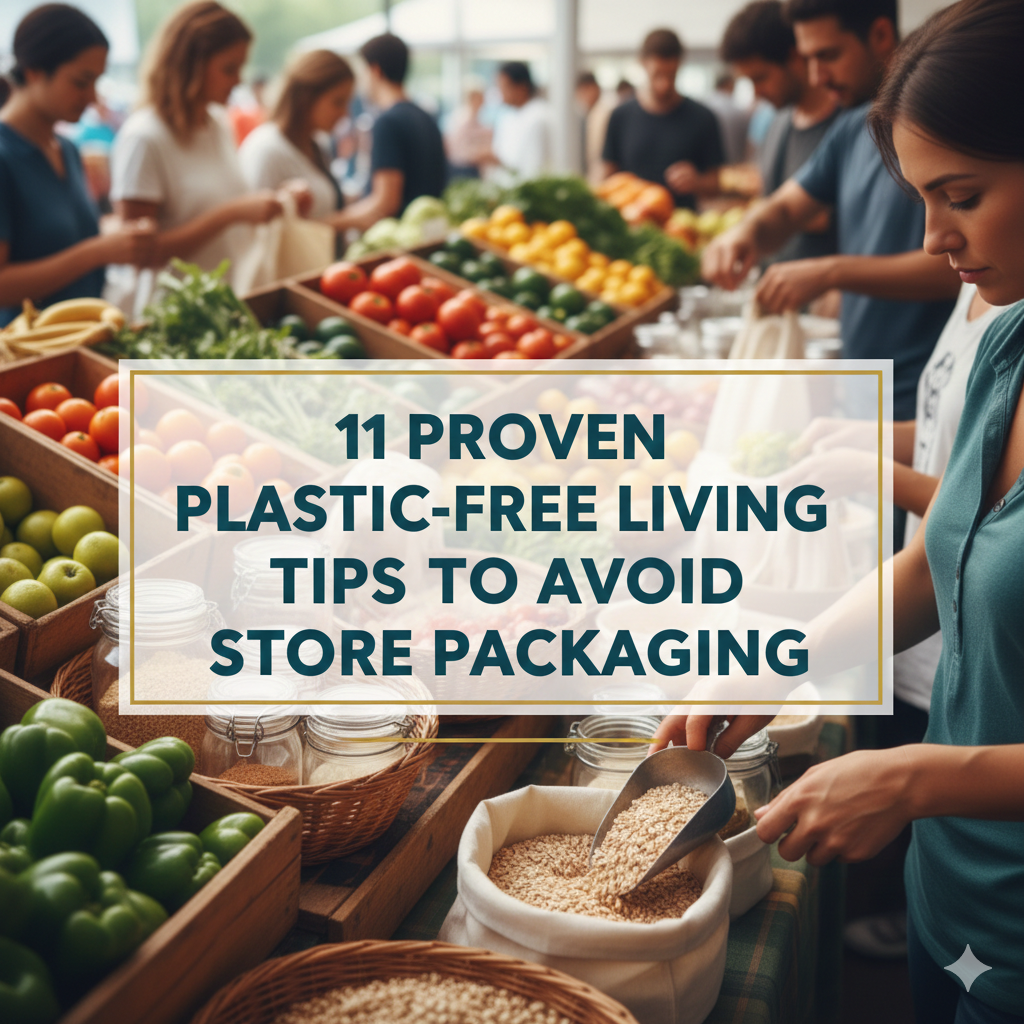
Farmers markets represent one of the simplest shortcuts to a plastic-free haul. The majority of produce is sold loose, unpackaged, and fresh. Vendors are usually only too glad to skip the bag altogether or let you use your own.
In addition to fruits and vegetables, you’re likely to find:
- Fresh bread sold unpackaged or in paper
- Local cheese wrapped in paper or wax
- Eggs in cartons you can bring back the next week
- Honey in glass jars
- Homemade jams and preserves in reusable containers
The social aspect helps too. When you buy directly from a farmer or baker, it’s easy to ask how things are packaged and make requests. You can’t do that in a big box store.
Make it a habit: Many towns have weekly markets. Circle Saturday morning on your calendar, grab your bags and jars, and make it part of your routine.
Tip 4: Ditch the Plastic-Wrapped Produce
Pre-packaged produce is one of the biggest culprits of store plastic waste. Bags of spinach. Wrapped cucumbers. Clamshell boxes of cherry tomatoes. These are almost always available in loose form somewhere.
Simple swaps to make:
- Buy loose spinach or lettuce instead of bagged
- Opt for cucumbers that are not shrink-wrapped
- Choose individual bell peppers rather than the plastic-packed trios
- Go for loose mushrooms instead of styrofoam trays
Yes, some loose produce may appear a little less “perfect.” But that is actually a sign it hasn’t been treated and packaged to look store-perfect. Freshness and flavor are often better.
If you can’t find something loose, choose frozen vegetables with paper or cardboard packaging over fresh in plastic.
Tip 5: Bring Your Own Container to the Deli and Butcher Counter
Most people are not aware that this is even possible. But many delis, cheese counters, and butcher shops will be more than happy to place your order directly into a container you bring from home.
This completely bypasses the styrofoam trays, plastic wrap, and unnecessary packaging entirely.
How to do it:
Walk up with a clean container and say: “Can you put this directly in my container? I’m trying to avoid plastic packaging.” In most cases, the answer is yes.
Some stores weigh the container first — tare weight — and subtract it from your total. Others simply make a note of the container weight themselves.
This works for:
- Deli meats
- Cheese
- Fresh fish and seafood
- Ground meat or sausage
- Prepared salads and hot foods
The first time feels awkward. After that, it becomes second nature.
Tip 6: Make the Switch to Bar Soap and Solid Toiletries
Personal care is one of the most insidious sources of plastic waste. Shampoo bottles, conditioner bottles, body wash bottles, face wash tubes — they pile up quickly.
Solid alternatives now exist for almost everything:
| Liquid Product | Solid Swap |
|---|---|
| Shampoo | Shampoo bar |
| Conditioner | Conditioner bar |
| Body wash | Bar soap |
| Face wash | Solid face cleanser bar |
| Deodorant | Deodorant bar or paste in a glass jar |
| Toothpaste | Toothpaste tablets or powder in a glass jar |
| Lotion | Body butter in a tin or glass container |
Solid toiletries are also more concentrated and therefore longer lasting than their liquid equivalents. A good shampoo bar can outlast two or three plastic shampoo bottles.
Brands like Ethique, Lush, and HiBAR are popular options. You can also find many solid products at zero-waste online shops or your local health store.
Tip 7: Choose Glass, Metal, or Cardboard Over Plastic
When you can’t avoid packaged goods entirely, choose the least harmful packaging option. Not all packaging is equally bad.
The packaging hierarchy — best to worst:
- Glass — Infinitely recyclable, reusable at home, no leaching
- Metal (steel/aluminum) — Highly recyclable, durable, good for canned goods
- Cardboard/Paper — Biodegradable and widely recyclable (when not coated in plastic)
- Compostable bioplastics — Tricky (requires industrial composting facilities)
- Plastic — Last resort, especially single-use varieties
So when picking between a glass jar of pasta sauce and a plastic one, choose glass. When you buy canned beans, the metal can is in every way a better choice than a plastic bag.
But take the larger view. A glass jar shipped around the world might have a bigger carbon footprint than a local plastic option. Whenever you can, pair local sourcing with better packaging.
Tip 8: DIY Your Cleaning Products
The majority of cleaning products are sold in plastic bottles. And you go through them fast — dish soap, all-purpose cleaner, bathroom cleaner, laundry detergent. That’s a lot of plastic each year.
Homemade cleaning products are simple, cheap, and plastic-free when stored in glass or metal containers.
Easy DIY recipes:
All-purpose cleaner: Mix equal parts white vinegar and water in a glass spray bottle. Add 10–15 drops of tea tree or lemon essential oil.
Dish soap: Buy concentrated castile soap in bulk at many stores. Dilute it and store in a reusable glass pump bottle.
Laundry powder: Mix washing soda, baking soda, and a grated castile soap bar. Store in a glass jar with a scoop.
Scrubbing paste: Baking soda + a small amount of dish soap + a few drops of essential oil.
These recipes are not just plastic-free — they’re also non-toxic, which is better for your home and your family.
Tip 9: Start a Small Home Garden for Kitchen Staples
You can’t get more packaging-free than growing your own food. Even a small windowsill garden can eliminate plastic for several items you buy regularly.
Easy plants to grow at home:
- Herbs: Basil, mint, parsley, chives, rosemary — all easy indoors or on a balcony
- Salad greens: Lettuce, arugula, and spinach all grow fast in small containers
- Tomatoes: Cherry tomatoes do well in pots on a sunny patio
- Green onions: Cut the base off store-bought ones, drop them into a glass of water, and they regrow endlessly
- Peppers: Compact varieties do well in containers
Even if you only replace 10–15% of your produce purchases, that’s still dozens of plastic packages avoided each year.
Seeds come in paper packets. Compost from kitchen scraps feeds your garden. It’s a cycle that produces nearly zero waste.
Tip 10: Refuse, Decline, and Speak Up
A massive but frequently overlooked plastic-free living tip: just say no.
You don’t have to accept plastic bags, straws, cutlery, or packaging just because it’s offered. Refusing politely is one of the most powerful things you can do.
Situations where refusing plastic is easy:
- At a coffee shop: “No lid or sleeve, thanks.”
- At a restaurant: “No plastic straw, please.”
- At a fast food drive-through: “No plastic cutlery, I have my own.”
- At a store: “I don’t need a bag, I have my own.”
- At a party: Bring your own reusable cup or plate
Beyond refusing, speaking up matters. Leave reviews. Send emails to brands. Ask your grocery store manager to stock more unpackaged options or expand the bulk aisle.
Consumer feedback shapes what stores carry. Your voice matters more than you think.
Tip 11: Build a Plastic-Free Travel and Meal Kit
The most common way people accumulate plastic is when they’re away from home — grabbing takeout, stopping for coffee, or picking up a snack. Having a travel kit ready fixes this instantly.
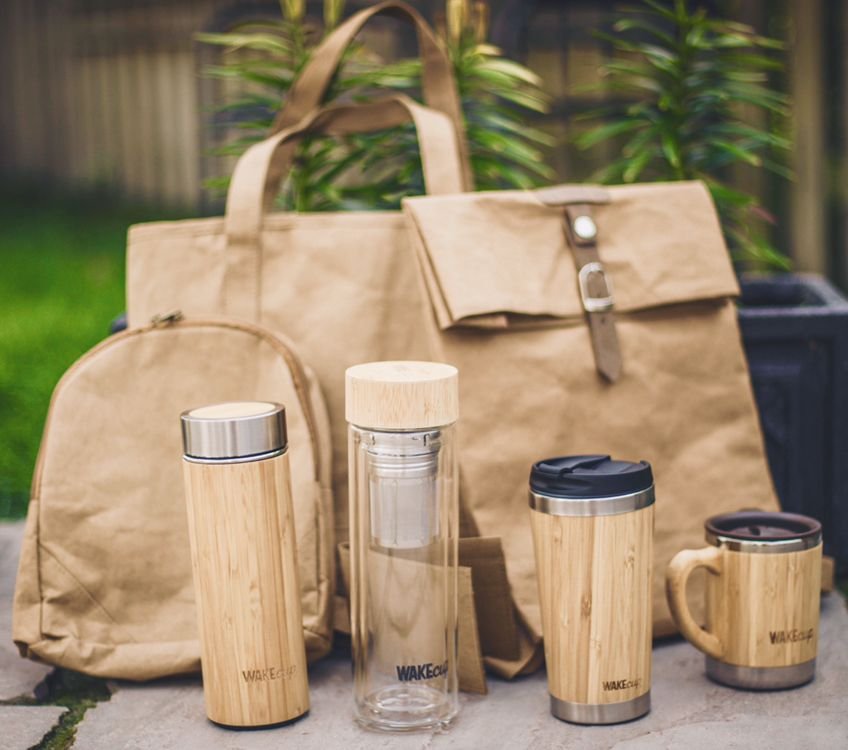
Your plastic-free on-the-go kit:
| Item | What It Replaces |
|---|---|
| Stainless steel water bottle | Plastic water bottles |
| Reusable coffee cup | Disposable cups with plastic lids |
| Bamboo or metal cutlery set | Disposable plastic cutlery |
| Small cloth bag or tote | Plastic bags at checkout |
| Beeswax wrap or silicone bag | Plastic wrap or sandwich bags |
| Small glass or metal container | Plastic takeout containers |
| Bamboo or metal straw | Plastic straws |
Keep this kit in your car, bag, or desk at work. Single-use plastic stops feeling like the default when it becomes part of your everyday carry.
The Real Cost of Store Packaging: A Closer Look
Understanding why this matters helps keep motivation high.
| Impact Area | Data Point |
|---|---|
| Plastic produced annually | 400+ million metric tons |
| Share used for packaging | ~40% |
| Plastic that gets recycled | Less than 10% |
| Time for plastic to decompose | 400–1,000 years |
| Microplastics in human blood | Found in 80% of people tested |
| Ocean plastic pieces | Estimated 170 trillion pieces floating |
These numbers aren’t meant to feel overwhelming. They’re intended as a reminder that the choices we make in the grocery aisle have real downstream consequences — on oceans, on wildlife, on our own health.
Every item you buy packaging-free is one less piece of plastic entering the system.
How to Start Without Getting Overwhelmed
Attempting to do everything at once is a fast track to burnout. The best approach is gradual.
A simple 3-month starter plan:
Month 1 — The Easy Wins
- Switch to reusable grocery and produce bags
- Start buying one or two things in bulk
- Swap one liquid toiletry for a bar version
Month 2 — Go Deeper
- Visit a farmers market weekly
- Try BYOC (bring your own container) at the deli
- Make your first DIY cleaner
Month 3 — Build the System
- Assemble your travel kit
- Start a small herb garden
- Audit your fridge and pantry for easy package swaps
Progress beats perfection every time. Even a 50% reduction in your plastic packaging waste is meaningful and worth celebrating.
Frequently Asked Questions
Q: Is plastic-free living expensive? Not necessarily. Many swaps — like making your own cleaners or buying in bulk — actually save money over time. The initial investment in a glass jar or a reusable bag pays off quickly compared to buying disposable versions repeatedly.
Q: What if my local stores don’t have bulk sections or loose produce? Start with what you’ve got. Online zero-waste shops ship in minimal or plastic-free packaging. Even small swaps, like choosing a glass jar over a plastic bottle, add up. Advocate with local stores to expand their options too.
Q: Are paper bags and cardboard always better than plastic? Usually, but not always. Cardboard lined with wax or plastic is generally not easily recyclable. Uncoated cardboard and plain paper are much better. Always check before recycling.
Q: Can I really bring my own container to the store deli? Yes, in most cases. Call ahead if you’re unsure. Most staff are happy to accommodate the request. It’s been a common practice in zero-waste communities for years.
Q: How do I handle plastic-wrapped products that have no alternative? Some things are all but impossible to find without packaging right now. For those items, choose the smallest amount possible to reduce packaging waste, and speak out by contacting the brand directly.
Q: Is zero-waste living realistic for families or people with busy schedules? Absolutely. You don’t have to go all-in. Families benefit most from high-impact swaps like bulk buying — fewer trips, less packaging — and switching toiletries to bars — fewer bottles piling up. Start with the changes that fit your life.
Q: What is the single most impactful plastic-free living tip for beginners? For most people, shopping at the farmers market or bulk store is probably the biggest single win. You skip dozens of plastic packages in one trip and often get fresher, better food in the process.
The Takeaway
Plastic-free living tips to avoid store packaging don’t mean having to live like a monk or spend hours making everything from scratch. They’re about developing smarter habits that reduce your dependence on single-use plastic over time.
You started with 11 tips. Maybe two or three of them feel doable right now. That’s enough. Start there. Let those habits get comfortable. Then add more.
The goal isn’t zero plastic overnight. It’s less plastic, consistently, in the long run. That’s how real change happens — for you and for the planet.