7 Ultimate Family Plastic Free Living Changes That Last
There was a time when I didn’t notice plastic at all. It was invisible, like air—wrapping our food, lining our shelves, tucked into every corner of our routines. It took a single moment—a crinkled snack wrapper slipping out of my child’s hand into a roadside gutter—for me to really see it. Not just as trash, but as something permanent. Something that would outlive us.
That realization didn’t turn our home plastic-free overnight. In fact, it did the opposite. It slowed us down. It made us question, rethink, and sometimes fail. But over time, small, deliberate changes began to stack up. What started as effort turned into habit. And what felt inconvenient slowly became second nature.
This is not a story of perfection. It’s a story of seven lasting changes—practical, human, and imperfect—that helped our family move toward a plastic-free lifestyle in a way that actually sticks.
- Rethinking the weekly grocery ritual
Our grocery trips used to be rushed. A list scribbled in haste, plastic bags piling up at checkout, convenience over consciousness. The first real shift came when we stopped treating grocery shopping as a chore and started seeing it as a system we could redesign.
We began with one simple rule: bring our own bags. That alone felt like a victory. But it didn’t take long to realize reusable bags were just the beginning.
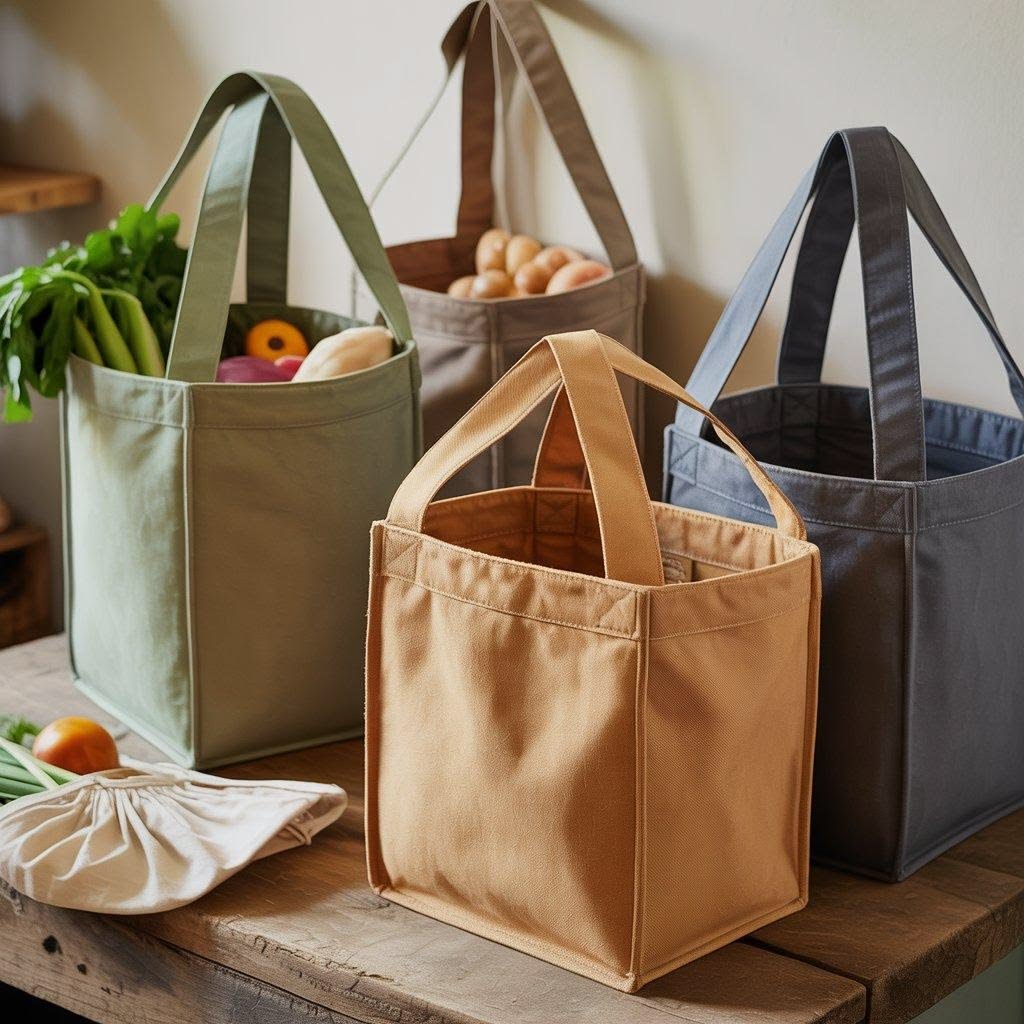
We started choosing loose produce instead of pre-packaged ones. Carrots without plastic sleeves. Tomatoes weighed into cloth bags we carried. Even grains and lentils, when possible, bought in bulk and stored in jars at home.
There were awkward moments. Forgetting bags. Declining plastic packaging and receiving confused looks. But consistency changed everything. Now, grocery shopping feels intentional. Slower, yes—but also lighter.
What made this change last wasn’t willpower. It was routine. The bags stay by the door. The list is planned with packaging in mind. The habit has replaced the effort.
A simple practice you can try:
Keep a “ready-to-go” grocery kit near your exit—cloth bags, a couple of jars, maybe even a small produce scale list. Make it easier to do the right thing than to forget.
- Turning the kitchen into a low-plastic zone
The kitchen is where plastic thrives. Cling wrap, food containers, snack packaging, cleaning supplies—it’s everywhere. Instead of tackling everything at once, we focused on one drawer at a time.
Plastic wrap was the first to go. In its place came cloth covers, old plates, and eventually beeswax wraps. Not perfect, but enough.
Then came food storage. We didn’t throw away all our plastic containers overnight. That would have been wasteful in its own way. Instead, we stopped buying new ones. Slowly, glass jars—saved from sauces and pickles—took over.
Even our cooking habits shifted. More homemade snacks meant fewer packaged items. Simple recipes replaced store-bought convenience.
The biggest lesson here was patience. A plastic-free kitchen isn’t built in a day. It evolves, one swap at a time.
A reflection:
Look at your kitchen not as a place of rules, but as a space of experiments. What can you replace today? What can you reduce tomorrow?
- Redefining how we clean
Cleaning products were something we never questioned. Bright bottles, strong scents, and a sense of “clean” tied to chemicals and plastic packaging.
One day, we ran out of our usual cleaner and decided to try a homemade mix—vinegar, water, and a few drops of lemon. It worked. Not magically, not perfectly—but well enough.
That “well enough” became the turning point.
We began refilling old spray bottles instead of buying new ones. Baking soda replaced some of our scrubbing products. Old cloth replaced disposable wipes.
There were failures. Some surfaces needed stronger solutions. Some experiments didn’t work. But we learned to adapt, not abandon.
Cleaning became less about perfection and more about sustainability.
Try this:
Pick one cleaning product you use most often. Replace just that one with a homemade or refillable version. Let that be your starting point.
- Shifting the way we consume clothes and toys
Plastic isn’t just in packaging—it’s woven into fabrics and molded into toys. This realization changed how we approached shopping, especially for our children.
Instead of buying new toys frequently, we started rotating what we already had. What was forgotten became new again.
When we did buy, we chose fewer, better-quality items. Wooden toys instead of plastic. Natural fabrics instead of synthetic ones.
Clothing followed a similar path. Hand-me-downs, second-hand finds, and repairing instead of replacing.
This wasn’t about denying joy. It was about redefining it. The excitement of something new was replaced by the satisfaction of something meaningful.
A small mindset shift:
Before buying something new, ask: Do we really need this, or are we just used to buying it?
- Creating a family culture around waste
The most powerful change wasn’t in what we bought—it was in how we talked about it.
Plastic-free living became a family conversation, not a rulebook. We involved our children in decisions. Asked for their ideas. Let them make mistakes.
We started small rituals. Sorting waste together. Celebrating a week with less trash. Talking about where things go after we throw them away.
It wasn’t always smooth. There were moments of resistance, especially when convenience clashed with values. But over time, awareness grew.
What made this change last was ownership. It wasn’t just my responsibility—it became ours.
An idea to try:
Turn waste reduction into a shared goal. Track your weekly trash. See if you can reduce it together, not perfectly, but gradually.
- Letting go of perfection
This might be the most important change of all.
There were days when we forgot our bags, bought something wrapped in plastic, or chose convenience over values. At first, those moments felt like failures.
But they weren’t. They were part of the process.
Perfection is exhausting. And in the context of plastic-free living, it’s also unrealistic. The goal isn’t zero plastic—it’s less plastic.
Once we accepted that, everything became easier. We stopped chasing an ideal and started focusing on progress.
And progress, even slow, is what lasts.
A reminder:
Every small change counts. Even if it doesn’t feel like much in the moment.
- Building systems, not relying on motivation
Motivation comes and goes. Systems stay.
The reason these changes lasted wasn’t because we were always motivated. It was because we built systems that made better choices easier.
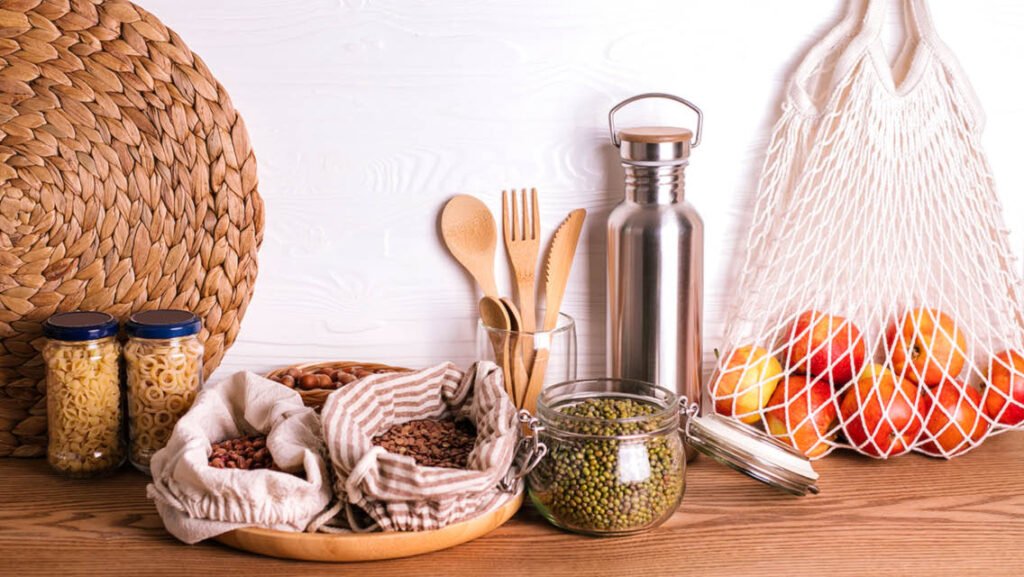
Reusable bags by the door. Jars in the pantry. A compost bin in the corner. A routine for grocery shopping. A habit of questioning before buying.
These systems removed friction. They made sustainability less about effort and more about flow.
And that’s the secret to lasting change—not intensity, but consistency.
A practical step:
Look at one area of your life and ask: How can I make the sustainable choice the default?
Closing thoughts
Plastic-free living isn’t a destination. It’s a direction.
There’s no finish line where everything is perfect and nothing ever goes to waste. There are only choices—made daily, sometimes consciously, sometimes not.
What matters is the direction those choices take.
For our family, these seven changes didn’t just reduce plastic—they reshaped how we live, think, and connect with the world around us.
And perhaps that’s the real goal. Not just less plastic, but a more intentional life.
FAQs
- Is it expensive to live plastic-free as a family?
Not necessarily. While some eco-friendly products can be costly upfront, many plastic-free habits—like buying less, reusing items, and making things at home—actually save money over time. - How can I start plastic-free living with kids?
Start small and involve them. Let them help choose reusable items, explain why changes matter, and turn it into a shared journey rather than a set of rules. - What if I don’t have access to bulk stores or refill stations?
That’s okay. Focus on what’s available to you—choosing less packaging where possible, reusing containers, and reducing single-use items still makes a difference. - How do I stay consistent without getting overwhelmed?
Build simple systems and focus on one change at a time. Consistency comes from habit, not pressure. - Is it okay to use plastic items I already own?
Absolutely. The goal is to reduce waste, not create more. Use what you have, and replace items with better alternatives only when needed. - Can plastic-free living really make an impact?
Yes, especially when practiced consistently. Individual actions may seem small, but collectively they create meaningful change—and influence others to do the same.