12 Smart Family Plastic Free Living Tricks for a Greener Home
There was a time when I never noticed how often plastic showed up in our daily life. It was everywhere, yet invisible—like background noise we stop hearing. Grocery bags piled under the sink, cling wrap stretched across leftovers, shampoo bottles lining the bathroom shelf, and snack wrappers quietly filling the trash bin by the end of each day. It wasn’t one big moment that changed everything for our family. It was a series of small realizations, each one gently nudging us toward something better.
Living plastic-free as a family isn’t about perfection. It’s about awareness, creativity, and a willingness to adapt. It’s about discovering that the simplest changes often have the deepest impact. Over time, we found that reducing plastic didn’t just help the environment—it transformed how we lived, shopped, cooked, and even connected with each other.
Below are twelve practical, lived-in, and realistic tricks that helped us move toward a greener home without turning life upside down.
rethinking the weekly grocery routine
Grocery shopping used to mean convenience. Pre-packed vegetables, plastic-wrapped meat, and rows of individually packaged snacks. The shift began when we slowed down.
Instead of rushing through aisles, we started planning meals in advance and bringing our own cloth bags, mesh produce bags, and containers. Buying loose fruits and vegetables felt unfamiliar at first, but it quickly became second nature.
We also discovered local markets where produce came without layers of packaging. The food tasted fresher, and the experience felt more human. Our children began to recognize vendors, ask questions, and understand where food comes from.
The biggest surprise? We wasted less food. When you choose each item consciously, you naturally value it more.
ditching single-use water bottles for good
Plastic water bottles were once a staple in our home, especially during travel or busy days. Replacing them with reusable stainless steel bottles was one of the easiest wins.
At first, we worried about forgetting them. But after a few weeks, it became a habit—like carrying a phone or keys. Each family member picked a bottle they liked, which added a sense of ownership.
We also set up a simple water filtration system at home. Clean, safe drinking water without plastic waste felt like a quiet victory every day.
switching to refillable cleaning solutions
Cleaning products often come in bulky plastic bottles that are discarded once empty. We replaced most of them with refillable options and simple DIY solutions.
A mixture of vinegar, baking soda, and lemon became our go-to for many cleaning tasks. Glass spray bottles replaced disposable plastic ones, and we started buying cleaning liquids in bulk when necessary.
Not only did this reduce plastic waste, but it also saved money and minimized exposure to harsh chemicals. The house felt cleaner in more ways than one.
transforming the kitchen into a low-plastic zone
The kitchen is one of the biggest sources of plastic waste in any home. Instead of trying to change everything at once, we focused on one item at a time.
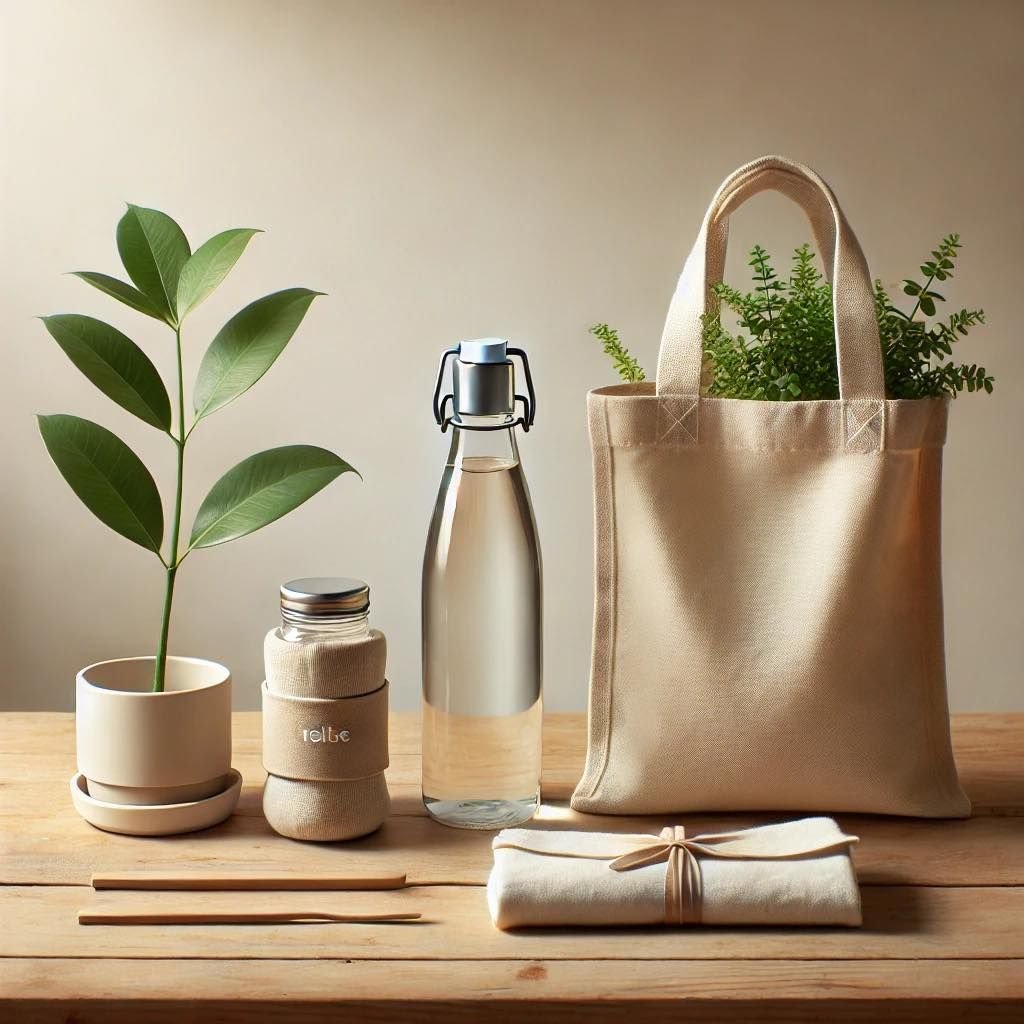
Plastic wrap was replaced with beeswax wraps and reusable lids. Plastic containers slowly gave way to glass and stainless steel alternatives. Even dish sponges were swapped for natural fiber brushes and cloths.
Cooking at home became more intentional. Instead of relying on packaged convenience foods, we began preparing simple meals from scratch. It wasn’t about becoming perfect cooks—it was about reducing dependence on plastic-heavy products.
creating a family recycling and composting system
Reducing plastic is important, but managing waste responsibly matters too. We set up clearly labeled bins for recycling, compost, and landfill waste.
Our kids became surprisingly enthusiastic about sorting waste. It turned into a small daily ritual, almost like a game. Over time, they began questioning packaging choices, which influenced our buying decisions.
Composting food scraps reduced our trash significantly and created nutrient-rich soil for plants. Watching waste turn into something useful changed our perspective entirely.
making smarter choices with personal care products
Bathroom shelves often hide a surprising amount of plastic. Shampoo bottles, toothpaste tubes, razors—these items add up quickly.
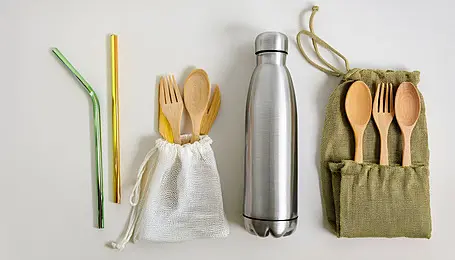
We didn’t replace everything overnight. Instead, we switched gradually. Bar soaps replaced liquid body washes, shampoo bars replaced bottled versions, and bamboo toothbrushes took the place of plastic ones.
These changes felt small individually but powerful collectively. They also simplified our routines—fewer products, less clutter, and less waste.
teaching kids through involvement, not rules
One of the most important lessons we learned was that children respond better to involvement than restriction.
Instead of saying “don’t use plastic,” we explained why we were making changes. We invited them to help pack reusable bags, choose plastic-free snacks, and even come up with their own ideas.
They surprised us with their creativity—suggesting homemade snacks, reminding us to bring containers, and even teaching their friends.
Sustainability became a shared family value rather than a set of rules.
embracing second-hand and durable items
Plastic-free living often overlaps with mindful consumption. Instead of buying new items wrapped in plastic, we explored second-hand options.
Clothes, toys, furniture—many things can be reused. When we did buy new items, we focused on durability rather than convenience.
This shift reduced waste and also changed how we viewed possessions. Things became less disposable and more meaningful.
packing waste-free lunches and snacks
School lunches and on-the-go snacks were once a major source of plastic waste. Individually wrapped items were easy but unsustainable.
We started preparing snacks at home—cut fruits, homemade treats, and simple sandwiches—packed in reusable containers.
It required a bit more planning, but it quickly became routine. Our kids got used to it, and we felt better knowing exactly what they were eating.
supporting local and plastic-conscious businesses
Every purchase is a choice. We began supporting businesses that prioritized minimal packaging or offered refill options.
Local bakeries, farmers’ markets, and small shops often use less plastic compared to large supermarkets. Building relationships with these businesses added a personal touch to shopping.
It also reinforced the idea that change isn’t just individual—it’s collective.
reducing plastic in celebrations and gatherings
Birthdays, holidays, and gatherings often bring an influx of disposable items—decorations, cutlery, and packaging.
We started choosing reusable decorations, borrowing items instead of buying new ones, and using real dishes whenever possible.
Even small changes, like wrapping gifts in cloth or newspaper, made a difference. Celebrations became less about excess and more about connection.
tracking progress without chasing perfection
Perhaps the most important trick of all was letting go of perfection. There were days when we forgot our bags or bought something wrapped in plastic.
Instead of feeling guilty, we focused on progress. We noticed how much less waste we were producing compared to before.
Keeping a simple record—sometimes just a mental note—helped us stay motivated. Over time, these small changes added up to something meaningful.
a quiet transformation at home
What began as an attempt to reduce plastic turned into a deeper lifestyle shift. Our home became calmer, less cluttered, and more intentional.
We started valuing quality over quantity, experiences over convenience, and awareness over habit. The changes weren’t always easy, but they were always worth it.
Plastic-free living isn’t about eliminating every piece of plastic. It’s about making conscious choices, one step at a time.
frequently asked questions
- Is it expensive to switch to a plastic-free lifestyle?
Not necessarily. While some reusable items may have a higher upfront cost, they often save money in the long run. Buying in bulk, reducing waste, and avoiding disposable products can actually lower overall expenses.
- How do I start if I feel overwhelmed?
Start small. Choose one area of your home—like the kitchen or bathroom—and make gradual changes. Focus on replacing items as they run out instead of discarding everything at once.
- Can kids really adapt to plastic-free habits?
Yes, and often more easily than adults. When children are involved in the process and understand the reasons behind it, they can become enthusiastic participants and even advocates.
- What if plastic-free options aren’t available in my area?
Do the best you can with what’s accessible. Even small changes—like reusing items, reducing consumption, and choosing less packaging—make a difference.
- Is recycling enough to solve the plastic problem?
Recycling helps, but it’s not a complete solution. Reducing and reusing are more effective strategies. Not all plastic gets recycled, so minimizing usage is key.
- How long does it take to see real impact?
Impact begins immediately, even with small changes. Over time, these efforts compound, leading to significant reductions in waste and a more sustainable lifestyle.
In the end, a greener home isn’t built overnight. It’s shaped by everyday decisions, quiet adjustments, and a willingness to rethink what we once considered normal. Each small step carries weight, and together, they create a future that feels not only more sustainable—but more thoughtful, more connected, and more alive.