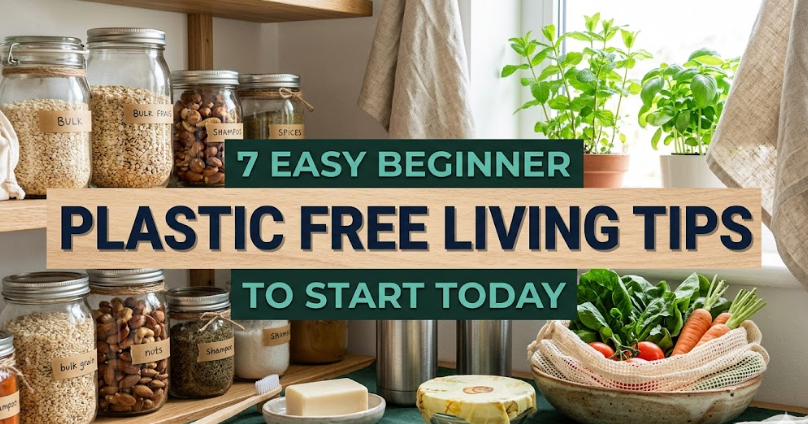
7 Easy Beginner Plastic Free Living Tips to Start Today
There’s a quiet moment that often sparks change. It might come while unwrapping yet another layer of plastic from something you barely remember buying, or when you notice how quickly your trash bin fills up despite your best intentions. Plastic is everywhere—not just in oceans or headlines, but in the ordinary rhythm of daily life. And yet, shifting away from it doesn’t require a complete life overhaul. It begins with small, thoughtful steps.
This guide isn’t about perfection. It’s about progress. You don’t need to throw everything away or adopt a rigid lifestyle overnight. Instead, think of this as a gradual recalibration—one that aligns your habits with a more mindful, plastic-free way of living.
Let’s walk through seven simple, beginner-friendly tips that can help you start today.
- Start With What You Already Use Daily
One of the easiest ways to begin reducing plastic is to observe your daily routine. What do you reach for without thinking? A plastic water bottle, a takeaway coffee cup, a plastic shopping bag—these are often the first places where change can happen effortlessly.
Instead of trying to eliminate all plastic at once, focus on replacing one item at a time. For example, switch from disposable water bottles to a reusable stainless steel or glass bottle. Keep it in your bag so it becomes your default choice. The same goes for coffee—carry a reusable cup when heading out.
What makes this step powerful is its simplicity. You’re not adding something new to your routine; you’re just upgrading what’s already there. Over time, these small swaps compound into meaningful change.
- Bring Your Own Bags Everywhere
Reusable bags are often the gateway to plastic-free living. They’re simple, affordable, and incredibly effective at cutting down single-use plastic.
Keep a few cloth or canvas bags in places where you’re likely to need them—your car, your backpack, or even folded inside your purse. The key is accessibility. If your reusable bag is always within reach, you’re far less likely to rely on plastic ones.
But don’t stop at grocery shopping. Use these bags for everything—clothes shopping, carrying books, or even organizing items at home. Some people even carry small mesh produce bags for fruits and vegetables, reducing the need for those thin plastic bags at stores.
At first, you might forget. That’s normal. The habit builds over time, and eventually, reaching for a reusable bag becomes second nature.
- Rethink Your Kitchen Habits
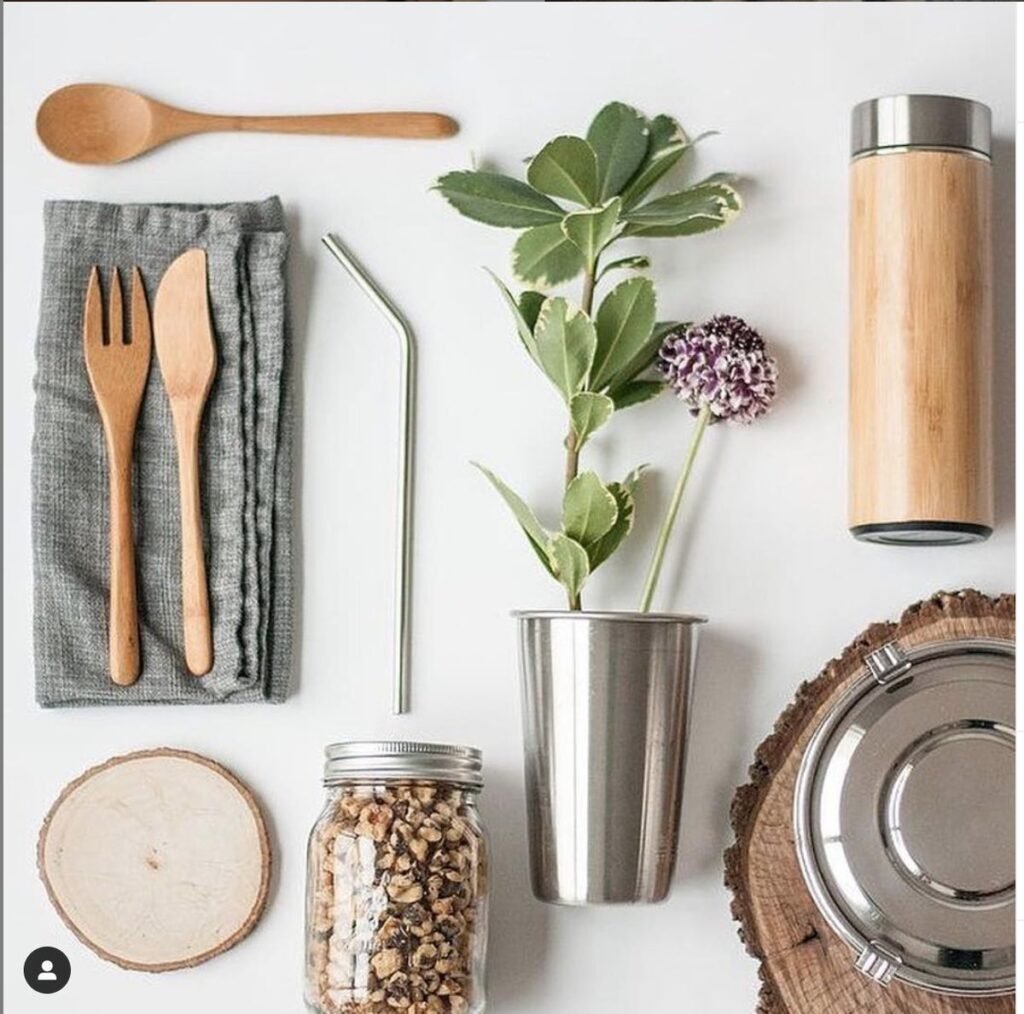
The kitchen is often the biggest source of household plastic waste. From cling wrap and zip-lock bags to packaged foods and disposable utensils, it adds up quickly.
Start by swapping plastic wrap for alternatives like beeswax wraps, reusable silicone lids, or simply using a plate to cover a bowl. Glass jars can replace plastic containers for storing leftovers, grains, and spices.
Another impactful change is buying in bulk where possible. Look for stores that allow you to bring your own containers or bags. Not only does this reduce packaging waste, but it also encourages more mindful consumption.
Cooking at home also plays a significant role. Prepared and packaged foods often come with layers of plastic. By preparing meals yourself, you control both ingredients and packaging.
Think of your kitchen as a space of transformation—not just for food, but for habits.
- Choose Products With Less Packaging
Every purchase is a vote for the kind of world you want to live in. When you choose products with minimal or no plastic packaging, you send a signal to manufacturers that sustainability matters.
This doesn’t mean you have to spend hours analyzing every item. Start with simple awareness. Look for items packaged in paper, glass, or metal instead of plastic. Choose loose produce instead of pre-packaged ones.
In some cases, you might find local markets or small vendors who naturally use less packaging. Supporting them not only reduces plastic use but also strengthens community connections.
It’s not about being perfect. Sometimes plastic is unavoidable, and that’s okay. The goal is to make better choices when you can.
- Switch to Reusable Personal Care Items
The bathroom is another area where plastic quietly accumulates—shampoo bottles, toothbrushes, razors, and more.
Begin with one or two changes. For instance, consider switching to a bamboo toothbrush instead of a plastic one. Try shampoo bars instead of bottled shampoo. These bars often last longer and come with little to no packaging.
Reusable razors with replaceable blades can also significantly cut down on plastic waste. For those who use cotton pads or wipes, washable cloth alternatives are a simple and effective swap.
What’s interesting about these changes is how they often lead to a more intentional self-care routine. You start paying attention to what you use, how long it lasts, and how it impacts the environment.
- Learn to Say No to Unnecessary Plastic
One of the most empowering habits you can develop is simply saying no.
No to plastic straws at restaurants. No to disposable cutlery with takeout orders. No to freebies that come wrapped in plastic and serve little purpose.
It might feel awkward at first, especially in social settings. But over time, it becomes easier—and even liberating. You realize that you don’t need many of the things you once accepted without question.
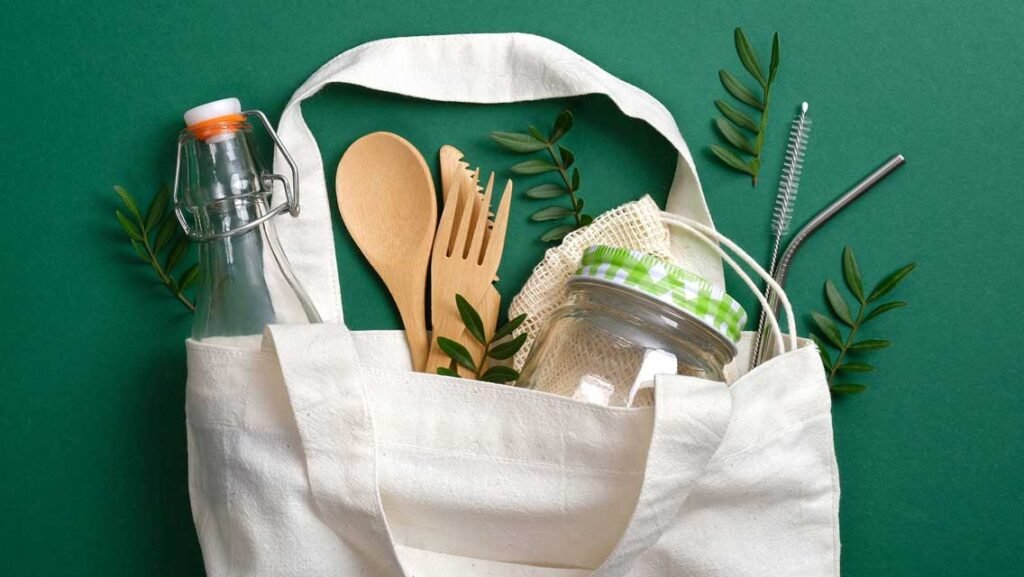
You can also prepare in advance. Carry a small kit with essentials like a reusable straw, cutlery, and a cloth napkin. This way, you’re never caught off guard.
Saying no isn’t about restriction. It’s about choosing what truly adds value to your life.
- Progress Over Perfection
Perhaps the most important tip of all is to let go of the idea of perfection.
Plastic-free living is a journey, not a destination. There will be moments when you forget your reusable bag or have no choice but to buy something in plastic packaging. That doesn’t erase your efforts.
What matters is consistency over time. Each small change contributes to a larger impact. And as you continue, you’ll likely inspire others around you—family, friends, even strangers—to reconsider their own habits.
Celebrate your progress. Reflect on how far you’ve come. And remember that every step, no matter how small, counts.
A Different Way of Seeing Everyday Life
As you begin to reduce plastic in your life, something subtle shifts. You start noticing things you once overlooked—the texture of a cloth bag, the durability of a glass jar, the satisfaction of reusing something instead of discarding it.
This shift isn’t just about reducing waste. It’s about reconnecting with the materials and objects that surround you. It’s about slowing down and making choices with intention.
Over time, plastic-free living becomes less about effort and more about identity. It becomes part of who you are.
Frequently Asked Questions
- Do I have to go completely plastic-free to make a difference?
Not at all. Even small reductions in plastic use can have a meaningful impact. The goal is to reduce where you can, not to eliminate plastic entirely overnight.
- Is plastic-free living expensive?
It can be, but it doesn’t have to be. Many sustainable swaps, like reusable bags or containers, save money in the long run. You can also start with low-cost changes and gradually invest in alternatives.
- What should I do with the plastic items I already have?
Use them until they wear out. Throwing them away immediately creates more waste. The idea is to replace items as needed with more sustainable options.
- How do I handle situations where plastic is unavoidable?
Do your best in the moment and move on. Sometimes plastic is the only option available, and that’s okay. Focus on what you can control.
- Can I still eat out or order takeout while reducing plastic?
Yes. You can request no plastic cutlery, bring your own containers if possible, or choose restaurants that use eco-friendly packaging.
- How long does it take to build plastic-free habits?
It varies for everyone, but most habits become easier within a few weeks of consistent practice. The key is repetition and patience.
In the end, plastic-free living isn’t about rigid rules or dramatic changes. It’s about noticing, choosing, and gradually reshaping the way you interact with the world. And it all starts with a single step—one small, thoughtful decision at a time.