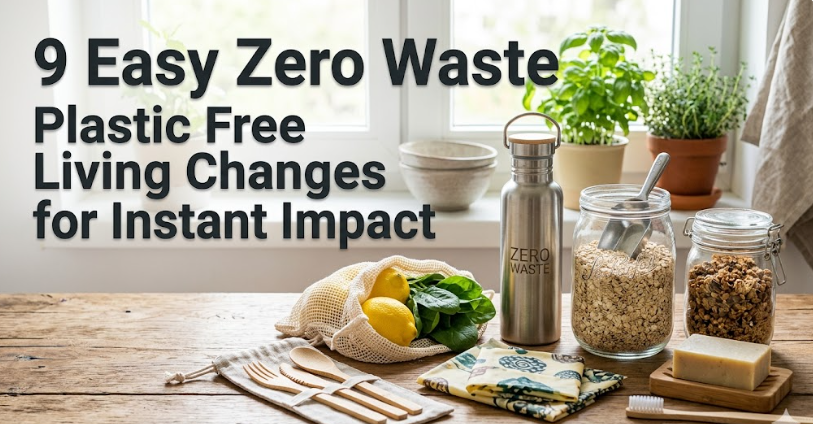
9 easy zero waste plastic free living changes for instant impact
There is a moment that quietly shifts the way you see the world. It usually happens in an ordinary place — the kitchen bin, the grocery checkout line, the bathroom shelf — where plastic appears again and again like background noise. At first it feels harmless. Convenient. Invisible. Then one day you notice how quickly the bin fills, how many items are used once and forgotten, how often convenience quietly asks for long‑term consequences in return.
Zero waste living can sound intimidating, expensive, or extreme. But the truth is far gentler: small, consistent changes can create immediate impact. Not perfect changes. Not dramatic overnight transformations. Just simple shifts that reduce waste, save money, and bring intention back into daily routines.
This guide explores nine easy plastic‑free changes that anyone can start today. Each change is practical, affordable, and designed to create instant results without overwhelming your lifestyle.
change 1: switch from disposable shopping bags to reusable ones
The most visible symbol of plastic waste is the humble shopping bag. Lightweight, convenient, and designed for minutes of use, it often survives hundreds of years in the environment. Replacing it is one of the fastest and most satisfying changes you can make.
Reusable shopping bags are not a new idea, but the impact of consistently using them is bigger than most people expect. The average household uses hundreds of plastic bags each year. Removing them immediately cuts a major source of waste.
Start by creating a “bag system.” Keep a few cloth bags near your front door, inside your car, and folded inside a backpack or handbag. The goal is to make forgetting them harder than remembering them.
An extra trick that works surprisingly well is attaching the habit to another habit. For example, after unpacking groceries, place the empty bags back in the car immediately. This simple loop keeps the cycle moving.
Financially, this change often saves money within weeks. Many stores now charge for plastic bags, and reusable ones last years. Emotionally, it builds confidence — the first sign that living with less plastic is not difficult, just different.
change 2: carry a reusable water bottle everywhere
Single‑use plastic bottles are one of the most common forms of litter worldwide. They are designed for minutes of use yet persist for centuries. Switching to a reusable water bottle is one of the simplest changes with the fastest payoff.
The key is not just owning a reusable bottle but making it part of your daily routine. Choose a bottle you genuinely enjoy using. Size, weight, lid style, and insulation all matter. When you like the bottle, you naturally carry it more often.
Keep it visible. Put it on your desk. Place it next to your keys. Take it on short trips, not just long journeys. The more often it appears in your day, the more automatic the habit becomes.
This change saves money almost immediately. Bottled water costs far more than tap or filtered water over time. Many people are surprised to see how quickly this habit pays for itself.
More importantly, it shifts your mindset from convenience to preparedness. Instead of buying water when thirsty, you bring water with you. This mindset quietly spreads into other areas of life.
change 3: replace paper towels with reusable cloths
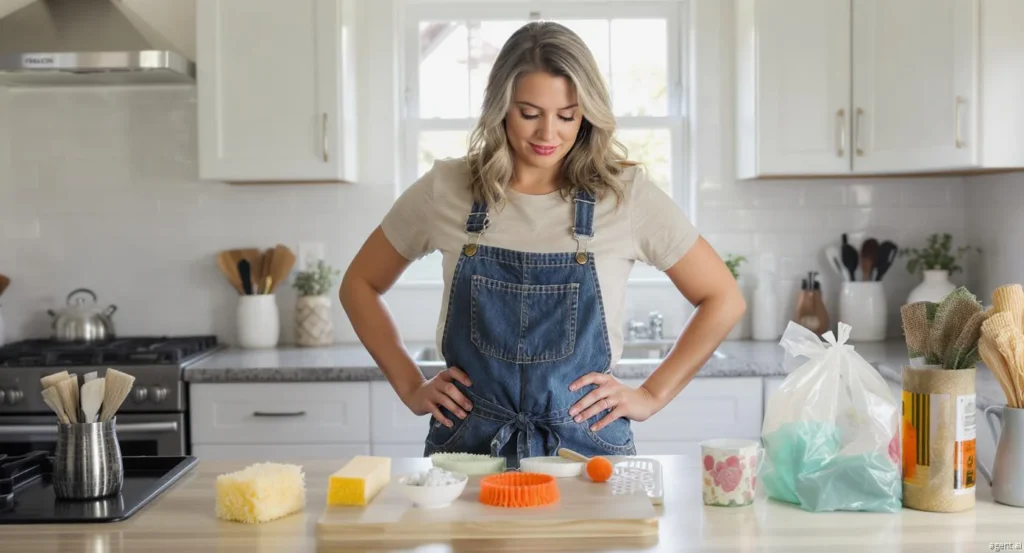
Paper towels are deeply embedded in modern kitchens. They feel essential, yet they are one of the easiest items to replace.
Reusable cloths, kitchen towels, or cut‑up old T‑shirts can handle nearly every cleaning task paper towels once did. Spills, wiping counters, drying hands, cleaning surfaces — all can be done without creating daily waste.
Create a simple system: a clean cloth drawer and a small laundry basket for used cloths. Wash them regularly with other laundry. Once the routine is established, the change feels effortless.
Many households discover an unexpected benefit: they use fewer cloths than paper towels. When something is reusable, it encourages mindful use rather than automatic disposal.
This change reduces both waste and spending, proving that sustainability often aligns naturally with frugality.
change 4: choose bar soap instead of liquid soap
Bathrooms often hide a surprising amount of plastic. Liquid soaps, shampoos, conditioners, and body washes typically come in single‑use bottles. Switching to bar soap is a simple way to reduce this waste immediately.
Bar soap has existed for centuries. It is effective, long‑lasting, and often packaged in paper or cardboard instead of plastic. Many people find that a single bar lasts much longer than a bottle of liquid soap.
Start with hand soap. Once the habit feels comfortable, explore shampoo bars and conditioner bars. The transition can be gradual and low‑pressure.
Beyond waste reduction, bar products simplify the bathroom. Fewer bottles, less clutter, and fewer items to replace create a calmer space.
change 5: bring your own takeaway containers
Takeaway food often comes wrapped in layers of plastic. Containers, cutlery, bags, and sachets add up quickly. Bringing your own container can dramatically reduce this waste.
It may feel unusual at first, but many restaurants happily accommodate reusable containers. Start with places you visit regularly. A simple, polite request often works.
Keep a container in your bag or car. This preparation turns a planned habit into a spontaneous possibility. Suddenly leftovers, bakery visits, and takeaway meals can happen without extra packaging.
This change also reduces food waste. When you have a container ready, saving leftovers becomes easier and more natural.
change 6: switch to loose produce instead of packaged produce
Grocery stores often wrap fruits and vegetables in plastic, even when they already come with natural packaging. Choosing loose produce eliminates a surprising amount of waste each week.
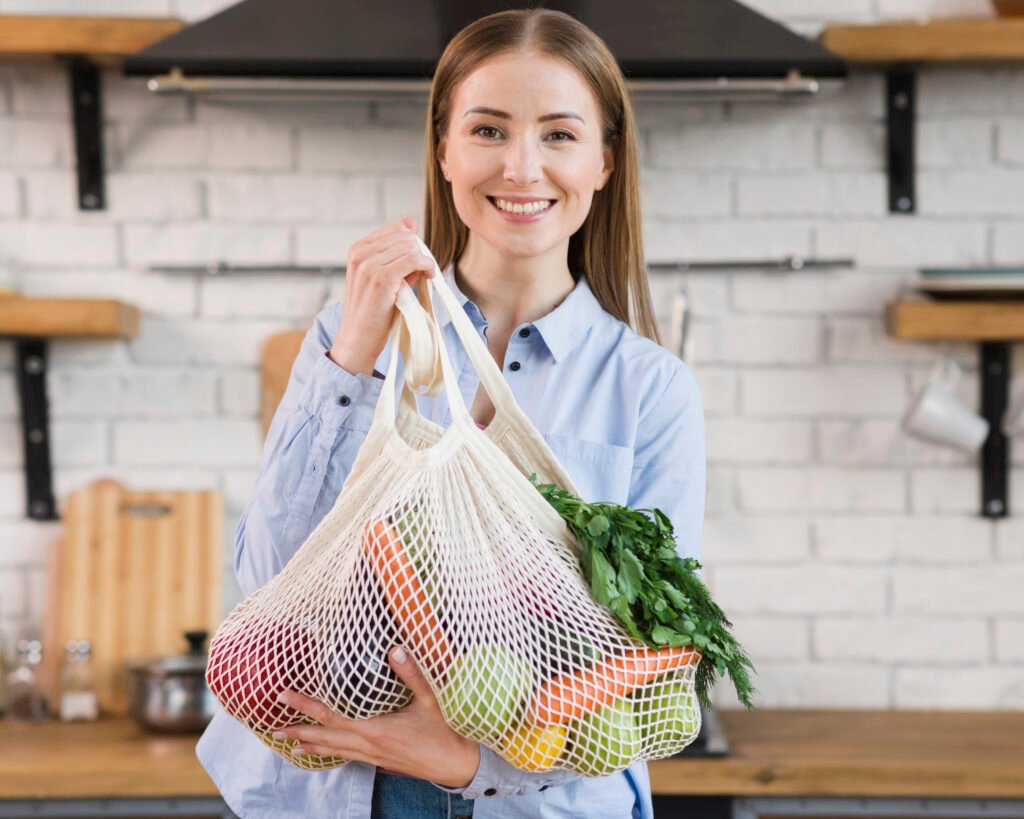
Reusable produce bags or small cloth sacks make shopping easier and keep items organized. Over time, this habit becomes automatic: reach for loose items first, packaged ones only when necessary.
Farmers’ markets and local produce stalls can make this change even easier, but it works in regular supermarkets too.
The biggest shift here is awareness. Once you begin noticing unnecessary packaging, your choices naturally change.
change 7: use a refill system at home
Refilling products instead of replacing them is a powerful way to reduce plastic. Cleaning supplies, detergents, and pantry staples are increasingly available in refill options.
Start small. Choose one product to refill regularly, such as dish soap or laundry detergent. Reuse the same container repeatedly.
The refill mindset encourages long‑term thinking. Instead of constantly buying new containers, you maintain and reuse what you already own.
Over time, this approach simplifies shopping and reduces clutter.
change 8: pack a zero waste kit for daily life
A small “zero waste kit” makes plastic‑free choices easier outside the home. This kit might include a reusable cutlery set, cloth napkin, straw, and small container.
The goal is readiness. Many single‑use items appear when we are unprepared. With a kit, you can handle meals, drinks, and snacks without relying on disposable products.
Keep the kit lightweight and simple. The easier it is to carry, the more often you will use it.
change 9: adopt a mindset of reuse first
The most powerful change is not a product but a mindset. Before throwing something away, ask: can this be reused? Repurposed? Repaired?
Glass jars become storage containers. Old clothes become cleaning cloths. Boxes become organizers. This mindset transforms waste into resources.
Over time, reuse becomes instinctive. You begin seeing potential instead of trash.
bringing it all together
These nine changes are not about perfection. They are about momentum. Each small shift builds confidence and awareness. Together, they create a lifestyle that produces less waste and feels more intentional.
Zero waste living is not about deprivation. It is about choosing long‑lasting solutions over short‑lived convenience. It is about aligning everyday habits with long‑term values.
The beauty of these changes lies in their simplicity. Anyone can start today. Anyone can make progress. And progress, no matter how small, creates real impact.
frequently asked questions
Is zero waste living expensive to start?
Not necessarily. Many zero waste changes save money quickly because they replace disposable items with reusable ones. The goal is to use what you already have first before buying new alternatives.
Do I need to go completely plastic free to make a difference?
No. Every reduction matters. Even replacing a few single‑use items significantly reduces waste over time. Progress is more important than perfection.
What if my family is not interested in zero waste living?
Start with your own habits. Visible, simple changes often inspire others naturally. Focus on convenience and cost savings rather than pressure or perfection.
How long does it take for these habits to feel normal?
Most people find that new habits begin to feel natural within a few weeks. Repetition and convenience are the keys to making changes stick.
Is recycling enough on its own?
Recycling helps, but reducing and reusing have a much larger impact. The most effective waste is the waste that is never created in the first place.
What is the best first step for beginners?
Choose one change that feels easy and start there. Small wins build motivation and make the next step easier.