8 Proven Shopping Plastic-Free Living Tricks to Cut Waste Fast
Plastic is woven into modern shopping in ways most of us barely notice. It wraps our vegetables, lines our coffee cups, seals our deliveries, and cushions our electronics. The result? Overflowing trash bins, cluttered recycling containers, and a lingering sense that we’re contributing to a problem that feels too big to solve.
The good news is that reducing plastic waste doesn’t require a radical lifestyle overhaul. With a few targeted shopping habits, you can dramatically cut down the amount of plastic entering your home—often within weeks. The key is to focus on practical, repeatable tricks that fit into your routine.
This guide walks you through eight proven shopping strategies to live more plastic-free, complete with tables, comparison charts, and practical examples to help you put each idea into action.
Why Shopping Habits Matter Most
Before diving into the tricks, it’s worth understanding why shopping is the most powerful leverage point in plastic-free living.
Most household plastic waste comes from:
- Food packaging
- Toiletries and personal care items
- Cleaning supplies
- Online deliveries
- Takeaway food and beverages
If you change what you bring into your home, you automatically reduce what you have to throw away. Waste prevention beats waste management every time.
Trick 1: Shop With a “Plastic Radar”
The first and most transformative trick is awareness. Most plastic purchases are unconscious.
What Is a Plastic Radar?
A “plastic radar” is the habit of scanning products for:
- Excessive packaging
- Hidden plastic linings
- Multi-layer wrappers
- Single-use components
Instead of asking, “Do I need this?” also ask:
- How much plastic comes with this?
- Is there a version with less or no plastic?
- Can I buy it in bulk or refillable form?
Common Hidden Plastic Items
| Product | Hidden Plastic Component | Better Alternative |
|---|---|---|
| Paper coffee cups | Plastic lining | Reusable mug |
| Tea bags | Plastic mesh or sealant | Loose-leaf tea |
| Canned goods | BPA plastic lining | Glass jars |
| “Paper” receipts | Thermal coating | Digital receipt |
| Spices | Plastic jars | Bulk bins |
Fast Impact
Simply switching awareness on can reduce plastic purchases by 15–25% within the first month.
Trick 2: Master the Art of Reusable Kits
One reusable bag is not enough. A plastic-free shopper builds a small, portable system.
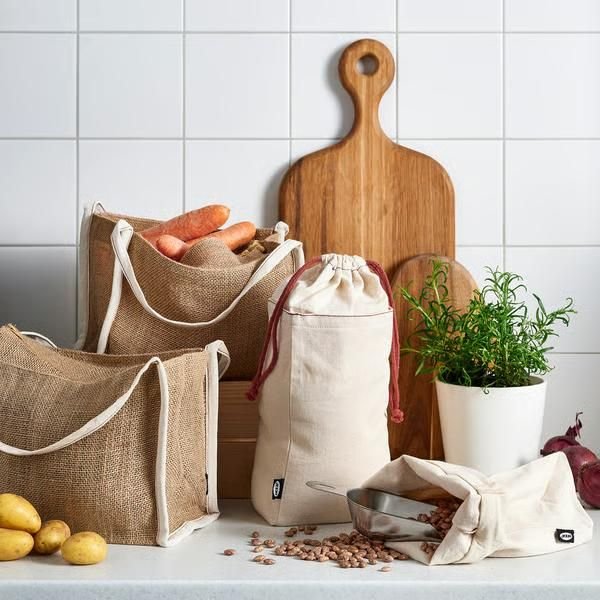
The 5-Item Plastic-Free Kit
| Item | Use Case | Why It Matters |
|---|---|---|
| Cloth grocery bags | General shopping | Replaces dozens of plastic bags monthly |
| Mesh produce bags | Fruits & vegetables | Avoid thin produce bags |
| Reusable containers | Deli, bakery | Skip plastic wrap |
| Stainless steel bottle | Drinks | Eliminates bottled water |
| Travel cutlery set | Takeaway meals | Avoid disposable utensils |
Keep Them Where You Need Them
- In your car
- In your backpack
- By the door
- Folded inside your main purse
Visual Waste Reduction Chart (Estimated per Month)
Plastic Bags Avoided:       ██████████████████ (30)
Water Bottles Avoided:      ██████████ (15)
Produce Bags Avoided:       █████████████ (20)
Takeaway Utensils Avoided:  ████████ (10)
Small items add up fast.
Trick 3: Buy in Bulk — Strategically
Bulk buying is one of the fastest ways to cut packaging waste. But it must be done thoughtfully.
What Works Best in Bulk
| Category | Bulk-Friendly? | Notes |
|---|---|---|
| Rice & grains | Excellent | Long shelf life |
| Beans & lentils | Excellent | Store in glass jars |
| Nuts & seeds | Good | Keep airtight |
| Spices | Excellent | Much cheaper too |
| Snack foods | Moderate | Risk of overeating |
| Fresh produce | Poor | Risk of spoilage |
The Golden Rule
Buy bulk only for items you already use consistently. Waste from spoiled food defeats the purpose.
Plastic Comparison: Single vs Bulk
| Product | Single-Pack Plastic Weight | Bulk Plastic Weight | Savings |
|---|---|---|---|
| 1 kg rice | 20g plastic | 0–5g (if using own jar) | 75–100% |
| 500g almonds | 15g plastic | 0g | 100% |
| 500g pasta | 10g plastic | 0–3g | 70–100% |
Trick 4: Switch to Solid Alternatives
Liquids are often packaged in plastic. Solids are your secret weapon.
High-Impact Solid Swaps
| Liquid Product | Solid Alternative | Plastic Saved |
|---|---|---|
| Shampoo | Shampoo bar | 1 bottle/month |
| Body wash | Soap bar | 1 bottle/month |
| Dish soap | Solid dish block | 1 bottle every 2 months |
| Laundry detergent | Powder in cardboard | Large jug avoided |
| Deodorant | Paper-tube stick | 6 plastic sticks/year |
Why This Works So Well
Solid products:
- Require less packaging
- Last longer
- Often cost less per use
- Reduce shipping emissions
Estimated Annual Plastic Reduction
| Product | Plastic Bottles Avoided Per Year |
|---|---|
| Shampoo | 12 |
| Body wash | 12 |
| Hand soap refills | 6 |
| Cleaning sprays | 10 |
| Total | 40+ bottles |
That’s a visible reduction in your trash bin.
Trick 5: Choose Glass, Metal, and Paper Over Plastic
You don’t have to eliminate packaging overnight. Just upgrade it.
Material Comparison Chart
| Material | Recyclability | Durability | Environmental Impact |
|---|---|---|---|
| Plastic | Low–Moderate | High | Persistent pollution |
| Glass | High | High | Reusable indefinitely |
| Aluminum | Very High | High | Recyclable endlessly |
| Paper | Moderate | Low | Biodegradable (if uncoated) |
Smart Substitutions
- Peanut butter → Glass jar
- Milk → Glass bottle (if available)
- Oil → Metal tin or glass
- Yogurt → Large glass container instead of small plastic cups
Why It Matters
Glass and aluminum can be recycled repeatedly without degrading quality. Plastic usually downcycles.
Trick 6: Plan Meals to Prevent Over-Packaged Convenience Food
Convenience food is plastic-heavy by design.
Frozen meals, snack packs, pre-cut fruit, individually wrapped bars—all multiply packaging waste.
Packaging Density Comparison
| Meal Type | Packaging Pieces | Plastic Weight |
|---|---|---|
| Frozen dinner | 4–6 | High |
| Takeout meal | 3–5 | High |
| Home-cooked bulk meal | 0–1 | Minimal |
| Batch-prepped lunch | 0 | None |
Simple Weekly Strategy
- Plan 3 main dinners.
- Cook double portions.
- Use leftovers for lunches.
- Store in reusable containers.
Waste Reduction Impact
One household replacing:
- 3 frozen dinners/week
can eliminate: - 150+ plastic trays annually.
Trick 7: Rethink Online Shopping
Online shopping is often hidden waste.
Typical Delivery Packaging
- Plastic mailers
- Bubble wrap
- Air pillows
- Tape
- Product packaging inside box
How to Reduce It
| Action | Impact |
|---|---|
| Combine orders | Fewer boxes |
| Choose slower shipping | Consolidated packing |
| Opt out of extra packaging | Less filler |
| Support local stores | No shipping waste |
| Pick up in store | Minimal packaging |
Delivery Waste Comparison
| Scenario | Boxes/Month | Plastic Fillers |
|---|---|---|
| Frequent small orders | 8 | High |
| Combined monthly order | 2 | Moderate |
| Local in-store shopping | 0 | None |
Small behavior change, big material difference.
Trick 8: Embrace the “One In, One Plastic Out” Rule
This mindset keeps waste from creeping back in.
The Rule
For every plastic item you buy:
- Remove one from your life permanently.
Examples:
- Buy yogurt in glass → Stop buying plastic yogurt cups.
- Switch to bar soap → No more body wash bottles.
- Buy refill detergent → Eliminate old plastic jug brand.
Tracking Progress Table
| Month | Plastic Items Bought | Plastic Items Eliminated | Net Change |
|---|---|---|---|
| January | 40 | 10 | +30 |
| February | 28 | 18 | +10 |
| March | 20 | 22 | -2 |
| April | 18 | 25 | -7 |
The goal is eventually to trend negative.
The 30-Day Plastic Reduction Action Plan
| Week | Focus | Expected Results |
|---|---|---|
| Week 1 | Reusable kit | Eliminate grocery bags |
| Week 2 | Solid swaps | Remove 3 bathroom bottles |
| Week 3 | Bulk buying | Cut pantry packaging by 40% |
| Week 4 | Meal planning | Reduce frozen/packaged meals |
By Day 30, most households see:
- 30–50% reduction in visible plastic waste
- Fewer trash bags
- Less clutter
- Lower grocery costs in some categories
What Changes Fast vs What Takes Time
Immediate Wins
- Reusable bags
- Refusing straws
- Switching to bar soap
- Bulk dry goods
Gradual Changes
- Finding refill stores
- Replacing specialty items
- Convincing family members
- Eliminating online shopping habits
Plastic-free living is not perfection. It’s reduction.
The Psychological Shift
The biggest change isn’t the reusable jar. It’s the mindset.
Instead of:
“How do I recycle this?”
You begin asking:
“Why is this wrapped in plastic at all?”
That shift changes everything.
Frequently Asked Questions (FAQs)
1. Is plastic-free shopping more expensive?
Not necessarily. Some items cost more upfront (like reusable containers), but bulk buying and solid alternatives often reduce long-term costs. Many households report grocery savings after reducing convenience foods.
2. What if my local stores don’t offer bulk bins?
Focus on:
- Larger package sizes (less plastic per gram)
- Glass packaging
- Farmer’s markets
- Cooking from scratch
Even without bulk stores, you can significantly reduce waste.
3. Is recycling enough?
Recycling helps, but:
- Not all plastic is recyclable.
- Much of it is downcycled.
- Recycling still consumes energy.
Reducing and reusing have a far bigger impact.
4. How do I avoid plastic when shopping for meat or dairy?
Options include:
- Bringing your own container to the butcher (if permitted).
- Choosing paper-wrapped options.
- Buying from local farms.
- Reducing meat consumption overall.
5. What’s the fastest plastic reduction swap?
Switching from bottled toiletries to solid bars is one of the quickest and most visible waste cuts.
6. Do small changes really matter?
Yes. If one household eliminates:
- 40 plastic bottles per year
and 1 million households do the same, that’s 40 million bottles prevented annually.
Scale begins with individuals.