12 Ultimate Home Plastic-Free Living Ideas for a Cleaner Space
Plastic has quietly become the most common material inside modern homes. It wraps our food, lines our shelves, stores our leftovers, and even hides in our cleaning products. While plastic offers convenience, it also brings clutter, chemical exposure, and long-term environmental impact.
Shifting toward a plastic-free home doesn’t require a radical lifestyle overhaul. It’s about intentional replacements, smarter purchasing, and reducing dependency on disposable materials. The reward? A cleaner living space, improved indoor air quality, and a lighter environmental footprint.
This guide explores 12 ultimate plastic-free living ideas—practical, realistic, and adaptable for everyday households.
Why Go Plastic-Free at Home?
Before diving into solutions, let’s understand why this shift matters.
Health Concerns
Many plastics contain chemicals such as BPA, phthalates, and flame retardants that may leach into food and indoor air.
Environmental Impact
Plastic waste takes hundreds of years to decompose. Microplastics have now been found in water, soil, seafood, and even human blood.
Visual & Mental Clutter
Plastic items are often disposable, brightly colored, and short-lived—contributing to both physical and psychological clutter.
1. Replace Plastic Food Storage with Glass & Stainless Steel
Plastic containers stain, warp, and absorb odors. Glass and stainless steel are durable, non-reactive, and longer lasting.
Best Alternatives
| Feature | Plastic Containers | Glass Containers | Stainless Steel |
|---|---|---|---|
| Durability | Medium | High | Very High |
| Heat Resistance | Low–Medium | High | High |
| Chemical Leaching Risk | Possible | None | None |
| Lifespan | 2–5 years | 10+ years | 20+ years |
| Recyclability | Limited | Excellent | Excellent |
Transition Tip: Start by replacing containers as they break rather than discarding everything at once.
2. Switch to Refillable Cleaning Products
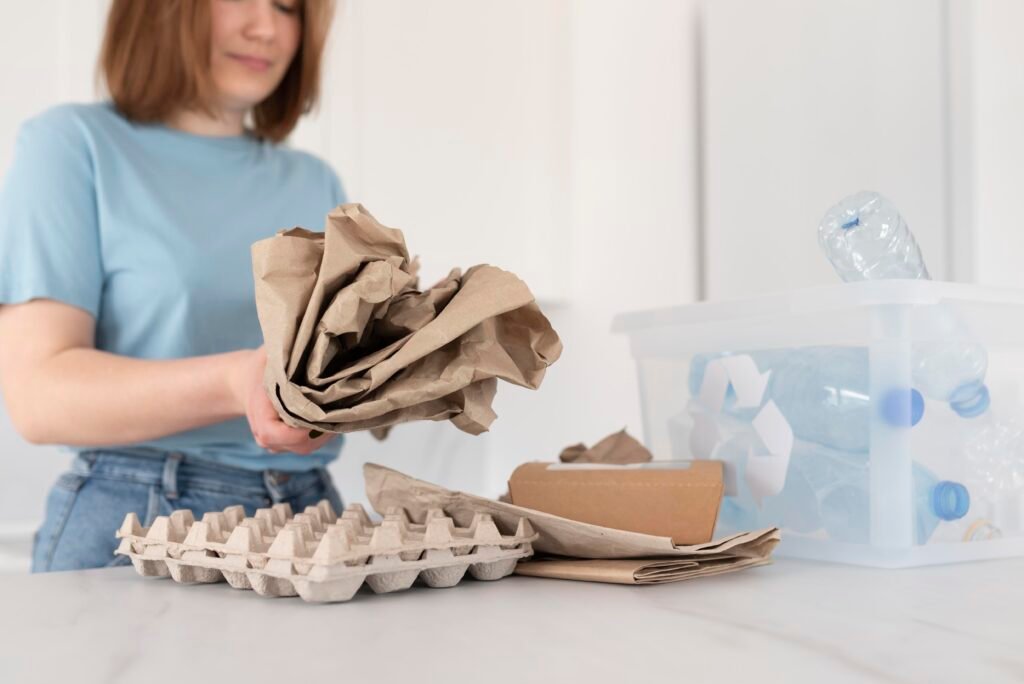
Many household cleaners come in single-use plastic bottles. Concentrated refills or DIY solutions drastically cut plastic waste.
Popular Plastic-Free Cleaning Alternatives
| Cleaning Task | Plastic-Free Solution | Cost Per Month (Approx.) |
|---|---|---|
| Surface Cleaning | Vinegar + Water in Glass Spray Bottle | $3–5 |
| Dishwashing | Bar Dish Soap | $6–8 |
| Laundry | Powder in Cardboard Box | $10–15 |
| Scrubbing | Wooden Brush with Replaceable Head | $8 (initial) |
Not only do refills reduce plastic, but they often reduce chemical load in your home.
3. Eliminate Plastic Wrap & Zip Bags
Plastic wrap is one of the most short-lived items in kitchens.
Sustainable Swaps
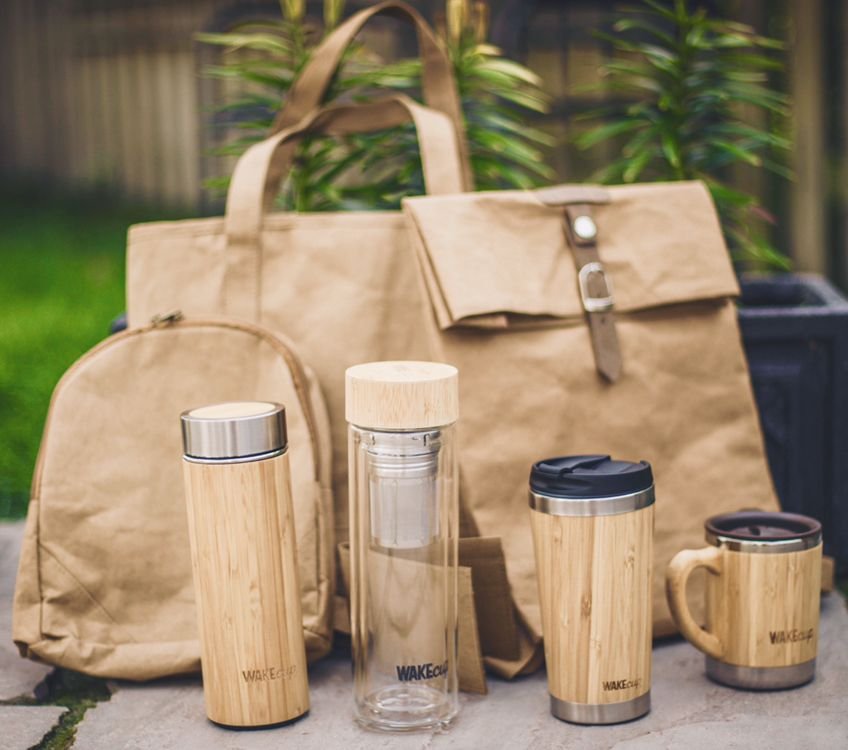
- Beeswax wraps
- Silicone stretch lids (reusable)
- Glass containers
- Cloth bowl covers
- Mason jars
Comparison Chart: Food Wrap Alternatives
| Option | Reusability | Compostable | Average Lifespan |
|---|---|---|---|
| Plastic Wrap | No | No | Single use |
| Beeswax Wrap | Yes | Yes | 1 year |
| Silicone Lids | Yes | No | 5+ years |
| Glass Containers | Yes | No | 10+ years |
4. Upgrade to Plastic-Free Personal Care
Bathroom products are heavy contributors to plastic waste.
Common Swaps
| Plastic Item | Plastic-Free Alternative |
|---|---|
| Shampoo Bottle | Shampoo Bar |
| Body Wash | Bar Soap |
| Toothbrush | Bamboo Toothbrush |
| Disposable Razor | Safety Razor (Metal) |
| Cotton Swabs | Bamboo or Reusable Swabs |
A family of four can reduce up to 150–200 plastic bottles per year by switching to solid personal care products.
5. Choose Natural Fiber Textiles
Synthetic fabrics like polyester shed microplastics during washing.
Plastic-Free Textile Choices
| Synthetic Fabric | Natural Alternative |
|---|---|
| Polyester | Organic Cotton |
| Acrylic | Wool |
| Nylon | Hemp |
| Microfiber | Linen |
Switching bedding and towels to natural fibers improves breathability and reduces indoor microplastic shedding.
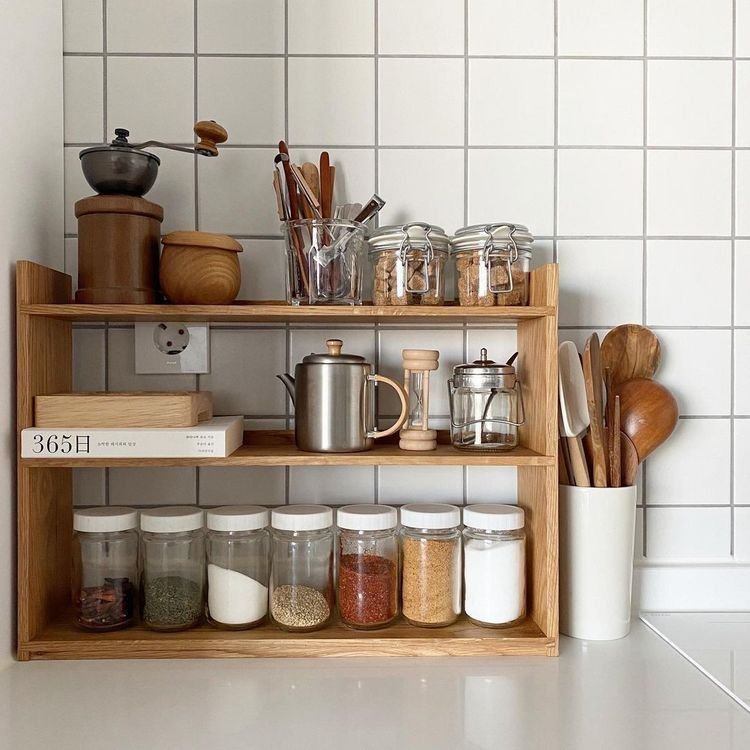
6. Invest in Wooden & Metal Kitchen Tools
Plastic utensils degrade over time and may melt under heat.
Kitchen Tool Comparison
| Tool Type | Plastic Version Lifespan | Wooden/Metal Lifespan |
|---|---|---|
| Spatula | 1–2 years | 5–10 years |
| Cutting Board | 2–4 years | 10+ years (wood) |
| Cooking Spoon | 1–3 years | 5–8 years |
Wooden tools also create a more cohesive, minimalist aesthetic in the kitchen.
7. Shop in Bulk with Reusable Containers
Packaging accounts for much of plastic waste entering homes.
Bulk Shopping Impact Estimate
| Household Size | Estimated Plastic Saved Per Year |
|---|---|
| 1–2 People | 20–30 kg |
| 3–4 People | 35–50 kg |
| 5+ People | 60+ kg |
Bring cloth bags, glass jars, and stainless containers when shopping.
8. Filter Tap Water Instead of Buying Bottled Water
Bottled water generates enormous plastic waste.
Annual Cost & Waste Comparison
| Option | Cost Per Year | Plastic Bottles Used |
|---|---|---|
| Bottled Water | $400–$1,200 | 300–1,000 |
| Home Filter System | $100–$300 | 0 |
Water filters eliminate plastic bottles and reduce transport emissions.
9. Use Compostable or Paper-Based Trash Liners
Traditional trash bags are thick plastic.
Alternatives:
- Paper compost liners
- Reusable washable bin liners
- Composting organic waste to reduce bag usage
Households that compost reduce trash output by up to 40%.
10. Reduce Plastic in Home Décor
Plastic often hides in decorative storage bins, artificial plants, and furniture.
Plastic-Free Décor Ideas
- Woven baskets
- Ceramic planters
- Wooden furniture
- Glass vases
- Real indoor plants
Natural materials enhance air quality and visual warmth.
11. Rethink Laundry Practices
Laundry rooms are major microplastic sources.
Laundry Plastic Reduction Checklist
- Switch to powder detergent in cardboard packaging
- Use wool dryer balls instead of plastic sheets
- Install microfiber filters for washing machines
- Air-dry clothes when possible
Microplastic Shedding Estimate
| Fabric Type | Microplastic Release per Wash |
|---|---|
| Polyester | High |
| Blends | Moderate |
| Cotton | None |
| Wool | None |
12. Adopt a “Buy Once” Minimalist Mindset
The most powerful plastic-free strategy isn’t a product—it’s a mindset.
Before buying, ask:
- Is it necessary?
- Is there a non-plastic version?
- Will it last at least 5 years?
- Can it be repaired?
Longevity Comparison Chart
| Item Category | Cheap Plastic Option | Durable Alternative |
|---|---|---|
| Storage | Plastic Bins | Metal/Wood Crates |
| Furniture | Composite Plastic | Solid Wood |
| Outdoor Chairs | Resin | Aluminum/Wood |
Long-term durability prevents future plastic purchases.
Plastic-Free Home Transition Timeline
You don’t have to change everything overnight.
Suggested 6-Month Transition Plan
| Month | Focus Area |
|---|---|
| Month 1 | Kitchen Storage & Wrap |
| Month 2 | Cleaning Supplies |
| Month 3 | Personal Care |
| Month 4 | Laundry & Textiles |
| Month 5 | Shopping & Bulk Habits |
| Month 6 | Décor & Mindset Shift |
Gradual changes prevent overwhelm and increase long-term success.
Environmental Impact Summary
Estimated Annual Reduction for an Average Family
| Category | Plastic Items Reduced |
|---|---|
| Bottles | 200–500 |
| Food Wrap & Bags | 300–600 |
| Personal Care Containers | 150–250 |
| Packaging Waste | 25–50 kg |
Even partial adoption significantly reduces household waste.
Psychological Benefits of a Plastic-Free Home
- Cleaner visual environment
- Less clutter accumulation
- Fewer impulse purchases
- Stronger connection to sustainable living
- Healthier indoor air
Many families report feeling calmer and more organized after removing excess plastic products.
Frequently Asked Questions (FAQs)
1. Is going plastic-free expensive?
Initially, some durable replacements cost more. However, long-term savings often offset upfront costs because items last longer and reduce repeat purchases.
2. Can I realistically eliminate all plastic from my home?
Completely eliminating plastic is extremely difficult due to packaging and infrastructure. The goal is reduction, not perfection.
3. Are silicone products truly plastic-free?
Silicone is a synthetic material derived from silica. It’s more durable and heat-stable than plastic but not biodegradable. It’s best used as a long-term reusable alternative.
4. What’s the biggest source of plastic in most homes?
Food packaging, bottled beverages, and personal care products typically contribute the most.
5. How do I start if I feel overwhelmed?
Start with one room—usually the kitchen. Replace items as they run out rather than discarding usable products.
6. Does plastic-free living really make a difference?
Yes. Household demand drives manufacturing. When consumers shift purchasing habits, supply chains adapt. Collective reduction significantly lowers plastic production.