6 Easy Ways to Have a More Plastic-Free Life For Busy Families
Time flies when you have a family. With school runs, work deadlines, grocery shopping and bedtimes to enforce, the last thing most parents want is yet another complicated project to oversee. But here’s the thing — it doesn’t have to be difficult to live without plastic. It doesn’t have to be expensive, either.
The typical American family discards some 40 pounds of plastic every month. That’s a lot of waste going to landfills and the ocean. The good news? Small, incremental changes at home can have a big impact — for your family’s health, for your wallet and for the planet.
This guide offers up six easy, practical fixes that work within real family life. No guilt trips. No overwhelming overhauls. Just smart swaps that busy parents can actually stick with.
Plastic-Free Living Matters More Than You Thought
But first, a word or two about why this is worth your time.
Plastic doesn’t simply go away when it ends up in a landfill. It breaks into smaller pieces, which are known as microplastics. They wind up in drinking water, food and soil — but also in human blood. Studies have detected microplastics in breast milk, baby formula and the bodies of children.
This is a real problem, particularly for families.
And it’s not just health — there’s an environmental cost too. Only 9% of all plastic ever produced has been recycled. The remainder is incinerated, buried in landfills or poured into the natural world. There are an estimated 150 million metric tons of plastic in the oceans — and more every year.
The good news is that families are actually in the best position to make a difference. Households are among the largest contributors of plastic waste. By changing habits at home, we set in motion ripples — kids take those habits into adulthood, into schools, and then use that ethos to shape communities or create new ones.
Fix #1 — Replace the Kitchen’s Most Notable Plastic Culprits First
The kitchen is the site of most household plastic waste. It’s also the simplest place to begin.
Single-Use Plastic Bags May Be on Their Way Out
Zip-lock bags, produce bags, sandwich bags — families can burn through hundreds of these in a year. Substituting reusable alternatives is one of the quickest wins you can get.
Better options:
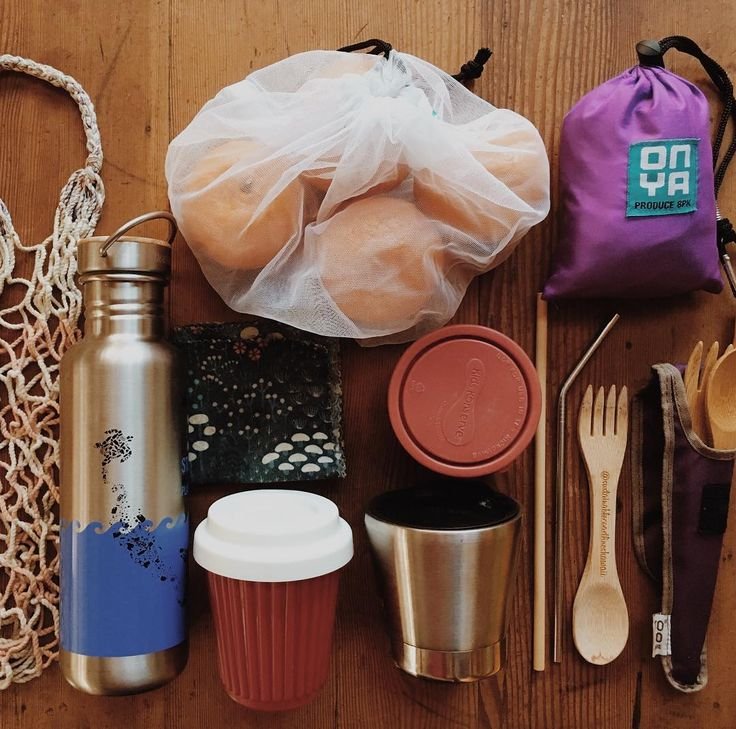
- Silicone zip bags (washable, last for years)
- Beeswax wrap for sandwiches and leftovers
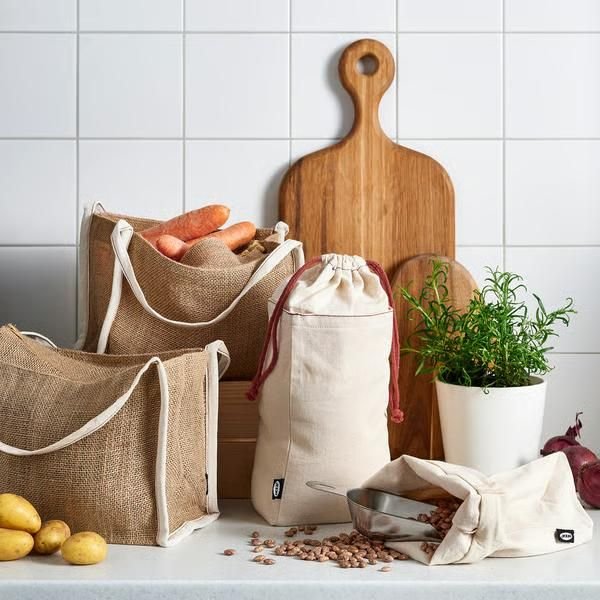
- Cloth produce bags for fruits and vegetables
- Glass or stainless steel containers for snacks
The upfront cost feels high, but a set of silicone bags pays for itself in a matter of months compared with buying disposable ones time and again.
Rethink How You Store Leftovers
Plastic wrap and plastic food containers release chemicals into food — especially when heated. Replacing them with glass containers and silicone lids is a quick fix that’s also healthier for your family.
Mark them with a piece of masking tape and a pen. It takes two seconds and keeps the fridge organized — minus the plastic.
The Plastic Bottle Problem at Home
Families go through a tremendous number of bottled beverages. Spring for a good water filter pitcher or under-sink system, and get everyone in the family their own stainless steel or glass bottle. Slap stickers on them so kids are less likely to argue over whose is whose.
Fix #2 — Rebuild Your Routine for Grocery Shopping
The supermarket is plastic central. Everything is shrink-wrapped, bagged or sealed in plastic. But with a bit of planning, you can cut the plastic in half on your grocery run without spending significantly more time or money.
Bring Your Own Everything
You’d think this is a no-brainer, but most families miss some of the details. It’s no longer just about reusable grocery bags.
| What to Bring | Replaces |
|---|---|
| Cotton tote bags | Plastic grocery bags |
| Mesh produce bags | Thin plastic produce bags |
| Glass jars | Deli counter plastic bags |
| Your own container | Meat counter packaging |
If you ask, many deli counters and butcher shops will be happy to put meat straight into your container. It takes five seconds — and instantly cuts a lot of packaging waste out of your life.
Shop the Bulk Section
Many grocery stores have a bulk section for nuts, grains, pasta, dried fruit and spices. Bring your own jars or bags, fill them up and pay by the pound. You get fresher food, less packaging and often a better price per unit.
This works especially well for staples your family goes through every week — oats, rice, lentils or trail mix.
Buying Local Cuts Plastic Too
Farmers markets and local farm stands tend to be far less packaging-heavy than supermarkets. Produce is loose or in paper bags. Eggs come in cardboard. Bread is commonly wrapped in cloth or paper.
Shopping local once or twice a month is a wonderful habit — and it’s good for your community too.
Fix #3 — Change Your Bathroom Without a Full Rework
The bathroom is the second-largest source of household plastic. Shampoo bottles, conditioner, body wash, toothbrushes, razors — it all adds up quickly when several people share a home.
Start With the Easy Swaps
You don’t need to change everything at once. When products run out, switch them for plastic-free options. This makes the transition feel seamless and affordable.
Simple bathroom swaps:
- Shampoo bars instead of bottled shampoo (one bar lasts as long as 2–3 bottles)
- Bamboo toothbrushes instead of plastic ones
- Toothpaste tablets or toothpaste in glass jars instead of plastic tubes
- Safety razors with replaceable metal blades instead of disposable plastic razors
- Bar soap instead of liquid soap in plastic dispensers
- Solid conditioner bars instead of plastic bottles
What About Kids?
Getting kids on board is the ace in the hole. Let them choose their own bamboo toothbrush. Have them pick out a shampoo bar scent. When children feel they own the change, they won’t oppose it — they’ll advocate for it.
A fun way to make it stick: come up with a “plastic-free bathroom checklist” with your kids and let them check off each swap as it happens. It turns a chore into a game.
Feminine and Personal Care Products
Menstrual cups, reusable cloth pads and period underwear are great alternatives to disposable plastic-wrapped products. They save money in the long run and cut back on a major source of bathroom plastic. These products have come a long way in comfort and quality over the past decade.
Fix #4 — Deal With the Lunchbox Drama Once and for All
One of the biggest sources of daily plastic waste in family homes is the school lunch. Individually wrapped snacks, juice boxes, plastic cutlery, plastic bags — kids produce an astonishing amount of lunchtime garbage.
Build the Perfect Plastic-Free Lunchbox
The right container setup makes plastic-free lunches easy and fast. You want something that keeps food organized, is easy for kids to open and won’t leak.
What works best:
| Item | Best Option |
|---|---|
| Main container | Stainless steel bento box |
| Drink | Stainless steel insulated bottle |
| Snack container | Small glass or stainless tin |
| Utensils | Bamboo cutlery set or metal fork/spoon |
| Napkin | Small cloth napkin |
Stainless steel bento boxes are game-changers. They have dividers, they’re tough enough for kids and they last for years. Brands like LunchBots, PlanetBox and Bentgo make great options.
Prep Smarter, Not Harder
One reason families resort to single-use packaging is convenience. Pre-packaged snacks are easy to grab. Fix this by setting aside a 20-minute snack prep on Sunday afternoons.
Fill small reusable containers with:
- Sliced veggies and hummus
- Cheese cubes
- Crackers from a bulk bin
- Nuts and dried fruit
- Homemade energy balls
These go straight into the fridge. On school mornings, you just grab and pack. Same speed, zero plastic.
Talk to Your Kids About It
Don’t underestimate how much kids care about the environment when given the chance. Explain in simple terms why you’re switching. Most children respond really well to the idea of helping protect animals and oceans.
Some schools even have “waste-free lunch” programs — check if yours does and get involved. According to the EPA’s food waste resources, reducing food and packaging waste at the household level is one of the most impactful environmental actions a family can take.
Fix #5 — Clean Your House Without the Plastic Junk
Cleaning products are among the most plastic-heavy items in any home. Most families buy a separate plastic bottle for each surface — counters, toilets, floors, glass, wood. It’s wasteful and expensive.
Concentrate on Concentrates
Concentrated cleaning supplies are one of the best switches a family can make. You buy one bottle — usually in aluminum or glass — mix it with water at home and refill your existing spray bottles. One bottle of concentrate can replace dozens of single-use bottles.
Brands like Branch Basics, Blueland and EcoMe offer cleaners in concentrated or tablet form that work well and cut plastic use by a wide margin.
Create Your Own Cleaners (It’s Simpler Than You Think)
A handful of simple ingredients handle most household cleaning:
| Cleaner | Ingredients |
|---|---|
| All-purpose spray | Water, white vinegar, a few drops of essential oil |
| Scrubbing paste | Baking soda + dish soap |
| Glass cleaner | Water + rubbing alcohol + white vinegar |
| Disinfectant | Water + hydrogen peroxide |
These cost almost nothing. You can store them in glass spray bottles and refill when necessary. The recipes take about two minutes to make.
Replace Sponges and Scrubbers
Plastic sponges shed microplastics every time you use them. Replace them with:
- Natural loofah scrubbers
- Cotton or linen dish cloths
- Wooden dish brushes with replaceable heads
- Compostable plant-based scrubbers
A wooden dish brush with a replaceable head is especially smart — you only swap the head, not the whole thing.
Fix #6 — Rethink the Way You Manage Trash at Home
This might sound backwards — how does garbage management help with going plastic-free? Because how you manage waste shapes your habits. And most families are going through an enormous volume of plastic trash bags each week.
Cut Back on What Goes in the Bin First
The single best way to use fewer trash bags is to have less trash. This sounds simple but requires some system-building.
Three-bin setup that works:
- Compost bin — food scraps, coffee grounds, paper napkins, fruit peels
- Recycling bin — paper, cardboard, glass, metal
- Landfill bin — actual trash that can’t be composted or recycled
When families sort garbage correctly, the actual amount of trash shrinks dramatically. Families who compost commonly find they only need to empty their landfill bin once a week or less.
Compostable and Reusable Bin Liners
For bins that do require liners, look for certified compostable bags. They’re crafted from plant starches and break down correctly — unlike “biodegradable” plastic bags, which often don’t.
For dry bins like paper recycling, you don’t need a liner at all.
Get the Kids to Help Sort
Make recycling and composting a family job. Assign each child a role. Younger kids can scrape food scraps into the compost bin after dinner. Older kids can flatten cardboard boxes or take the recycling to the curb.
When sorting waste becomes part of the routine, it sticks. Kids who grow up composting become adults who compost.
How These Fixes Compare — A Quick Summary
| Fix | Time to Set Up | Upfront Cost | Long-Term Savings |
|---|---|---|---|
| Kitchen swaps | 1–2 hours | Low–Medium | High |
| Grocery routine | 30 minutes | Very Low | Medium–High |
| Bathroom overhaul | Gradual | Low | High |
| Lunchbox upgrade | 1 hour | Medium | High |
| Cleaning products | 1 hour | Low | High |
| Waste management | 2 hours | Very Low | Medium |
Getting the Whole Family on Board
The hardest part isn’t finding the right products. It’s changing habits — particularly with kids who are used to certain routines.
Here’s what actually works:
Don’t try to do everything at once. Pick one fix per month. By the end of six months, you’ll have overhauled your home’s plastic situation and nobody will feel overwhelmed.
Make it visual. Keep a jar on the kitchen counter where everyone drops a small token every time they avoid a piece of single-use plastic. Watch it fill up. It makes the invisible visible.
Celebrate small wins. Finished the first week of plastic-free lunches? Celebrate. Made it a whole grocery trip without a plastic bag? Notice it out loud. Positive reinforcement builds lasting habits.
Connect it to something kids care about. Ocean animals. Sea turtles. Polar bears. Children are naturally empathetic. When they understand the connection between a plastic bag and a sea turtle with a straw through its nose, they become change agents — not just participants.
For even more tips, product recommendations and family-friendly guides on reducing plastic at home, Plastic Free Living is a fantastic resource to bookmark and explore with your kids.
FAQs About Plastic-Free Living for Busy Families
Q: Is plastic-free living expensive? Not long-term. Many swaps have an upfront cost but ultimately save money. A set of silicone bags, for example, runs about $20 and lasts years — far cheaper than buying disposable bags every few weeks.
Q: What is the single most impactful swap to make first? Most environmental experts cite reusable water bottles and grocery bags as the highest-impact starting points because families use them so frequently.
Q: Can one family really make a difference? Yes. If every family in the U.S. cut their plastic use by just 20%, the influence would be tremendous. And your choices ripple outward — to neighbors, family members and the habits your children carry into their own futures.
Q: What do I do with the plastic I already own? Use it until it wears out, then replace it with a sustainable option. Throwing away usable plastic just to replace it immediately creates more waste, not less.
Q: Are bamboo products actually eco-friendly? Bamboo grows extremely fast without pesticides and is biodegradable. Bamboo toothbrushes, cutlery and brushes are genuinely more sustainable than plastic alternatives, especially when they come with minimal packaging.
Q: How do I handle pushback from my kids? Involve them in the process. Let them pick their reusable bottle or choose a shampoo bar scent. Ownership creates buy-in. Don’t lecture — lead by example and make it fun.
Q: What about plastic used by other people — at parties or restaurants? You can only control what happens inside your own home. Focus there first. Over time, you can gently bring reusable items to picnics and gatherings, and talk to friends and family about your journey — without being preachy about it.
The Bigger Picture
Plastic-free living isn’t about perfection. It’s about progress.
No family is going to become plastic-free overnight — and that’s not the goal. The idea is to make home a place where plastic is the exception, not the default. Where kids grow up knowing there are better options. Where the habits that matter become second nature.
The six fixes in this guide — kitchen swaps, smarter grocery shopping, bathroom changes, better lunchboxes, plastic-free cleaning and smarter waste management — combine to create a truly different kind of household. One that’s healthier, cheaper to run and kinder to the world beyond your front door.
Start with one. Just one. This week. Choose the fix that feels most doable and take a step toward it. A month from now, you’ll be amazed by how natural it feels — and how ready you are for the next one.
Your family won’t just be living differently. You’ll be showing everyone around you that it’s possible too.