5 Powerful Plastic-Free Living Success Stories to Inspire You
Plastic has become so embedded in modern life that living without it can feel impossible. From food packaging and household items to clothing and personal care products, plastic surrounds us daily. Yet, across the world, ordinary people are proving that a plastic-free lifestyle is not only achievable but deeply rewarding. Their journeys show that small, consistent changes can dramatically reduce waste, improve health, save money, and protect the planet.
This in-depth article shares five powerful plastic-free living success stories that will inspire you to rethink your habits. You’ll also find practical lessons, data tables, and actionable strategies you can apply in your own life — whether you want to reduce plastic gradually or aim for a near zero-waste lifestyle.
Why Plastic-Free Living Matters More Than Ever
Before diving into the stories, it’s important to understand why reducing plastic use is urgent.
The Reality of Plastic Pollution
| Plastic Fact | Impact |
|---|---|
| Over 400 million tons of plastic produced yearly | Massive environmental burden |
| Only about 9% recycled globally | Most ends up in landfills or oceans |
| Plastic takes 400–1,000 years to decompose | Long-term pollution |
| Microplastics found in water, food, and air | Potential health risks |
Plastic pollution affects wildlife, ecosystems, and human health. Microplastics have been detected in drinking water, seafood, and even human blood. Reducing plastic use is no longer just an environmental choice — it’s a health decision.
Success Story 1: The Family That Cut Household Plastic by 90%
From Convenience to Conscious Living
A middle-class family of four decided to track their weekly trash. Shocked by how much plastic they produced — nearly 6 large bags per week — they committed to a plastic-free challenge.
Changes They Made
Kitchen Transformation
- Switched from plastic containers to glass and stainless steel
- Bought food in bulk using cloth bags
- Stored leftovers in jars
- Started composting
Shopping Habits
- Carried reusable shopping bags
- Avoided pre-packaged produce
- Chose local markets over supermarkets
Bathroom Swaps
- Bar soap instead of liquid soap
- Shampoo bars instead of plastic bottles
- Bamboo toothbrushes
Results After One Year
| Category | Before | After |
|---|---|---|
| Weekly trash bags | 6 | 1 |
| Plastic bottles/month | 45 | 3 |
| Grocery expenses | High | Reduced by 18% |
| Food waste | Moderate | Minimal |
Lessons Learned
- Tracking waste creates awareness
- Bulk buying saves money
- Children adapt quickly when involved
- Perfection isn’t necessary — progress matters
Success Story 2: The Young Professional Who Went Zero-Waste in a City
Living in a busy city makes plastic-free living challenging, yet one young professional proved it possible.
Starting Small
Instead of attempting drastic changes, she focused on daily essentials:
- Reusable coffee cup
- Steel water bottle
- Cloth napkins
- Refillable pens
Work and Social Life Adjustments
She politely declined single-use plastics at restaurants and brought her own containers for takeout. Friends initially found it unusual, but many later adopted similar habits.
Monthly Plastic Reduction
Plastic Waste Reduction TimelineMonth 1: ██████████████████
Month 3: ██████████
Month 6: █████
Month 12: ██
(Each block represents reduction in plastic waste volume.)
Key Insight
Urban living doesn’t prevent sustainable choices — it simply requires planning.
Success Story 3: The Rural Community That Eliminated Single-Use Plastics
A small rural community collectively decided to reduce plastic pollution affecting their farmland and water sources.
Community Initiatives
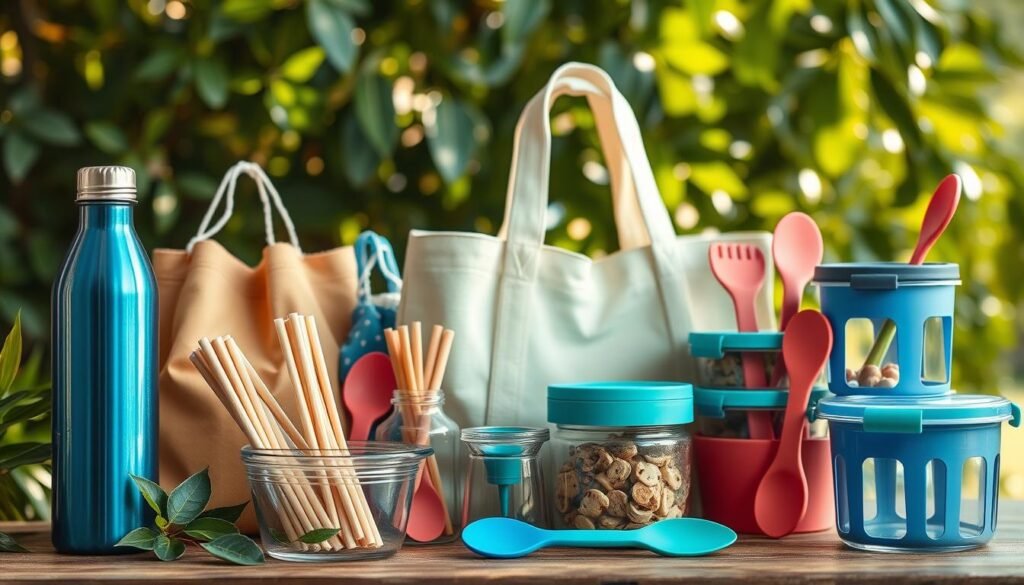
- Banned plastic bags in local shops
- Introduced refill stations
- Organized repair workshops
- Promoted cloth packaging
Environmental Improvements
| Indicator | Before Initiative | After 2 Years |
|---|---|---|
| Plastic litter in fields | High | Low |
| Waterway pollution | Severe | Moderate |
| Wildlife incidents | Frequent | Rare |
| Community participation | Low | Very high |
Social Impact
The project strengthened community bonds and created local jobs producing reusable goods like cloth bags and wooden utensils.
Success Story 4: The Minimalist Couple Who Downsized Their Waste
A couple pursuing minimalism realized plastic reduction aligned perfectly with their values.
Lifestyle Changes
- Sold unused items
- Adopted capsule wardrobes with natural fabrics
- Bought second-hand whenever possible
- Chose durable products over disposable ones
Waste Audit Results
| Waste Type | Reduction |
|---|---|
| Plastic packaging | 85% |
| Household clutter | 70% |
| Monthly spending | Down 22% |
| Cleaning supplies bottles | Nearly eliminated |
Emotional Benefits
They reported feeling less stressed, more organized, and more connected to their consumption habits.
Success Story 5: The Entrepreneur Who Built a Plastic-Free Business
An entrepreneur turned personal frustration into opportunity by launching a zero-waste store.
Business Model
- Package-free groceries
- Bring-your-own-container policy
- Refillable cleaning products
- Plastic-free personal care items
Business Growth
| Year | Customers | Plastic Avoided (kg) |
|---|---|---|
| 1 | 800 | 2,300 |
| 2 | 2,400 | 6,900 |
| 3 | 5,100 | 15,200 |
Broader Impact
The store inspired nearby businesses to reduce plastic packaging and influenced local policy discussions.
Common Strategies Across All Success Stories
Despite different backgrounds, all five stories shared similar principles.
The Plastic-Free Success Formula
| Strategy | Why It Works |
|---|---|
| Start with easy swaps | Builds confidence |
| Track progress | Encourages consistency |
| Focus on reusables | Reduces long-term waste |
| Engage others | Creates support system |
| Accept imperfection | Prevents burnout |
Practical Plastic-Free Swaps You Can Start Today
Kitchen
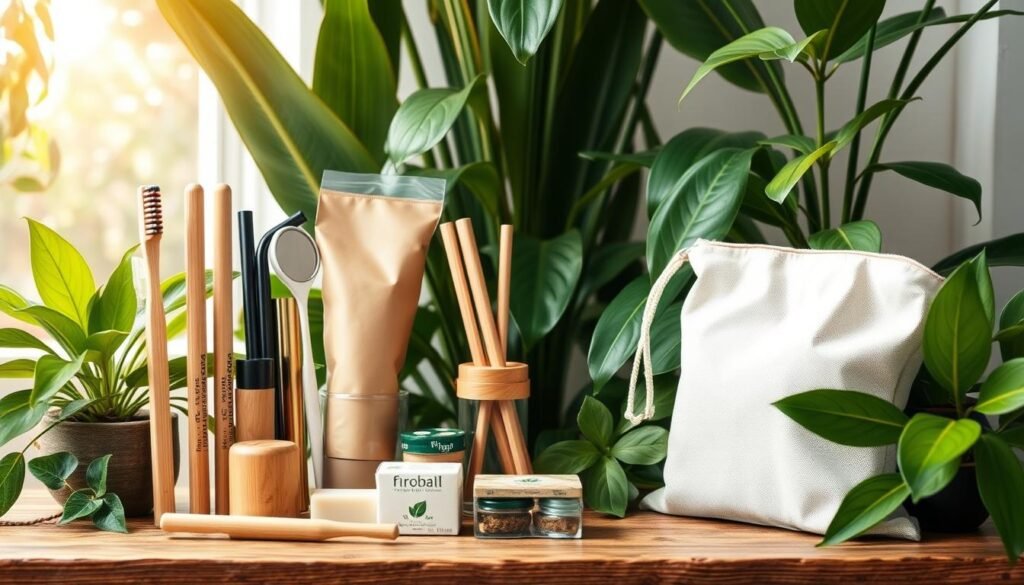
- Glass jars instead of plastic containers
- Beeswax wraps instead of cling film
- Wooden utensils
Bathroom
- Bar soap and shampoo
- Safety razors
- Refillable deodorant
Shopping
- Cloth produce bags
- Reusable containers
- Buy in bulk
On the Go
- Steel water bottle
- Reusable cutlery
- Cloth napkin
Cost Comparison: Disposable vs Reusable
| Item | Disposable Cost (Yearly) | Reusable Cost (One-Time) |
|---|---|---|
| Plastic water bottles | High | Steel bottle (low) |
| Paper towels | High | Cloth towels (low) |
| Plastic bags | Ongoing | Reusable bags |
| Coffee cups | Ongoing | Travel mug |
Reusable products typically pay for themselves within months.
Health Benefits of Reducing Plastic
Research suggests reducing plastic exposure may lower contact with harmful chemicals such as BPA and phthalates.
Potential Health Improvements
- Reduced exposure to toxins
- Safer food storage
- Improved indoor air quality
- Fewer microplastics in diet
Psychological Impact of Plastic-Free Living
People who adopt low-waste lifestyles often report:
- Increased mindfulness
- Greater sense of control
- Stronger connection to nature
- Satisfaction from contributing to environmental protection
How to Start Your Own Plastic-Free Journey
Step-by-Step Plan
- Audit your trash for one week
- Identify top plastic sources
- Replace items gradually
- Set realistic goals
- Celebrate progress
Frequently Asked Questions (FAQs)
1. Is it possible to live completely plastic-free?
Completely eliminating plastic is extremely difficult in modern society, but significant reduction is achievable and impactful.
2. Does plastic-free living cost more?
Initial purchases may cost more, but reusable items save money long term.
3. How do I reduce plastic when shopping?
Buy in bulk, choose unpackaged produce, and bring reusable bags and containers.
4. What is the hardest plastic item to replace?
Food packaging is often the most challenging due to limited alternatives.
5. Can plastic-free living make a real difference?
Yes. Individual actions collectively reduce demand for single-use plastics and influence businesses.
6. How long does it take to see results?
Many people notice significant waste reduction within 1–3 months of consistent changes.
Final Thoughts
These five plastic-free living success stories prove that change is possible regardless of lifestyle, location, or income level. You don’t need to be perfect — you just need to start. Every plastic item you refuse, reuse, or replace is a step toward a cleaner planet and healthier life.
The journey begins with awareness, grows through action, and inspires others along the way.
Your plastic-free story could be the next one that inspires the world.