9 Powerful Plastic-Free Living Ideas for Small Homes
Living in a small home has its perks. Less space to clean. Lower bills. A simpler life.
But it also means clutter adds up quickly — and much of that clutter is plastic. Single-use bags crammed in a drawer. Bottles of plastic on the bathroom shelf. Single-use containers clogging the kitchen.
Here’s the truth: Small homes are ideal for going plastic-free.
You have less area on your surface to cover. Fewer rooms to overhaul. And you can see a visible, meaningful difference every time you make a swap.
Here’s a 9-step convenient guide to it: Powerful plastic-free living ideas for small spaces. These aren’t vague tips. They’re practical, budget-friendly and easier to stick with — even in a studio apartment or tiny house.
Let’s get into it.
How Small Spaces Absolutely Rock For Going Plastic-Free
Before the tips, here’s something worth knowing.
Most plastic-free advice is geared toward people with well-stocked pantries, large bathrooms and ample kitchens. But small-space dwellers have one secret advantage.
In small spaces, everything you bring home counts even more. You think harder before buying. You use things up fully. You store less stuff overall.
That attitude is already halfway toward plastic-free living.
Research indicates that the average American produces around 4.9 pounds of garbage every day. A large portion of that is single-use plastic — bottles, bags, packaging and wraps. Substituting just a few of these products can reduce your household waste by a lot.
And in a small home? It feels bigger because you see it happening right away.
Idea #1: Ditch Your Kitchen Plastic Wrap for Beeswax Wraps
The kitchen is the site of most plastic waste.
Cling wrap, zip-lock bags, plastic produce bags — they accumulate quickly. The good news is that the kitchen is also probably the easiest place to begin making changes.
Why Beeswax Wraps Are So Great
Beeswax wraps are fabric pieces treated with beeswax, tree resin and jojoba oil. They can hold onto a bowl, cling around half a piece of cheese or cover an opened piece of fruit much like plastic wrap does.
They are washable, compostable and can last for up to a year with care.
For a small kitchen, they’re the best thing because they fold flat and store in just one drawer. No bulky boxes. No messy plastic cling.
Other Kitchen Swaps You Should Make While You’re At It
As you reimagine the kitchen, here are some quick wins:
| Plastic Item | Plastic-Free Swap | Approx. Cost |
|---|---|---|
| Plastic cling wrap | Beeswax wraps | $12–$18 for a pack |
| Zip-lock bags | Silicone reusable bags | $10–$20 for a set |
| Plastic produce bags | Cotton mesh produce bags | $8–$15 for a set |
| Plastic food containers | Glass or stainless containers | $15–$40 |
| Plastic dish sponge | Loofah or natural fiber sponge | $5–$10 |
Begin with the things that you use most often. You don’t have to buy everything at once.
Idea #2: Design a Zero-Waste Bathroom Shelf (Even If It’s Little)
Small bathrooms mostly have one shelf. Maybe two.
But what’s on those shelves? Plastic shampoo bottles. Plastic toothbrush holders. Face wash in plastic pumps. Body lotion in plastic tubs.
The bathroom is one of the most plastic-laden rooms in any home — and also one of the easiest places to make a change.
Solid Bars Are Your Best Friend
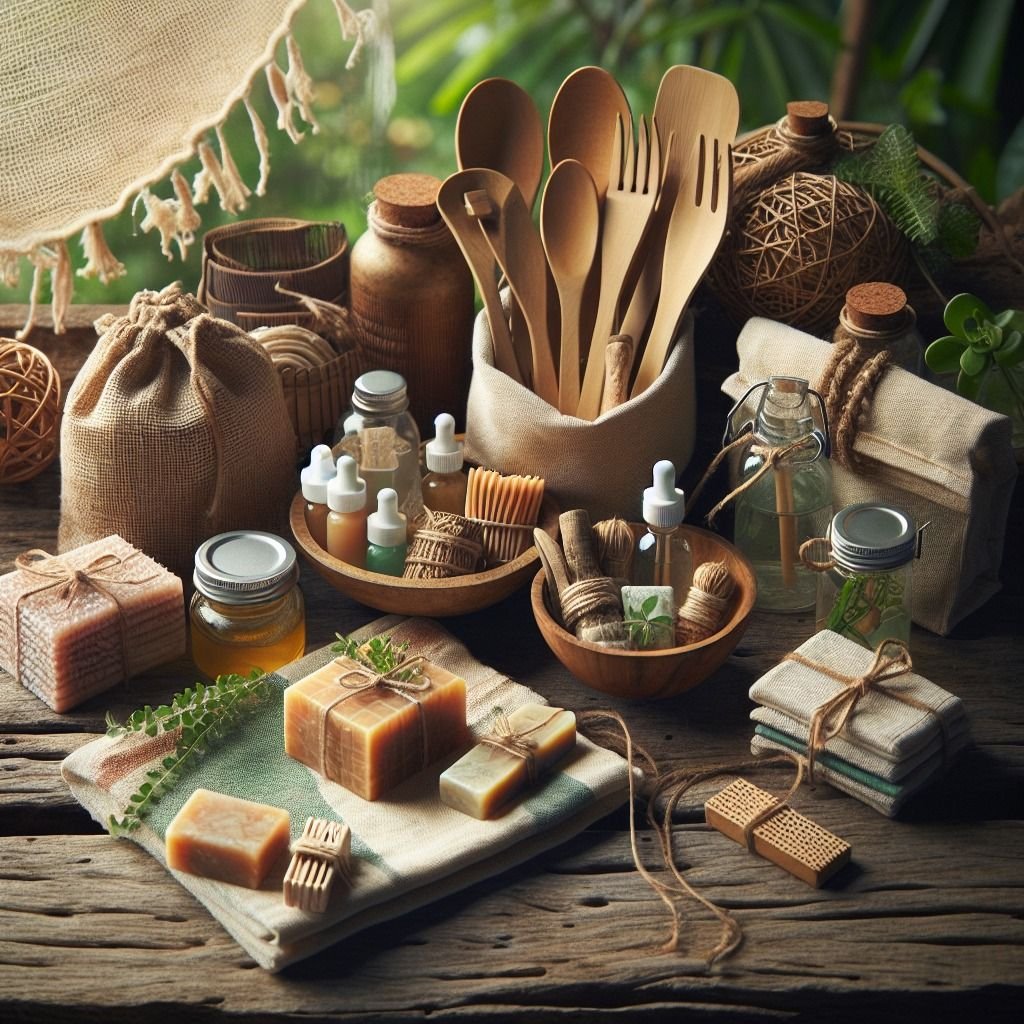
Both shampoo and conditioner (and soap) are now available in bar form, eliminating the need for multiple plastic bottles. One shampoo bar can replace two to three plastic bottles throughout its life.
They are small, which makes them great for travel and perfect for little bathrooms where shelf space is at a premium.
A No-Nonsense, Plastic-Free Beginner’s Guide to Your Bathroom
This is what a close to zero-waste, plastic-free bathroom shelf might look like:
- 1 shampoo bar — replaces liquid shampoo in a plastic bottle
- One conditioner bar — one less plastic bottle of conditioner
- Bamboo toothbrush — replaces plastic toothbrushes
- Toothpaste tablets or glass-jar toothpaste — replaces plastic tubes
- A bar of natural soap — swaps in for liquid body wash in plastic pump containers
- A safety razor — instead of single-use plastic ones
That’s six swaps. Six fewer plastics on your shelf. And because bars are smaller than bottles, your bathroom actually doesn’t feel as cluttered.
Idea #3: Change How You Approach Grocery Shopping
The majority of your plastic comes into your home via grocery bags and packaging for food.
If you can alter your shopping habits at all, you cut off plastic at the source — before it ever makes its way into that small home of yours.
The Reusable Bag System That Works For Real
The simple reason most people don’t succeed at bringing reusable bags is because they forget to bring them.
The fix? Keep them on your door, in the car or in your bag at all times. Fold-up bags are particularly great for tight living situations, since they compress into a small pouch that can easily be kept in a pocket.
Shop Bulk When You Can
Bulk food stores let you bring your own containers. You can fill up on grains, nuts, pasta or spices without any plastic packaging at all.
For small homes in particular, bulk buying the right amounts can also mean less storage pressure. You purchase what you need, not what comes in an oversized bag.
Farmers Markets Are a Diamond in the Rough
Locally sold produce is generally not wrapped in plastic. You’re buying seasonal, local food and you are by default eschewing superfluous packaging.
If there is a farmers market nearby, even going once or twice a month can make a real dent in your plastic usage.
Idea #4: Switch To Reusable Cleaning Supplies
Plastic waste gets produced in large volumes by cleaning products.
Spray bottles. Plastic mop heads. Disposable wipes. Scrub pads. The list goes on.
And here’s the part that surprises most people: You do not need a separate cleaner for every surface. In fact, two or three simple ingredients are probably all you’ll need to clean most surfaces.
The Two-Ingredient Way to Clean a Small Home
White vinegar + water handles most kitchen and bathroom surfaces. If you want it to smell better, toss in a couple of drops of essential oil.
Baking soda works as a gentle scrub for sinks, tubs and stovetops without scratching.
These two basics take care of 80% of your cleaning. Buy them in bulk, transfer them into glass jars or repurpose containers, and suddenly most of the plastic waste from your cleaning products will have vanished.
Concentrated Cleaning Tablets
If you’d rather have something premade, search for cleaning tablets. They’re small, with minimal packaging — sometimes just compostable paper. You put one in water, and presto — you have a full bottle of cleaner.
Dozens of those plastic spray bottles are now replaced by one small box of tablets.
And on the storage front, this is a game-changer for small homes as well. A pocket-size box of tablets requires virtually no space compared to a cabinet full of bottles.
Idea #5: Throw Out the Plastic Storage in Favor of Smarter Options
Small homes need good storage. But most storage options are made of — you guessed it — plastic.
Plastic bins, plastic drawer organizers, plastic baskets. They do the job, but they add to your plastic footprint and have a tendency to wear out more quickly than sturdier options.
What to Use Instead
Glass jars are one of the most adaptable storage solutions in a plastic-free home. Mason jars and empty pasta sauce jars can be used to store dry goods, leftover food, beauty products and all the way down to office supplies. They’re stackable, look clean and last for decades.
Wicker and rattan baskets are great for keeping shelves, closets and bathroom toiletries in order. They’re biodegradable, resilient and visually add warmth to small spaces.
Wooden drawer organizers are sturdier than plastic and do not release microplastics over time.
Cotton or linen pouches stand in for plastic zip bags to hold small items like hair clips, cables or first aid supplies.
A Quick Comparison
| Storage Type | Lifespan | End of Life | Best For |
|---|---|---|---|
| Plastic bins | 5–10 years | Landfill | — |
| Glass jars | 20+ years | Recyclable | Pantry, bathroom |
| Wicker baskets | 10–15 years | Compostable | Shelves, closets |
| Wooden organizers | 15–20 years | Compostable | Drawers, desks |
| Cotton pouches | 5–10 years | Compostable | Small items, travel |
Idea #6: Transition to Package-Free Personal Care Products
Bathroom shelf basics aside, there’s an entire world of personal care products that are packaged in plastic.
Deodorant. Lotion. Lip balm. Cotton rounds. Face masks. Feminine hygiene products.
Each one of these has a plastic-free alternative — and most function equally well, or better.
Personal Care Swaps Worth Making
Deodorant: Opt for deodorant in a cardboard push-up tube or glass jar. A number of natural brands now offer these formats, and they perform great for everyday use.
Lotion: A glass jar of body butter replaces plastic lotion bottles. You can also make a DIY version at home with just coconut oil and shea butter.
Cotton rounds: Reusable cotton rounds can replace single-use cotton balls and rounds, made from organic fabric. A 20-pack can endure years of washing and reusing.
Feminine hygiene: There are so many options out there now for menstrual cups, reusable period underwear and organic cotton pads in compostable packaging. A menstrual cup by itself can do the work of thousands of disposable products for the rest of its life.
Lip balm: Plastic lip balm cases are replaced with small tins or cardboard tubes. These are options from many indie brands.
With fewer items you own, there’s less clutter stacked on those shelves in your small home. Plastic-free personal care naturally steers you toward a more minimal, mindful routine. For more ideas on transitioning every corner of your life away from plastic, visit Plastic Free Living — a helpful resource packed with practical guides and product recommendations.
Idea #7: Ban Single-Use Plastic from Your Daily Drink Habits
Consider your drinks throughout the day.
Coffee in a disposable cup. Water in a plastic bottle. Tea bags sealed with plastic. Juice in a plastic carton.
It’s easy to forget that drinks create a surprising amount of plastic waste — but it’s also one of the areas where a few habits can have an oversized payoff.
The Daily Drink Habit Overhaul
A reusable water bottle is the single greatest plastic-free swap most of us can make. The average person goes through 156 plastic water bottles a year. One stainless steel or glass bottle gets rid of them all.
A reusable coffee cup eliminates about 500 disposable cups per year for daily coffee drinkers. Many cafes will even give you a small discount if you bring your own.
Loose-leaf tea often eliminates not only the plastic bags but also the plastic mesh that many tea bags contain. Opt instead for a stainless steel infuser.
A reusable straw — a silicone, metal or bamboo one — eliminates hundreds of plastic straws each year if you’re a regular straw user.
What This Looks Like in Practice
| Daily Habit | Plastic Created Per Year | Plastic-Free Swap |
|---|---|---|
| Plastic water bottles | ~156 bottles | 1 reusable bottle |
| Disposable coffee cups | ~365 cups | 1 reusable cup |
| Plastic tea bags | ~730 bags | Loose leaf + infuser |
| Plastic straws | ~200 straws | 1 reusable straw |
Idea #8: Create a Basic Home Composting System
Composting might not obviously have much to do with living plastic-free, but it’s connected in a crucial way.
In small homes, much of the plastic is devoted to managing food waste — plastic trash bags, containers for scraps and plastic bin liners. Composting means less food waste going into your trash, so less need for bin liners and smaller piles of garbage.
Composting Is Easier Than You Think
You don’t need a yard. You don’t need a big bin.
A countertop compost bin with a snug lid keeps scraps corralled until you make it to a drop-off site or outdoor bin. Try to find ones that are stainless steel or ceramic rather than plastic.
Worm composting (vermicomposting) can happen in a small bin kept under the sink or in a closet. Worms turn food scraps into valuable compost. It’s low-odor when managed correctly.
Many cities have community composting programs. Weekly, you deliver your scraps and completely bypass the at-home system.
Even if you only compost fruit and veggie scraps, you’ll be surprised how much less your trash bin fills up. Less trash leads to fewer plastic bags. According to the U.S. Environmental Protection Agency, composting at home is one of the most impactful steps individuals can take to reduce waste.
Idea #9: Shop Secondhand and Reject Excessive Packaging
The single most potent plastic-free habit doesn’t involve a product swap. It’s a mindset shift.
Best of all is to not bring plastic in, rather than managing it after the fact.
Buy Secondhand First
Secondhand shopping pretty much does away with packaging altogether. No plastic wrap. No molded plastic inserts. No plastic bags at checkout.
Thrift stores, online resale markets and local buy-nothing groups make great places for outfitting and stocking a small home without creating new plastic waste.
This is true for clothing, furniture, kitchen tools, books, electronics and everything else.
Ask Before You Accept
When you do buy new, inquire. Is it available in plastic-free packaging? Can I purchase this in store to prevent waste from shipping? Is there a less-packaged version?
Most stores and online sellers won’t give you that info — but if you ask, you’ll often find options available.
The 24-Hour Rule
Wait 24 hours before purchasing anything. This simple habit helps in avoiding impulse buys. Fewer purchases translate to less packaging, less plastic and less clutter in your small home.
It also saves money — and you can use that cash on the good plastic-free swaps that actually endure.
Starting Without Getting Overwhelmed
Here’s the honest truth: you simply don’t have to do all nine of these things at one time.
Attempting to completely overhaul everything overnight results in burnout. You load up with a bunch of new stuff, feel good about it for a week and then revert to your old ways.
A better way to address it is by dedicating one room or one habit at a time.
- Month 1: Kitchen swaps (beeswax wraps, reusable bags, glass containers)
- Month 2: Bathroom swaps (shampoo bars, bamboo toothbrush, safety razor)
- Month 3: Cleaning supplies (DIY cleaners, concentrated tablets)
- Month 4: Drinks routine (reusable bottle, coffee cup, loose-leaf tea)
- Month 5: Personal care (deodorant, cotton rounds, feminine hygiene)
- Month 6: Shopping habits and buying secondhand
By the end of six months, you will have developed lasting habits across every area of your home — without the stress of trying to do it all at once.
FAQs About Plastic-Free Living in Small Homes
Is plastic-free living more expensive? Some swaps are more expensive upfront but save money over the long term. A reusable water bottle may run $20–$40, but it saves you hundreds of dollars in bottled water a year. The majority of plastic-free swaps pay for themselves within months.
What if I rent and am unable to make big changes? You don’t have to fix anything up. Almost all of the swaps here are product-level ones that don’t involve any permanent changes to your home. Renters can go plastic-free just as easily as homeowners.
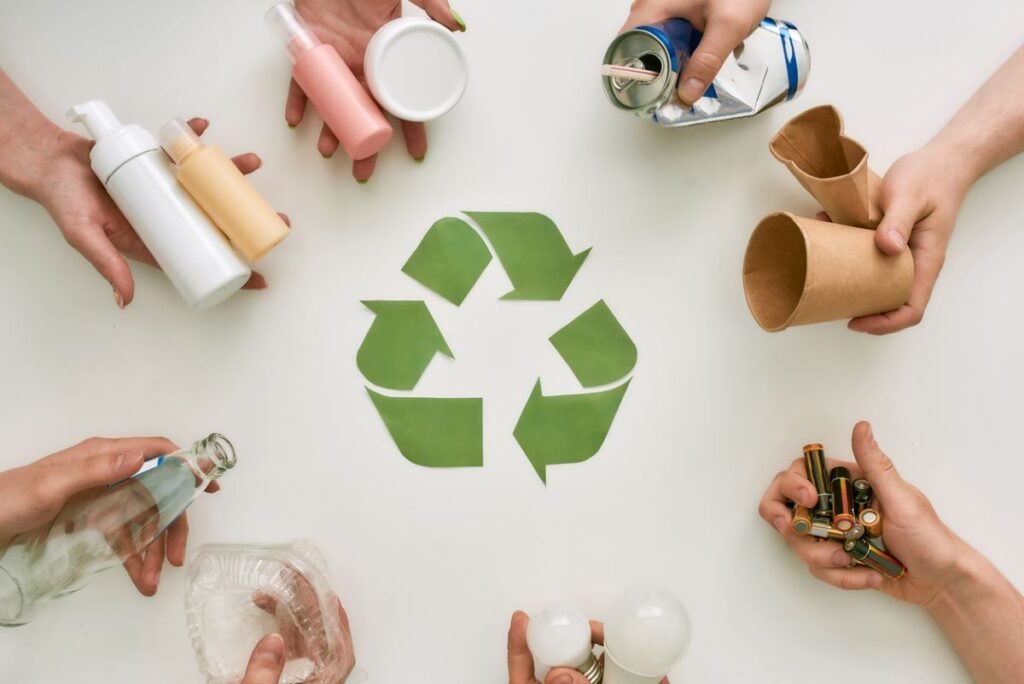
What do I do about plastic when I can’t avoid it? Focus on progress, not perfection. When you do end up with plastic, try to reuse it as many times as possible before recycling. Certain plastic — such as black plastic food trays — can’t be recycled at all, so it’s useful to know what you can and can’t recycle in your area.
What about people with allergies or sensitivities who want plastic-free options? Yes. Lots of plastic-free personal care essentials also feature minimal, natural ingredients that can be gentler on sensitive skin. Always check labels. If beeswax wraps don’t suit you for allergy reasons, there are silicone versions available.
How can I get family members or roommates on board? Begin with changes that don’t ask anything of them. Swap your own products first. People naturally become curious and interested when they see that the changes work — less clutter, less waste, sometimes lower costs.
Does it make a difference living plastic-free if companies are the worst polluters? The plastic crisis can’t be solved by individual action alone. But it does matter in two respects: it lessens demand and influences producers, and it deepens habits and community norms that help drive wider system change. Voting, advocating and supporting policies to reduce plastic matters as well.
The Bottom Line
Plastic-free living ideas for small homes aren’t about sacrificing things. They’re about swapping smarter.
Each reusable bag, each glass jar, each shampoo bar is a small act that adds up. And in a small home, those small acts are on display every single day. You see the cleaner shelf. You notice the trash bag is much lighter. You see the money still in your wallet.
You don’t have to live in a big house to reduce plastic. You only need a willingness to begin — with one swap, one habit, one month at a time.