4 Simple Plastic-Free Living Habits That Have Changed My Life
I was once the person who would grab a plastic bag, no thought given. Plastic water bottle? Sure. Cling wrap on leftovers? Of course. Single-use coffee cup every morning? Absolutely.
One day, I saw a brief video of a sea turtle ensnared in plastic waste. Something in me shifted. No one wants to be part of such a problem anymore.
But here’s what I want you to understand: Going plastic-free does not have to involve turning your life on its head. It doesn’t mean you have to spend a fortune on bamboo everything, or become a zero-waste influencer. What that really involves is a few smart, easy shifts — one habit at a time.
Here are the 4 plastic-free living habits that transformed my day-to-day. They’re simple to begin, cheap to keep, and they stick in reality.
Why Plastic-Free Living Is More Important Than Ever
But before we get into the habits, let’s discuss why this is even meaningful.
The world churns out more than 400 million tons of plastic a year. A massive percentage of that material winds up in oceans, landfills, and ecosystems where it takes centuries to decompose. Even then, it never fully goes away — it turns into microplastics, minuscule particles that find their way into drinking water, food, and even human blood.
Here’s a snapshot of how long common plastic items last:
| Plastic Item | Time to Break Down |
|---|---|
| Plastic bag | 10–20 years |
| Plastic straw | Up to 200 years |
| Plastic bottle | Up to 450 years |
| Styrofoam cup | More than 500 years |
| Fishing line | Around 600 years |
That five-minute plastic straw you used? It’ll outlive your great-great-grandchildren.
The good news? Individual action matters. The ripple effect is huge when millions of people make small changes. And it begins with habits — the small everyday decisions you make that require no thought.
Habit #1 — I Ditched Single-Use Bags for Reusable Ones (And Never Looked Back)
This was the first thing I did, and quite honestly, it seemed a little too easy.
I purchased three cotton tote bags and began storing one in my backpack, another next to the front door, and yet another in my car. That was it. That was the whole habit.
The First Week Was Awkward
I left the bags behind a couple of times. I walked to my car to retrieve one. I felt kind of silly holding up the checkout line.
But by the second week, it was reflexive. I can honestly no longer remember when I last accepted a plastic shopping bag.
The Numbers Behind the Habit
On average, every person uses about 500 plastic bags a year. Most of those bags are thrown away after about 12 minutes of use. One reusable bag can replace more than 700 disposable bags over its lifetime.
That’s not a small deal. That’s a real, measurable difference.
Expanding Beyond Shopping Bags
Once I was comfortable with totes, I began noticing other bag habits I could alter.
I switched to reusable produce bags — the lightweight mesh ones — instead of the thin plastic bags in the produce section. I started carrying a small reusable bag for impromptu shopping. I’d even find myself saying, “No bag needed, thanks,” for one or two items.
Small shifts. Big cumulative impact.
Tips to Make This Habit Stick
The number one reason people fail at this one is forgetting the bags at home. Here’s what actually works:
Position bags near your keys or shoes — anywhere you physically have to walk past on the way out. Fold them up small enough to fit in a jacket pocket or purse. When you’re done unpacking groceries, put the bags right next to your door. Never leave them in the kitchen.
Friction kills good habits. Take away the friction, and the habit takes care of itself.
Habit #2 — I Started Carrying a Reusable Water Bottle (And It Changed More Than I Expected)
This was the one I didn’t expect — not because it is difficult, but because of all the other little changes that came with it.
I went with a basic stainless steel water bottle. Nothing fancy. It cost around $20. That was more than two years ago, and I still use it every single day.
What I Stopped Buying
Prior to this habit, I was purchasing plastic water bottles pretty regularly — at the gas station, at the gym, at events. Honestly, I didn’t consider it a big deal. But when I did the math, I was spending almost $400 a year on bottled water.
That was money I was actually throwing in the garbage. Along with the plastic.
The Eco-Impact of Bottled Water
Here is something so many people don’t understand: to create 1 liter of bottled water, it takes about 3 liters of water. The production process, the plastic manufacturing, the transportation — it all adds up to a surprisingly heavy environmental footprint for something that you drink in five minutes.
In the US alone, about 50 billion plastic water bottles are consumed each year. Only about 23% get recycled. The rest ends up in landfills or the environment.
Beyond the Bottle — Filtering Tap Water
One source of concern among people is the quality of tap water. That’s fair. In some places, tap water isn’t great.
For me, the answer was an inexpensive countertop water filter. It cost about $30 and the filters last a few months. The water tastes clean, and I haven’t purchased a plastic bottle since.
If you’re concerned about tap water quality in your area, you can check your local water quality report through the EPA — most municipalities make these reports available online at no cost.
The Hidden Bonus No One Talks About
Having a water bottle nearby made me drink more water throughout the day. I wasn’t holding out until I reached a store or vending machine. Water was always right there. My energy levels improved. My skin got clearer.
It’s one of those habits that pays you back in ways you didn’t even ask for.
Habit #3 — I Reimagined My Kitchen (The Number One Place Where Plastic Sneaks In)
The kitchen is where plastic-free living becomes real. It also happens to be where most people give up — it just feels so overwhelming.
I wasn’t making over my entire kitchen overnight. I made incremental changes, replacing things one at a time as old products ran out.
Ditching Cling Wrap
Cling wrap was one of the first things I swapped out. I turned to beeswax wraps — pliable sheets made of cotton coated with beeswax that adhere to bowls and food naturally.
They will hold up for a year or more with proper care. They’re washable, compostable, and they perform better than I expected for most uses.
For those who want a vegan option, there are plant-based wraps made with candelilla wax that work the same way.
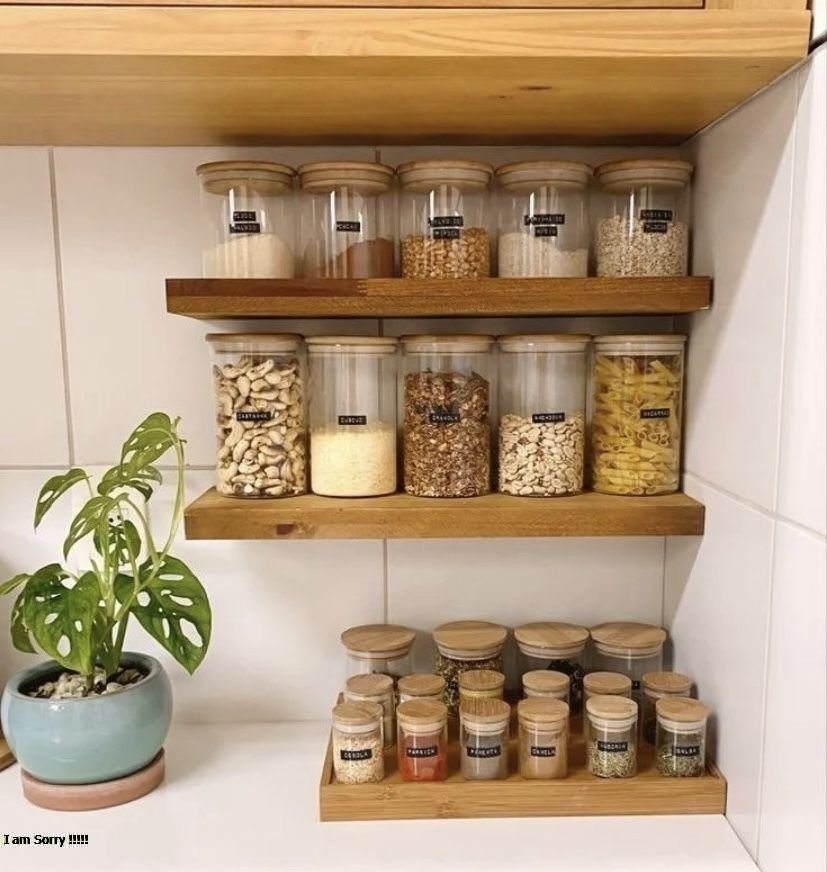
Glass and Stainless Containers Over Plastic Ones
I used to have an entire cabinet of mismatched plastic containers. Some were stained. Some smelled like whatever I had stored in them three months ago. Most had lost their lids.
I gradually replaced them with glass containers. Glass doesn’t absorb odors or stains. It’s microwave-safe, oven-safe, and dishwasher-safe. It doesn’t leach chemicals into food. And it lasts basically forever.
Yes, glass is heavier. Yes, it can break. But for home use, the trade-offs are totally worth it.
Switching Up Food Storage Habits
Here is how common food storage solutions stack up:
| Storage Method | Lifespan | Plastic-Free? | Best For |
|---|---|---|---|
| Plastic containers | 1–5 years | No | General use |
| Glass containers | 10–20+ years | Yes | All food storage |
| Beeswax wraps | 6–12 months | Yes | Covering bowls, wrapping produce |
| Silicone bags | 3–5 years | Partially | Snacks, freezer storage |
| Cloth bags | Years | Yes | Dry goods, bread |
The Grocery Shopping Side of the Kitchen Habit
Cutting back on kitchen plastic also means rethinking how you shop for food.
When you can, purchase in bulk to minimize packaging. Even better: bring your own containers to bulk stores — many allow this now. Choosing products in glass or cardboard packaging over plastic really adds up over time.
Farmers markets are also excellent. Several vendors have little to no plastic packaging. You get fresher food and less waste — a genuinely good deal on both ends.
A Note on Plastic in Disguise
Some food packaging may appear paper-based but includes a thin plastic lining — think coffee cups, juice cartons, and some takeout containers. These are difficult to recycle and often wind up in landfills regardless.
Once you begin seeing this, you can’t unsee it. But that awareness is actually a good thing. It helps you make more intentional choices without feeling overwhelmed.
If you’re looking for more practical guidance on navigating everyday swaps, Plastic Free Living is a great resource packed with tips, product recommendations, and real-life strategies to help you cut plastic one step at a time.
Habit #4 — I Built a Simple On-the-Go Plastic-Free Kit
This habit brought it all into focus for me.
The concept is simple: carry a small collection of reusable items with you so you’re never forced to accept plastic when you’re out and about.
What’s in My Kit
My on-the-go kit lives in a small fabric pouch inside my bag. Here’s what’s in it:
A metal or bamboo straw. I use mine perhaps three or four times a week, but when I need it, I’m grateful it’s there. Plastic straws are among the most common single-use plastics found in ocean cleanups.
A bamboo or metal cutlery set. This one has saved me more times than I can count. Airport food courts, fast food, street vendors — all situations where plastic forks appear out of nowhere.
A small cloth napkin. It replaces paper napkins and feels much better to use.
My reusable coffee cup. This one gets used nearly daily. Most cafes will willingly fill your own cup, and some will even give a small discount for doing so.
A foldable tote bag. For unexpected shopping or carrying things I pick up during the day.
The “Awkward” Factor
I’ll admit: the first time I pulled out my own cutlery at a restaurant, I felt self-conscious.
Within about 30 seconds, I no longer cared. Nobody was looking. And those who did notice were either curious or quietly impressed.
The awkwardness fades fast. The habit stays.
The Real Cost of This Kit
Let’s put the investment in perspective:
| Item | One-Time Cost | Annual Plastic Saved |
|---|---|---|
| Reusable water bottle | $15–$30 | ~156 plastic bottles |
| Reusable coffee cup | $10–$25 | ~365 paper/plastic cups |
| Bamboo cutlery set | $8–$15 | 200+ plastic utensils |
| Reusable straw | $3–$8 | 100+ plastic straws |
| Cloth tote bags (×3) | $10–$20 | ~500 plastic bags |
| Total | ~$50–$100 | 1,000+ plastic items per year |
One modest investment. Thousands of pieces of plastic prevented over the course of a year. That’s math that’s hard to argue with.
The Mindset Shift That Made All the Difference
Here’s something I was not prepared for: once I began making these changes, my entire relationship with consumption changed.
I started asking a new question before purchasing anything: Does this have to be disposable?
The answer, most of the time, is no. The vast majority of things we treat as single-use could just as easily be reused with a small change in habit or product. Once that lens clicked into place, decisions became easier and more automatic.
I also stopped expecting perfection. Some days I forget my bag. Some days I purchase something in plastic packaging because it’s the only option. That’s okay. Plastic-free living is not about a perfect score — it’s about the direction you’re headed.
Progress, not perfection. That phrase sounds cliché, because it’s also genuinely true.
How These 4 Habits Add Up Over Time
Here is an estimate of the plastic one person can prevent in a single year by consistently practicing all four habits:
| Habit | Estimated Annual Plastic Prevented |
|---|---|
| Reusable bags | ~500 plastic bags |
| Reusable water bottle | ~156 plastic bottles |
| Kitchen plastic swaps | 200+ pieces of packaging |
| On-the-go kit | 700+ single-use plastic items |
| Total | 1,500+ pieces of plastic per year |
Over 10 years? That’s 15,000 pieces of plastic one person removed from the waste stream. Multiply that by even a few hundred people making the same choices, and those numbers become genuinely significant.
FAQs About Plastic-Free Living
Q: Is plastic-free living expensive? Not really. Many of the upfront costs are one-time purchases that pay for themselves fairly quickly. A reusable water bottle pays for itself within weeks compared to purchasing bottled water.
Q: What if I can’t find plastic-free options where I live? Begin with what’s available to you. Even one or two of these habits make a difference. Online shopping has also made plastic-free alternatives a lot more accessible than they were a decade ago.
Q: Is recycling plastic good enough? Recycling does matter, but it’s not the full answer. Around 9% of all the plastic ever produced has been recycled. The most effective approach is to reduce the amount of plastic you use in the first place.
Q: What do I do with the plastic items I already own? Use them until they wear out, then replace them with sustainable alternatives. Throwing away functional plastic items in order to replace them immediately is also wasteful in its own way.
Q: Can one person really make a difference? Yes — both directly and indirectly. Directly, you remove thousands of pieces of plastic from circulation over your lifetime. Indirectly, your habits influence people around you, and your purchasing decisions send market signals that drive change at a broader scale.
Q: Are bamboo and silicone actually better than plastic? Generally yes. Bamboo is biodegradable and renewable. Silicone lasts much longer than plastic and doesn’t leach chemicals into food. Neither is perfect, but both are meaningfully better for long-term use.
Q: How do I get my family or roommates on board? Lead by example rather than lecturing. When they see that the changes are easy and practical, many come around on their own. Sharing what you’ve learned without pressure tends to work better than pushing.
Your Turn to Start
You don’t need to change everything at once.
Pick one habit from this list — whichever feels most natural or most necessary for you right now. Start with that. Get comfortable. Let it become automatic.
Then add another.
Plastic-free living isn’t a destination you arrive at. It’s a direction you move in, one small decision at a time. These 4 habits changed my life not because they were dramatic, but because they were sustainable — in every sense of that word.
The path to plastic-free living is wide open. You just have to take the first step.