5 Plastic-Free Living Goals You Can Hit Fast And Live With (Long Term)
Plastic is everywhere. It’s in your kitchen, it’s in your bathroom, it’s in that grocery bag you carried home last fall, and it may even be in the very water that comes from your tap. Tiny plastic particles — known as microplastics — have been found in human blood, lungs, and breast milk. That’s a scary thought.
But here’s the good news: You don’t have to totally revamp your entire life overnight to make an impact. Living plastic-free isn’t about being perfect. It’s about smarter decisions, one footprint at a time.
This article dissects five ambitious plastic-free living goals that aren’t completely delusional, even if you’re starting from scratch. These aren’t vague suggestions. Real steps, not feel-good efforts, that you can start on right away this week.
Let’s get into it.
Why a Plastic-Free Life Matters More Than Ever
Before we get to the goals, let’s talk numbers.
There are more than 400 million metric tons of plastic produced every year. Of that, only an estimated 9 percent gets recycled. The rest winds up in landfills, incinerated, or dumped into oceans and rivers.
By 2050, the experts say, there will be more plastic in the ocean than fish — by weight.
That’s not just a problem for sea turtles and dolphins. It influences our food supply, our air, and our health. The plastic then degrades into microplastics that are ingested as they make their way up the food chain and, ultimately, onto your dinner plate.
Their focus on plastic-free living is one of the things ordinary people can do that’s most likely to have a big impact. And the best part? You don’t have to wait for governments or large companies to go first. You can start right now.
If you’re looking for a deeper dive into resources, tips, and product recommendations, Plastic Free Living is a great place to explore and build on everything covered here.
Goal #1 — Getting Rid of Single-Use Plastic Bags Once and for All
The Problem With Plastic Bags
The average time plastic bags are used for is only 12 minutes. Then they hang around for as many as 1,000 years in the environment.
Americans alone throw away some 100 billion plastic bags a year. But the vast majority of them never get recycled — because they clog sorting machines, and most facilities don’t have the resources or ability to decontaminate them.
They wind up in trees, waterways, and the stomachs of wild animals.
How to Reach This Goal Fast
This is one of the simplest plastic-free living wins you’ll get. Here’s how:
Step 1 — Get a few reusable bags. Canvas, cotton, or recycled-material bags work great. Stash two or three in your car, or hang them near the front door so you never forget them.
Step 2 — Buy a set of produce bags. These are small mesh bags for fruits and vegetables. They take the place of those flimsy little plastic produce bags at the grocery store.
Step 3 — Decline the bag at checkout. If you are buying one or two things, just hold them. Refuse the plastic bag before the cashier has a chance to pull one out.
Step 4 — Keep a foldable reusable bag in your handbag or backpack. These collapse incredibly small and weigh almost nothing. You’ll always have one ready.
What to Expect
You yourself would save 40 to 50 bags from entering the waste stream within a month of using reusable bags. In a year, that’s 500+ bags — from one person.
Multiply that by a family of four and you’re doing some serious damage.
| Plastic Bags at a Glance | Numbers |
|---|---|
| Average length of use | 12 minutes |
| Time to decompose | Up to 1,000 years |
| U.S. bags used per year | ~100 billion |
| Bags recycled | Less than 1% |
Goal #2 — Ditch the Plastic Bottle for a Reusable Water Bottle
Why This One Change Feels Especially Jarring
Americans purchase around 50 billion plastic water bottles each year. That’s about 150 bottles a head, per year.
Most of them end up in landfills. Even those that are recycled eat up a huge amount of energy to process.
And there’s another thing most people don’t consider: bottled water isn’t always healthier or cleaner than tap water. A lot of cities have very strict testing on their tap water. Bottled water? Not always.
So you’re spending more money, making more plastic garbage, and not always getting a better product.
How to Make the Switch Simple
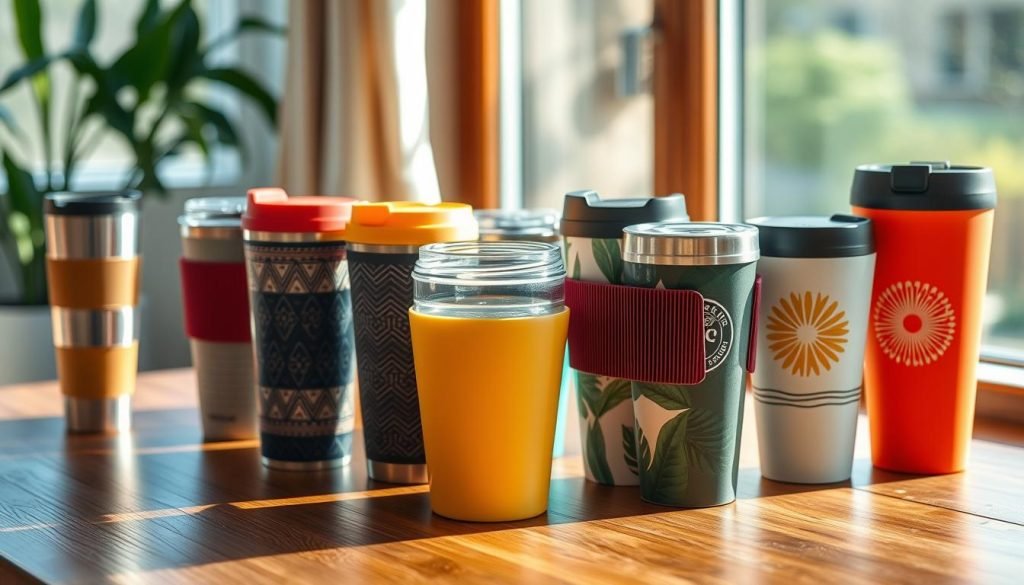
Choose the bottle that fits your life. Here are three of the main types to weigh:
- Stainless steel — Sturdy and keeps drinks cold or hot, lasts for many years
- Glass — Clean taste, easy to see through, but heavier
- BPA-free plastic — Less weight, sport-friendly, but make sure it’s actually BPA-free
Make refilling easy. Water refill stations are common these days in many cities and airports, schools, and gyms. To locate a refill spot near you, download an app such as Tap or RefillMyBottle.
Start a habit trigger. Place your water bottle near the coffee maker, your keys, or your toothbrush — wherever you spend time in the morning. It’s the habit triggers that make new habits stick.
The Money Savings Are Real, Too
Ditching disposable bottles doesn’t just save the planet. It saves real money.
| Cost Comparison | Per Year |
|---|---|
| Buying plastic water bottles | $400–$600 |
| Using a reusable bottle | $0–$30 (tap water) |
| Savings | $370–$570 |
That’s money back in your pocket, just by giving up plastic.
Goal #3 — Get Plastic-Free in the Bathroom
The Bathroom Is a Plastic Minefield
Just think of all the stuff that’s happening in your bathroom right this second. Shampoo bottles. Conditioner. Body wash. Face wash. Toothbrush. Toothpaste tube. Razors. Lotion.
Nearly all of it’s in plastic.
The average person disposes of 11 pounds of bathroom plastic waste a year. It doesn’t take long for the number to add up across a household.
The good news? The bathroom is probably one of the simplest rooms to shake out the plastic, as amazing alternatives exist for nearly every product.
Swap by Swap — Your Plastic-Free Bathroom Plan
It doesn’t all have to be done at once. Work through your products one by one as they empty out.
Shampoo and Conditioner Swap out liquid bottles for shampoo bars and conditioner bars. They’re soap bars made specifically for your hair. Brands like Ethique, Lush, and HiBar are good ones. One shampoo bar usually equals 2–3 bottles of liquid shampoo.
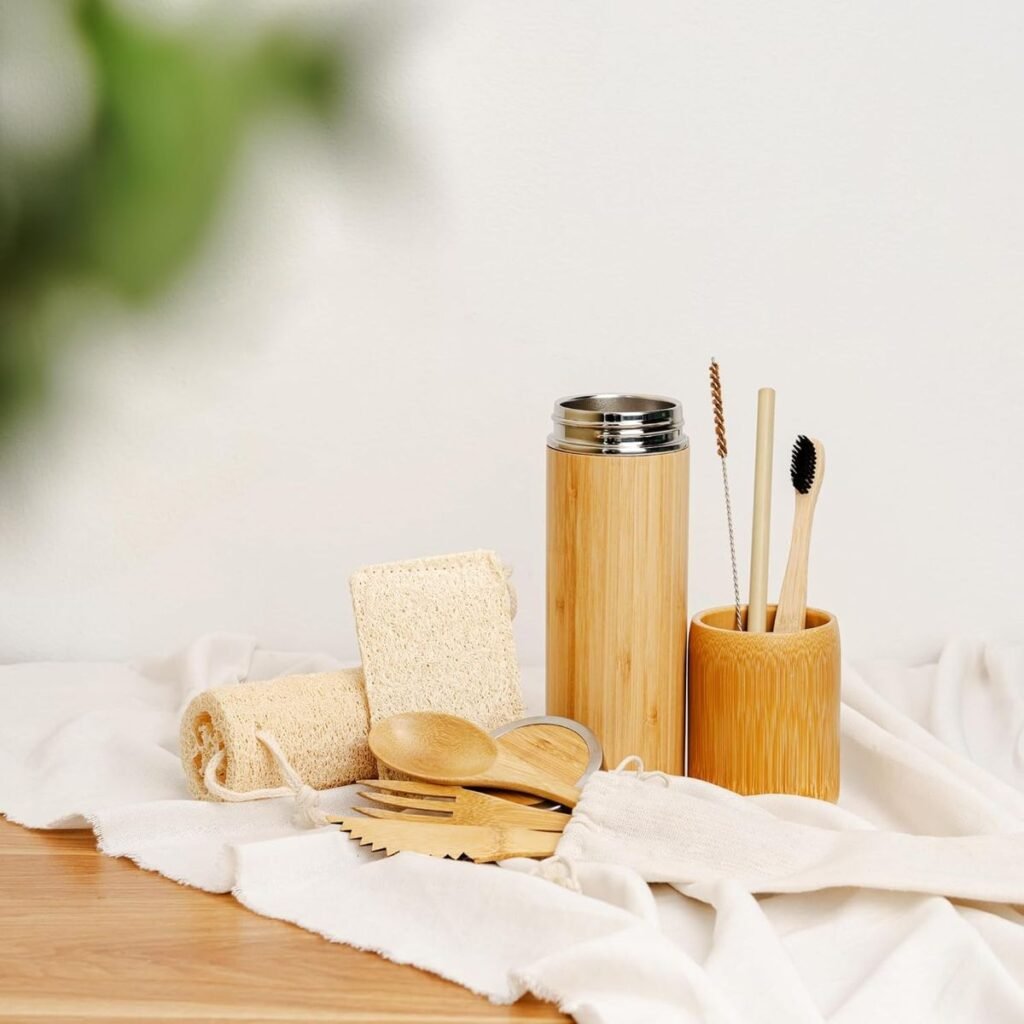
Toothbrush Typical plastic toothbrushes take up to 400 years to decompose. Switch to a bamboo toothbrush. The handle is compostable, and they work exactly as well.
Toothpaste Toothpaste tablets are becoming increasingly popular. They arrive in glass jars or cardboard boxes. You put one in your mouth and chew it, and it foams up so you can brush normally. Brands like Bite and Denttabs have attracted a following.
Razors Disposable razors are a major plastic issue. Switch to a safety razor — the kind with a metal handle you keep forever. You just replace the blade, which is recyclable. It is more expensive up front, but you save in the long run.
Soap and Body Wash Bar soap is sold unwrapped or in paper packaging. A perfect swap with no downside.
Track Your Progress
Try the “bathroom audit” method. To get started, take inventory of how much plastic is in your bathroom. Write it down. Then come back in six months. Seeing that number go down is very motivating.
Goal #4 — Banish Plastic from Your Kitchen
The Kitchen Has the Most Household Plastic
The kitchen is plastic-swap central. There’s a lot to keep track of — food storage, cooking tools, packaging, and cleaning supplies.
But this is also where plastic-free living offers some of the greatest rewards. These are the swaps that touch your daily life a dozen times a day.
Start With Food Storage
No more zip-lock bags and plastic wrap. Here are the best alternatives:
Beeswax wraps — Flexible and stick to themselves and to bowls. They keep food fresh and wash clean with cool water. They last up to a year with good care.
Glass containers with lids — Easier to store leftovers in than plastic, and they just generally feel better quality. Glass is odor- and stain-resistant, and it’s microwave-safe.
Silicone bags — Reusable versions of zip-lock bags. They seal tightly, are dishwasher-safe, and can last for years.
Cloth produce bags — Excellent for storing leafy greens, herbs, and vegetables in the fridge.
Rethink How You Buy Food
Much of kitchen plastic comes from food packaging. Here’s how to reduce it:
- Buy in bulk or from a bulk section. Bring your own jars or cloth bags and stock up on grains, nuts, spices, and more. Pay by weight.
- When you can, opt for paper or cardboard packaging instead of plastic.
- Buy from local farmers markets. Produce there often comes with little to no packaging at all.
- Make your own sauces, dressings, and snacks. This takes all the packaging away, and it generally tastes better too.
Clean Without Plastic Too
Cleaning products are another plastic problem lurking under your kitchen sink.
Trade plastic bottles of liquid dish soap for a dish soap bar or dish soap concentrate packaged in glass or aluminum. Switch out a plastic-handled scrubber for a natural dish brush with a wooden handle.
For sponges, a loofah sponge (the plant kind), a compostable cellulose sponge, or a cotton dishcloth will work perfectly.
| Kitchen Plastic Swap | What to Use Instead |
|---|---|
| Zip-lock bags | Silicone bags |
| Plastic wrap | Beeswax wraps |
| Plastic food containers | Glass containers |
| Plastic sponge | Loofah or cellulose sponge |
| Plastic dish soap bottle | Dish soap bar or concentrate |
| Plastic produce bags | Cloth or mesh bags |
Goal #5 — Develop a Plastic-Free Shopping Mindset
This Goal Changes Everything
The first four goals are about exchanging physical products. This fifth goal is different. It’s about the way you think when you shop.
Once you’ve programmed your brain in this way, every shopping trip becomes an opportunity to make a plastic-free selection — without much effort at all.
The “Before You Buy” Questions
Here are three questions to condition yourself to ask before you buy anything:
1. Does this come in packaging with less plastic? Look for alternatives. It is often the case that the very same item can be found in glass, metal, or cardboard packaging — or with no packaging at all. You just have to look.
2. Can I buy this secondhand? Secondhand shopping is one of the most powerful plastic-free moves you can make. It eliminates new packaging altogether and keeps products out of the landfill.
3. Do I actually need this? Sometimes the most plastic-free choice of all is the one where you don’t buy something new at all. First reduce, then reuse, then recycle.
Shop Local and Package-Free
Shop at stores and from brands that put a premium on plastic-free packaging. Many cities now have zero-waste or refill stores where you bring your own containers.
Online, look for brands that ship in recycled cardboard, paper tape, and no plastic filler. Nowadays, many eco-friendly brands market their plastic-free shipping.
Use the “Plastic Score” Method
Here’s a playful way to build the habit. Score each shopping trip for its plastic impact:
- Each plastic product you purchase = -1 point
- Each plastic-free swap you make = +1 point
Attempt to end each trip in the positive. Eventually, this game teaches your brain to identify plastic reflexively.
Vote With Your Dollar — Support Brands That Are Doing the Work
Your money is a vote. By supporting brands that use sustainable packaging, you’re sending a signal to the market. The more people demand plastic-free products, the more companies will make them.
Some categories with great plastic-free brand options right now:
- Personal care and beauty
- Cleaning supplies
- Food and snacks
- Clothing and accessories
- Office and school supplies
How Quickly Can You Go Plastic-Free?
Here’s a realistic timeline based on where most people begin:
| Timeframe | What’s Possible |
|---|---|
| Week 1 | Switch to reusable bags and a water bottle |
| Week 2–3 | Progress bathroom products as they run out |
| Month 1–2 | Kitchen food storage overhaul |
| Month 2–3 | Layer in the plastic-free shopping mindset |
| Month 3–6 | Full plastic-free living routine in place |
This isn’t a race. But it is also not as slow as most people believe. The most radical changes occur in the first month.
Mistakes to Avoid on Your Plastic-Free Journey
People with the best of intentions often stumble when they begin living plastic-free. Here are the most common ones:
Overloading on too many eco-products at once. This generates waste and costs money. Swap only as each product is used up.
Thinking recycling is enough. Recycling is better than nothing, but cutting back on plastic use is much more potent.
Getting discouraged by imperfection. You will still encounter plastic. That’s okay. Progress beats perfection every time.
Not making it convenient. If your reusable bags are buried in a closet, you’re not going to use them. Keep swaps accessible and visible.
FAQs About Plastic-Free Living
Q: Is plastic-free living expensive? Not in the long run. Some swaps have a bigger entry cost, such as a safety razor or glass containers. But the majority pay for themselves within a few months. Reusable bags and water bottles can save money within just a few uses.
Q: What should I do if I can’t find plastic-free options in my area? Start with what’s available. Even making a change or two has meaning. These days, the ability to purchase plastic-free products online is easier than ever. Also try local bulk stores or zero-waste shops.
Q: Can one person really make a difference? Yes — and here’s why. As enough people change their behavior, market demand shifts. Businesses react to what people purchase. Your personal choices help determine what is made, what is stocked, and what becomes the norm.
Q: Is plastic-free the same as zero-waste? Not exactly. Zero-waste is a broader lifestyle that aims to send nothing to landfill. Plastic-free living is uniquely but not exclusively about getting rid of plastic. The two overlap heavily, but you can live plastic-free with less commitment to zero-waste in everything.
Q: What is the one thing I can do right now that would have the greatest impact? Changing over to reusable water bottles and bags typically makes the most immediate visible difference. Even if you do nothing else, those two swaps alone will keep hundreds of plastic items out of the waste stream each year.
Q: Are bamboo products actually better than plastic? In most cases, yes. Bamboo is fast-growing, doesn’t need pesticides, and is totally compostable. Bamboo toothbrushes, utensils, and cutting boards are all sturdy substitutes for their plastic versions. According to the Ellen MacArthur Foundation, shifting away from single-use plastics toward renewable materials like bamboo is a key pillar of building a circular economy.
The Bigger Picture — Why What You Choose Ripples Out
Here’s what is not said often enough.
When you begin a plastic-free life, people around you notice. Your family members. Your coworkers. Your friends. Some of them will have questions. Some will make their own swaps. Some will teach others what they have learned.
This ripple effect is real. Evidence suggests that sustainable behaviors are contagious — they spread through social networks. You’re not just changing your own footprint. You’re affecting the behavior of those around you.
That’s a powerful thing.
Wrapping It All Up
Living without plastic doesn’t have to be intimidating, expensive, or complicated. It’s a succession of small, deliberate decisions that add up to something authentically potent.
Now you have five clear goals to work with. Begin with the most basic one and move up from there. Swap your bags. Ditch the disposable bottle. Clean up your bathroom. Rethink your kitchen. And retrain your brain to shop differently.
None of these require perfection. Every single one of them creates real change.
The world doesn’t need a few people doing plastic-free living perfectly. It takes millions of people doing it imperfectly — and doing it nonetheless.
Start today. Your future self — and the oceans — will be grateful.