7 Smart Plastic-Free Living Kitchen Swaps You’ll Love
The kitchen is the heart of the home—and unfortunately, also one of the biggest sources of everyday plastic waste. From cling wrap and food packaging to sponges, storage containers, and dishwashing tools, plastic sneaks into nearly every corner. The good news? You don’t need a complete lifestyle overhaul to make a meaningful difference. A few smart swaps can dramatically cut your plastic use, save money over time, and create a healthier cooking space for your family.
This guide explores 7 practical, realistic, and genuinely useful plastic-free kitchen swaps you’ll not only feel good about—but actually enjoy using. These are not complicated eco-extremes. They’re simple upgrades that fit into busy routines, small kitchens, and real budgets.
Why Go Plastic-Free in the Kitchen?
Plastic isn’t just an environmental issue—it’s a daily living issue.
Common problems caused by kitchen plastics:
- Microplastics can enter food through heat and wear
- Some plastics may leach chemicals over time
- Single-use items create constant waste
- Cheap plastic tools break quickly and need replacing
- Plastic absorbs stains and odors
A plastic-lighter kitchen often becomes:
- Cleaner
- More organized
- Safer for hot food
- Surprisingly aesthetic
- Cost-effective long-term
Quick Comparison: Plastic vs Plastic-Free Materials
| Feature | Plastic | Glass | Stainless Steel | Wood/Bamboo |
|---|---|---|---|---|
| Durability | Medium | High | Very High | High |
| Heat Safety | Low | High | Very High | Medium |
| Odor Resistance | Low | High | High | Medium |
| Recyclability | Limited | High | High | Compostable |
| Lifespan | Short | Long | Very Long | Long |
1. Swap Plastic Food Wrap for Beeswax Wraps
Plastic cling wrap is one of the most frustrating single-use items. It sticks to itself, tears easily, and ends up in the trash after one use.
Beeswax wraps are reusable cloths coated in beeswax, tree resin, and oil. They mold around bowls, fruits, sandwiches, and leftovers using the warmth of your hands.
Why You’ll Love This Swap
- Reusable for up to a year
- Breathable — keeps food freser
- Easy to wash with cool water
- Naturally antibacterial
- Looks beautiful in the kitchen
Best Uses
- Covering bowls
- Wrapping cheese
- Packing lunches
- Storing herbs
- Half-cut fruits
Cost Breakdown
| Item | Upfront Cost | Uses | Cost per Use |
|---|---|---|---|
| Plastic Wrap Roll | Low | ~50 | High waste |
| Beeswax Wrap Set | Moderate | 300+ | Very low |
2. Replace Plastic Storage Containers with Glass or Steel
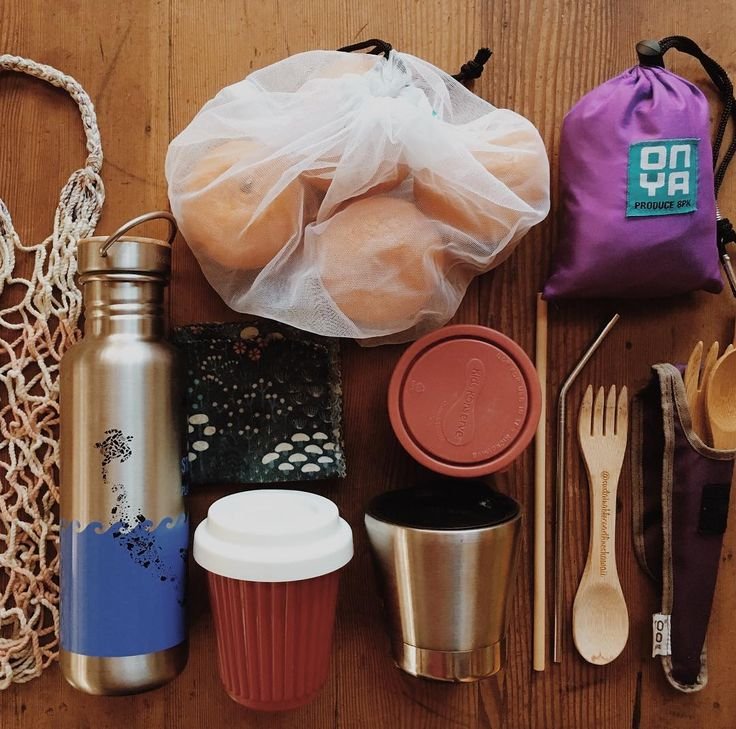
If you open your cabinets and see stacks of mismatched plastic containers with missing lids, this swap will feel life-changing.
Glass and stainless steel containers:
- Don’t stain
- Don’t retain odors
- Are microwave/oven safe (glass)
- Last for years
When Glass Is Better
- Reheating food
- Meal prep
- Storing sauces
- Seeing contents easily
When Steel Is Better
- Lunch boxes
- Travel
- Freezer storage
- Lightweight use
Storage Material Comparison
| Material | Microwave Safe | Freezer Safe | Travel Friendly | Lifespan |
|---|---|---|---|---|
| Plastic | Sometimes | Yes | Yes | Short |
| Glass | Yes | Yes | Medium | Long |
| Steel | No | Yes | Yes | Very Long |
3. Ditch Plastic Dish Sponges for Compostable Scrubbers
Traditional sponges are made from plastic foam and shed microplastics into waterways every time you wash dishes.
Better alternatives include:
- Coconut fiber scrubbers
- Wooden dish brushes
- Loofah sponges
- Cellulose sponges
Why This Swap Feels Better
Plastic sponges often smell bad quickly. Natural scrubbers dry faster and stay fresher.
Cleaning Tool Comparison
| Tool | Plastic-Free | Compostable | Odor Resistant | Scrubbing Power |
|---|---|---|---|---|
| Plastic Sponge | No | No | Low | Medium |
| Coconut Scrubber | Yes | Yes | High | High |
| Wood Dish Brush | Yes | Handle reusable | High | High |
| Loofah | Yes | Yes | Medium | Medium |
4. Switch from Plastic Dish Soap Bottles to Solid Dish Bars
Liquid dish soap typically comes in plastic bottles. Solid dish soap bars eliminate the packaging completely.
Benefits of Dish Bars
- Zero plastic packaging
- Long-lasting
- Space-saving
- Travel-friendly
- Less chemical exposure
How to Use
- Wet sponge or brush
- Rub on soap bar
- Wash dishes as usual
Liquid vs Solid Soap Efficiency
| Type | Average Lifespan | Packaging Waste | Storage Space |
|---|---|---|---|
| Liquid Soap | 1–2 months | High | Medium |
| Solid Bar | 3–6 months | None | Small |
5. Replace Plastic Utensils with Wood, Steel, or Silicone
Plastic cooking tools melt, scratch pans, and release chemicals when exposed to heat.
Safer alternatives:
- Wooden spoons
- Stainless steel tools
- Heat-safe silicone utensils
Why Wooden Utensils Are a Favorite
They feel natural, don’t scratch cookware, and age beautifully.
Cooking Tool Heat Safety
| Material | Heat Resistance | Non-Stick Safe | Lifespan |
|---|---|---|---|
| Plastic | Low | Yes | Short |
| Wood | Medium | Yes | Long |
| Steel | Very High | No | Very Long |
| Silicone | High | Yes | Long |
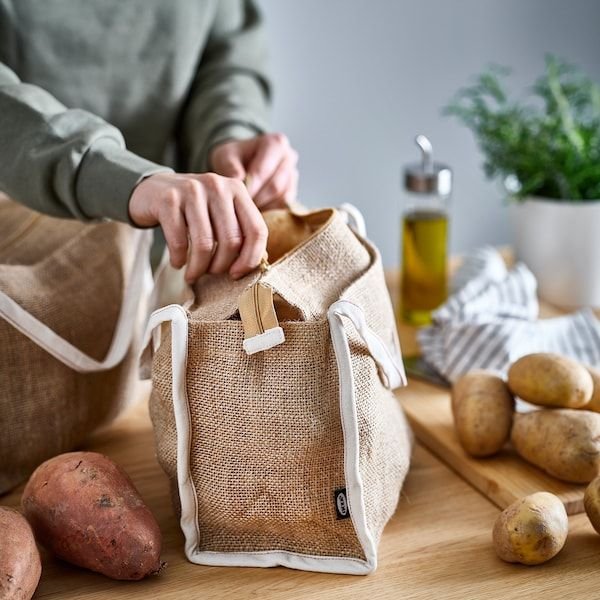
6. Swap Plastic Produce Bags for Reusable Cloth Bags
Grocery store produce bags are used for minutes but last for decades in landfills.
Reusable mesh or cotton produce bags are:
- Washable
- Durable
- Breathable for fruits/veggies
- Lightweight
- Easy to carry
Environmental Impact Comparison
| Bag Type | Uses | Waste Generated | Durability |
|---|---|---|---|
| Plastic Produce Bag | 1 | High | None |
| Cloth Produce Bag | 500+ | Minimal | High |
7. Replace Plastic Trash Bags with Composting Systems
While some waste still needs disposal, composting dramatically reduces the need for plastic garbage bags.
Composting Benefits
- Reduces kitchen waste by up to 50%
- Creates natural fertilizer
- Eliminates food waste odors
- Saves money on trash bags
Compostable Options
- Countertop compost bins
- Backyard compost piles
- Municipal compost programs
- Worm composting (vermicomposting)
Waste Reduction Chart
| Waste Type | Typical Household | With Composting |
|---|---|---|
| Food Waste | 40–50% | 5–15% |
| Plastic Trash Bag Use | High | Low |
How to Transition Without Feeling Overwhelmed
You don’t need to replace everything at once.
Smart Transition Plan
Month 1: Replace single-use items
Month 2: Upgrade storage
Month 3: Change cleaning tools
Month 4: Improve shopping habits
Priority Order of Swaps
| Priority | Swap | Impact Level | Cost |
|---|---|---|---|
| 1 | Plastic Wrap → Beeswax | High | Low |
| 2 | Sponges → Compostable | High | Low |
| 3 | Storage Containers | Very High | Medium |
| 4 | Produce Bags | Medium | Low |
| 5 | Dish Soap Bar | Medium | Low |
Hidden Benefits You Might Not Expect
Many people notice improvements beyond waste reduction:
1. Better Kitchen Organization
Glass containers stack neatly and allow visibility.
2. Reduced Odors
Natural materials don’t trap smells like plastic.
3. Healthier Cooking Environment
Less exposure to heated plastic.
4. Long-Term Savings
Reusable items eliminate constant repurchasing.
5. More Mindful Consumption
You become aware of packaging and waste.
Budget-Friendly Plastic-Free Kitchen Starter Kit
| Item | Estimated Cost | Lifespan |
|---|---|---|
| Beeswax Wrap Set | Moderate | 1 year |
| Glass Containers | Moderate | 5+ years |
| Wooden Utensils | Low | 3+ years |
| Dish Brush | Low | Replaceable head |
| Produce Bags | Low | 2+ years |
Common Mistakes to Avoid
- Throwing away usable plastic items immediately
- Buying too many replacements at once
- Choosing aesthetics over durability
- Ignoring cleaning and care instructions
Best approach: Replace items as they wear out.
Care Tips for Plastic-Free Kitchen Items
Beeswax Wraps
- Wash in cool water
- Avoid heat
- Air dry
Wooden Tools
- Oil occasionally
- Avoid soaking
Glass Containers
- Check for thermal shock
- Store with lids off to prevent odor
The Bigger Impact of Small Changes
Imagine this scenario:
If one household eliminates:
- 1 roll of plastic wrap/month
- 2 sponges/month
- 10 produce bags/week
Over a year, that’s hundreds of plastic items prevented from entering landfills and oceans.
Multiply that by neighborhoods, cities, and countries — the impact becomes enormous.
Frequently Asked Questions (FAQs)
1. Is a plastic-free kitchen expensive to set up?
Not necessarily. While some items cost more upfront, they last years longer. Over time, you spend less replacing disposable products.
2. Can I go plastic-free if I live in a small apartment?
Yes. Most swaps actually save space — especially solid soap bars, stackable containers, and compost bins designed for countertops.
3. Are beeswax wraps safe for all foods?
They’re great for most items but not recommended for raw meat or very hot foods.
4. What if I can’t avoid plastic packaging when shopping?
Focus on reducing what you can control at home first. Progress matters more than perfection.
5. How do I convince my family to adopt these changes?
Start with the easiest swaps that improve daily life — like better storage containers or odor-free scrubbers. Convenience wins people over.
6. Which swap makes the biggest difference fastest?
Replacing single-use plastic wrap and sponges usually creates the most immediate waste reduction.
Final Thoughts
A plastic-free kitchen isn’t about chasing perfection. It’s about thoughtful choices that make daily life cleaner, healthier, and more sustainable.
Start small. Choose swaps that feel exciting rather than restrictive. Over time, these changes become habits — and eventually, the new normal.
Your kitchen will feel calmer, more intentional, and surprisingly beautiful.
And the best part?
You’ll wonder why you didn’t start sooner.