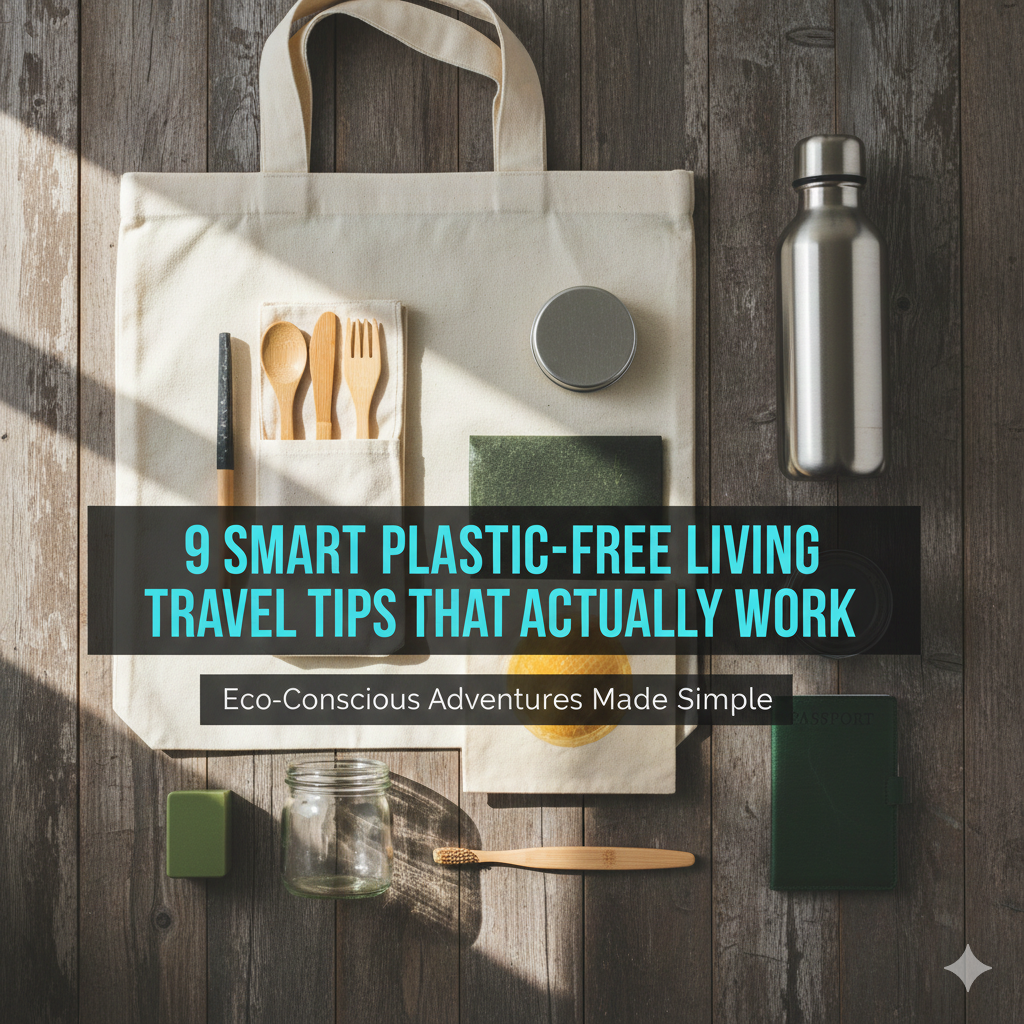
Introduction to Plastic-Free Travel
Traveling opens up the world to us, but it often comes with a hidden cost: plastic waste. Think about all those single-use bottles, bags, and wrappers that pile up during a trip. I’ve been on enough adventures to know how easy it is to fall into that trap, especially when you’re jet-lagged or rushing through an airport. But living plastic-free while on the move isn’t just a trendy idea—it’s a practical way to reduce your environmental footprint without sacrificing convenience. Over the years, I’ve picked up some habits that make it doable, and they actually stick because they’re simple and effective.
The beauty of these tips is that they fit into real life. No need for extreme measures like carrying your entire kitchen on your back. Instead, it’s about small swaps and mindful choices that add up. In this article, I’ll share nine smart tips for plastic-free living during travel. Each one comes from personal trial and error, plus insights from fellow travelers I’ve met along the way. Whether you’re backpacking through Europe or lounging on a beach in Southeast Asia, these can help you cut down on plastic without feeling deprived. Let’s dive in and see how you can make your next trip a little greener.
Tip 1: Invest in a Reliable Reusable Water Bottle
One of the first things I learned on my travels is that staying hydrated doesn’t have to mean grabbing a plastic bottle every few hours. Airports, train stations, and tourist spots are littered with vending machines pushing bottled water, but it’s such an unnecessary habit. A good reusable water bottle changes everything. I remember my trip to Thailand a few years back—hot, humid, and constantly thirsty. Instead of buying bottled water, I carried a stainless steel bottle that kept my water cold for hours. It was a lifesaver, and I refilled it at cafes or public fountains without a second thought.
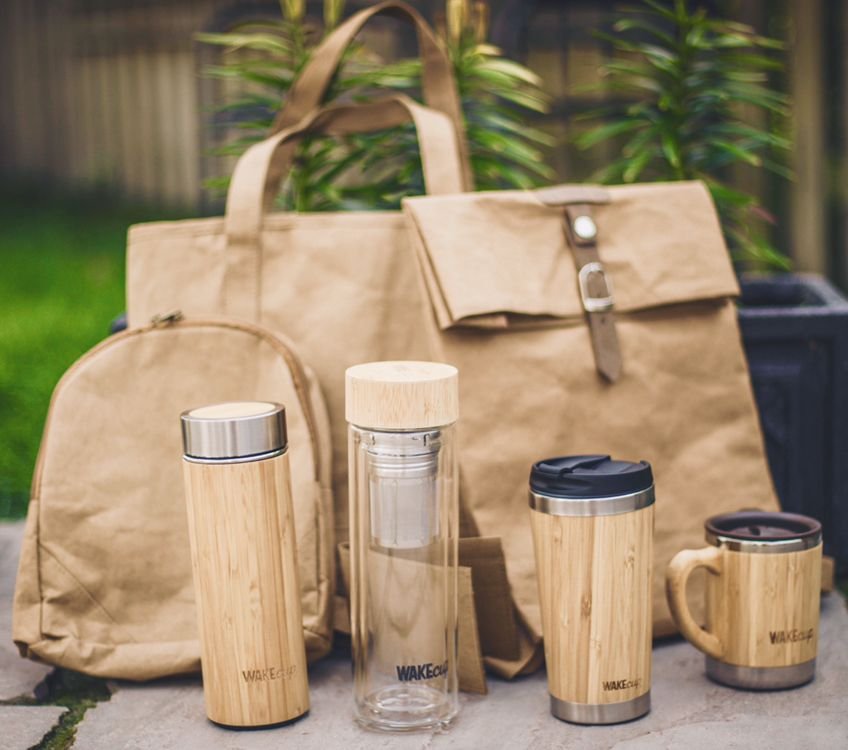
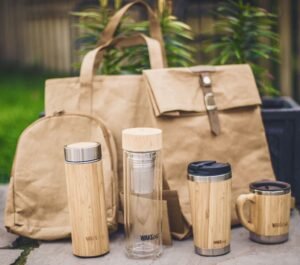
Why does this work so well? For starters, it’s accessible. Many places now have refill stations, especially in eco-conscious cities like Berlin or Vancouver. Apps like RefillMyBottle even map out free water points worldwide. Choose a bottle that’s durable, like those from Hydro Flask or Klean Kanteen—they’re insulated, leak-proof, and come in sizes that fit in your backpack side pocket. Avoid cheap plastic ones; go for metal or glass to ensure longevity.
Implementing this tip is straightforward. Before you leave home, test your bottle for a day or two to make sure it’s comfortable to carry. Pack a small filter if you’re heading to areas with questionable water quality, like a LifeStraw attachment. On the road, get in the habit of asking for refills politely; most places are happy to oblige. Over time, you’ll save money too—those airport bottles add up fast. And environmentally, it’s huge: one person can avoid hundreds of plastic bottles per trip. I’ve calculated that on a two-week vacation, I probably skip at least 20-30 disposables just with this swap. It’s empowering to know you’re not contributing to ocean pollution while sipping away.
But it’s not without challenges. In some remote spots, like hiking in the Andes, clean water might be scarce. That’s when planning ahead pays off—research your route and carry purification tablets as a backup. Overall, this tip sets the foundation for plastic-free travel because it builds awareness. Once you’re refilling your bottle, you start noticing other plastic pitfalls and avoiding them naturally.
Tip 2: Pack Reusable Utensils and Straws
Eating on the go is part of the travel thrill—street food in Mexico, gelato in Italy—but those plastic forks, spoons, and straws? They’re everywhere and end up in the trash after one use. I used to grab them without thinking until a beach cleanup in Bali made me realize how much washes up on shores. Now, I always carry a set of reusable utensils, and it’s one of the easiest ways to cut plastic.
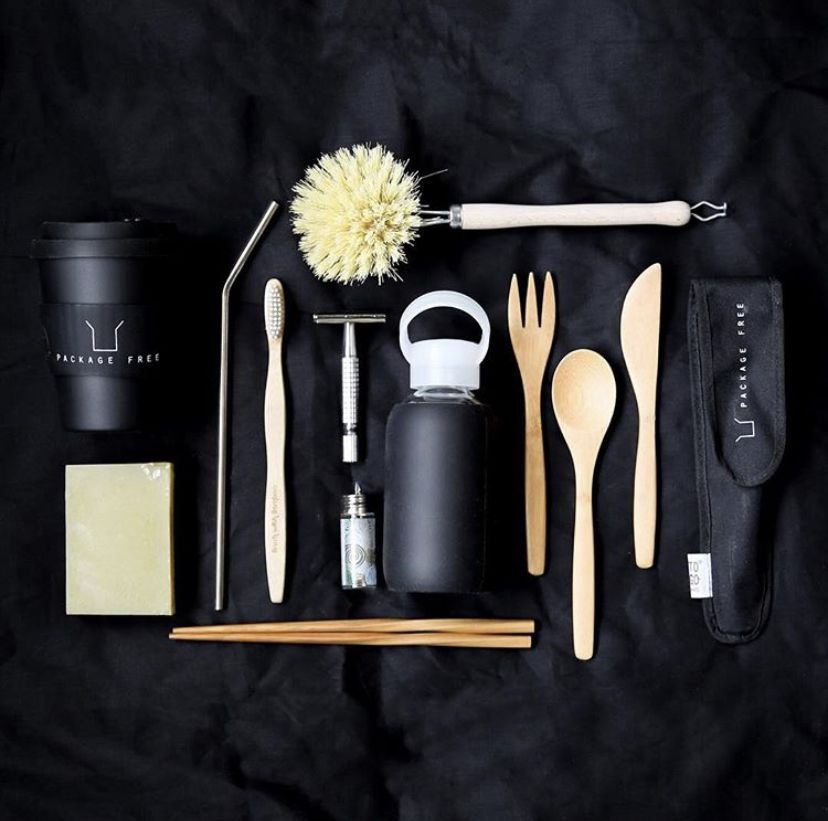
What makes this practical is the compactness. Bamboo or stainless steel sets come in tiny pouches that slip into your day bag. Brands like To-Go Ware offer kits with a fork, knife, spoon, chopsticks, and a metal straw, all in a case smaller than a wallet. I keep mine attached to my keychain so I never forget it. During a road trip across the U.S., I used them for picnics, takeout, and even airplane meals. No more fumbling with flimsy plastic.
To make it work, think about your eating habits. If you’re a smoothie lover, prioritize the straw; for salads, the fork is key. Wash them in your hotel sink or with a quick rinse at a fountain. Some places, like cafes in Australia, even give discounts for using your own gear. It’s a conversation starter too—I’ve bonded with locals over shared eco-tips.
The real win is in versatility. These tools handle everything from fruit stalls to fine dining. And if you’re worried about hygiene, carry a small cloth for drying or use biodegradable wipes sparingly. In the long run, this tip reduces not just plastic but also the guilt of littering. Studies show travelers generate up to three times more waste than at home, so every utensil counts. I’ve gone months without touching a plastic one, and it feels second nature now.
Tip 3: Switch to Solid Toiletries
Toiletries are a sneaky source of plastic—those mini shampoo bottles in hotels, travel-sized tubes that get tossed. But solid versions? Game-changer. Bars of soap, shampoo, conditioner—even toothpaste tabs—eliminate the need for plastic packaging. On my trek through Nepal, space was tight, and solids were perfect: lightweight, no spills, and TSA-friendly since they’re not liquids.
Why do they actually work? They’re concentrated, so a single bar lasts weeks, unlike liquid samples. Lush or Ethique make great ones that smell amazing and perform just as well. I wrap mine in a small tin or beeswax cloth to keep them dry. No more leaky bags in your luggage.
Getting started is simple: Assess your routine and replace one item at a time. Shampoo bar first, then deodorant stick. In destinations like Japan, where public baths are common, solids blend right in. Plus, they’re often natural, so better for your skin and the planet.
Challenges? They can melt in heat, so store them properly. But the benefits outweigh that—less weight means easier packing, and you’re supporting brands that prioritize sustainability. I’ve converted friends on group trips, and we all end up with less trash to deal with.
Tip 4: Use Cloth Bags for Everything
Plastic bags are handed out like candy at markets and shops, but cloth ones fold up tiny and handle it all. I stuff a few in my pocket before exploring, like during souk shopping in Morocco. They hold fruits, souvenirs, even dirty laundry—versatile and strong.
This tip shines because it’s proactive. Say no to plastic at the source. Muslin produce bags are breathable for veggies, while sturdier totes carry heavier loads. I have a set from Baggu that packs into itself, super convenient.
In practice, keep them accessible. Use them for airport snacks or beach gear. In places like Rwanda, where plastic bags are banned, you’re ahead of the curve. It encourages mindful buying too—less impulse purchases mean less waste.
Tip 5: Opt for Refillable Snack Containers
Snacking during travel often means plastic-wrapped bars or chips. But refillable containers let you buy in bulk or from markets. On train rides in India, I’d fill mine with nuts and fruits from vendors, skipping the packaging.
Stainless or silicone options are durable and seal tight. Portion out from home or refill at zero-waste stores in cities like London.
This works because it’s customizable—pack what you like, control portions. It saves money and reduces hunger-driven plastic buys.
Tip 6: Go Digital for Tickets and Guides
Paper isn’t plastic, but many tickets come in plastic sleeves, and physical maps mean more waste. Digital apps cut that. I use my phone for everything on trips to New Zealand—no printed boarding passes, just scans.
Apps like Google Wallet store tickets, and offline maps save data. It streamlines travel and avoids plastic laminates.
Practical because phones are always with you. Back up with screenshots for spotty service.
Tip 7: Choose Eco-Friendly Accommodations
Hotels with plastic-free policies make it easy—refill stations, bulk toiletries. On Airbnb in Costa Rica, I stayed at places using bamboo amenities.
Research via sites like Booking.com’s sustainability filters. It supports green businesses and sets the tone for your trip.
Tip 8: Pack Multi-Purpose Items
Items like a sarong double as towel, blanket, bag—reducing need for plastic alternatives. In Greece, mine was everything from picnic mat to shade.
This minimizes packing, meaning fewer emergency buys. Scarves, bandanas work too.
Tip 9: Support Local Plastic-Free Initiatives
Join beach cleanups or eat at restaurants using reusables. In Hawaii, I volunteered and learned from locals.
It connects you to communities and reinforces habits. Apps like Litterati track efforts.
Wrapping Up Plastic-Free Travel
These nine tips aren’t about perfection; they’re about progress. Start with one or two, like the water bottle and utensils, and build from there. I’ve seen how they transform trips—less stress over waste, more enjoyment of the journey. Travel is about discovery, and going plastic-free lets you discover ways to tread lighter. Give them a try on your next adventure; you might be surprised how natural it feels. Safe travels!