9 Clever Plastic-Free Living Shopping Habits To Get Started With Now
We consume more than 380 million tons of plastic each year. The majority of it is destined for landfills, oceans, and soil. The scariest part? Much of that plastic is accumulated from everyday shopping.
The good news is, small adjustments in your shopping habits can add up to a big impact. You don’t have to redesign your entire life in one go. You just have to begin making smarter habits — one shopping trip at a time.
This post takes you step-by-step through 9 easy, doable plastic-free living shopping habits that everyone can master, starting today. Whether you are a complete beginner or well on your way to greener living, we’ve got something here for you.
Why Your Shopping Cart Should Be the First to Change
Plastic pollution, as most of us think of it, is something happening in factories and which bad governments do nothing to prevent. And, although the big systems do have to change, individual shopping choices send strong signals to brands and retailers.
Whenever you pass over a plastic-covered item, you vote with your wallet. These votes accumulate over time. When millions of people make a transition like this, companies notice and alter their packaging.
Your shopping habits are not small. They are one of the most direct levers you have.
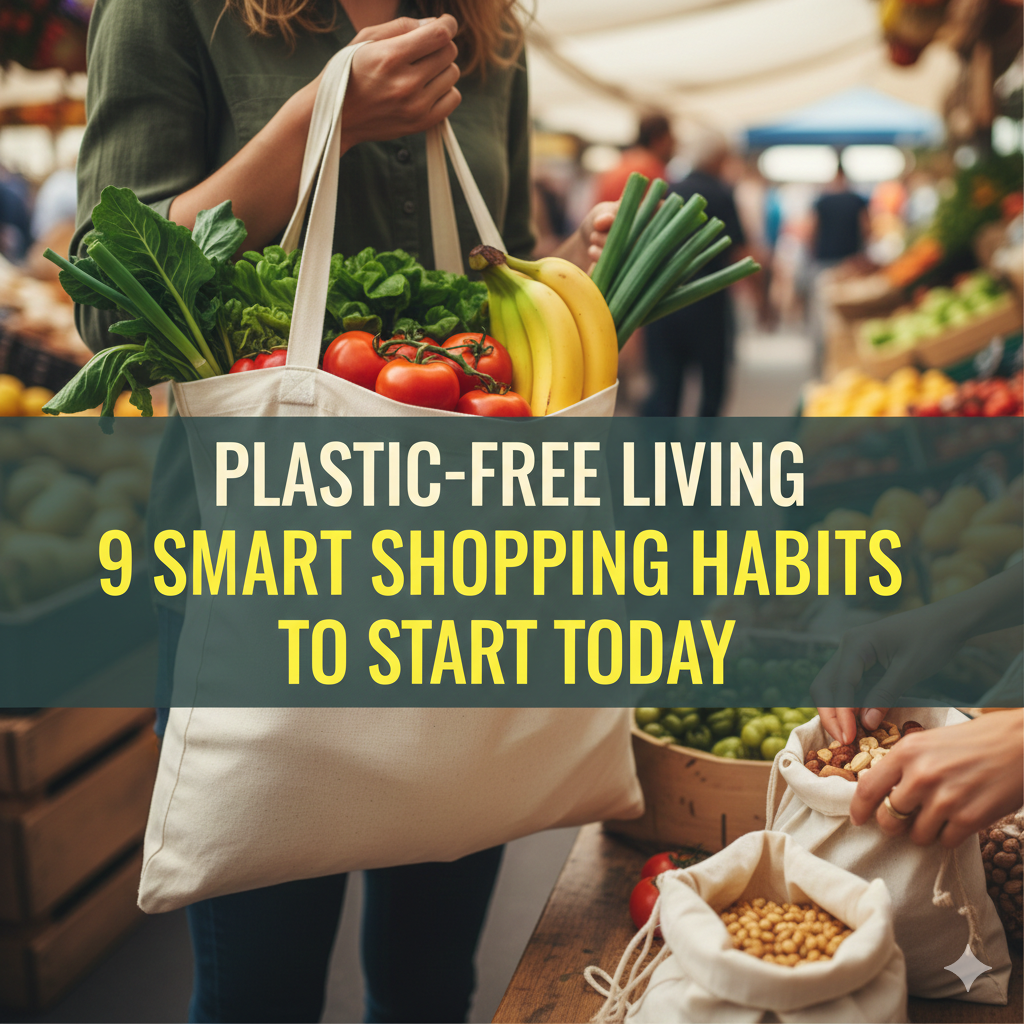
Habit 1: Always Bring a Reusable Bag With You
This one sounds simple. That’s because it is — and it does work.
Single-use plastic bags are amongst the most prevalent types of plastic pollution. They are light, so they easily make their way into waterways, forests, and oceans. It can take up to 1,000 years for a single plastic bag to decompose.
Reusable bags, meanwhile, can be used hundreds of times. An unbleached canvas tote that gets used a mere 50 times will have a lower carbon footprint than a lightweight plastic bag that is disposed of after only three uses.
How to Make This Habit Stick
The secret is to make sure you have reusable bags where you can’t ignore them. Put one in the car, one by the front door, one in your backpack or purse. The second you have to think about it, you’re more likely to forget.
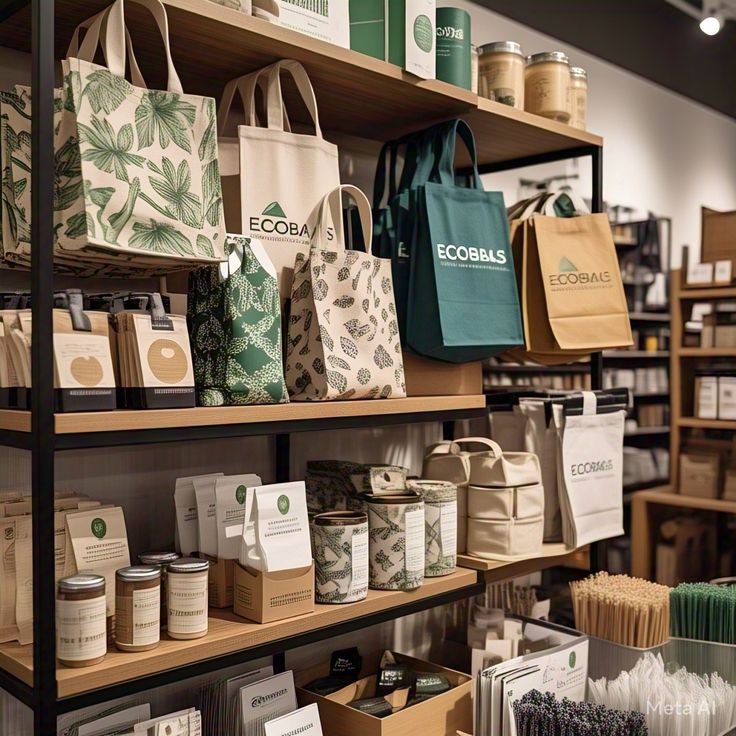
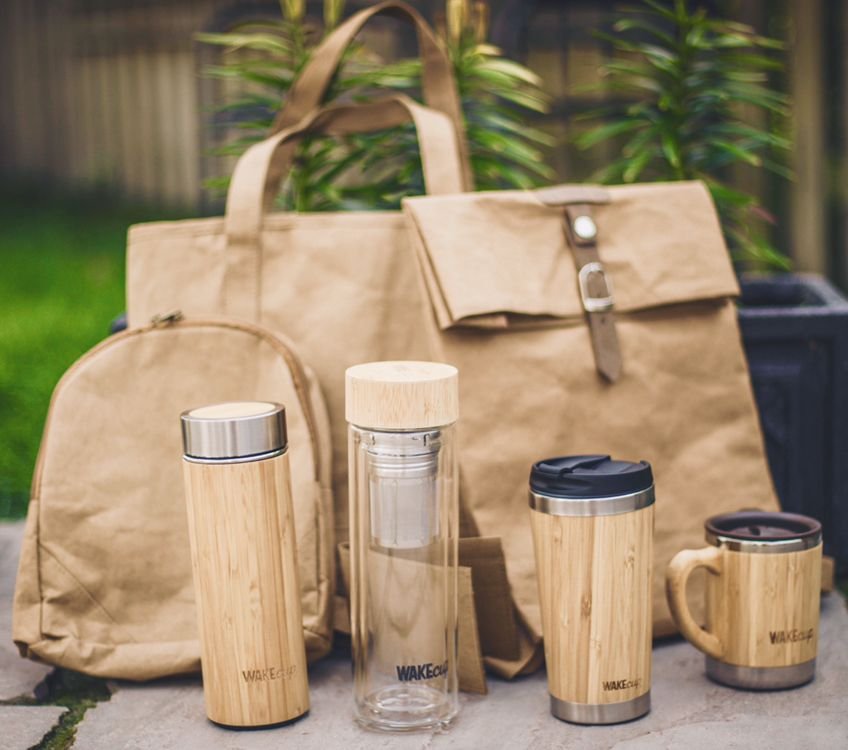
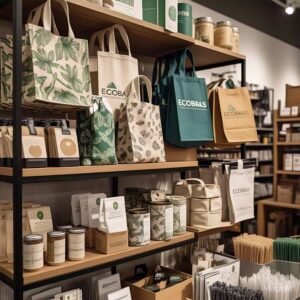
You’ll find reusable bags made of cotton, jute, recycled plastic bottles, and even old fabric. Choose styles that you actually like — you’ll use them more.
Habit 2: Shop in Bulk and at Zero-Waste Stores
Bulk stores allow you to purchase the amount you require. You bring your own containers, fill them, and skip the packaging entirely.
That’s one of the best plastic-free living shopping habits there is, because it addresses packaging at the source. Rather than buying your rice in a plastic bag, you scoop your desired amount into the glass jar that you brought from home.
What You Can Buy in Bulk
| Category | Common Bulk Items |
|---|---|
| Grains & Legumes | Rice, lentils, oats, quinoa, beans |
| Nuts & Seeds | Almonds, sunflower seeds, cashews |
| Spices & Herbs | Cinnamon, cumin, oregano, turmeric |
| Cleaning Supplies | Dish soap, laundry detergent, vinegar |
| Personal Care | Shampoo, conditioner, lotion |
| Snacks | Granola, dried fruit, trail mix |
Zero-waste shops take this further. They are specifically made to sell products without plastic. Many even have refill stations for soaps, oils, and household cleaners.
Finding Bulk Stores Near You
Google Maps search for “zero-waste store near me” or “bulk food store.” There are also apps that can help you find options by zip code, like Litterless and Zero Waste Home’s Bulk Finder.
Habit 3: Opt for Products With Plastic-Free Packaging
Your store may not have a bulk section at all. That’s okay. You can still do better by reading packaging closely.
Find products in paper, glass, metal, or cardboard wrapping. These materials are much easier to recycle and much less harmful in the wild.
A Quick Packaging Guide
| Packaging Type | Recyclability | Plastic-Free? |
|---|---|---|
| Glass | High | ✅ Yes |
| Aluminum/Metal | High | ✅ Yes |
| Cardboard | High | ✅ Yes |
| Paper | Medium-High | ✅ Yes |
| Bioplastic | Low | ⚠️ Sometimes |
| Regular Plastic | Low-Medium | ❌ No |
| Mixed Materials | Very Low | ❌ No |
The “Packaging Audit” Trick
Before your next shopping trip, examine what’s already in your trash and recycling bins. Notice which products created the most plastic waste. Those are your prime candidates to swap out.
Begin with only one or two swaps at a time. Attempting to make all the changes at once will lead to burnout.
Habit 4: Take Your Own Containers to the Deli and Meat Counter
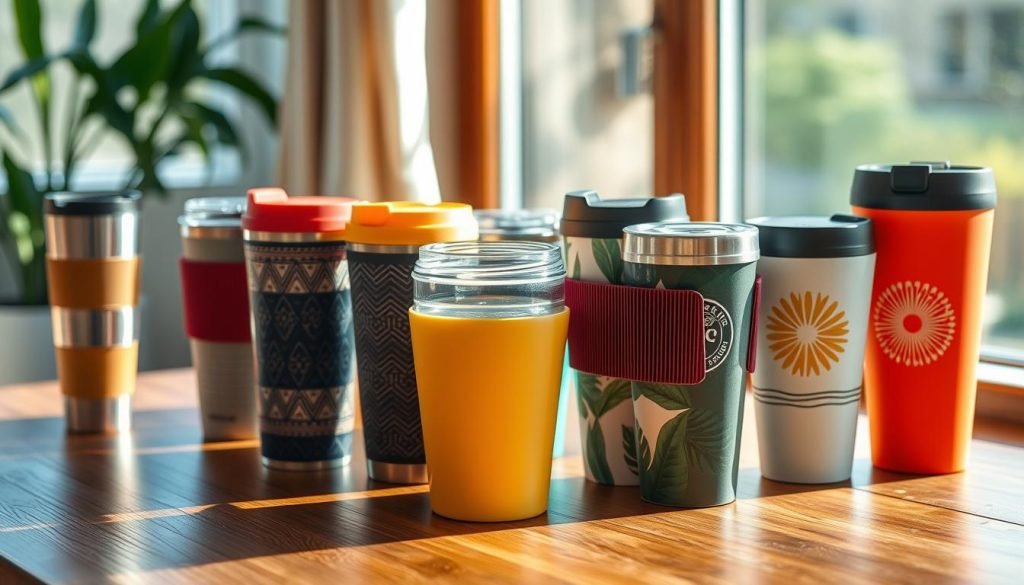
This habit surprises a lot of people. And yet in most stores, it is totally allowed — you just have to ask.
Most grocery stores are glad to load your deli meats, cheese, or fresh fish directly into a container you bring. They will weigh your container first (the “tare weight”), then fill it and subtract the tare weight from the price.
This spares the plastic wrap, styrofoam tray, and plastic bag that typically accompany these items.
Tips for Doing This Confidently
Call ahead or inquire with the deli staff before you make it to the counter. Once they know what you want, most are happy to help. Bring a clean, lightweight container — stainless steel or glass works great.
Some stores will say no because of health codes. Don’t take it personally. Visit another store or butcher shop. Local butchers and fishmongers will generally be more flexible than supermarkets.
Habit 5: Say Goodbye to Single-Use Produce Bags
Walk through any grocery store produce section and you’ll see them everywhere — those flimsy, thin plastic bags for fruits and vegetables. They’re used once and tossed.
Fruits and veggies usually don’t even need a bag. Apples, bananas, avocados, oranges — they come in their own natural wrapping. Simply place them in your cart.
When You Actually Need a Bag
For loose things like green beans, cherries, or spinach, use a mesh produce bag. These are washable, lightweight, and will last for years. A set of 5–10 costs around $10–15 and pays for itself quickly.
Hunt for mesh bags that are made of organic cotton or recycled materials for the most environmentally sound choice.
Habit 6: Plan Your Meals to Prevent Over-Purchasing
This one links your plastic-free living to something most people already want — save money and waste less food.
When you’re not planning meals, you tend to overbuy. Which results in unused food — much of it still in its plastic packaging — thrown away. You’ve purchased the plastic and thrown away the food inside it.
A No-Nonsense Weekly Meal Plan
- Pick 5–7 dinners for the week
- List every ingredient you need
- Check what you have in your pantry before shopping
- Buy only what you know you will use
Shopping with a list keeps you focused and helps you choose items intentionally — including packaging.
Meal Planning and Plastic Reduction
| With Meal Planning | Without Meal Planning |
|---|---|
| Targeted, specific purchases | Impulse buys with excessive packaging |
| Less food waste | More food (and plastic) thrown away |
| Easier decisions around buying bulk | Harder to plan for bulk shopping |
| Lower grocery bills | More spending overall |
Meal planning also allows you to prep your reusable containers and bags before heading out.
Habit 7: Opt for Bars Over Bottles — Personal Care Swaps That Work
Shampoo bottles, conditioner bottles, body wash bottles, lotion pumps — your bathroom likely has no shortage of plastic. And the majority of those containers end up in the garbage.
The solution is simpler than you’d expect: switch to bars.
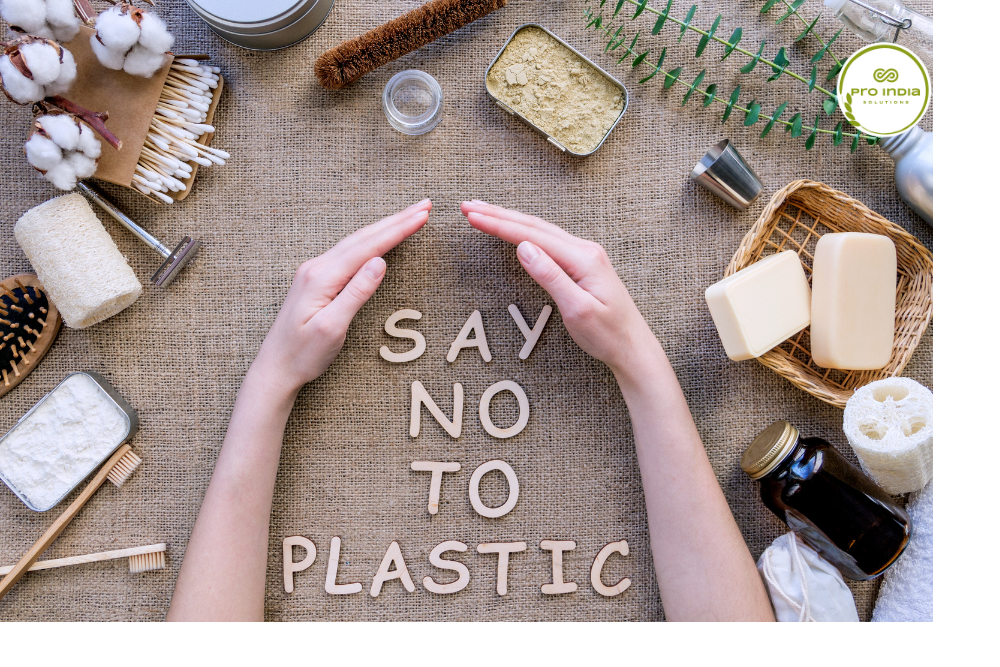
Shampoo bars, conditioner bars, and soap bars all do the same work as their bottled counterparts. They have virtually no packaging — generally just paper. And they tend to last longer per use too, because you don’t wind up accidentally over-pouring.
Popular Plastic-Free Personal Care Swaps
| Product | Plastic Version | Plastic-Free Swap |
|---|---|---|
| Shampoo | Plastic bottle | Shampoo bar |
| Conditioner | Plastic bottle | Conditioner bar |
| Body wash | Plastic pump bottle | Bar soap |
| Deodorant | Plastic stick/spray | Cardboard-tube deodorant |
| Toothbrush | Plastic handle | Bamboo toothbrush |
| Toothpaste | Plastic tube | Toothpaste tablets or jar |
| Razors | Disposable plastic | Safety razor (metal) |
| Lotion | Plastic pump bottle | Body butter in glass jar |
What to Expect When You Switch
Some items have a short adjustment period — especially shampoo bars. Your hair may feel odd for 1–2 weeks while it adapts. Stick with it. In fact, most people find that their hair feels healthier once the transition is complete.
Begin by replacing just one or two products. Replace each item with a plastic-free version as you run out of your existing stock.
Habit 8: Always Try to Buy Secondhand If You Can
New products mean new packaging. Secondhand products often don’t.
When you shop at thrift stores, consignment shops, or online resale outlets, you’re not just saving money. You’re also bypassing the waste involved in manufacturing, shipping, and packaging new goods.
Best Categories for Secondhand Shopping
Clothing and accessories are the most straightforward. But you can also buy secondhand electronics, kitchen tools, furniture, books, toys, and sports equipment — all with far less plastic packaging.
Platforms like ThredUp, Poshmark, Facebook Marketplace, and eBay make secondhand shopping easy. For local finds, look on Craigslist or in neighborhood apps such as Nextdoor, and join your local buy-nothing groups on Facebook.
The Secondhand Shopping Mindset Shift
Think of it this way: the most sustainable product is one that already exists. Before you buy something new, ask yourself — can I buy this used?
This also ties into plastic-free living, as secondhand goods are often delivered in reused packaging or very little wrapping. Sellers on platforms like Poshmark reuse boxes and paper — not plastic bubble wrap.
Habit 9: Use Your Voice and Support Plastic-Free Businesses
Your last habit isn’t about what you place in your cart. It’s about your voice.
Companies listen to customer feedback — especially when it is consistently repeated. If a store you love is heavy on plastic, tell them. Fill out their feedback form. Send an email. Kindly leave a review that mentions packaging.
Better still, actively patronize stores that are already doing it right. Buy from local markets, co-ops, and zero-waste stores. Post positive reviews for businesses that use minimal or no plastic packaging. Tell your friends about them.
For more tips, guides, and product recommendations on reducing plastic in your everyday life, visit Plastic Free Living — a great resource for anyone looking to make the switch to a cleaner, greener lifestyle.
How to Give Plastic-Free Feedback to Stores
No need to be heavy-handed or preachy. A simple message can go a long way:
“I love shopping here, but I would like to see less plastic packaging on your produce. Have you thought about removing the plastic wrappings from [specific item]? I would buy even more from you if you did.”
That feedback is pointed, polite, and actionable. It works.
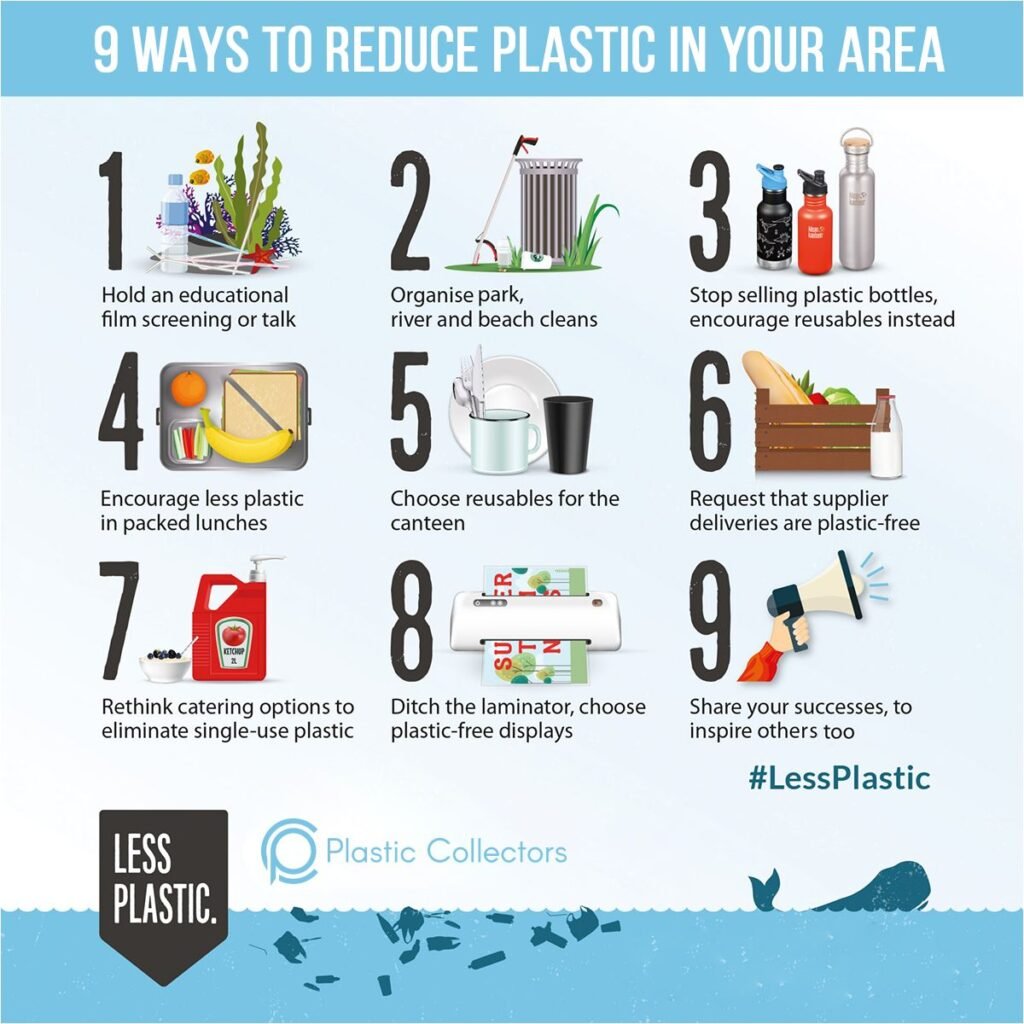
How These 9 Habits Work Together
Each of these habits approaches plastic waste from a different angle. Combined, they make a comprehensive approach to plastic-free living shopping.
Here’s a rough overview of how they layer:
Prevention habits (Habits 1, 3, 5): Prevent plastic from coming into your cart in the first place.
Replacement habits (Habits 2, 7): Trade in your plastic products for package-free or differently packaged options.
Behavior habits (Habits 4, 6, 8): Change the way you shop — not just what you buy.
Advocacy habits (Habit 9): Use your voice and spending dollars to change the market.
You don’t have to launch all nine at once. Choose two or three that feel easy or exciting. Build from there.
The Real Impact of Plastic-Free Shopping Habits
Let’s add some numbers to this.
If one person were to reduce single-use plastic from their grocery shopping for a year, they could avoid an estimated 300–500 plastic items every single year. Multiply that by a family of four, and you’re potentially keeping 1,200 to 2,000 fewer pieces of plastic out of the waste stream each year.
If 10,000 households in one city did the same, that could potentially keep 12 to 20 million fewer plastic items out of landfills each year — solely based on shopping habits.
Small changes, when shared and adopted widely, are anything but small.
FAQs About Plastic-Free Living Shopping Habits
Q: Is plastic-free living expensive?
Not necessarily. Some swaps do cost more upfront — a safety razor or reusable bags, for example — but save money over time. Buying in bulk is frequently less expensive per unit than buying packaged goods. Shopping secondhand is almost always cheaper than buying new.
Q: What if there are no zero-waste stores near me?
Online zero-waste shops ship to most areas. Many ship in compostable or recycled packaging. Package Free Shop, Earthhero, and Grove Collaborative are good places to start.
Q: Can one person really make an impact?
Yes — in more ways than one. You minimize your direct impact, you model behavior for people around you, and you create market signals that influence businesses. Individual actions are not a substitute for systemic change, but they are a meaningful part of it.
Q: What’s the most accessible plastic-free swap to begin with?
Reusable bags and skipping produce bags are the easy, big-impact starting places. Most people can do both on their very next trip to the grocery store at no added cost.
Q: Are “biodegradable” or “compostable” plastics better?
Sometimes, but with caveats. Many compostable plastics only decompose in industrial composting facilities and will not break down in backyard compost or landfills. They’re better than regular plastic, but far from ideal. It is still best to simply avoid packaging where possible.
Q: How do I talk to my family about this?
Begin with changes that don’t require them to do anything — such as using bar soap or bringing your own bags. When they realize it’s easy and normal, most family members warm up. Don’t lecture; just lead by example.
Q: What about online shopping and plastic packaging in deliveries?
Find stores that use minimal or no plastic packaging. Add a note at checkout asking for it. Some will also allow you to opt out of plastic filler. And, where you can, consolidate your orders — fewer deliveries means less overall packaging.
Start Small, Go Steady, Build Momentum
Plastic-free living shopping habits don’t require perfection. They require consistency.
You don’t have to get rid of plastic completely on day one. You just have to start. Choose one habit from the list and practice it until it becomes second nature. Then add another.
Over weeks and months, they become second nature. Your shopping trips become quicker and more intentional. Your trash shrinks. Your spending often does too.
And remember: every piece of plastic you refuse to buy is a piece that doesn’t need to be made, shipped, used, and dealt with afterward. That counts — now, tomorrow, and years from now.