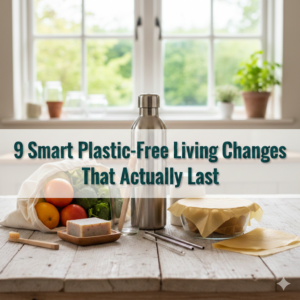
9 Simple Lifestyle Adjustments to Embrace Plastic-Free Living for Good
Plastic is everywhere. It’s in your kitchen, in your bathroom, stuffed inside your grocery bags and floating around in your drinking water. Researchers have detected microplastics in human blood, lungs and breast milk. That’s a sobering reality — but it’s also a jarring one.
The good news? You don’t need to completely make over your life overnight. Living plastic-free is not about being perfect. It’s about making wiser choices, one at a time, that do last.
This article takes you through nine sustainable, realistic changes that real people do, in fact, manage to stick with. No guilt trips. No impossible standards. Just changes that work.
Why Most Plastic-Free Plans Fail (And How to Avoid That Pitfall)
Many people attempt to go plastic-free by making a lot of eco-friendly purchases all in one batch. They junk everything, buy bamboo and glass replacements, and feel proud for a couple of weeks. And then life gets busy, stuff breaks and old habits resurface.
The main reason these plastic-free initiatives don’t stick: they center on purchasing, not changing habits.
Actual plastic-free living is about building new routines, not just swapping products. When you focus on behavior change first, the results actually stick.
This is what it looks like on the ground.
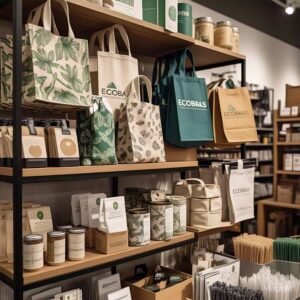
1. Swap Your Plastic Bags for Reusable Ones — and Keep Them Where You’ll Actually Use Them
Reusable bags have been around for decades. Most people own at least one. But how many times have you left yours at home?
The trick is not spending more on bags. It’s putting them where you won’t forget about them.
Make It Automatic
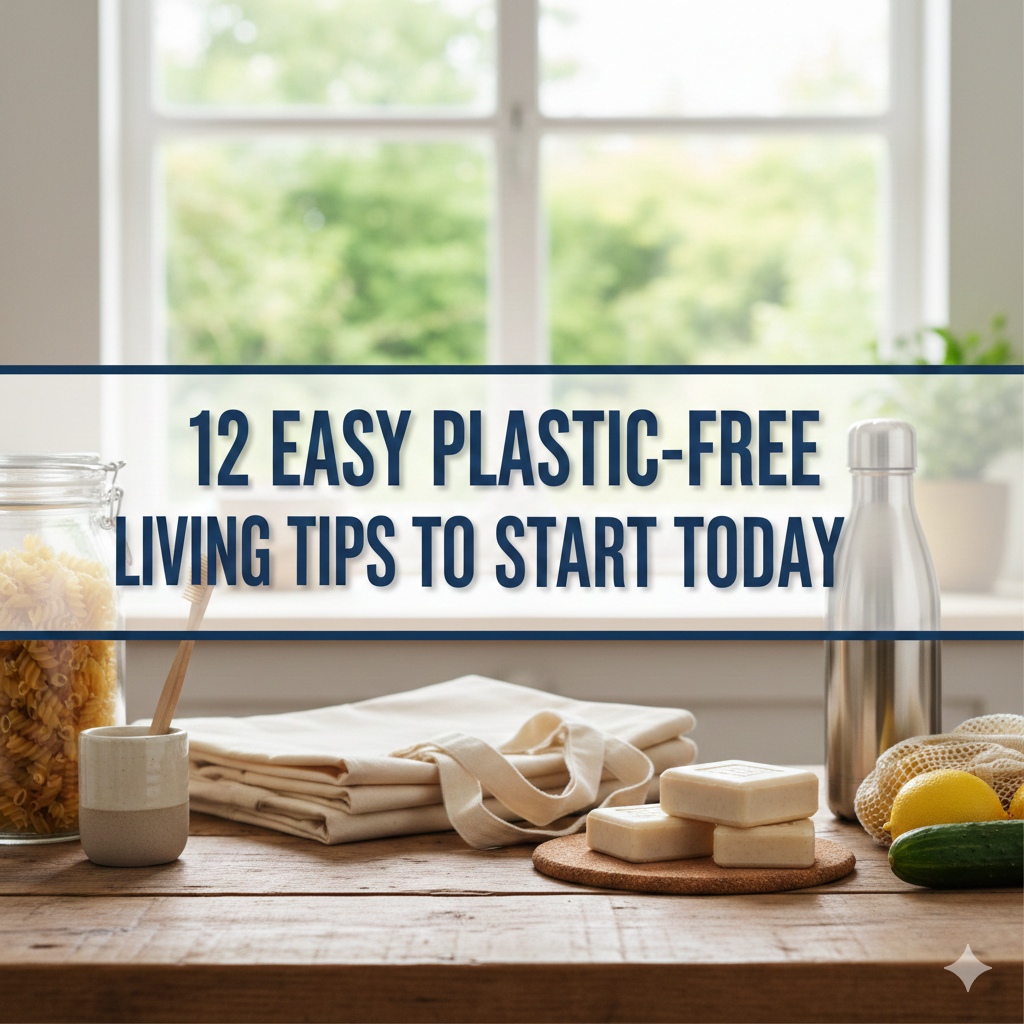
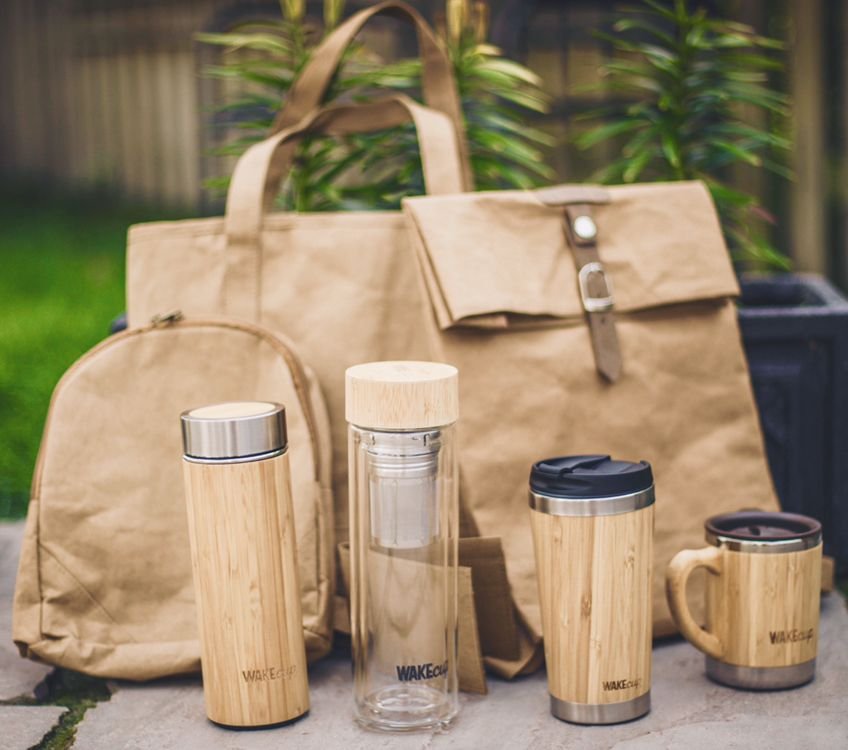
Stash a few reusable bags in your car, by your front door and inside your everyday backpack or purse. Bags that you already have with you, you use without much thought.
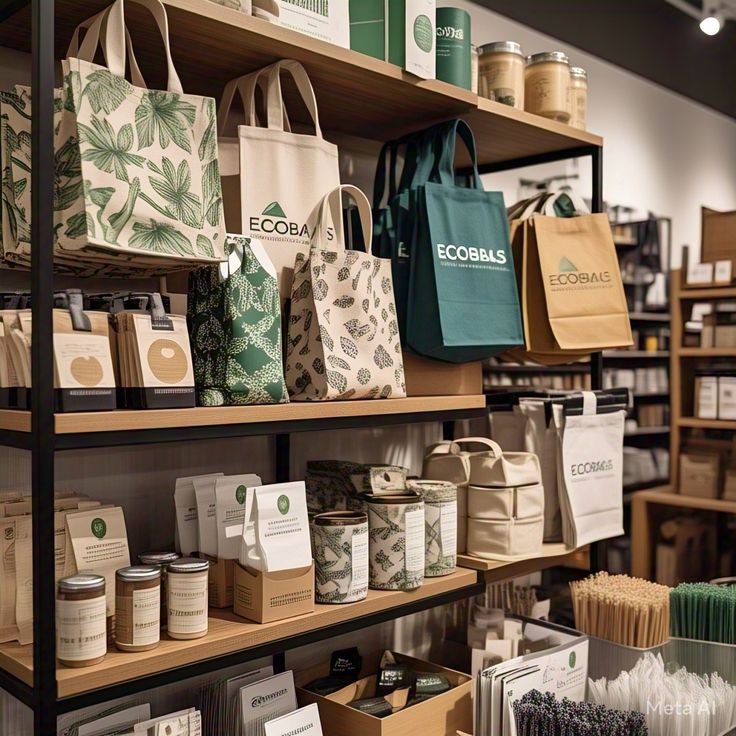
Mesh produce bags are another smart add-on. They replace the flimsy plastic bags you grab for fruits and vegetables at the supermarket. They’re lightweight, washable and last for years.
Quick Impact Table:
| Item | Single-Use Plastic | Reusable Substitute | Avg. Lifespan |
|---|---|---|---|
| Shopping bag | Discarded after 1 use | Cotton tote bag | 5–10 years |
| Produce bag | Discarded after 1 use | Mesh produce bag | 3–5 years |
| Bread bag | Discarded after 1 use | Beeswax wrap or cloth bag | 1–3 years |
One reusable bag could stand in for hundreds of plastic ones each year. That adds up fast.
2. Ditch the Plastic Water Bottle for Good
This one might seem like a no-brainer, but it’s worth repeating: single-use plastic water bottles are among the biggest sources of plastic waste on the planet.
Americans purchase about 50 billion plastic water bottles a year. Many of them wind up in a landfill or the ocean.
The One-Bottle Rule
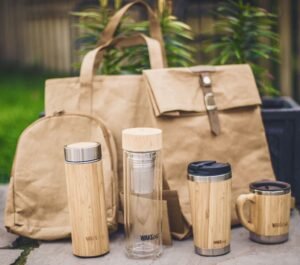
You need only one good water bottle. Not five. Just one that you’ll really enjoy using.
Seek out stainless steel or glass varieties. Stainless steel is strong and resists odors, meaning you can use it for other drinks without any lingering smells or flavors. Glass is a great option if you value a cleaner taste and don’t mind treating it with a bit more care.
Carry it everywhere. Your phone gets charged every day — treat your water bottle the same way.
Pro tip: If you’re concerned about tap water quality, consider investing in a countertop or fridge filter rather than relying on bottled water. It ends up being cheaper in the long run and much better for the planet.
3. Rethink Your Kitchen Wrap and Food Storage Options
Your kitchen is among the leading sources of plastic in your home. Plastic wrap, zip-lock bags and foam trays show up at nearly every meal.
The good news is that the kitchen is also one of the easiest places to make changes stick.
Food Storage Swaps That Actually Work
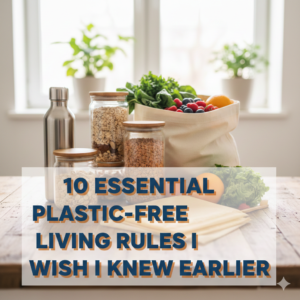
Glass jars are underrated. Mason jars are perfect for storing leftovers, dry goods, smoothies and even soups. They are inexpensive, last forever, and can even go straight into the dishwasher.
Beeswax wraps have become a fan-favorite replacement for plastic wrap. They conform to the shape of whatever you’re covering and can be washed and reused dozens of times. And when they’re worn out, they’re compostable.
Silicone bags are another winner. They’re flexible, airtight and can be reused for years. They can be used for snacks, marinating or even sous vide cooking.
Common Kitchen Plastic vs. Lasting Alternatives:
| Plastic Item | Better Option | Why It Lasts |
|---|---|---|
| Plastic wrap | Beeswax wrap | Reusable 200+ times, biodegradable |
| Zip-lock bags | Silicone bags | Washable, airtight, lasts years |
| Plastic containers | Glass jars or containers | Durable, oven-safe, no leaching |
| Plastic straws | Stainless steel or bamboo straw | Years of use, easy to clean |
Start with just one swap. Replace plastic wrap first, then move on from there.
4. Change Out Your Shampoos and Soaps for Bars
The second-biggest plastic hotspot in your home may be the bathroom. Shampoo bottles, conditioner bottles, body wash and liquid soap containers — all plastic, all typically discarded after a single use.
Shampoo bars are one answer. One bar usually equals two to three bottles of liquid shampoo. They come with no plastic packaging — or at most a small cardboard sleeve.
Getting Past the “Transition Phase”
Some people notice their hair feels waxy or heavy during the first one to two weeks after switching from liquid shampoo to a shampoo bar. This is normal. Your scalp is adjusting after years of silicone-heavy products.
Push through it. Most people report that their hair feels better after the adjustment period than it ever did with bottled shampoo.
The same applies to bar soap for the body. It lasts longer than body wash, doesn’t require a plastic bottle, and is often made with simpler, cleaner ingredients.
Bathroom Plastic Audit — How Much Could You Cut?
The average person uses about 11 personal care products a day. Many come in plastic bottles. Converting only your shampoo, conditioner and body wash into bars could cut 6–10 plastic bottles per year, per person.
5. Buy in Bulk — and Bring Your Own Containers
Bulk buying doesn’t just save you money (though it certainly helps with that too). It’s also one of the most impactful strategies for plastic-free living, because you’re removing packaging almost entirely.
Many grocery stores, co-ops and specialty shops have bulk sections where you can fill your own containers with grains, nuts, spices, flour, coffee and more.
How to Start Bulk Shopping Without the Stress
It doesn’t hurt to call your local store first and ask if they allow customers to bring reusable containers. Most do. Some will even weigh your empty container in advance — this is called a “tare weight” — so you’re only charged for the food.
Bring glass jars or cloth bags. Label them. Write down what you need before you go so you’re not standing in the bulk aisle for 30 minutes.
This habit takes a little prep work at first but becomes a welcome routine after that.
6. Say No to Plastic Cutlery and Straws Before You’re Asked
Here’s a habit that costs you nothing: simply say no before the plastic arrives.
When you order takeout, request “no plastic cutlery” before you finish your order. At a restaurant, say “no straw please” before the server puts one in your drink.
Carry a Simple Zero-Waste Kit
A modest kit to keep in your bag can handle just about any situation:
- A reusable stainless steel or bamboo straw
- A set of lightweight bamboo or metal cutlery
- A small cloth napkin
It takes up next to no space, and it means you’re never stuck using disposable plastic in a pinch.
You won’t need it every day. But having it with you means you’re ready when it matters.
7. Choose Plastic-Free Personal Care Products
Plastic-free living extends beyond the obvious stuff. Your toothbrush, razor, cotton swabs and even dental floss are often packed with plastic.
The shift here isn’t complicated. It’s just about paying attention.
Easy Personal Care Swaps
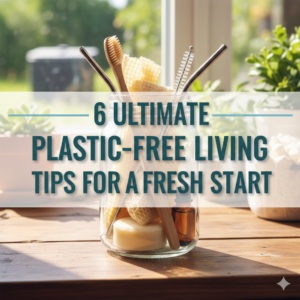
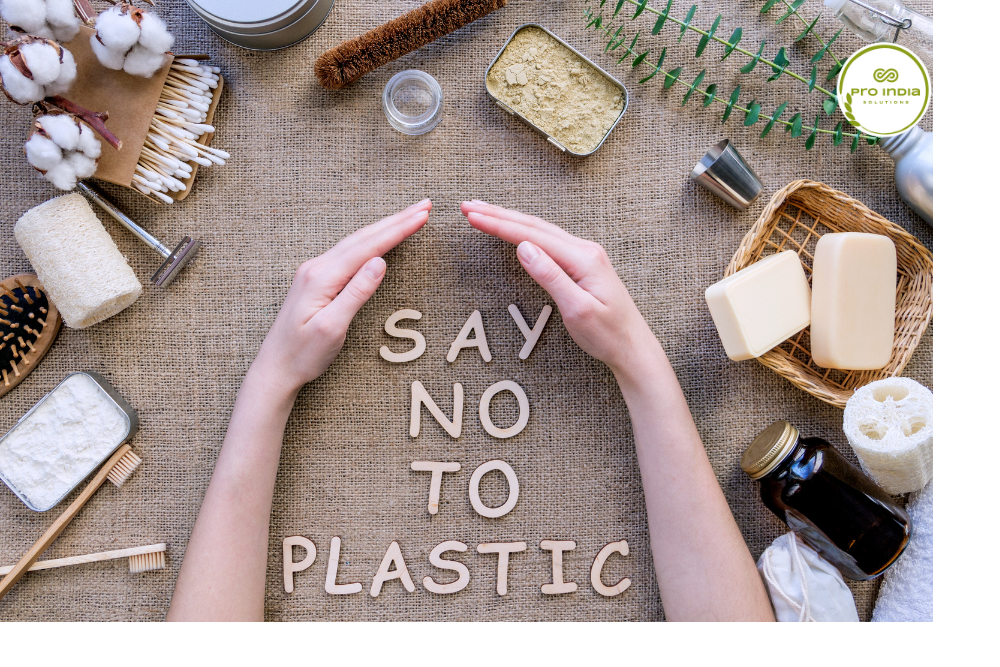
Toothbrush: Bamboo toothbrushes are as effective as plastic ones. The bristles are typically made from nylon — fully plastic-free bristles are still being developed — but the handle is compostable. That’s still a huge improvement.
Razor: Safety razors are old-school but great. They use thin metal blades that are fully recyclable and last for weeks. A single safety razor handle can last a lifetime. Compare that to a disposable plastic razor that gets tossed after a few uses.
Cotton swabs: Look for ones with paper stems instead of plastic. They work exactly the same way and biodegrade naturally.
Dental floss: Some brands sell floss made from silk or plant-based materials, packaged in small glass jars. They’re a bit more expensive, but one container lasts for months.
Personal Care Plastic Swap Overview:
| Product | Plastic Version | Plastic-Free Version |
|---|---|---|
| Toothbrush | Plastic handle | Bamboo handle |
| Razor | Disposable plastic | Stainless steel safety razor |
| Cotton swabs | Plastic stem | Paper stem |
| Dental floss | Nylon in plastic case | Silk floss in glass case |
| Deodorant | Plastic stick | Cardboard tube or tin |
8. Shop Secondhand and Refuse Unnecessary Packaging
One of the most effective plastic-free changes you can make isn’t about what you buy — it’s about what you refrain from buying new.
Manufacturing new products requires vast amounts of resources, including plastic for packaging and shipping materials. When you buy secondhand, you skip all of that.
Thrifting as a Plastic-Free Strategy
Thrift stores, online marketplaces like Facebook Marketplace or Depop, and local buy-nothing groups are great places to find clothes, furniture, kitchen items and electronics without any new plastic packaging.
This isn’t about being cheap. It’s about being smart. Shopping secondhand is one of the lowest-effort, highest-impact plastic-free habits you can build.
When you do buy new, look for products with minimal or plastic-free packaging. Many brands now ship with paper tape, recycled cardboard and zero plastic filler. Support those companies — your purchasing choices send a real signal.
9. Compost Your Food Waste Instead of Sealing It in Plastic Bags
This one surprises people. What does composting have to do with plastic?
A lot, actually. Most people throw food scraps into plastic trash bags that then go to landfill. According to the U.S. Environmental Protection Agency, food in landfill doesn’t break down properly — it produces methane, a potent greenhouse gas. And the plastic bag it came in stays in the ground for hundreds of years.
Getting a Compost System Going That Works for You
You don’t need a large backyard to compost. Here are three options, tailored to your living situation:
Outdoor compost bin: Ideal for houses with a yard. Toss in fruit and vegetable scraps, coffee grounds, eggshells and yard waste. Give it a turn every now and then, and in a few months you’ll have rich compost for your garden.
Countertop compost collector: A small container that you fill during the week and empty at a local composting drop-off site or community garden. Many cities offer these programs.
Worm bin (vermicomposting): Surprisingly low-odor and perfect for apartments. Worms break down food scraps into incredibly fertile compost. A well-maintained worm bin doesn’t smell.
Composting means you need fewer plastic bags for trash, and it diverts food waste away from the landfill. Two wins at once.
How Long Does It Take to Build These Habits?
Research indicates it takes an average of 66 days to form a new habit — not the old myth of 21 days. So some of these changes will feel awkward for a month or two. That’s completely normal.
The trick is to begin with just one or two changes, not all nine at once.
Suggested Starter Plan:
| Week | Focus |
|---|---|
| Week 1–2 | Reusable bags + water bottle |
| Week 3–4 | Kitchen food storage swaps |
| Week 5–6 | Bathroom product switches |
| Week 7–8 | Bulk buying + personal care |
| Week 9–12 | Composting + cutlery kit + secondhand shopping |
Go at your own pace. The goal is progress, not perfection.
The Real Cost Comparison: Plastic vs. Plastic-Free
A common concern is that plastic-free living costs more. Some items do cost more up front. But most plastic-free alternatives ultimately save money over time.
Cost Comparison Over 1 Year:
| Item | Plastic Option (Annual Cost) | Plastic-Free Option (Annual Cost) |
|---|---|---|
| Water bottles | $200–$400 | $0 (after one-time purchase) |
| Shampoo + conditioner | $40–$80 | $20–$40 (bars) |
| Razors | $30–$60 | $10–$15 (blade replacements) |
| Food storage bags | $20–$40 | $0 (after silicone purchase) |
| Trash bags (reduced with composting) | $30–$50 | $10–$20 |
The savings amount to hundreds of dollars a year for most households.
FAQs About Plastic-Free Living
Q: Do I have to throw away all my plastic stuff to start? No. Just use what you have until it wears out and then replace it with a plastic-free alternative. Tossing out perfectly good items in order to buy eco-friendly versions actually generates more waste, not less.
Q: Is plastic-free living only for people with money? Not at all. Many plastic-free swaps end up saving money. Bulk buying, bar soaps, reusable bags and secondhand shopping are all budget-friendly. Start with the free changes — like saying no to plastic cutlery — and work your way up from there.
Q: What about recycling? Isn’t that enough? Recycling helps, but it isn’t a complete solution. Approximately 9% of all plastic ever produced has been recycled. Using less plastic in the first place is far more effective than recycling it after the fact.
Q: Can I be plastic-free if I live alone or in a small apartment? Absolutely. Even in smaller spaces, going plastic-free is surprisingly easy. A countertop compost bin, a few glass jars and a set of reusable bags take up very little space.
Q: How do I handle plastic-free living when traveling? Bring your reusable water bottle, cutlery kit and a small bag. Say no to hotel single-use toiletries and bring your own bar shampoo and soap. Travel is one of the easiest places to cut down on plastic once you’re in the habit.
Q: What if my family or roommates aren’t on board? Focus on your own choices first. Don’t lecture or pressure others. When they see how simple and affordable your swaps are, many people naturally become curious and start making their own changes.
Wrapping It All Up
Plastic-free living isn’t about being perfect. It’s about being intentional.
Every plastic bottle you don’t buy, every reusable bag you carry, every bulk bin you fill — those choices all add up over a lifetime. And when millions of people make them, the impact is enormous.
The nine changes in this article were selected because they last. They fit into real life. They save money. And they make a real difference.
Pick one. Start today. Build from there.
The planet doesn’t need a handful of perfect people living zero-waste lives. It needs millions of people making imperfect but consistent progress.
That’s you. You can do this.