9 Smart Family Plastic-Free Living Hacks That Actually Work
A practical, realistic guide for households who want less plastic without more stress
Plastic is everywhere — in lunchboxes, shampoo bottles, grocery bags, toys, cleaning supplies, even the lining of food cans. For families, reducing plastic can feel overwhelming. Between busy schedules, tight budgets, picky eaters, and convenience needs, going plastic-free might sound like a luxury lifestyle reserved for minimalists with unlimited time.
But here’s the good news: you don’t have to be perfect, extreme, or expensive to dramatically reduce plastic at home. What works isn’t grand gestures — it’s small, repeatable systems that fit your real life.
This guide walks you through 9 smart family plastic-free living hacks that actually work, complete with cost comparisons, swap charts, weekly implementation plans, and realistic tips for homes with kids.
Why Families Struggle With Plastic Reduction
Before diving into hacks, let’s understand the friction points:
| Challenge | Why It Happens | Typical Result |
|---|---|---|
| Convenience culture | Plastic is cheap, lightweight, and everywhere | Default choices are plastic |
| Kids’ routines | Lunches, snacks, sports, school supplies | High plastic packaging |
| Budget concerns | Eco alternatives seem expensive | Delay in switching |
| Habit loops | Grocery habits rarely change | Repeat buying patterns |
| Time constraints | Busy households need speed | Single-use wins |
The key isn’t willpower — it’s designing smarter systems.
Hack #1: Create a “Plastic Exit Strategy” (Start With a Household Audit)
Most families fail because they try to eliminate everything at once. Instead, treat plastic reduction like a financial budget: track it first.
Step 1: One-Week Plastic Audit
For one week, collect all plastic waste in a box (clean and dry). Don’t change behavior yet. Just observe.
After 7 days, sort it into categories:
| Category | Examples | % of Total (Estimate) |
|---|---|---|
| Food packaging | Snack wrappers, produce bags | 35% |
| Bathroom | Shampoo bottles, toothpaste tubes | 20% |
| Cleaning supplies | Spray bottles, detergent | 15% |
| Takeout | Containers, cutlery | 10% |
| Miscellaneous | Toys, mail packaging | 20% |
Now circle the top 2 categories. That’s where you start.
Why This Works
You’re targeting the biggest impact first — not guessing. Families often discover that 60–70% of their plastic comes from just a few sources.
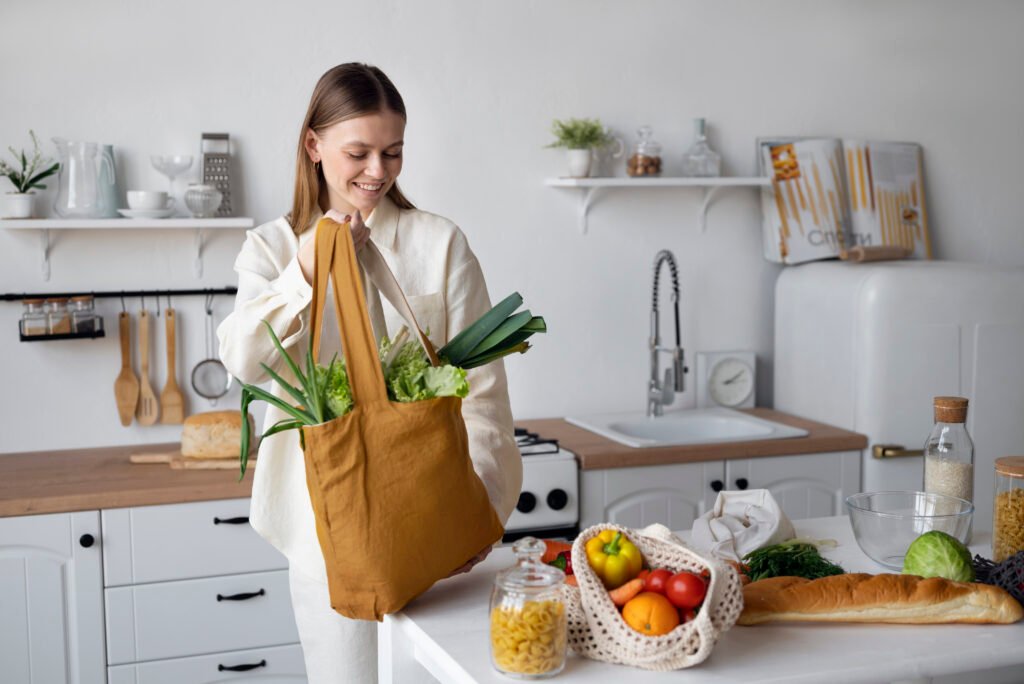
Hack #2: Upgrade Your Kitchen First (Biggest Impact Zone)
The kitchen is plastic headquarters.
Here are the swaps that save the most waste and money long-term:
Smart Kitchen Swap Table
| Replace This | With This | Initial Cost | Annual Savings | Waste Reduction Level |
|---|---|---|---|---|
| Plastic wrap | Beeswax wraps or silicone lids | $15–$30 | $40 | High |
| Ziplock bags | Reusable silicone bags | $25–$50 | $60 | High |
| Paper towels | Washable cloths | $20 | $120 | Very High |
| Plastic produce bags | Mesh produce bags | $15 | $25 | Medium |
| Plastic water bottles | Stainless steel bottles | $15–$25 each | $200+ | Very High |
Example Cost Comparison: Bottled Water vs Reusable
Average bottled water cost per family/month: $40
Annual cost: $480Reusable bottle investment for 4 people:
4 bottles x $20 = $80Savings in Year 1: $400
Savings in Year 2+: $480 per year
Plastic-free living often becomes cheaper within 3–6 months.
Hack #3: Master the “Lunchbox System”
School lunches generate enormous plastic waste. The trick is systemization.
The 5-Compartment Method
Instead of individual packaged snacks:
- 1 fruit
- 1 protein
- 1 crunchy snack
- 1 veggie
- 1 treat
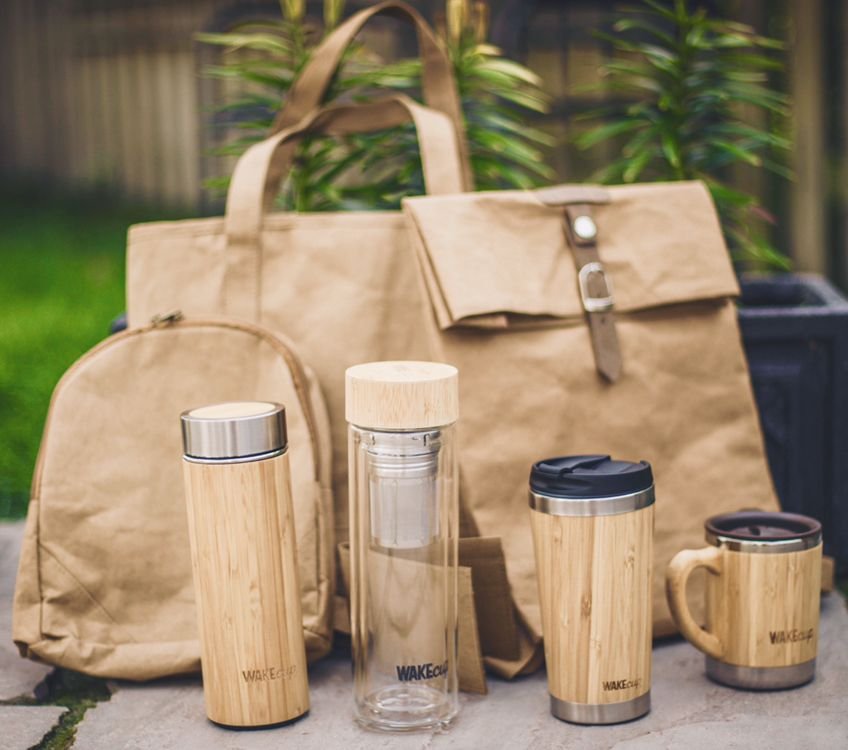
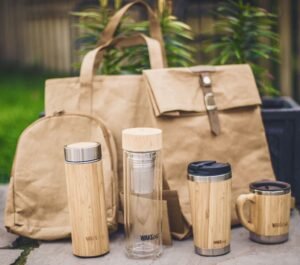
Use stainless steel or bamboo bento boxes.
Weekly Lunch Prep Chart
| Day | Fruit | Protein | Crunchy | Veggie | Treat |
|---|---|---|---|---|---|
| Mon | Apple slices | Boiled egg | Popcorn | Carrots | Homemade cookie |
| Tue | Grapes | Hummus | Pretzels | Cucumber | Dark chocolate |
| Wed | Banana | Cheese cubes | Nuts | Peppers | Muffin |
| Thu | Orange | Yogurt (jar) | Crackers | Snap peas | Energy bite |
| Fri | Berries | Tuna mix | Seeds | Cherry tomatoes | Brownie square |
Result:
No snack wrappers. No juice boxes. No single-use cutlery.
Families report cutting lunch-related plastic by 80% within two weeks.
Hack #4: Switch Bathroom Products Strategically
Bathroom plastic feels unavoidable — but it’s actually one of the easiest zones to improve.
High-Impact Bathroom Swaps
| Plastic Item | Plastic-Free Alternative | Notes |
|---|---|---|
| Shampoo bottle | Shampoo bar | Lasts 2–3 months |
| Liquid soap | Bar soap | Cheaper long term |
| Body wash | Bar soap | Zero bottle waste |
| Toothpaste tube | Toothpaste tablets | Compostable packaging |
| Disposable razors | Safety razor | Blades recyclable |
| Plastic toothbrush | Bamboo toothbrush | Replace every 3 months |
Cost Comparison: Shampoo
| Item | Cost | Months Lasted | Cost per Month |
|---|---|---|---|
| Liquid shampoo bottle | $6 | 1 | $6 |
| Shampoo bar | $12 | 3 | $4 |
Over a year (family of 4):
Savings = approximately $96.
Hack #5: Buy in Bulk (But Do It Smartly)
Bulk buying can dramatically cut packaging waste — but only if done properly.
Rules for Smart Bulk Buying
- Bring your own containers.
- Only buy what you’ll actually use.
- Focus on shelf-stable foods first.
Best Bulk Items for Families
| Category | Ideal Bulk Foods |
|---|---|
| Grains | Rice, oats, pasta |
| Baking | Flour, sugar |
| Snacks | Nuts, seeds |
| Beans | Lentils, chickpeas |
| Spices | Frequently used ones |
Plastic Reduction Impact Chart
Standard packaged rice bag: 1 plastic bag per month
Bulk rice in reusable jar: 0 plastic bagsOver 12 months:
12 plastic bags avoided per household
Multiply this by 6–8 staple items and the numbers add up quickly.
Hack #6: Rethink Cleaning Supplies
Cleaning aisles are plastic-heavy zones. But modern refill systems make it simple.
Cleaning Swap Table
| Conventional Product | Plastic-Free Alternative |
|---|---|
| All-purpose spray | Concentrate tablets + glass bottle |
| Laundry detergent jug | Powder in cardboard |
| Dish soap bottle | Refillable station |
| Sponges | Compostable cellulose |
| Dryer sheets | Wool dryer balls |
Environmental Impact Snapshot
| Item | Annual Plastic Containers Avoided (Family of 4) |
|---|---|
| All-purpose cleaner | 12 bottles |
| Laundry detergent | 6 jugs |
| Dish soap | 10 bottles |
| Total | 28 containers/year |
That’s just cleaning.
Hack #7: Adopt the “One In, One Out” Rule
Plastic clutter creeps in via toys, gifts, party favors, and impulse purchases.
The Rule:
When one plastic item enters the home, one leaves (donated, recycled, repurposed).
This prevents accumulation and teaches children responsibility.
Family Participation Chart
| Age Group | Role in Plastic Reduction |
|---|---|
| 3–6 years | Sorting recyclables |
| 7–10 years | Packing plastic-free lunch |
| 11–14 years | Tracking family waste |
| Teens | Leading swap research |
Plastic reduction becomes a family mission — not a parent burden.
Hack #8: Make Takeout Plastic-Free (Or Close to It)
Takeout can undo weeks of progress.
Smart Takeout System
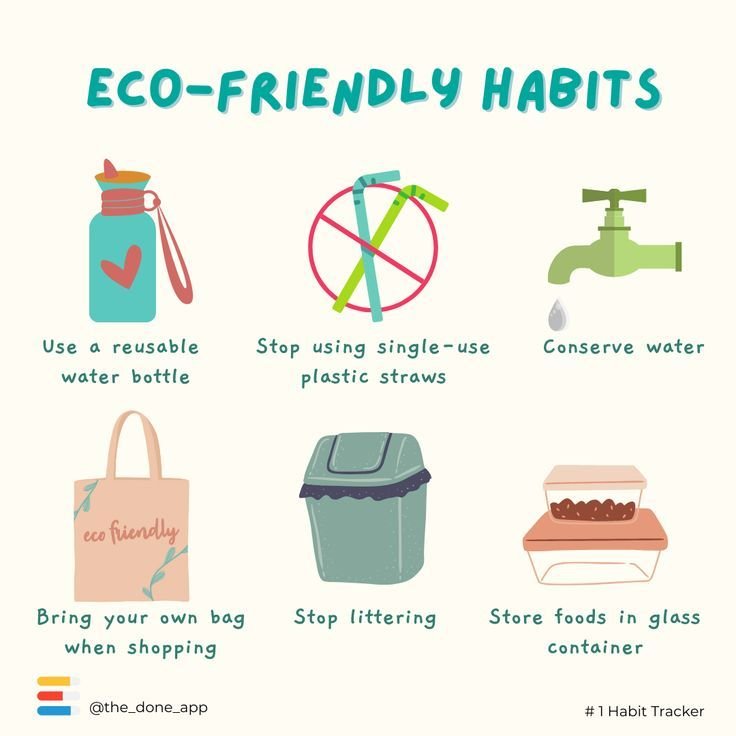
- Keep reusable containers in the car.
- Request “no cutlery” when ordering.
- Choose restaurants that allow container swaps.
Takeout Waste Comparison
| Habit | Plastic Generated per Meal |
|---|---|
| Standard takeout | 4–7 plastic items |
| With reusables | 0–2 items |
If your family orders takeout twice weekly:
Average plastic items per year (standard):
6 items x 2 times x 52 weeks = 624 itemsWith reusables:
2 items x 2 x 52 = 208 itemsPlastic avoided annually: 416 items
That’s significant.
Hack #9: Focus on Reduction, Not Perfection
The biggest mistake families make is trying to be “zero waste” immediately.
Perfection causes burnout.
Instead, aim for:
- 50% reduction in year one
- 70% in year two
- Continuous improvement
Realistic Plastic Reduction Timeline
| Month | Focus Area | Goal |
|---|---|---|
| 1 | Kitchen basics | Replace wrap & bags |
| 2 | Lunch system | Eliminate wrappers |
| 3 | Bathroom swaps | Shampoo & soap |
| 4 | Cleaning | Refill system |
| 5 | Bulk buying | Grains & snacks |
| 6 | Takeout plan | Reusable kit |
This spreads costs and effort.
The Financial Truth About Plastic-Free Living
Many assume plastic-free equals expensive. In reality:
5-Year Cost Projection (Family of 4)
| Category | Conventional Cost (5 yrs) | Plastic-Free Cost (5 yrs) | Savings |
|---|---|---|---|
| Bottled water | $2,400 | $400 | $2,000 |
| Paper towels | $3,000 | $500 | $2,500 |
| Plastic bags | $600 | $100 | $500 |
| Cleaning products | $1,200 | $800 | $400 |
| Total | $7,200 | $1,800 | $5,400 |
Plastic-free systems often save thousands long term.
What Families Notice After 6 Months
Common reported changes:
- Lower grocery bills
- Less trash day overflow
- Cleaner kitchen counters
- Kids becoming environmentally aware
- Reduced clutter
Interestingly, many families report something unexpected: greater intentionality in purchasing decisions.
When you stop buying convenience plastic, you buy more consciously.
The Psychology Behind What Works
Plastic-free habits stick when they:
- Reduce friction
- Save money
- Fit existing routines
- Involve children
- Show visible results
Behavior science shows that visible progress increases consistency. That’s why tracking waste visually is powerful.
Sample Monthly Plastic Reduction Tracker
| Month | Trash Bags Used | Recycling Bags | Notes |
|---|---|---|---|
| January | 8 | 6 | Baseline |
| February | 6 | 5 | Switched lunch system |
| March | 5 | 4 | Bathroom swaps |
| April | 4 | 3 | Bulk buying started |
Seeing the numbers drop reinforces the habit.
Common Mistakes to Avoid
- Throwing out plastic items prematurely
- Buying trendy eco products you won’t use
- Shaming family members
- Trying to convert overnight
- Ignoring budget realities
Use what you have first. Replace only when needed.
A Visual Snapshot: Where Plastic Hides Most
Kitchen         40%
Bathroom        20%
Cleaning        15%
Lunch/School    15%
Miscellaneous   10%
Start where the bars are longest.
Final Thoughts
Plastic-free living isn’t about glass jars on Instagram. It’s about:
- Systems over guilt
- Progress over perfection
- Family teamwork over solo effort
When done realistically, plastic reduction becomes easier each month — not harder.
And the real success metric isn’t zero waste.
It’s creating a household that thinks before it consumes.
Frequently Asked Questions (FAQs)
1. Is plastic-free living realistic for busy families?
Yes — if approached gradually. Focus on one area at a time (like lunches or cleaning supplies). Systems, not perfection, make it sustainable.
2. Isn’t plastic sometimes more hygienic?
In certain medical or food safety contexts, plastic has advantages. At home, however, stainless steel, glass, and silicone are equally safe and often more durable when cleaned properly.
3. What if my kids resist the changes?
Involve them in decision-making. Let them choose their reusable bottle or lunchbox. When children feel ownership, resistance decreases.
4. Is it worth switching if I can’t eliminate everything?
Absolutely. Even a 30–50% reduction significantly lowers household waste over time. Partial progress still creates measurable environmental and financial impact.
5. Are plastic-free products always better for the environment?
Not automatically. The most sustainable product is often the one you already own. Replace items when they wear out — not prematurely.
6. How long does it take to see results?
Most families notice visible waste reduction within 30–60 days. Financial savings typically become noticeable within 3–6 months.