9 Must-Have Plastic-Free Living Baby Products Parents Swear By
Everything changes when you become a parent — even the way you look at the things that fill your home.
The arrival of a baby brings news, and stuff. Bottles, binkies, toys, wipes, diapers, food pouches, bath gear. Most of it arrives wrapped in plastic, is made out of plastic, or is intended to be thrown away after a few uses.
That’s an issue for two reasons.
For one, babies are more susceptible to chemicals than adults. Their bodies are still developing, and some of the chemicals prominent in plastics — things like BPA, phthalates, and PVC — have been tied to hormonal disruption, as well as developmental issues. Second, the amount of single-use plastic that comes with a new baby is overwhelming. One study calculated that one child creates about a ton of diaper waste on his or her own before becoming potty trained.
Plastic-free living baby products aren’t just a fad for eco-minded parents. They are a practical and health-focused answer to a real issue.
This article discusses nine products that actual parents have tried and tested, loved, and used again and again. These are not niche items that need a special store. Most are readily accessible, affordable, and long-lasting.
Let’s get into it.
Why the Baby Product Industry Has a Plastic Problem
Enter any baby store and you will find walls of brightly colored plastic. Bottles, sippy cups, teethers, bath toys, rattles, and the squeeze-toy animals that are seemingly issued to every infant at birth — all may contain plastics.
The issue isn’t just environmental. It’s chemical.
Not all plastics are the same, but lots of baby products in particular have historically had chemicals that can leach into food, water, or a baby’s own saliva — especially when heated or chewed. BPA was eliminated from many baby products after a push from the public, but it was replaced with BPS and BPF, which may share similar risks.
Parents deciding to go with plastic-free living baby products are not just being paranoid. They’re being practical. Natural materials such as glass, stainless steel, silicone, wood, and organic cotton just don’t raise the same chemical worries.
And the planet benefits too. Each glass bottle or wooden toy that takes the place of a plastic one is one less thing headed for a landfill in 500 years.
If you’re just starting your plastic-free journey, Plastic Free Living is a fantastic resource packed with practical guides, product reviews, and tips to help families make the switch with confidence.
Product #1 — Glass Baby Bottles
Why Glass Is a Lot More Practical Than It Looks
Baby bottles used to be made of glass before plastic took over. And in recent years, they’ve made a serious comeback — with good reason.
Glass doesn’t leach chemicals. It also doesn’t take on any odors or stains. It doesn’t degrade with repeated sterilization, unlike plastic. And it’s infinitely recyclable.
Yes, glass is heavier than plastic. And yes, it can break if dropped. But today’s glass baby bottles are constructed from tempered glass, and most include silicone sleeves that cushion drops and make it easier for little hands to get a grip.
Top Features to Look For
The best glass baby bottle has a wide neck that allows for easier cleaning, a silicone nipple appropriate to your baby’s feeding stage, and includes a silicone sleeve for grip as well as protection when the baby is going through its juggling phase.
Brands such as Philips Avent, Dr. Brown’s, and Lifefactory all produce glass bottles with good reputations among parents.
Glass vs. Plastic Baby Bottles at a Glance
| Feature | Glass Bottles | Plastic Bottles |
|---|---|---|
| Chemical leaching risk | Very low | Higher (esp. when heated) |
| Durability | High (with sleeve) | Degrades over time |
| Odor/stain resistance | Excellent | Absorbs over time |
| Sterilization tolerance | Excellent | Can warp at high heat |
| Environmental impact | Recyclable | Typically landfill-bound |
| Weight | Heavier | Lighter |
A lot of parents say they switched to glass after noticing their plastic bottles looking cloudy or smelling off — an indication that the plastic was breaking down. And once they switch, most never go back.
Product #2 — Stainless Steel Sippy Cups and Toddler Cups
Transitioning From Bottles to Cups Without the Plastic
As infants develop into toddlers, they trade bottles for sippy cups. And plastic dominates the sippy cup market nearly completely.
Stainless steel toddler cups are the best plastic-free living option here. They’re durable — nearly indestructible, in fact — and they don’t come with the chemical worries associated with plastic.
Brands such as Pura, Klean Kanteen, and Munchkin (Miracle 360 in stainless) make cups designed specifically for little hands. Opt for cups with silicone lids and spouts — the material is safe to chew on and more forgiving as babies work through their teething phase.
The Dirty Secret of Plastic Sippy Cups
Plastic sippy cups have many little pieces — valves, gaskets, straws — that collect milk, juice, and moisture. Which in turn leads to mold growth that is likely to be invisible to the naked eye.
Stainless steel cups have fewer crevices. They’re easier to clean thoroughly. And they don’t take on the scent of yesterday’s milk, which any parent can tell you is a real problem.
A single good stainless steel cup, if you take care of it, will last from the sippy stage straight through elementary school. That’s several years of use from a single purchase.
Product #3 — Cloth Diapers
The Diaper Choice That Changes Everything
Few things create more plastic waste for a baby than disposable diapers. All disposable diapers contain plastic, synthetic absorbent materials, and chemical fragrances. They’re not recyclable. They don’t biodegrade quickly — estimates range between 200 and 500 years per diaper in a landfill.
Cloth diapers are the single most effective plastic-free living switch a parent can make.
Modern cloth diapers are not the flat-fold cotton squares pinned together with safety pins that many people envision. Today’s cloth diapers are fitted, adjustable, absorbent, and truly convenient.
Cloth Diaper Types Worth Knowing
All-in-ones (AIOs) work much like a disposable — snap it on, snap it off. No stuffing or folding required. These are the most straightforward option for babysitters and daycares.
Pocket diapers have a shell with an inside pocket that you stuff an absorbent insert into. They dry more quickly than AIOs and are highly customizable for heavy wetters.
Prefolds with a cover are the most affordable option. A prefold, made of either cotton or bamboo, is folded and placed inside a waterproof cover. More steps, but very economical.
| Cloth Diaper Type | Ease of Use | Upfront Cost | Best For |
|---|---|---|---|
| All-in-one (AIO) | Very easy | $$$ | Beginners, daycare |
| Pocket diaper | Easy | $$ | Customizable absorbency |
| Prefold + cover | Some learning curve | $ | Budget-conscious families |
| Fitted + cover | Moderate | $$ | Heavy wetters, overnight |
A complete stash of cloth diapers costs about $200 to $400 upfront. Disposables cost an average of $1,500 to $2,000 per child before potty training. The math is straightforward.
Product #4 — Natural Rubber or Wooden Teethers
Chewing on Plastic Shouldn’t Be the Default
Teethers go into a baby’s mouth a lot. That alone should give parents pause about what they’re made of.
A lot of traditional teethers are made from PVC or soft plastic materials that contain plasticizers. Those plasticizers can leach out — directly into a baby’s saliva.
Natural rubber teethers are the leading plastic-free living solution here. They’re soft, pliable, and entirely free of synthetic chemicals. The classic Sophie la Girafe is made of natural rubber and food-grade paint. It’s been a favorite of parents for generations.
Wooden Teethers Are Also Worth a Look
Wooden teethers made from untreated maple or beech wood are another excellent option. They’re firm, which can feel nice on aching gums, and are finished with food-safe oils rather than paint or lacquer.
What to avoid: any teether with small detachable parts, liquid-filled plastic centers, or BPA/PVC on the materials list. It’s a red flag if the packaging doesn’t explicitly state what it’s made of.
Wash natural rubber and wooden teethers with warm water and mild soap. Wood shouldn’t be put in the dishwasher — it can crack.
Product #5 — Organic Cotton or Bamboo Baby Wipes
The Wipe Problem Nobody Wants to Talk About
Some of the sneakiest sources of plastic waste in baby care are found in disposable baby wipes. Most wipes are constructed from a blend of synthetic fibers — thin sheets of plastic, essentially — and cotton or wood pulp. They’re not biodegradable. They can’t be flushed safely. And they add up quickly: a newborn may require 10 or more diaper changes a day.
Reusable cloth wipes are the plastic-free living fix here.
They sound messier than they are. For most parents who make the switch, it’s easier than anticipated in practice — especially when already using cloth diapers.
How Cloth Wipes Actually Work
Keep a stack of cloth wipes in a small container by the changing station. Wet them with an easy mix of warm water and a couple of drops of gentle baby wash. Use, toss in the same wet bag as cloth diapers, and launder together.
For parents not yet ready to go fully reusable, seek out wipes that are 100% plant-based and biodegradable. Brands such as WaterWipes (original formula), Jackson Reece, or Natracare produce wipes that biodegrade more readily than conventional brands.
Cloth wipes made from organic cotton or bamboo fleece are the softest option available — and parents often find them gentler against baby’s skin than any disposable wipe they’ve tried.
Product #6 — Stainless Steel or Glass Baby Food Containers
Storing Baby Food Without the Plastic Pouches
The baby food pouch has now become a lunchtime necessity. It’s portable and easy for toddlers to use on their own. But it’s also single-use plastic that cannot be recycled in most places.
Even the reusable squeeze pouches sold as eco-alternatives can be difficult to clean thoroughly and tend to harbor mold in their spouts and seams.
The cleaner plastic-free living solution: stainless steel or glass food containers for storing and serving homemade baby food.
Making Your Own Baby Food Is Easier Than You Think
All it takes to batch-prep baby food is a blender or food processor, some steamed vegetables, and an ice cube tray. Once frozen, the cubes pop out and can be stored in a stainless steel or glass container in the freezer.
Good containers for baby food storage:
Small glass jars (such as 4-oz mason jars) work well for individual portions. They’re simple to label, stack, and rinse.
Stainless steel snack containers with lids are great for toddlers eating finger foods and chunky meals.
Silicone freezer trays are a great way to freeze purees without any plastic — just make sure they’re 100% food-grade silicone with no fillers.
| Container Type | Best Used For | Pros | Cons |
|---|---|---|---|
| Small glass jars | Purees, storage | Easy to clean, no leaching | Breakable, heavier |
| Stainless steel containers | Finger foods, travel | Durable, leak-resistant | Pricier |
| Silicone freezer trays | Batch freezing | Flexible, easy to pop out | Can be hard to find quality |
| Reusable squeeze pouches | On-the-go | Portable | Hard to clean, mold risk |
Product #7 — Natural Fiber Baby Clothing and Swaddles
What’s Touching Your Baby’s Skin All Day Matters
The majority of baby clothing is made from synthetic fibers — polyester, nylon, acrylic. They are basically plastic woven into fabric. They don’t breathe well, can be irritating to sensitive newborn skin, and shed microplastics with every wash.
For plastic-free living, organic cotton and bamboo are the gold standard for baby clothing.
Organic cotton is cultivated without the use of synthetic pesticides. It’s soft, breathable, and gentle on new baby skin. Bamboo fabric feels even softer and has natural moisture-wicking and antibacterial properties.
Swaddles, Muslin Blankets, and Sleep Sacks
When it comes to swaddles, opt for 100% muslin cotton or bamboo muslin. These fabrics are lightweight and breathable — two important features that contribute to safe sleep — and they soften nicely with each washing.
Brands like Aden + Anais (organic muslin), Kyte Baby (bamboo), and Burt’s Bees Baby (organic cotton) are trusted by parents who prefer natural materials.
For sleep sacks, organic cotton options from brands like Halo and Woolino (merino wool) replace synthetic fleece sleep sacks and offer better temperature regulation too.
A practical tip: buy secondhand. Baby clothing is only worn for such a short period of time that used organic cotton pieces are usually in almost perfect condition. It’s the most sustainable and economical way to build a natural fiber wardrobe for a fast-growing baby.
Product #8 — Wooden and Natural Rubber Toys
The Toy Box Doesn’t Need to Be Full of Plastic
Step into a traditional toy shop and you will find a sea of brightly colored plastic. Most of it is cheap, short-lived, and destined for a landfill.
The most obvious plastic-free living choice for babies and toddlers is wooden toys. They’re sturdy, beautiful, and timeless. A well-constructed wooden toy can easily be handed down from sibling to sibling — and sometimes even generation to generation.
What Makes a Good Plastic-Free Baby Toy
Seek out toys crafted from solid wood (not pressed wood or MDF), finished with non-toxic, water-based paints or natural oils. European safety standards (EN71) and certifications from organizations like the FSC (Forest Stewardship Council) are good signs of quality and safety.
Popular plastic-free toy categories:
Wooden stacking rings and shape sorters support early fine motor skills and hand-eye coordination.
Natural rubber balls and pull toys are soft, pliable, and safe to mouth.
Wooden rattles and sensory blocks engage babies with sounds and texture — no batteries or electronics required.
Montessori-style wooden toys — simple, open-ended, and low-stimulation — are growing in popularity for supporting developmental play without flashing lights and noise.
Brands like PlanToys, Haba, Grimm’s, and Bella Luna Toys are well-regarded in the plastic-free parenting community.
According to the World Wildlife Fund’s research on plastic pollution, the long-term effects of plastic waste on ecosystems are far-reaching — making every swap toward natural materials count even more.
Product #9 — Biodegradable Baby Bath Products
What Goes on Baby’s Skin Goes Into the Water Supply Too
Baby bath time typically includes shampoos, body washes, and lotions — the majority of which come in plastic bottles and contain synthetic preservatives, fragrances, and surfactants.
Living plastic-free at bath time is about choosing products gentle enough for newborn skin while also being kind to the planet.
The Best Plastic-Free Baby Bath Swaps
Shampoo and body wash bars are the easiest swap. Solid bars don’t need plastic bottles. They last longer than liquid versions, produce minimal waste (typically just a paper wrapper), and travel well. Brands like Earth Mama, Lush, and Ethique make baby-safe bars.
Refillable baby wash systems are another option. Some brands offer concentrated refill pouches that require far less plastic than purchasing new bottles every time.
Organic, unscented cotton washcloths replace disposable cleansing wipes used during bath time. A pack of 10 to 12 will last for years.
Natural lotion in glass jars — such as pure shea butter or calendula cream — replaces synthetic plastic-pump lotions. Shea butter in particular is a one-ingredient powerhouse for dry baby skin.
| Bath Product | Plastic-Free Alternative | Why It’s Better |
|---|---|---|
| Liquid baby shampoo | Solid shampoo bar | No plastic bottle, longer lasting |
| Disposable bath wipes | Organic cotton washcloths | Reusable, gentler on skin |
| Plastic-bottled lotion | Shea butter or calendula in glass | No synthetics, minimal packaging |
| Liquid baby wash | Concentrated refill pouches | Less plastic per use |
How to Build a Plastic-Free Baby Setup Without Losing Your Mind
Start With the Products Your Baby Uses Every Day
The idea is not to replace everything all at once. That’s expensive and exhausting. Instead, begin with the items your baby uses most — the things that touch their skin, go near their mouth, or get used dozens of times a day.
Diapers and wipes top that list. Then bottles and feeding gear. Then bath products. Then toys and clothing.
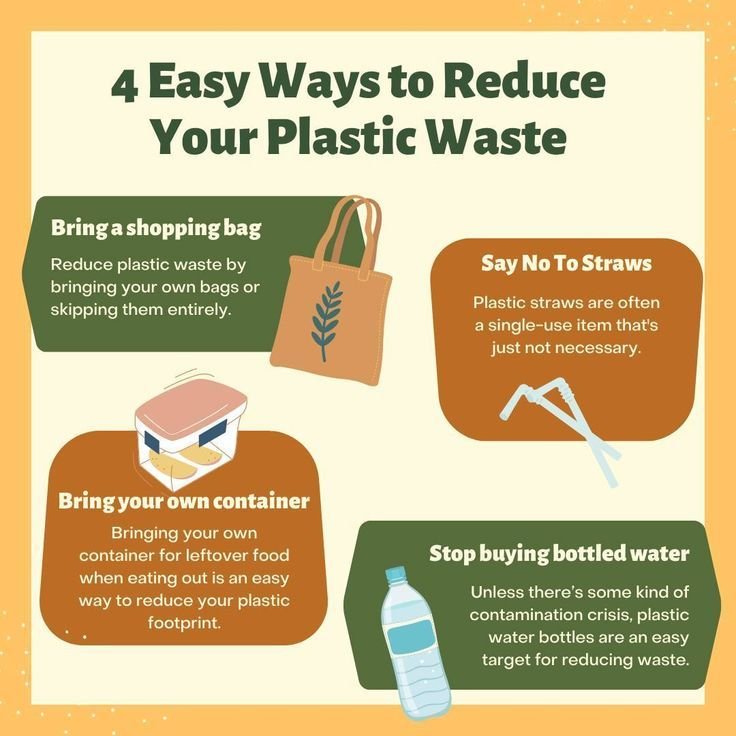
Each swap you make adds up. A household that switches to cloth diapers, glass bottles, wooden toys, and solid soap bars removes hundreds — sometimes thousands — of pieces of plastic from the waste stream each year.
Secondhand Is Part of Plastic-Free Living Too
For nearly everything on this list, secondhand is a fantastic option. You can find glass bottles, wooden toys, cloth diapers, and organic clothing in gently used condition at thrift stores, Facebook Marketplace, and local parent groups.
Purchasing secondhand extends the life of items, keeps them out of landfills, and saves real money — which can then be redirected toward the higher-quality items worth buying new.
FAQs About Plastic-Free Living Baby Products
Q: Are glass baby bottles really safe? What if they break? Yes, they are safe when used properly. The newest glass baby bottles are constructed with tempered glass, which is much stronger than ordinary glass. Silicone sleeves add extra protection. Breakage is uncommon with normal use, and lots of parents have used them day in and day out for years without a problem.
Q: As working parents, will we be able to use cloth diapers? Absolutely. Many working parents use cloth diapers at home and disposables at daycare, which dramatically reduces overall plastic waste. If a daycare allows them, all-in-one cloth diapers are almost as easy as disposables and work well in most childcare settings.
Q: How can I tell if a wooden toy is actually safe for babies? Seek out toys painted with non-toxic, water-based paint or natural oils. Look for European EN71 safety certification or ASTM safety marks. Avoid toys that have small parts or sharp edges. Responsible brands such as PlanToys and Haba disclose their materials and safety testing results.
Q: Are natural rubber teethers hygienic? Yes, when cleaned properly. Hand wash in warm water with mild soap after each use. Avoid soaking or putting them through a dishwasher as moisture can be retained inside. Inspect often for cracks or wear and replace as soon as the surface begins to degrade.
Q: What is the easiest plastic-free baby product swap to start with? The stainless steel sippy cup or glass bottle is the simplest place to start. It’s a one-time purchase that immediately eliminates dozens of plastic items per year, it’s widely available, and it doesn’t require any change in routine.
Q: Is it worth the higher price to buy bamboo and organic cotton baby clothes? Over time, yes. These fabrics tend to last longer, can withstand more washes, and can be resold or handed down in great condition. Buying a few quality pieces is more cost-effective than replacing many cheap synthetic items that pill and fall apart after one season.
Q: Where can I find affordable plastic-free baby products? Start with secondhand options: Facebook Marketplace, ThredUp, local parent groups, and consignment stores. For new items, brands such as Thrive Market, Grove Collaborative, and Amazon’s natural baby sections often offer competitive pricing on plastic-free alternatives.
The Bottom Line on Plastic-Free Living Baby Products
It’s not easy to raise a baby in a world saturated with plastic. The appeal of disposable everything is genuinely strong — particularly during those exhausting newborn weeks when every decision feels enormous.
But plastic-free living baby products exist for a simple reason: parents discovered the switch is easier than it seems, usually cheaper in the long run, and much better for both their baby’s health and the planet.
You don’t have to do all nine at once. Pick the one on this list that seems most doable right now. Perhaps it’s making the transition to a glass bottle. Maybe it’s ordering a pack of cloth wipes to try. Maybe it’s replacing that plastic teether with a wooden one.
Each small change matters. For every product you swap, that’s one less piece of plastic your baby is touching, putting in their mouth, or sending to a landfill.
And together — among all the parents making these choices, one swap at a time — those little changes add up to something truly mighty.
Your baby’s world can be softer, cleaner, and simpler. It’s just a few smart swaps away.