8 Secret Plastic-Free Living Parenting Hacks That Work
Want some plastic-free living parenting hacks that actually work without feeling like a slab of stress all day, every day?
You’re already a full-time parent.
Tack on “save the planet,” and it can all seem utterly, irredeemably overwhelming. You strive to bring up kids who are eco-aware. You’ve decided to try reducing plastic. But between the school runs, meal prep and work deadlines — where do you even begin?
The reality is this: Giving up plastic does not have to be all or nothing. It doesn’t involve buying expensive products or hours of research into alternatives. The best changes are often the smallest, simplest ones — the ones that quietly become second nature over time.
These 8 secret plastic-free living parenting hacks are not just the latest fad. These are practical, real-world strategies that busy parents are already using — and they work. Some will save you money. Some will surprise you. And each of them will make your home a little lighter on the planet.
Let’s get into it.
The Plastic Problem No One Talks About Enough: Parents
Reality check time before the hacks.
A typical family produces about 40 pounds of plastic waste per month. Much of that comes from items we hardly think about — produce bags, juice pouches, snack wrappers, shampoo bottles and birthday party supplies.
Kids, on average, make a hefty contribution to this with school lunches, toys and packaged snacks alone.
| Plastic Source | Estimated Monthly Pieces Per Child |
|---|---|
| Snack wrappers | 30–50 pieces |
| Juice pouches & plastic bottles | 20–30 pieces |
| Plastic straws | 10–20 pieces |
| Toy packaging | 5–15 pieces |
| Lunch bag single-use items | 25–40 pieces |
That adds up fast. And the scary part? The majority of it isn’t recycled — it lands in landfills or waterways.
But here is the empowering part: Small habit changes within your home can easily shave off that number. When your kids are part of those shifts, the influence is two-fold — because they bring those habits to school, friends’ homes and, if we’ve done our job right, into their own adult lives.
Hack 1: Create a “Plastic-Free Station” on Your Kitchen Counter
Most parents endeavor to cut back on plastic reactively: snatching a reusable bag at the last moment or feeling guilty after tossing yet another plastic bottle.
Flip the script. Make the green choice the default choice.
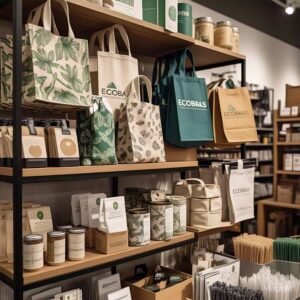
Create a plastic-free zone in your kitchen. It’s a small corner, drawer or basket full of all the things your family needs to stay away from plastic in daily life.
What Goes in the Station
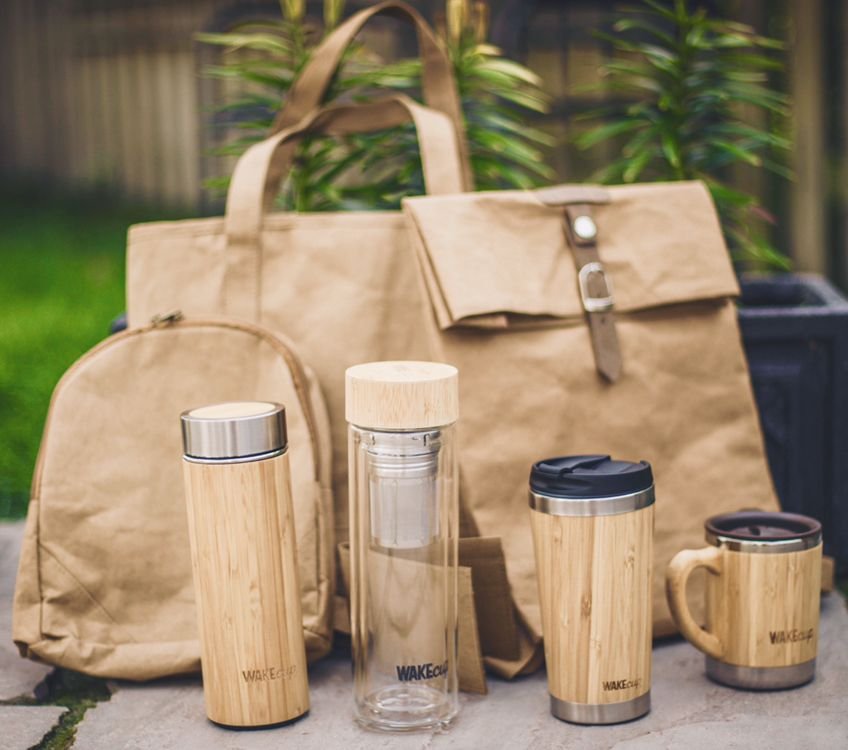
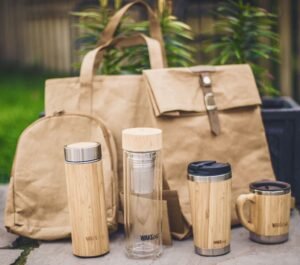
- Reusable shopping bags (hanging on a hook by the door)
- Beeswax wraps or silicone food bags
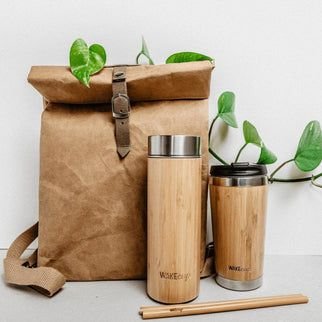
- Reusable water bottles and cups
- Bamboo or metal straws
- A small grocery list notepad (to avoid buying prepackaged stuff you don’t need)
When everything is in one spot, it becomes a habit without thinking about it. The kids can snatch their own reusable bottle from the station before school. You can grab bags on the way out the door.
The secret here is visibility. When it comes to eco habits, out of sight really is out of mind.
Hack 2: Ditch the “Snack Drawer” and Implement a Bulk Bin System
Kids love snacks. Parents buy snacks. And snacks are among the biggest sources of plastic waste in family homes.
Single bags of chips, cookie wrappings, granola bar packaging — it adds up.
The hack? Ditch the prepackaged snacks in favor of a bulk bin snack system.
How to Set It Up
Purchase snacks in bulk at your health food store, farmers market or from a bulk foods section. Store them in glass jars or metal tins, at eye level — especially at kid height.
Label each jar with your child’s artwork or a fun sticker. Make it theirs.
When children can see their food, they grab more of it. And if it’s stored in a jar rather than a crinkly plastic bag, your plastic consumption plummets.
Bonus: Purchasing in bulk usually costs less per unit than picking up individually packaged snacks at the store. This hack saves both money and plastic.
Kid-Friendly Bulk Bin Snacks to Try
- Nuts and trail mix
- Dried mango or raisins
- Granola
- Pretzels
- Rice crackers
- Sunflower seeds
Allow your child to choose one new bulk snack per week. It makes a shopping trip into an adventure.
Hack 3: Turn Lunchbox Packing Into a Family Ritual
For most families, school lunches are a plastic nightmare. Zip-lock bags, plastic wrap, single-serving yogurt cups, plastic cutlery — it all adds up to dozens of pieces of plastic each week per kid.
But here’s the thing: The lunchbox is also one of the easiest places to banish plastic altogether.
The Ritual Approach
Instead of packing lunch alone every night, make it a 10-minute ritual with your child. Let them choose what goes in. Let them pack it themselves (with a little help).
When kids are thrown into the mix, two things happen. First, they are more likely to actually eat what is packed. Second, they take ownership of their choices — including the ones that happen to be plastic-free.
Plastic-Free Lunchbox Essentials
| Disposable Item | Plastic-Free Swap |
|---|---|
| Zip-lock bags | Silicone snack containers |
| Cling wrap | Beeswax wrap |
| Plastic cutlery | Bamboo or stainless steel cutlery set |
| Plastic water bottle | Stainless steel insulated water bottle |
| Yogurt singles | Small glass jar with lid |
| Juice boxes | Homemade juice in a reusable pouch |
A stainless steel lunchbox with built-in compartments eliminates the need for bags or wrap entirely. A little upfront effort that pays off big within a week or two.
Hack 4: Gamify Your Grocery Shopping
Here’s a parenting hack that doubles as a plastic-free one: get your kids involved in the grocery shopping process.
Most parents are dragging kids unwillingly through the store. But if you send kids on a mission, shopping becomes fun — and educational.
The Plastic-Free Grocery Challenge
Before going to the store, sit with your child and explain the challenge: “We’re going to see how many things we can find that don’t come in a plastic package.”
Give them a small tally counter or have them keep score on their phone. For each plastic-free item they find, they earn a point. At the end of the trip, reward their point tally with something small — extra screen time, a fun sticker, or a special treat at dinner.
What to Look For Together
- Produce not wrapped in plastic
- Sauces in glass bottles rather than plastic
- Paper-wrapped butter instead of plastic tubs
- Loose tea instead of individually sealed tea bags
- Bakery bread in paper bags, not plastic
This game does something profound: it trains your child’s eyes to look for plastic. Once they begin seeing it, they find it everywhere. And that awareness is the foundation of every great plastic-free living habit.
Hack 5: Reimagine Birthday Parties From the Ground Up
A kid’s birthday party might be the most plastic-laden event in a child’s life. Disposable plates, plastic cups, balloon bundles, party favors in plastic bags, single-use decorations — there’s a lot of stuff.
A plastic-free birthday party can actually be more memorable than a conventional one.
Easy Swaps With a Big Impact
Decorations: Opt for fabric bunting, paper garlands, potted plants or reusable chalkboard signs instead of plastic banners and balloons.
Tableware: Use bamboo plates, paper cups and metal or bamboo cutlery. Or, even better, use your regular dishes if the party is at home.
Party favors: Skip the plastic goodie bags altogether. Instead, send each child home with a seed packet, a small plant, a homemade beeswax candle or a book.
Cake wrapping: Wrap to-go cake slices in parchment paper tied with twine instead of plastic clamshells.
Talk to Your Child About It First
The parenting hack within the hack: involve your child in the planning. Ask, “What if we threw a party that didn’t make any trash?” Kids often love the challenge. They’ll come up with ideas you never could have imagined.
Hack 6: Swap Bath Time Products — One at a Time
The bathroom is piled high with plastic. Shampoo bottles, conditioner, body wash, toothbrushes, tubes of toothpaste — it’s a wall of single-use plastic that gets replaced every couple of weeks.
The key is not to change everything simultaneously. That’s expensive and overwhelming.
The One-at-a-Time Swap System
When a product runs out, replace it with a plastic-free alternative. That’s it. No pressure. No rush.
Here’s a simple swap guide:
| Bathroom Item | Plastic-Free Replacement |
|---|---|
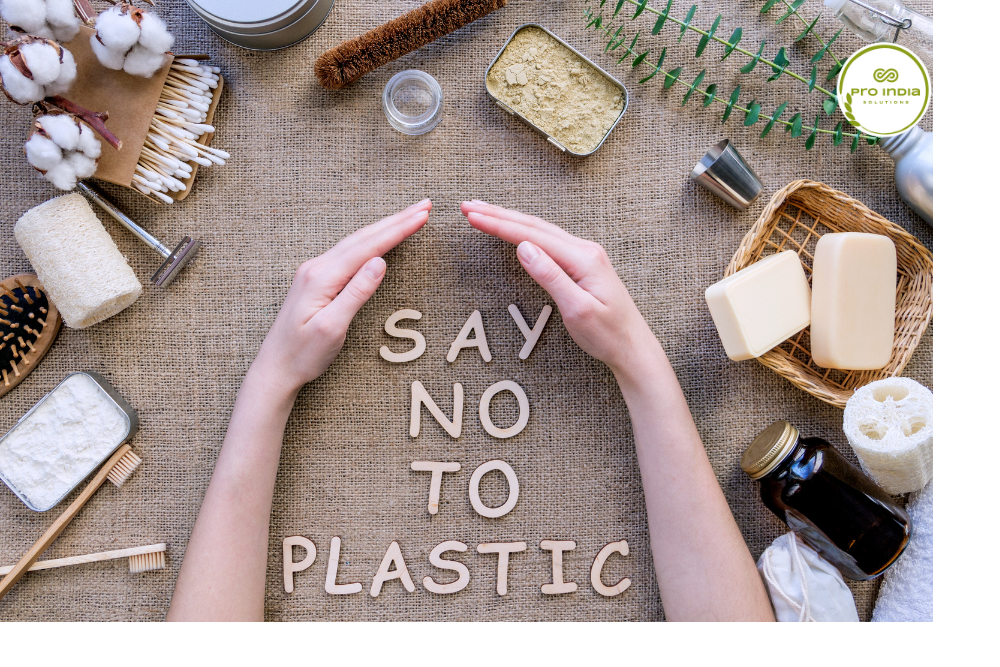
| Shampoo bottle | Shampoo bar |
| Conditioner bottle | Conditioner bar |
| Body wash bottle | Bar soap with paper wrapper |
| Plastic toothbrush | Bamboo toothbrush |
| Toothpaste tube | Toothpaste tablets in a glass jar |
| Disposable razor | Safety razor with metal handle |
Make it fun for children by letting them pick their own bamboo toothbrush color or shampoo bar scent. When kids have a say, they buy in.
For even more bathroom swap ideas and plastic-free product recommendations, Plastic Free Living is a fantastic resource to explore with your family.
A Note on Toothbrushes
An estimated 4.7 billion plastic toothbrushes are thrown away every year worldwide. Switching a family of four to bamboo toothbrushes is a small thing — but if millions of families did the same, the impact would be enormous.
Hack 7: Establish a Monthly “Plastic Audit” Ritual
This one may sound like homework, but kids really get into it if you position it the right way.
Gather your family at least once a month for a 15-minute plastic audit. Sort through your recycling and trash, and tally how many plastic items your family used that month.
How to Run It
- Categorize items by type: household, food packaging, bathroom, school supplies, toys
- Count the total
- Compare it to last month
- Celebrate if the number went down
- Problem-solve together if it didn’t
Write the monthly total on a chalkboard or family whiteboard. Make it visible. Kids respond to tracking. Watching a number decline over time is genuinely motivating — for kids and adults alike.
What This Hack Really Does
It’s about plastic reduction, but it’s doing something deeper. It shows children that their decisions have measurable consequences. It creates the habit of reflection. And it transforms plastic-free living from a vague idea into a clear, measurable family goal.
Hack 8: Make It Real Through Stories
This is the one hack you probably haven’t heard anywhere else on this list: talk in stories.
Facts don’t change behavior. Emotions do.
You can tell your child that 8 million tons of plastic enter the ocean each year — and they’ll nod and move on. But if you sit with them and watch a short film about sea turtles caught in plastic bags, or read a picture book about ocean pollution, something changes.
Stories and Resources That Work
For younger children (ages 4–8):
- The Lorax by Dr. Seuss — timeless and powerful
- Somebody Swallowed Stanley by Sarah Roberts — all about ocean plastic
- Short ocean-related animations about sea animals and plastic on YouTube (supervised)
For older children (ages 9–14):
- Documentaries like A Plastic Ocean (parental guidance advised for some scenes)
- Books like No More Plastic by Martin Dorey
- Real stories of kids making a difference — such as Melati and Isabel Wijsen, who at ages 10 and 12 launched a successful anti-plastic campaign in Bali
The Conversation After the Story
The story is just the door. What matters is the conversation that follows. Ask your child: “What were you thinking when you saw that? What do you think we can do?”
Let them lead. Let them feel angry or sad. Let them come up with ideas. It’s the emotional connection that elevates a parenting hack into a lifelong value.
How These 8 Hacks Complement Each Other
Not one of these hacks stands alone. They build on each other.
The plastic-free station makes lunchbox packing easier. The lunchbox routine reinforces the grocery game. The monthly audit reveals the impact of all those little swaps. And the storytelling habit gives everything emotional meaning.
It’s like building a house. Each hack is a brick. By itself, it’s just a brick. But together, they build something solid — a home culture where plastic-free living is simply normal.
| Hack | Time to Implement | Challenge Level | Est. Monthly Plastic Saved |
|---|---|---|---|
| Plastic-Free Kitchen Station | 1 hour | Easy | 20–30 pieces |
| Bulk Bin Snack System | 1–2 hours | Easy–Medium | 30–50 pieces |
| Lunchbox Ritual | 15 min/day | Easy | 40–60 pieces |
| Grocery Game | Per shopping trip | Easy | 15–25 pieces |
| Plastic-Free Birthday Party | Plan in advance | Medium | 50–100 pieces |
| Bath Time Product Swaps | Ongoing | Easy | Varies |
| Monthly Plastic Audit | 15 min/month | Easy | Key motivator for all other hacks |
| Storytelling Habit | As needed | Easy | Builds long-term mindset |
Frequently Asked Questions
Q: How do I get my child excited about a plastic-free lifestyle if they don’t already care about the environment?
Begin with what they already value. Do they love ocean animals? Show them what plastic is doing to the sea. Do they love playing outside? Talk about microplastics that have made their way into soil and water. Connect the dots to their world, not yours.
Q: Are plastic-free options actually affordable for the average family?
Many of them even save money in the long run. Buying snacks in bulk, using reusable bottles and bags, and choosing bar soap over liquid varieties all help you avoid repeated purchases. The upfront cost may be higher, but the monthly cost drops significantly.
Q: What if my child’s school isn’t on board with the plastic-free movement?
Focus on what you can control: the lunchbox, the water bottle, the snacks. You might also encourage your child to speak to their teacher about classroom changes — children asking for eco-friendly initiatives often go much further than parents asking.
Q: My children are still very young — is it too soon to start?
Not at all. Simple habits, like having toddlers carry a reusable bag or choose a bamboo toothbrush at the store, are accessible even to 2- and 3-year-olds. The sooner you begin, the more natural it feels to them.
Q: We’ve tried before and it didn’t stick. What should we do differently?
The biggest mistake is attempting too much change at once. Pick one hack. Just one. Master it before adding another. Slow and steady is what actually endures.
Q: Does it really make a difference if big corporations are the source of most of the pollution?
Yes — for two reasons. First, consumer preferences do influence corporate decisions over time. Second, and more importantly, the habits your children form now will shape how they make decisions as adults, as voters and perhaps one day as decision-makers themselves. Your home is not just a home. It’s a training ground.
The Larger Picture: What You’re Actually Teaching
When you use these plastic-free living parenting hacks, you’re not only bringing down the waste in your home.
You’re showing your child that their actions have consequences worth considering. That the inconvenience is occasionally worth it. That caring for something beyond yourself is a strength, not a burden.
These are not small lessons. These are the life lessons that form character.
And beyond the planet — kids who grow up forming intentional, value-driven habits are often more mindful, resilient and purposeful in every area of life.
So start with one hack. Make it easy. Make it fun. And watch your family gradually become part of the solution.
One reusable bag, one bamboo toothbrush, one bulk bin snack at a time.