8 Quick Changes for Plastic-Free Living in the Home Everyday
Plastic is everywhere. It’s in your kitchen, your bathroom, your grocery bag and even your drinking water. Researchers have detected tiny plastic particles in human blood, lungs, muscle and liver. That’s a terrifying reality — though not one we have to keep.
The good news? There’s no need to revamp your whole life in one fell swoop. Small, swift changes aggregate into something huge. This guide presents you with 8 actionable, real changes to living a plastic-free life that can be woven simply into your daily schedule — no stress, no guilt, no perfection needed.
Let’s get into it.
Why Plastic-Free Living Is Essential Right Now
The world makes more than 400 million metric tons of plastic annually. Just around 9% of it is ever recycled. The remainder winds up in trash heaps, bodies of water and the air we breathe.
Plastic doesn’t biodegrade. It simply gets broken down into smaller and smaller pieces known as microplastics. These microscopic particles work their way through the food chain — and into your body.
And outside of health impacts, plastic manufacturing is a huge driver of greenhouse gas emissions. The vast majority of plastic is made from fossil fuels. Cutting plastic isn’t only good for the ocean — it’s also helpful for the climate.
Here’s a closer look at where plastic waste is coming from most:
| Plastic Source | % of Global Plastic Waste |
|---|---|
| Packaging (e.g. food, retail) | 46% |
| Textiles & clothing | 14% |
| Consumer goods | 12% |
| Transportation | 6% |
| Electrical/electronics | 4% |
| Other | 18% |
Source: Our World in Data / OECD Global Plastics Outlook
The packaging sector alone — the goods we use and discard on a daily basis — makes up nearly half of all plastic waste. That’s where your day-to-day choices matter most.
Change #1 — Toss Your Single-Use Water Bottle and Get With the Times
This is the easiest win you’ll ever score.
Single-use plastic bottles are among the most purchased — and then discarded — plastic products in the world. There are approximately 50 billion plastic water bottles consumed each year in the United States. The vast majority end up in the trash within minutes of being opened.
The Fix Is Simple
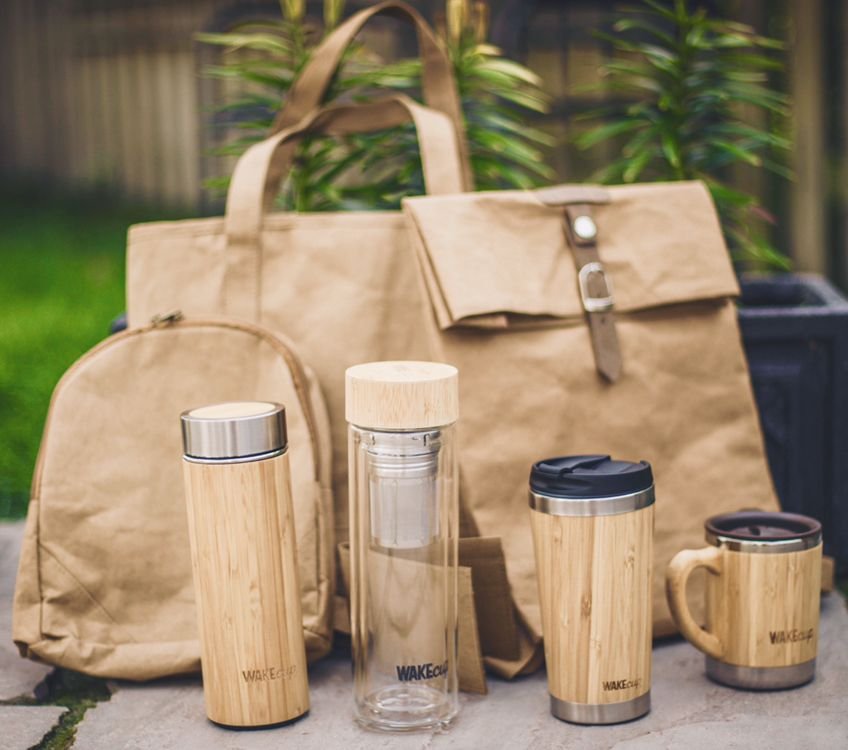
Buy a reusable water bottle. Options made of stainless steel or glass are the best, as these won’t leach chemicals into your water, especially when hot. A good stainless steel bottle lasts 10+ years.
Brands like Hydro Flask, Klean Kanteen and Stanley have helped turn reusable bottles into a daily essential — and with good reason. They stay cold for hours and hold up to daily wear and tear.
Fast math: One plastic bottle a day at $2, and you spend $730 a year. A reusable bottle costs $25–$40 once. The savings are real.
What About Plastic Filters?
Some people use pitcher-style water filters with plastic parts. This is still better than buying bottled water all the time. If you want to go further, consider stainless steel or glass filter pitchers.
The goal isn’t perfection — it’s progress.
Change #2 — Bring Your Own Bags, Every Single Time
Plastic shopping bags have an average useful life of 12 minutes. Then they’re done. But they persist in the environment for 1,000 years or more.
Worldwide, about 5 trillion single-use plastic bags are consumed annually. That’s nearly 160,000 bags a second.
Make the Habit Stick
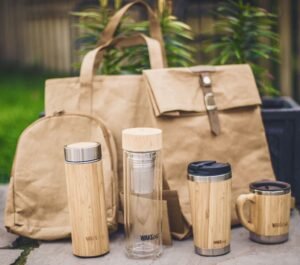
When it comes to reusable bags, the most difficult part is not purchasing them — it’s remembering them. A quick tip: keep your bags near the front door, in your car or clipped to a backpack.
Reusable options include:
- Canvas bags — rugged and washable
- Mesh produce bags — great for fruits and vegetables
- Tote bags — lightweight and foldable
Mesh produce bags are among the most convenient options, since they replace those thin, clingy plastic bags you pull off a roll in the grocery store produce section that almost no one thinks to replace.
A Small Habit With Big Impact
If one person switches to reusable bags for life, they save at least 22,000 plastic bags from entering the waste stream. Multiply that by millions of people, and the numbers start to feel staggering.
Change #3 — It’s Time to Rethink Your Kitchen Wrap Situation
Plastic cling wrap, plastic ziplock bags, plastic food storage containers — you likely have so much single-use plastic in your kitchen that it has just become invisible to you.
Better Alternatives That Actually Work
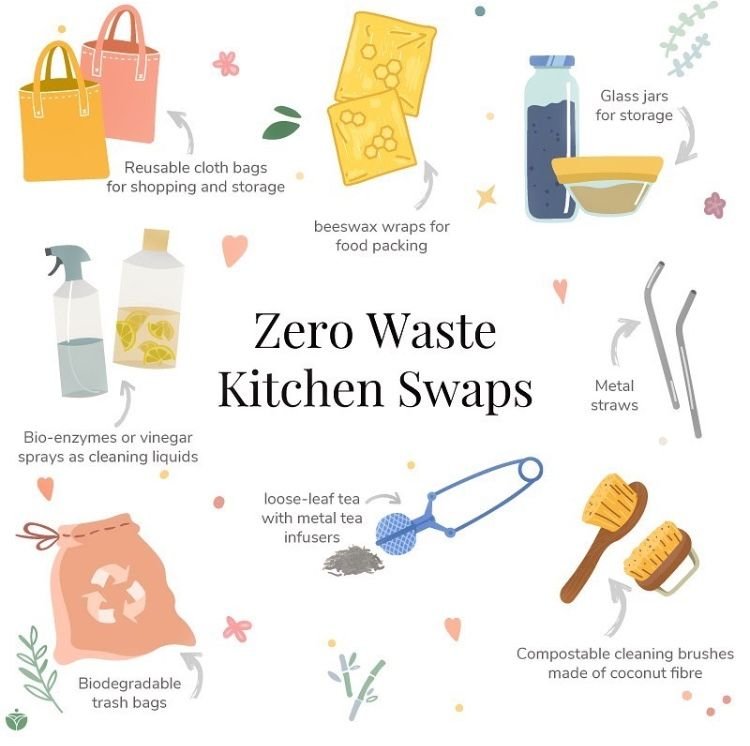
Beeswax wraps are one of the most popular plastic-free swaps. They are made from cotton coated with beeswax, jojoba oil and tree resin. You warm them with your hands, and they mold around bowls, cheese, cut fruits and more. Rinse them in cool water after use, and they last up to a year.
Silicone storage bags are another great choice. They’re reusable, washable, freezer-safe and last for years. Brands like Stasher make them in various sizes.
Glass containers with lids beat plastic Tupperware because they don’t absorb smells or stains, and you can microwave them without worrying about chemicals leaching into your food.
Here’s a quick comparison:
| Item | Single-Use Plastic | Plastic-Free Alternative | Lifespan |
|---|---|---|---|
| Cling wrap | Trash after one use | Beeswax wrap | 12 months |
| Ziplock bags | 1–3 uses | Silicone bags | 3–5 years |
| Plastic containers | 1–2 years | Glass containers | 10+ years |
| Plastic produce bags | One use | Mesh bags | Years |
Change #4 — Switch Up Your Bathroom Routine
Few people even consider the bathroom as a plastic problem zone. But take a walk through yours now and tally up the plastic: shampoo bottles, conditioner, body wash, toothbrush, toothpaste tube, face wash, razor — it adds up quickly.
The average person discards about 11 pounds of plastic a year from bathroom products alone. That’s a lot of stuff going to landfill.
Start With the Shower
Shampoo bars and conditioner bars are the biggest win here. They look like soap, but they’re designed for your hair. One bar typically lasts as long as 2–3 liquid bottles. Most come in paper or compostable packaging — no plastic at all.
Well-known brands like Ethique, HiBar and Lush offer solid options for all hair types including curly, oily and color-treated hair.
Body wash bottles can be replaced with bar soap. Basic bar soap has been around for thousands of years. It works just as well, lasts longer and generates zero plastic waste.
The Toothbrush Problem
Approximately 4.7 billion plastic toothbrushes are disposed of in landfills every year. The solution? Bamboo toothbrushes. The handles are biodegradable. Most still have nylon bristles — which you can snip off and compost the handle separately — though some brands do offer plant-based bristle options.
Toothpaste tablets are also catching on. They come in glass jars or compostable packaging. You pop one in your mouth, chew it into a paste and then brush as usual. Popular brands include Bite and Unpaste.
Plastic Razors vs. Safety Razors
Disposable plastic razors are used and tossed constantly. The alternative is a double-edge safety razor. You purchase it once — it’s metal and built to last a lifetime. All you replace is the blade, a small piece of recyclable stainless steel. Long-term, it’s cheaper too.
Change #5 — Change How You Shop for Groceries
The grocery store is essentially ground zero for plastic packaging. Almost everything comes wrapped, sealed or bagged in plastic. But with a few smart strategies, you can significantly cut your plastic intake at the store.
Shop in Bulk
Bulk bins are your best friend. Many grocery stores and co-ops have bulk sections where you can buy grains, nuts, seeds, dried fruit, spices and even some liquids using your own containers.
Bring jars or cloth bags, have the cashier weigh them empty first — this is called a tare weight — then fill them up. You pay only for the food. No packaging waste at all.
Choose Loose Produce
Opt for loose produce instead of plastic-wrapped packs of apples or bundled broccoli. You’re going to wash it anyway. The extra plastic is almost entirely unnecessary.
Read the Packaging
When you can’t avoid packaged food, look for:
- Paper, cardboard or glass packaging over plastic
- Brands with take-back programs (such as TerraCycle partnerships)
- Concentrated products that require less packaging overall
Farmers Markets Are Gold
Local farmers markets often sell produce with zero packaging. You bring your bags, pick your items, done. You’re also supporting local agriculture and reducing the carbon footprint of food transportation. Win all around.
Change #6 — Change the Way You Drink Coffee and Tea
If you drink coffee or tea daily, think about what that habit generates in plastic and single-use waste over the course of a year.
Someone who buys one coffee in a disposable cup every workday throws away about 260 cups a year. The majority of those cups are lined with plastic, making them non-recyclable.
Coffee Fixes
Bring your own cup. Most cafes will give a small discount when you bring a reusable cup. It’s worth it.
At home, skip the single-serve pod machines — Keurig pods are notoriously difficult to recycle. Get a French press, pour-over or AeroPress instead. All three make outstanding coffee with zero plastic waste. A stovetop Moka pot is a classic plastic-free option if you love espresso.
Tea Fixes
You may be drinking plastic in your tea without knowing it. Yes, really. The mesh of many “silky” pyramid bags is made from nylon or PET plastic. Even some paper tea bags are sealed with polypropylene.
Switch to loose-leaf tea with a stainless steel infuser or a glass teapot with a built-in strainer. The tea is often better quality, cheaper per cup and generates no plastic waste. For more tips and product recommendations on making the full switch, Plastic Free Living is a great resource to explore.
Change #7 — Clean Your Home Without Plastic Bottles
There are probably five to ten plastic bottles of cleaning products under your sink. Most of them are comprised mostly of water. You’re buying water in plastic.
Cleaning Concentrate Tablets
Cleaning tablets are a revelation. Companies like Blueland, Meliora and Grove Collaborative sell dissolvable tablets that you drop into a reusable spray bottle with water. Same cleaning power, no plastic bottle waste and they’re impressively compact — one tiny tablet replaces an entire bottle.
A box of tablets may cost $15 and replace a year’s worth of plastic spray bottles.
DIY Cleaning With Basic Ingredients
You don’t even need specialty products. White vinegar, baking soda, castile soap and water clean nearly everything in your home. These come in recyclable or minimal packaging and cost next to nothing.
Here’s a simple all-purpose cleaner recipe:
- 1 cup water
- 1 cup white vinegar
- 15 drops tea tree essential oil (optional, for antibacterial properties)
- 10 drops lemon essential oil (optional, for scent)
Mix in a glass spray bottle. Done.
Dish Soap Bars
Just like shampoo bars, dish soap bars exist and work shockingly well. They lather, cut through grease and come in paper packaging. No Tox Life and Meliora are a couple of popular brands.
Change #8 — Stop Buying Fast Fashion Made From Plastic
This one shocks a lot of people.
Virtually all modern clothing is produced using synthetic fibers — polyester, nylon, acrylic and spandex. These are all plastics. The fashion industry is actually one of the main contributors to microplastic pollution.
Each time you wash synthetic clothing, thousands of microplastic fibers are released from the fabric and flow down the drain into waterways. According to research published by the International Union for Conservation of Nature (IUCN), a single load of laundry can release up to 700,000 microplastic fibers.
Buy Natural Fibers
Look for clothing made from:
- Organic cotton
- Linen
- Hemp
- Wool
- Bamboo fabric (though make sure it’s processed responsibly)
These materials biodegrade. They don’t shed microplastics. And high-quality natural fiber clothing lasts far longer than fast fashion.
Buy Less, Buy Better
The most plastic-free wardrobe is a small one. Buy less, buy better and wear things longer. Thrift shopping is also an excellent choice — it keeps existing clothing in use longer and bypasses new plastic-based fabric production altogether.
Use a Microplastic Filter
If you already own synthetic clothing and can’t replace it overnight — which most people can’t — consider using a Guppyfriend laundry bag or a Cora Ball. These products capture microplastic fibers in the wash before they reach the drain. Not perfect, but a lot better than nothing.
How These 8 Changes Stack Up Together
Here’s a snapshot of the impact when you combine all 8 changes:
| Change | Plastic Items Eliminated Per Year (Est.) |
|---|---|
| Reusable water bottle | 365+ bottles |
| Reusable bags | 500+ bags |
| Kitchen wrap swaps | 100+ items |
| Bathroom swaps | 20–30 bottles/brushes |
| Grocery habit changes | 200+ packaging items |
| Coffee/tea swaps | 260+ cups/bags |
| Cleaning product swaps | 15–20 bottles |
| Fashion choices | Microplastic reduction |
| Total (approximate) | 1,460+ plastic items per year |
That’s nearly 1,500 plastic items kept out of the waste stream — from one person, in one year.
Getting Started Without Feeling Overwhelmed
You don’t have to complete all 8 at once. Nobody does.
Pick one change this week. Maybe it’s the water bottle, because you sort of already want to drink more water. Or maybe it’s the shopping bags, because you’re sick of them accumulating in a drawer.
Do that one for a few weeks until it feels normal. Then add another. By the end of the year, you will have made most of these shifts without ever feeling like you gave something up.
Plastic-free living is not about being perfect. It’s about making better decisions, more often, over time. Every piece of plastic you don’t buy is a win — no matter how small.
Frequently Asked Questions
Q: Is plastic-free living expensive? It may seem that way at first, but most swaps save money in the long run. A reusable water bottle, safety razor or bulk-bought food are all less expensive over time than their disposable counterparts.
Q: What if I can’t find plastic-free options locally? Online shopping fills a lot of gaps. In the US, stores such as Package Free Shop, Earth Hero and Zero Waste Store deliver plastic-free alternatives. You can also look for local health food stores and co-ops.
Q: Are bamboo products actually better than plastic? Most likely, yes — if they are certified and ethically sourced. Bamboo grows quickly, without pesticides and is biodegradable. Just be on the lookout for bamboo products combined with plastic binders (some “bamboo” fiber plates, for instance, contain melamine resin).
Q: What about recycling — isn’t that enough? Recycling helps, but it is no complete solution. A very small percentage of plastic is actually recycled due to contamination, lack of infrastructure and limited markets. Consuming less is more effective than relying on recycling.
Q: How do you handle plastic-free living with kids? Start simple. Include children in selecting reusable bottles or bags — let them pick colors or designs. Keep it fun rather than a chore. Focus on a couple of easy swaps and build from there.
Q: Will these changes really make a difference? Yes — especially when multiplied across many people. Individual action creates demand for plastic-free products, signals to companies that consumers want change, and directly reduces the amount of plastic entering the environment.
The Takeaway
Living without plastic doesn’t have to mean moving off the grid or giving up modern convenience. It’s really all about attention — noticing the plastic in your daily life and making a slightly better choice, one swap at a time.
These 8 quick plastic-free living changes are a practical starting point. They’re doable for most people, in most places, on most budgets. And together, they make a real dent.
The planet doesn’t need a handful of people doing it perfectly. It needs millions of people doing it imperfectly, consistently and with intention.