7 Plastic-Free Living Tips to Make Kids’ Lunches a Breeze
Every school day, millions of children open their lunchboxes. And every school day, millions of plastic bags, bits of plastic wrap and single-use containers get dumped in the garbage.
That adds up fast.
The average American child produces about 67 pounds of lunch waste annually. The bulk of that waste is plastic. And plastic doesn’t just vanish — it shatters into small pieces that are already turning up in oceans, soil and even food.
The good news? Overhauling your lunches in a plastic-free fashion doesn’t have to be expensive or time consuming. It doesn’t mean serving up a big portion of smug at every meal, but it does mean considering a few clever swaps that are better for the planet — and also, in the long run, better for your wallet and frankly just more fun for kids.
This guide will take you through 7 easy, proven tips for plastic-free living when it comes to packing children’s lunches. Whether you are new to this whole sustainability thing or it’s time to level up your eco-friendly game, there is something here for every family.
Why Kids’ Lunches Are a Plastic Problem Adults Should Solve
Before we get into the solutions, it’s important to get the background.
Many school lunches are dominated by single-use plastics — zip-lock bags, plastic sandwich bags, cling wrap, individual snack packs, straws and juice pouches. They’re used once, for maybe 20 minutes at lunch, and then they’re lost forever in a landfill — or worse, a waterway.
Here’s a look at some of the most common plastic offenders in kids’ lunches:
| Plastic Item | Average Uses Before Tossed | Time to Break Down |
|---|---|---|
| Plastic sandwich bag | 1 | 500–1,000 years |
| Plastic straw | 1 | 200 years |
| Juice pouch | 1 | 500+ years |
| Plastic wrap | 1 | 450+ years |
| Single-use snack bag | 1 | 20–30 years |
Viewed in that light, a humble peanut butter sandwich can leave thousands of years’ worth of waste in the form of its wrapper.
Swapping out plastic from kids’ lunchboxes is one of the most beneficial things a family can do. It’s a small act that makes a big difference.
Idea #1 — Say Goodbye to Sandwich Bags and Switch to Reusable Pouches and Wraps
This is the simplest first step, and it causes an immediate effect.
Single-use plastic in the form of plastic ziplock bags is the biggest singular issue with school lunches. The solution is straightforward: replace them with reusable options.
Beeswax Wraps — A Natural Sandwich Wrapper
Beeswax wraps are made from cotton sheets infused with beeswax, tree resin and jojoba oil. They’re flexible, adhere to food with the warmth of your hands and can be reused for up to a year.
Kids actually tend to like them because they come in colorful patterns — dinosaurs, planets, florals, you name it.
All you do is wrap your sandwich, press the edges together and it seals securely. After lunch, rinse it with cool water and air dry. That’s it.
One beeswax wrap can replace approximately 60–100 plastic baggies. That’s real impact over a school year.
The Reusable Silicone Bag — The Zip-Lock Replacement
Silicone bags look and operate nearly identically to zip-lock bags, but instead of plastic, they’re constructed of food-grade silicone. They’re airtight, leakproof and dishwasher-friendly.
They work well for:
- Sliced fruits and veggies
- Crackers and dry snacks
- Grapes, berries and cut cheese
- Leftover pasta or rice
They last for years of use. They cost more upfront than a box of zip-locks, but save money in the long run.
Cloth Snack Bags — Simple and Washable
Cloth bags that close with velcro or a drawstring are another good choice, especially for dry snacks like pretzels, trail mix and crackers. They’re machine washable and lightweight, so they’re super easy to pack.
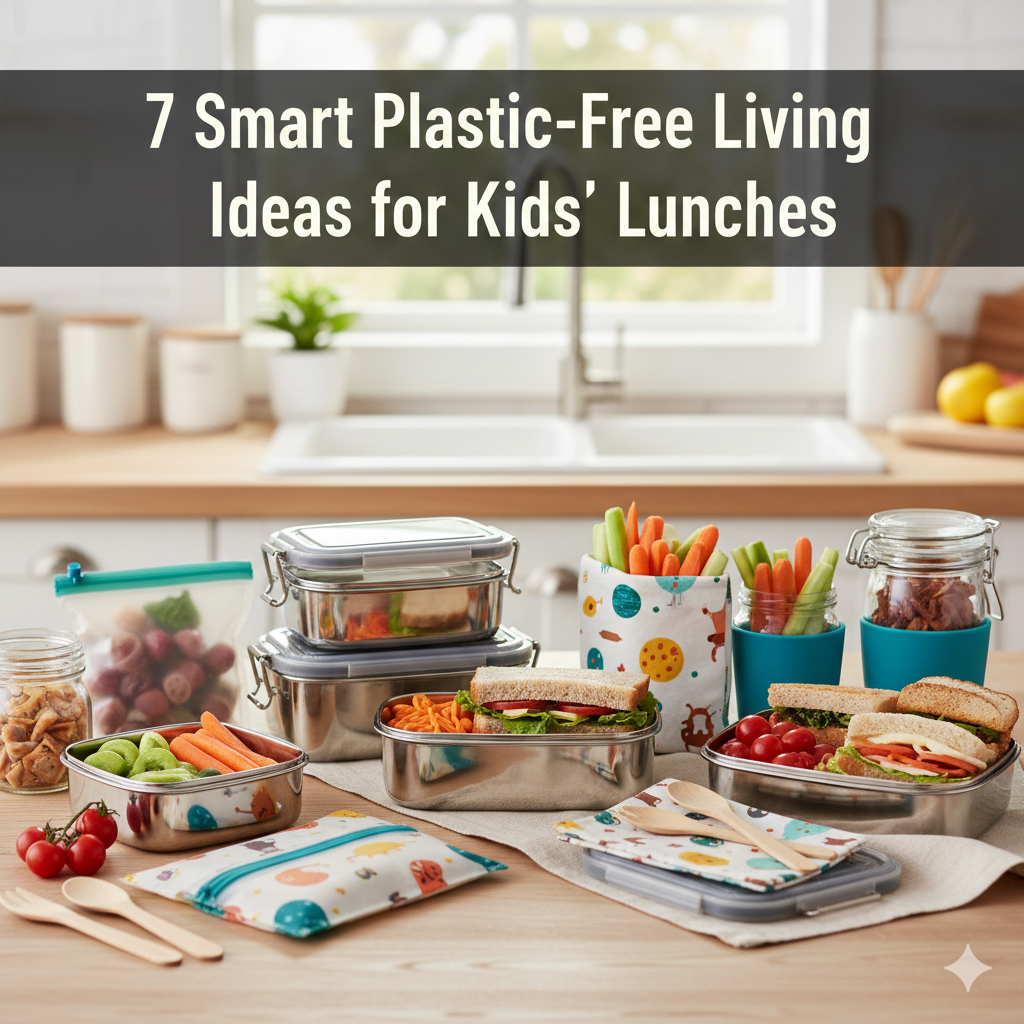
Idea #2 — Invest In a Good Stainless Steel Lunchbox
The lunchbox you use is just as important as what’s inside it.
Plastic lunchboxes crack, stain and need replacing regularly. Stainless steel lunchboxes, on the other hand, last for years, aren’t toxic and are tough enough for daily wear and tear.
Features to Consider When Choosing a Stainless Steel Lunchbox
Not all stainless steel food containers are created equal. Here’s what makes a good one:
| Feature | Why It Matters |
|---|---|
| Food-grade stainless steel (18/8) | Safe, no chemical leaching |
| Leak-proof compartments | No soggy sandwiches |
| Multiple sections | Keeps food separated |
| Easy-open latches | Kids can open it themselves |
| Dishwasher safe | Saves time for parents |
PlanetBox, LunchBots and ECOlunchbox are commonly recommended brands. They come in fun designs and are built to withstand years of daily use.
The Real Cost Comparison
A stainless steel lunchbox does have a higher initial cost — typically $25 to $50. But a plastic lunchbox that breaks every year winds up being more expensive in the long run. And that’s not even counting the environmental cost.
One stainless steel box that lasts 5 years replaces 5+ plastic lunchboxes. That’s a win for your budget and a win for the planet.
Idea #3 — Ditch the Plastic Water Bottles for Stainless Steel or Glass
Plastic water bottles are one of the biggest offenders in discussions about plastic-free living. Children who carry plastic bottles to school add up to a lot of waste, especially if they are throwing them out after one use.
The solution is simple: use a reusable bottle.
Stainless Steel Water Bottles
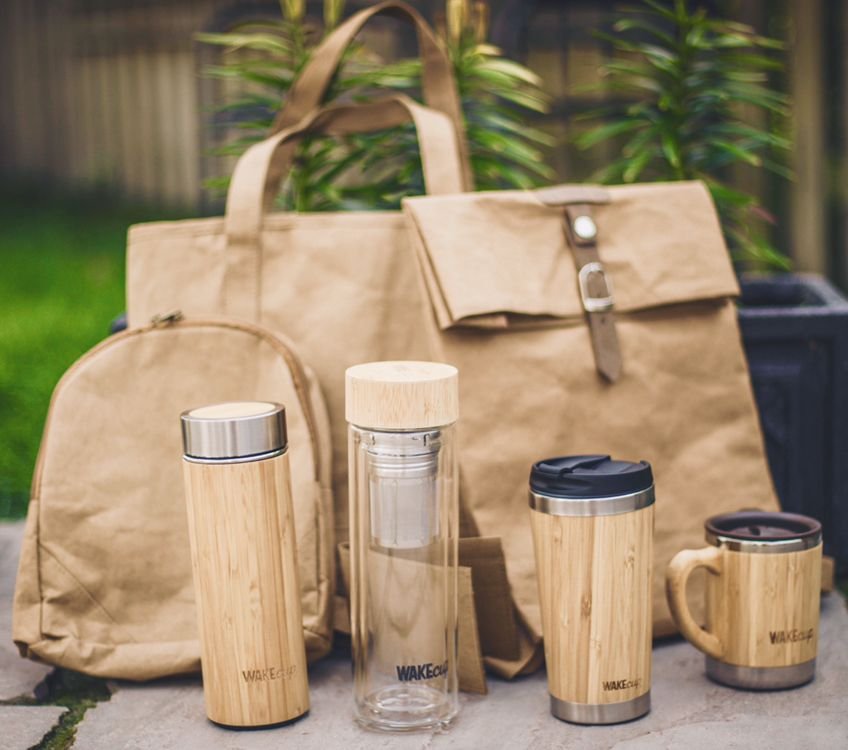
These are the gold standard. They keep drinks cold for hours, don’t absorb flavors or odors and are almost indestructible. Hydro Flask, Klean Kanteen and Simple Modern make styles kids love in multiple sizes.
Look for a bottle that is:
- Completely stainless steel with no plastic inner lining
- Wide enough for ice cubes and easy cleaning
- Fitted with a leak-proof lid
- BPA-free throughout
What About Glass Bottles?
Glass water bottles are also a good choice, particularly for older children. Nothing leaches through and nothing passes through. Look for ones with a silicone sleeve on the outside for protection from drops.
For little kids, stainless steel is typically the safer bet since it can withstand drops far more successfully.
Idea #4 — Choose Whole Foods Instead of Pre-Packaged Snacks
This is where plastic-free living meets healthy eating.
Pre-packaged snacks — individual chip bags, granola bar wrappers, fruit snack pouches, yogurt tubes — are nearly always plastic-wrapped. And not the kind that can be easily recycled. Most wind up in landfills within a very short time.
Buy in Bulk, Pack in Reusables
Buying large bags of snacks and using reusable containers to portion them out at home is a game-changer. You get more food for less cash and eliminate all those fiddly little plastic wrappers.
For example:
- Big bag of pretzels + silicone snack bag = no plastic waste
- Jumbo hummus jar + stainless steel container = no disposable packaging
- A bunch of grapes + cloth bag = fresh and plastic-free
Whole Food Swaps That Kids Love
Here are some easy swaps for pre-packaged snacks:
| Packaged Snack | Plastic-Free Swap |
|---|---|
| Chips in a single-serve bag | Popcorn in a cloth snack bag |
| Fruit snack pouch | Fresh grapes or apple slices |
| Yogurt tubes | Yogurt in a small stainless steel container |
| Granola bar in wrapper | Homemade no-bake oat balls in beeswax wrap |
| Single-serve nut butter | Peanut butter in a tiny glass jar |
| Juice boxes | Water or homemade juice in a reusable bottle |
A lot of these swaps are also less expensive per serving. Win-win.
Idea #5 — Ditch Paper Napkins and Use Cloth Ones Instead
Paper napkins can seem so insignificant, yet they generate waste — and many are coated with a plastic or chemical layer that prevents them from composting properly.
The easy fix? Cloth napkins.
Why Cloth Napkins Work for Kids
Cloth napkins are absorbent, clean up messes well and go straight into the washing machine with other laundry. They also come in fun patterns and colors, so children can even pick their own.
Some families assign one napkin per child per day, slip it into the lunchbox in the morning and throw it in the wash at night. This small switch keeps hundreds of disposable napkins out of landfills over the course of a school year.
Keeping It Simple
You don’t need anything fancy. Old t-shirts or cotton flannel cut into squares work great as cloth napkins. Sew the edges or don’t — a napkin doesn’t have to be perfect to be effective.
You can also purchase packs from brands like Marley’s Monsters or Unpaper Towels, made specifically for everyday use.
Idea #6 — Choose Snacks in Cardboard, Glass or Metal Instead of Plastic
On some days, pre-packaged snacks are just how it goes. That’s okay. Plastic-free living is not about perfect living.
Even when you do purchase something packaged, opting for cardboard, glass or metal over plastic helps tremendously.
How Different Packaging Types Stack Up
Here’s a quick breakdown of common packaging types and how they actually affect the planet:
| Packaging Type | Recyclable? | Compostable? | Better Than Plastic? |
|---|---|---|---|
| Cardboard | Yes | Yes (if uncoated) | Yes |
| Glass | Yes (infinitely) | No | Yes |
| Metal/tin | Yes | No | Yes |
| Hard plastic (#1, #2) | Sometimes | No | Slightly |
| Soft plastic (bags, pouches) | Rarely | No | No |
| Composite packaging | Rarely | No | No |
Check the bottom or back of product packaging while shopping. If it’s cardboard, glass or tin, it is almost always the better option over plastic.
High-Quality Snacks Available in Non-Plastic Packaging
- Crackers in cardboard boxes
- Raisins in cardboard mini-boxes
- Canned sardines or tuna in metal cans (great protein for older kids)
- Applesauce in glass jars
- Nut butter in glass jars
- Dried fruit in cardboard packaging
These are readily available at most supermarkets and are frequently no more expensive than the plastic versions.
Idea #7 — Involve Kids and Make It Fun
Here is the secret to making plastic-free living stick in your household: make the kids part of it.
When kids understand the reason for a change and feel like they have some ownership over it, they’re significantly more likely to embrace it. And then they become the best advocates for it at school and with friends.
Make It a Teachable Moment
Kids should understand the real consequences of plastic on our oceans and its impact on wildlife. There are wonderful age-appropriate documentaries, books and YouTube channels that make this real and understandable without being scary. You can also explore resources and guides together at Plastic Free Living, a helpful hub for families starting their plastic-free journey.
Some great conversation starters:
- “Did you know it takes 500 years for a plastic bag to break down?”
- “Every piece of plastic ever made still exists somewhere on this planet.”
- “There’s more plastic in the ocean than you might imagine — let’s help fix it.”
Kids are naturally compassionate. Give them the facts and they’ll care.
Let Kids Pick Their Own Gear
When kids are empowered to choose their own stainless steel lunchbox, their beeswax wrap pattern or the design of their reusable bottle, they actually want to use these things. This is huge.
A lunchbox decorated with space aliens or a water bottle in their favorite color isn’t just adorable — it’s also a daily conversation about a choice they made for the planet.
Create a Plastic-Free Lunch Challenge
Turn it into a friendly game. Challenge your child to pack a zero-waste lunch for a full week, and give them a reward — a family hike, an extra movie night or a small treat that doesn’t come in plastic.
Some schools have turned zero-waste lunches into a campus-wide event. If your school hasn’t, maybe your kid can suggest it.
How to Switch Without Feeling Totally Overwhelmed
Transitioning to plastic-free living is a journey, and it’s meant to be that way.
The best approach is gradual. Begin with one swap per week or month. Replace things as they wear out, not all at once — replacing everything immediately would be wasteful anyway.
Here’s a simple starter timeline:
Week 1: Use beeswax wraps or silicone bags instead of plastic sandwich bags. Week 2: Purchase a stainless steel water bottle. Week 3: Substitute cloth napkins for paper ones. Week 4: Swap one pre-packaged snack for a whole food option. Month 2: Research lunchbox options and plan for the next school year.
After a few months, the changes will feel like second nature — and your plastic habit at lunchtime will have ebbed dramatically.
The True Cost of Going Plastic-Free
Cost is one of the greatest concerns parents have about plastic-free living. Let’s break it down honestly.
| Item | Single-Use Plastic Cost (Per Year) | Reusable Alternative Cost | Reusable Lasts |
|---|---|---|---|
| Sandwich bags | $25–$40/year | $10–$20 (silicone bags) | 5+ years |
| Water bottles | $30–$60/year (disposable) | $20–$35 (stainless steel) | 5–10 years |
| Napkins | $10–$20/year | $5–$10 (cloth set) | Years |
| Snack packaging | Varies | Bulk buying saves 20–40% | Ongoing |
According to research from the Ellen MacArthur Foundation, switching to reusable systems consistently reduces long-term costs for households while cutting plastic waste significantly. The upfront cost of reusable items pays itself back within the first school year for most families — and after that, you’re saving money every year.
FAQs About Plastic-Free Living for Kids’ Lunches
Q: Is it even worth it to have a plastic-free lunch if it’s just one family? Yes. Any plastic not used is one less piece in a landfill or ocean. And families who make the switch often motivate other families in their community to follow suit. Change starts somewhere.
Q: Is it safe for children with nut allergies to use beeswax wraps? The vast majority of beeswax wraps are made with jojoba oil, not nut oils. Always read the ingredients before buying, especially if your child has allergies. Many brands clearly mark their products as nut-free.
Q: How do I clean stainless steel containers and lunchboxes? Most are dishwasher safe. For hand washing, warm soapy water does the trick. Avoid anything abrasive that can scratch the surface, and make sure they are completely dry before packing to prevent moisture buildup.
Q: What if my child’s school doesn’t have recycling or compost bins? Pack it back home. Train your child to bring home all packaging so it can be disposed of correctly. It’s also a great opportunity to approach teachers or administrators about establishing better waste systems at school.
Q: Are silicone bags actually plastic-free? Silicone is a different material from plastic. It is made from silica — a material found in sand — and is much safer and more environmentally friendly than petroleum-based plastic. It doesn’t leach chemicals and lasts far longer. That said, it is not biodegradable, so treat it with care and use it for as long as possible.
Q: My child doesn’t like change. How do I get them on board? Start with something they can choose themselves — their own reusable water bottle in their favorite color, for example. Let them feel like they’re making the decision. Over time, the new items become normal and the old plastic ones start to feel like the strange thing.
Wrapping It All Up
One of the most down-to-earth, family-friendly ways to put a real dent in daily plastic waste is by packing kids’ lunches without it.
You can’t do everything at once. You don’t need to be perfect. You just need to start.
One beeswax wrap. One stainless steel bottle. One cloth napkin. It’s cumulative — all those small choices, made consistently over time, can amount to something significant. For your kids’ health, for your household budget and for a planet they will inherit.
And when your child grows up remembering that their lunches made a difference? That’s something plastic can never replace.