7 Smart Plastic-Free Living Hacks That Cut Home Waste Fast
Plastic is everywhere. It encases your groceries, stores your shampoo and lines your trash can. Most of it is one time, disposable and gone forever.
Here’s the scary bit: We produce more than 380 million metric tons of plastic annually. Fewer than 10 percent of them have any hope of getting recycled. The remainder winds up in landfills, the ocean and the air we breathe.
The good news? You don’t have to upend your entire life overnight. When you make little smart switches at home, they can really add up to a big change. And many of them will actually save you money in the long run.
This guide takes you through 7 no-nonsense, practical and genuinely effective plastic-free living hacks you can start incorporating into your daily life — even if you’re a beginner. Whether you’re just beginning to green up your lifestyle or want the freshest tips and tricks, there’s something for you in this guide.
Why You Should Give Up Plastic — And How to Do It, Even If It Seems Impossible
Before we delve into the hacks, let’s discuss why this is important.
When you throw it away, plastic doesn’t just disappear. It breaks into small pieces known as microplastics. And those pop up in drinking water, seafood and even human blood. Microplastics have been discovered in newborn babies.
Apart from health, plastic waste clogs marine life, poisons soil and emits greenhouse gases when incinerated. The environmental cost is enormous.
But here’s what most people don’t know: your home is one of the biggest contributors to plastic waste. Kitchens, bathrooms and shopping habits are responsible for more single-use plastic than almost any other place.
That’s where these hacks come in.
Hack #1 — Trade Your Kitchen Wrap for Beeswax or Silicone Covers
Plastic cling wrap is among the sneakiest plastic villains that reside in a kitchen. For the most part, people use it without realizing they’re doing so. Tear, wrap, toss. Repeat.
The challenge is that it cannot be recycled in curbside programs in most communities. It all ends up in landfills, every single time.
What to Use Instead
Beeswax wraps are a game-changer. Made of cotton that is coated with beeswax, tree resin and jojoba oil. You just warm them with your hands and they drape over the edge of bowls, or seal in cheese or fruit or a leftover sandwich.
They’re washable, reusable and can last up to a year with proper care. Beeswax wraps can be used over and over again, replacing hundreds of rolls of plastic wrap.
Vegan? Silicone stretch lids will do the trick too. They’re available in multiple sizes, they fit most containers, and you can pop them right into the dishwasher.
Quick Comparison
| Product | Reusable | Recyclable | Avg. Lifespan |
|---|---|---|---|
| Plastic Cling Wrap | No | Rarely | Single use |
| Beeswax Wrap | Yes | No (biodegrades) | 6–12 months |
| Silicone Stretch Lids | Yes | Sometimes | 5–10 years |
Begin with a three-pack of beeswax wraps. Most folks discover they tend to cover about 90% of their daily demands.
Hack #2 — Develop a Zero-Waste Grocery Kit and Actually Use It
The typical grocery run generates more plastic than people probably realize. Bags for produce and bread, meat trays and packaging pile up quickly.
The solution isn’t complicated. It’s a matter of packing the right kit before leaving the house.
What Goes in Your Grocery Kit
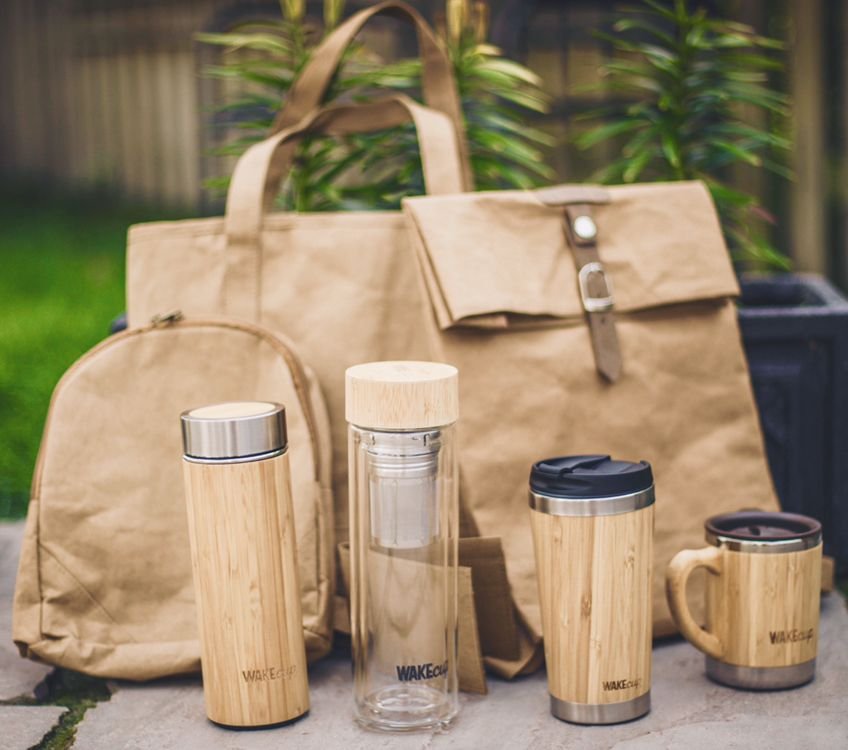
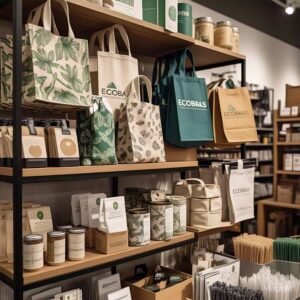
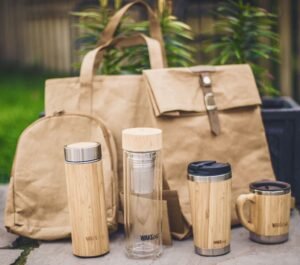
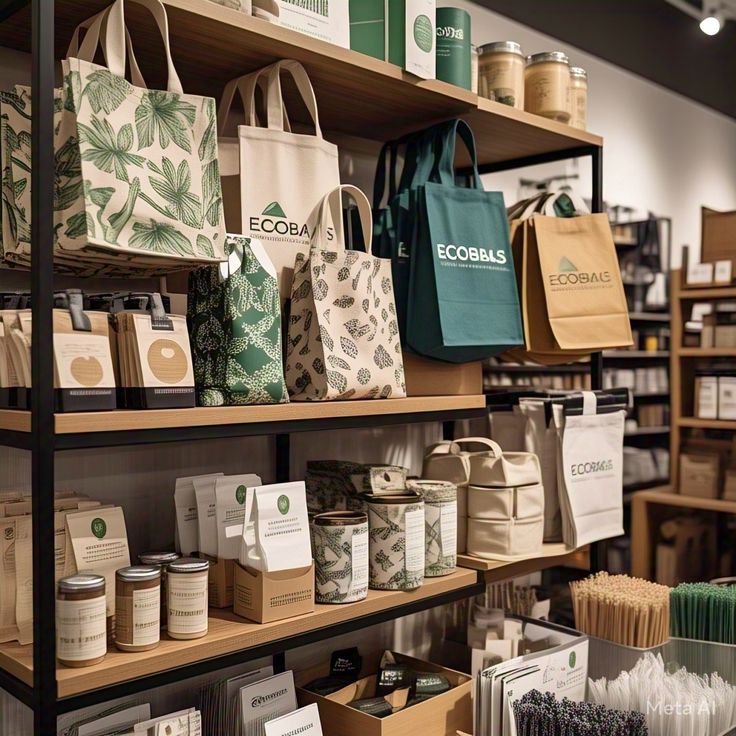
A proper zero-waste grocery kit is made up of a select few essentials. Fabric bags for produce take over from the thin plastic rolls at the store. For everything else, a tough tote bag has you covered. A set of glass or stainless steel jars is perfect for deli counters and bulk bins.
You can also take your own reusable bread bag for bakery items. Most stores are glad to fill it.
The Habit That Makes It Work
The kit is effective only if it’s there to grab. Those reusable bags can hang out near the door, or in your car. If you have to search for them, you will skip the step every time.
Here’s one to try: every time you unpack groceries, put the bags right back by the door. That one behavior alone eliminates a great deal of plastic waste with no extra effort.
| Grocery Item | Plastic-Free Alternative |
|---|---|
| Produce | Mesh or cotton produce bags |
| Bread | Bring a reusable cotton bag from home |
| Deli items | Bring your own glass container |
| Dry goods | Shop bulk bins with your jar |
| General shopping | Sturdy canvas tote |
Hack #3 — Swap Out Bathroom Plastics One Shelf at a Time
In most homes, the bathroom is the second-largest plastic culprit. The shampoo, conditioner, body wash, face wash and toothbrush — not to mention razors and cotton swabs — all come in plastic or contain it.
Replacing everything at once feels daunting. Don’t do it that way.
The One-at-a-Time Method
Each time you run out of a bathroom product, swap it for one without plastic. This makes the transition easy on your wallet and your habits.
Here is a practical list of swaps to make:
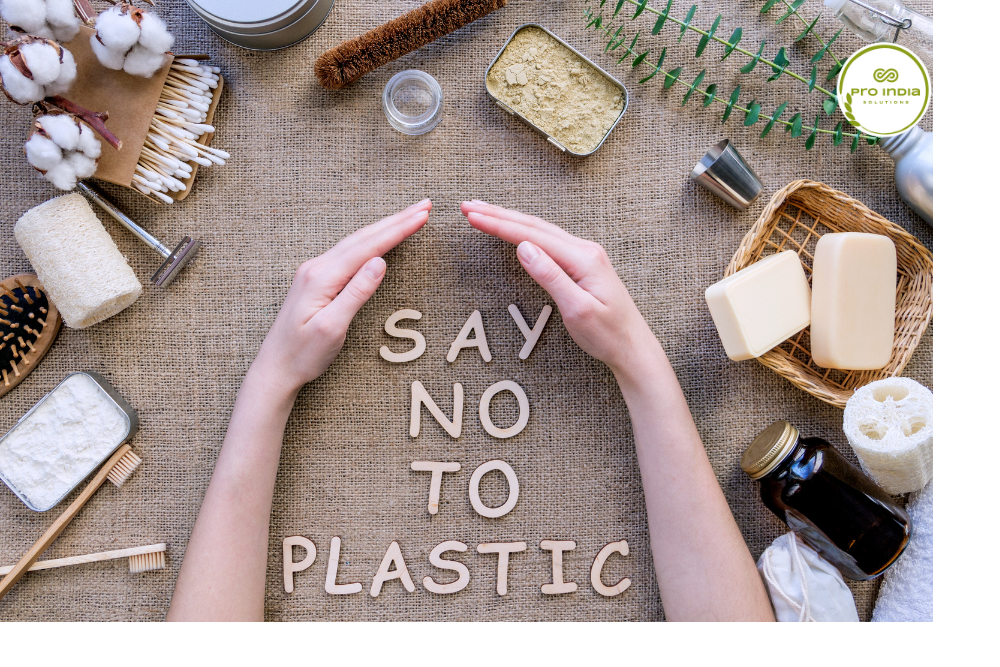
Shampoo bars replace plastic bottles of shampoo. A good bar lasts as long as two or even three bottles. For healthier hair, seek out ones that don’t contain sulfates.
Conditioner bars work the same way. They are more concentrated than the liquid ones, so a little bit goes further.
Bar soap replaces plastic-bottled body wash. It’s been around for ages, and it still performs just fine.
Bamboo toothbrushes replace plastic ones. The handle is compostable. Replace every three months, as you would a standard toothbrush.
Safety razors replace disposable plastic razors. The handle lasts a lifetime. Just replace the tiny metal blade. Over the years, they end up costing less than disposables too.
Bamboo cotton swabs or reusable silicone ear cleaners replace plastic-stem Q-tips.
Bathroom Plastic Waste: A Snapshot
The average person discards about 11 pounds of plastic associated with bathroom products every year. A full bathroom swap can cut that by up to 80%.
Hack #4 — Create Your Own Cleaning Products at Home
Most cleaning products come in thick plastic bottles. And a lot of those are essentially water with some cleaning agent added.
You are quite literally paying to ship water in plastic.
The DIY Cleaning Kit That Actually Works
You only really need a couple of ingredients to clean most of your home efficiently. White vinegar, baking soda, castile soap and essential oils handle the vast majority of cleaning needs.
All-purpose cleaner: Combine equal parts white vinegar and water in a glass spray bottle. Drop in a few drops of tea tree oil or lemon oil. Done.
Scrubbing paste: Combine baking soda with a little castile soap and a few drops of essential oil. Apply it to sinks, tubs and stovetops.
Glass cleaner: Mix one part white vinegar with one part water. Works as well as any store brand.
These recipes cost a fraction compared to store-bought cleaners. They come in bulk packaging (or even paper bags for baking soda), which drastically reduces plastic. For more ideas on reducing plastic across your entire household, visit Plastic Free Living — a dedicated resource packed with practical zero-waste guides.
Ingredients vs. Plastic Output
| Approach | Bottles Used Per Year | Est. Annual Cost |
|---|---|---|
| Commercial cleaners | 15–25 plastic bottles | $80–$150 |
| DIY cleaning kit | 1–3 refillable glass bottles | $20–$35 |
You can also search for cleaning concentrate tablets. Some brands now sell small tablets that dissolve in water to create full bottles of cleaner. The packaging tends to be minimal — sometimes just a little paper envelope.
Hack #5 — Reprogram the Way You Store Food at Home
Plenty of plastic waste at home has nothing to do with shopping. It comes from how food is stored in your own kitchen.
Zip-lock bags, plastic wrap, plastic containers — it all accumulates.
Better Storage, Less Plastic
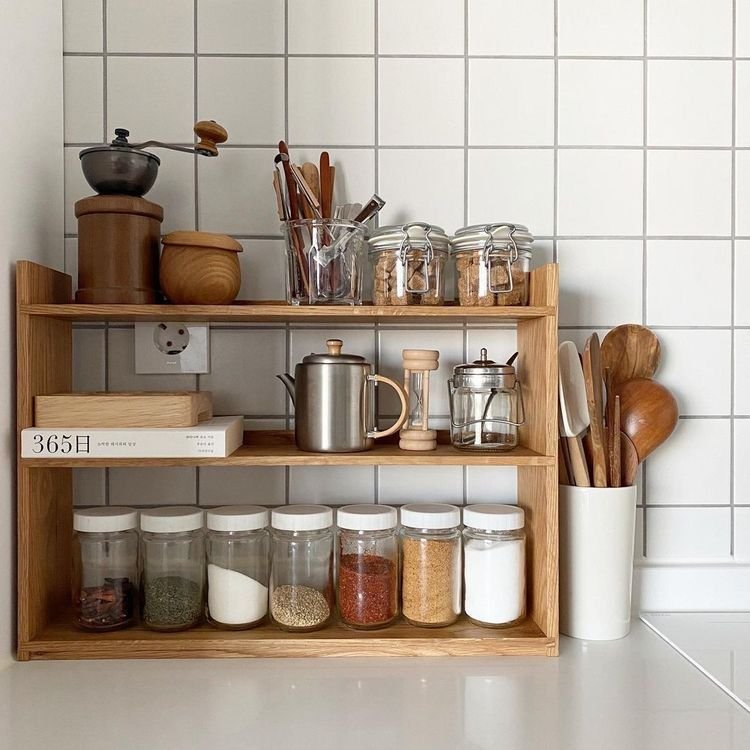
Glass jars are one of the best alternatives to plastic food storage. They’re airtight, sturdy, see-through and go in the freezer, fridge or pantry. Save pasta sauce jars, jam jars or pickle jars and give them a wash. They’re free and endlessly useful.
Stainless steel containers with locking lids are perfect for lunches, snacks and leftovers. They never stain, they don’t absorb odors and they’re good for decades.
Cloth produce bags stored in the fridge will keep vegetables fresh longer than plastic bags. Slightly damp cloth bags work particularly well for greens such as lettuce and herbs.
Silicone bags are a direct replacement for zip-lock bags. They seal just as well, hold the same things and you wash and reuse them hundreds of times.
Food Storage at a Glance
| Storage Type | Reusable | Microwave Safe | Freezer Safe |
|---|---|---|---|
| Plastic zip-lock bags | Limited | No | Yes |
| Glass jars | Yes | Yes (without lid) | Yes |
| Stainless steel containers | Yes | No | Yes |
| Silicone bags | Yes | Yes | Yes |
| Cloth produce bags | Yes | No | No |
A less-obvious tip: use your pantry as storage, not just a shelf. Purchasing rice, oats, lentils and pasta in bulk and then storing them in glass jars gets rid of a great deal of packaging over the course of a year.
Hack #6 — Cut Plastic from Your Laundry Room
This one surprises most people. The laundry room is a quiet but consistent source of plastic waste.
Detergent comes in plastic jugs. Fabric softener comes in plastic bottles. Dryer sheets come in cardboard, but the material contains plastic fibers that leech into wastewater.
Smarter Laundry Swaps
Laundry powder in cardboard boxes is one of the easiest swaps to make. Many brands produce effective powders in fully recyclable cardboard packaging. Some are even available at bulk stores where you can bring your own container.
Laundry sheets are a newer option. These are thin, dissolvable sheets sold in small paper envelopes. They work in hot or cold water and produce almost no waste.
Laundry eggs contain tiny mineral pellets and clean clothes without any detergent. They are good for about 70 washes, and the casing can be recycled.
Wool dryer balls replace both dryer sheets and liquid fabric softener. A set of three to six balls shortens drying time, softens clothes naturally and will last for years. Add a few drops of essential oil to the balls if you prefer a fresh scent.
Microplastic filter bags are worth noting here as well. Synthetic materials like fleece and polyester release tiny plastic fibers each time they are washed. According to research published by the Ocean Conservancy, synthetic textiles are among the leading sources of microplastic pollution in the world’s oceans. A washing bag like the Guppyfriend, or a filter attachment for your machine, captures these fibers before they enter the water supply.
Hack #7 — Set Up a Refill and Repair System at Home
The best long-term plastic-free living strategy isn’t a product at all. It’s an attitude shift toward refilling and restoring instead of replacing.
The Refill Revolution
Refill culture is growing fast. More cities are now offering refill shops or zero-waste stores where you can bring your own containers and fill them with shampoo, dish soap, laundry detergent, oils and spices.
Even mainstream stores are beginning to catch up. Refill stations are now appearing in many traditional supermarkets. Online companies sell concentrated refills in small, compostable pouches.
The secret is to find two or three refill sources near you or online, then build the habit of stocking up instead of replenishing. A carefully chosen glass bottle of dish soap might never need to be thrown away.
The Repair Mindset
Much plastic waste comes from replacing things that could be repaired. A cracked plastic lid, a broken zipper, a chipped container — so much of it is fixable with a little effort or a visit to a repair café.
At these events, volunteers help you repair clothing, appliances and household items for free. They are springing up in cities globally.
Buying secondhand also falls under this hack. Secondhand stores, online swap markets and community groups are places to find items without the plastic packaging that accompanies new products.
The Long-Term Impact of Refilling
If every household in a mid-size city simply switched their dish soap and shampoo to refillable versions, millions of plastic bottles would be eliminated from landfills each year in that city alone.
That’s the power of a small habit consistently applied.
How These 7 Hacks Work Together
These hacks aren’t random. They home in on the biggest plastic-producing zones in your home — the kitchen, bathroom, cleaning supplies, food storage and laundry room — as well as shopping habits.
Cumulatively, a household that adopts all seven of these strategies can cut its plastic waste by 60 to 80 percent compared to average.
Here is a rough estimated impact:
| Hack | Plastic Items Eliminated Per Year (Est.) |
|---|---|
| Beeswax/silicone wraps | 50–100 sheets of cling wrap |
| Zero-waste grocery kit | 200–400 plastic bags/packaging |
| Bathroom product swaps | 15–30 bottles and single-use items |
| DIY cleaning products | 15–25 plastic spray bottles |
| Better food storage | 100–200 zip-lock bags |
| Laundry room swaps | 10–20 jugs and boxes |
| Refill and repair system | Ongoing, compounding reduction |
Getting Started Without Feeling Overwhelmed
It is not necessary to do them all at the same time. Pick one hack. Start there.
For most people, the grocery kit or kitchen wrap swap is the lowest-hanging fruit. Both are immediate, visible and provide instant results.
Once that routine is in place, choose another. Within a few months, you’ll have worked your way through most of the list without it feeling like such a big project.
The goal isn’t perfection. The goal is consistent progress. Every piece of plastic you don’t use is a true victory.
FAQs About Plastic-Free Living Hacks
Q: Is living plastic-free expensive to start up? A: There are some swaps that do cost money upfront, like a safety razor or a set of glass containers. But they end up paying for themselves within a few months for most things, since you don’t need to keep buying disposable products over and over again. Over the course of a year, most people save money.
Q: What if I cannot find zero-waste options in my local stores? A: Online shopping will fill that gap for most things. Seek out retailers that focus on sustainable goods. Many ship with minimal or compostable packaging. Bulk bins at health food stores are also a solid option in many areas.
Q: Are beeswax wraps really sanitary? A: Yes, if they’re well taken care of. After each use, wash them with cool water and mild soap. Avoid hot water, as it melts the wax. Let them air dry. You probably don’t want to use them with raw meat, but other than that, they work just fine.
Q: Do DIY cleaning products work as well as store-bought ones? A: For most basic cleaning, yes. Vinegar and water are very good at cleaning glass, countertops and surfaces. Baking soda scrubs well. For heavy-duty tasks like mold or grease buildup, you may need something stronger, but that accounts for maybe 5% of the cleaning typically done in a home.
Q: Can kids and families realistically do this? A: Absolutely. Indeed, getting little ones on board with plastic-free swaps can very quickly become a fantastic learning experience. Simple changes such as reusable lunch boxes and bamboo toothbrushes are easy for kids to take on board.
Q: What is the single swap that will make the most difference today? A: For most families, making the jump to a zero-waste grocery kit will have the greatest immediate impact. Grocery shopping generates plastic waste weekly, so you see a change quickly.
Q: What should I do in situations where plastic-free options simply don’t exist? A: Do the best you can. Opting for the product with minimal plastic packaging, or one in recyclable packaging, is still progress. Plastic-free living is a journey, not a destination.
The Bigger Picture
The thing about plastic-free living hacks is that they’re empowering — they give the control back to you.
Consumer demand drives industries to make plastic. The market pays attention after enough households change their habits. Companies reformulate products. Packaging changes. Policies follow.
Your kitchen, bathroom and laundry room are small spaces. But the decisions made inside them radiate outward in ways you might not expect.
Seven hacks. Seven starting points. One direction: less plastic, more mindfulness and a home that doesn’t secretly play its part in one of the most significant environmental crises of our time.