7 Ways To Go Plastic-Free That Stores Don’t Tell You
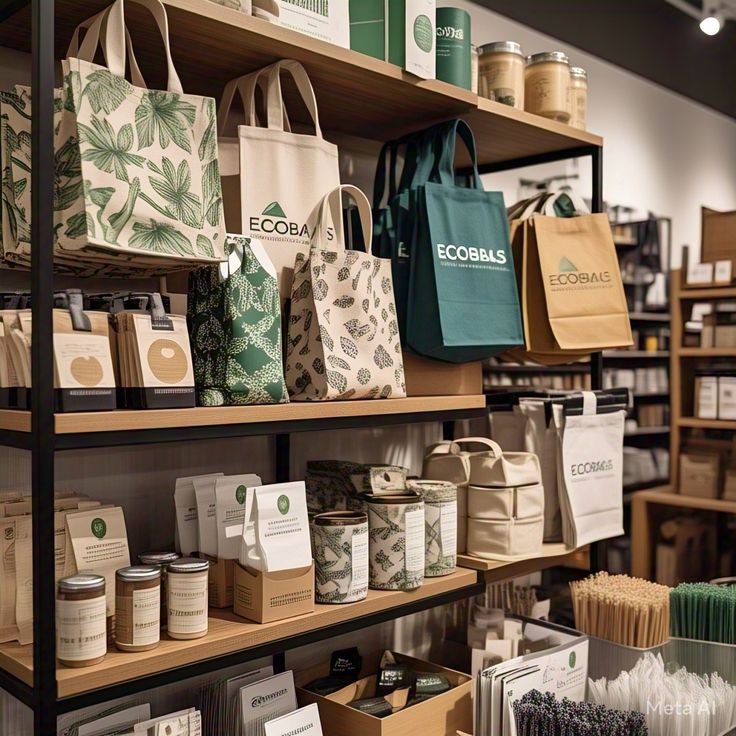
You walk into a store. Every shelf screams “eco-friendly.” Bamboo toothbrushes wrapped in plastic. Cloth bags that are sold inside plastic pouches. “Green” merchandise wrapped in bubble wrap.
Sound familiar?
They prey on your confusion, here’s the sad truth: many retailers make a profit from it. They want you to purchase their version of sustainable living — not live it, really. True plastic-free living is not about shopping. It would also need them to advertise knowledge that they’d rather keep under wraps.
These 7 secret hacks are what zero wasters, environmental scientists and trained minimalists really do. No greenwashing. No upselling. Just change that is real, actionable, and that works.
The Retail Trap No One Is Talking About
Before tackling each of the tips, it’s useful to first examine why retailers are so quiet about truly living a plastic-free lifestyle.
The worldwide plastic packaging market is valued at more than $370 billion. It makes money when you keep buying — even “sustainable” options. Someone gets rich every time you buy a reusable product, a refillable container, or a compostable bag.
That’s not always bad. But it also means the most effective ways to go plastic-free — the ones that cost people little or no money — are seldom the ones seen on store shelves or in advertising campaigns.
The tricks below reverse that script.
Tip 1: Break the Plastic Habit Before You Make a New Purchase
The vast majority of people who decide to start living plastic-free do so by shopping. New beeswax wraps. New glass containers. New stainless steel straws.
Stop right there.
Make the Most of What You Already Have
You most likely have glass jars around your kitchen from pasta sauce, pickle jars, jam and jelly. These are perfect storage solutions. They seal nicely, they’re great to freeze, and they don’t cost you a thing.
Before buying any “zero-waste” product, try going two weeks without it or anything like it. You’ll be surprised how little you actually need to purchase.
The 30-Day Plastic Audit
Grab a notebook. For 30 days, record everything plastic you throw away. Be specific:
- What was it?
- Was it avoidable?
- What could replace it?
This audit does something powerful. It shows you your real plastic footprint — not an average one. Everyone’s is different. The plastic problem for a family that orders takeout three nights a week is very different from that of someone who meal-preps each Sunday.
Merchants will not recommend this, since it defers sales. But it’s the most intelligent first step you can make.
| Plastic Item | Frequency | Easy Alternative |
|---|---|---|
| Produce bags | Daily | Mesh cotton bags |
| Plastic wrap | 4x/week | Beeswax wraps or plate covers |
| Zip-lock bags | 3x/week | Glass containers or silicone bags |
| Plastic bottles | Daily | Refillable stainless steel bottle |
| Shampoo bottles | Monthly | Shampoo bars |
Tip 2: The Bulk Bin Hack That Changes Everything
Here’s something most grocery stores don’t shout from the rooftop: their bulk bins can save you hundreds of dollars and dozens of plastic packages per year.
Bring Your Own Containers — And They’ll Weigh Them
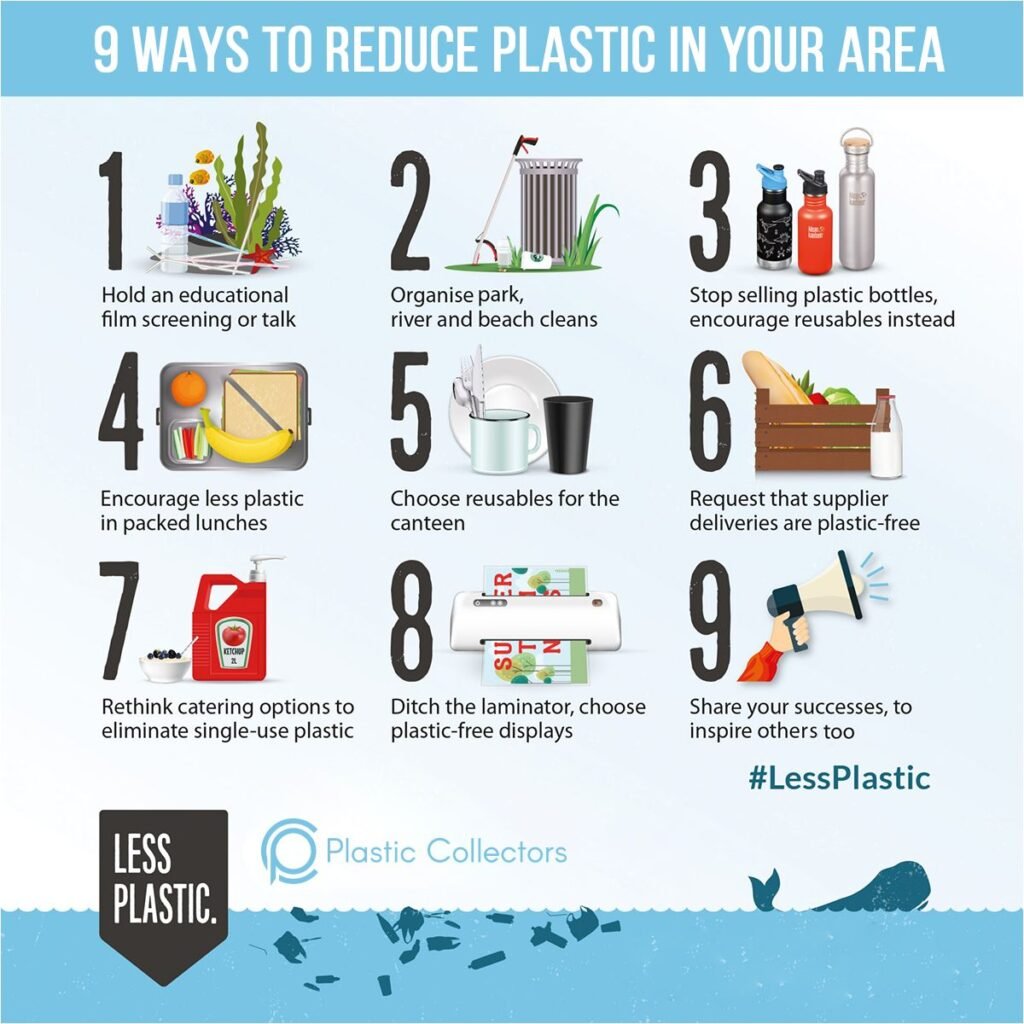
This is the part that retailers leave out of their marketing. Most stores with bulk sections will tare (pre-weigh) your container at the customer service desk. You fill the container, and they just charge you for the food — not the container weight.
You can bring:
- Glass mason jars
- Cotton produce bags
- Old plastic containers you’re reusing before tossing
What You Can Buy in Bulk
Most people assume bulk bins are only for granola and oats. Not true. Depending on your store, you may find:
- Flours and grains
- Nuts and seeds
- Dried fruits
- Coffee and tea
- Spices and herbs
- Pasta and rice
- Olive oil and vinegar (from some stores)
- Liquid soap and shampoo (at refill stations)
The Money Side of Bulk Buying
For most products, bulk prices range from 20–50% less than packaged versions. You’re not compensating for branding, packaging, or shelf positioning.
A family that transitions their top 10 pantry staples to bulk could save somewhere between $400 and $600 a year — not to mention how much less plastic waste they’d create.
That’s money back in your pocket. Small wonder stores don’t push this angle.
Tip 3: Swap Your Cleaning Routine — Not Just Your Products
The cleaning aisle is among the worst plastic offenders in any home. Consider this: dish soap, laundry detergent, all-purpose spray, glass cleaner, bathroom cleaner, toilet bowl cleaner. That’s six bottles — usually swapped out every 1–3 months.
Concentrate Is the Cheat Code
Diluted cleaners are the norm for most retailers. You’re buying water in a plastic bottle. The better option is concentrated cleaners, where a little goes a long way.
Various concentrates come in compact aluminum or glass bottles that can replace up to 10 plastic jugs. One bottle. Ten uses. One-tenth of the plastic waste.
Whip Up Your Own With 4 Ingredients
You do not need 12 different cleaners. Here’s what 90% of household cleaning actually involves:
All-Purpose Cleaner:
- 1 part white vinegar
- 1 part water
- 10 drops tea tree oil
- 10 drops lemon essential oil
Funnel it into a glass spray bottle. Done. It works on counters, stovetops, bathroom tiles, and beyond.
Scrubbing Paste:
- Baking soda
- A few drops of dish soap
- Optional: lemon juice
This takes care of sinks, tubs, and ovens — with no plastic packaging involved.
Laundry Without the Jug
Laundry is one of the top contributors to plastic waste. A jug of 150 loads each month means 12 giant plastic containers every year. Better options that work just as well:
- Laundry strips (thin sheets, cardboard packaging, zero plastic)
- Powder detergent in cardboard boxes
- Soap nuts (natural, compostable, and they last a long time)
Tip 4: Retool Your Grocery Shopping Route — Before You Enter the Store
Much of the plastic waste begins long before you touch a product. It begins with where and how you shop.
Farmers Markets Are Plastic-Free Goldmines
Retailers certainly aren’t going to tell you to skip their stores. But farmers markets offer:
- Fruits and vegetables sold loose (no plastic tray, no cling wrap)
- Fresh bread in paper bags
- Local honey in glass jars
- Eggs in reusable cartons
- Meat wrapped in butcher paper
You’re also supporting local farmers, reducing transportation emissions, and often paying fair prices for seasonal food.
The “Shop the Perimeter” Trick Is a Half-Measure
You may have heard that you should “shop the perimeter” of grocery stores to avoid processed food. That’s nice, but it doesn’t address plastic.
The real key: shop stores that have open bins of produce and just say no to the pre-packaged everything.
A few grocers have begun to offer “plastic-free aisles” — a trend that is on the rise in the UK and the Netherlands, and increasingly so in North America. Look for these options in your area.
Community Supported Agriculture (CSA) Boxes
CSA programs link you directly with local farms. You pay a weekly or monthly fee and get a box of seasonal produce — usually delivered with little packaging, frequently in reusable crates.
It entirely eliminates the problem of plastic-wrapped produce, and many families discover they spend less on food even as they eat better.
Tip 5: The Personal Care Swap Nobody Puts on a Top-10 List
Bathrooms are often quietly one of the most plastic-dense rooms in any home. Shampoo, conditioner, body wash, face wash, moisturizer, toothpaste, deodorant, and razors — the list goes on.
If you’re looking for a deeper guide on making these swaps, Plastic Free Living is a great resource to bookmark and explore.
Shampoo and Conditioner Bars: Let’s Cut the Crap
Shampoo bars have received a lot of buzz. But what stores gloss over is that not all bars are created equal — and your water type makes a difference.
If you have hard water (water with a high mineral content), some shampoo bars will make your hair feel waxy. The fix? Do an apple cider vinegar rinse once a week. One tablespoon in a cup of water, pour over clean hair and rinse out. It removes the mineral buildup and keeps hair smooth.
This trick allows shampoo bars to work on just about everyone — but you’ll never see it on the store label.
The Refillable Deodorant Revolution
The majority of plastic deodorant sticks can’t be recycled. The plastic is too complex, and too small, for most recycling plants to process.
Instead, look for:
- Refillable aluminum deodorant containers (purchase a refill, not a new case every time)
- Cream deodorants in glass jars (applied with fingers, and amazingly effective)
- Compostable cardboard deodorant tubes
Toothpaste Tablets and Powder
Toothpaste tubes are among the most difficult kinds of plastic to recycle. They’re made from various materials laminated together.
Toothpaste tablets are packaged in glass jars or compostable pouches. You pop one tablet into your mouth, chew it up, it foams, and you brush as normal. They work. Dentists increasingly support them.
Tooth powder is another alternative — often sold in metal tins. Just dip a wet brush and go.
| Personal Care Item | Plastic Version | Plastic-Free Alternative |
|---|---|---|
| Shampoo | Plastic bottle | Shampoo bar |
| Conditioner | Plastic bottle | Conditioner bar or rinse |
| Body wash | Plastic bottle | Full-size bar soap |
| Toothpaste | Plastic tube | Tablets or powder in glass |
| Deodorant | Plastic stick | Refillable aluminum or glass jar cream |
| Razor | Disposable plastic | Safety razor (metal, lasts years) |
| Cotton rounds | Disposable in plastic bag | Reusable washable cotton pads |
Tip 6: Fix the Plastic You Can’t Get Away From — Embrace a Culture of Repair
Here’s the tip that truly hits different: not all plastic is bad — disposable plastic is the problem.
Anything made from sturdy plastic — your blender, the toys you buy for your children, storage bins — can last decades if given a little care. Single-use and short-life plastics are the real environmental disaster.
Repair Cafés and Community Fix-It Events
Repair cafés are volunteer-run spaces where people bring broken things and learn to fix them. Ripped zipper, cracked toy, busted appliance — skilled volunteers help you repair instead of toss.
These events happen in hundreds of cities. They’re free or donation-based. And they extend the lives of plastic items — which, in many cases, is better than melting them down and hoping they become something else.
The Right to Repair Movement Matters
There’s a growing global movement pushing for laws that enable and require electronics and appliances to be repairable. When you repair a device instead of replacing it, you avoid:
- New plastic manufacturing
- Plastic packaging from the new product
- E-waste (which is heavily plastic-based)
Supporting right-to-repair legislation is one of the most high-impact actions a plastic-free advocate can take. It’s systemic, not just personal.
When You Have to Buy Plastic, Make It Last
If you genuinely need a plastic item, opt for:
- The most durable version available
- A product with a repair program or warranty
- Something made from recycled plastic (not perfect, but better)
Steer clear of anything described as “disposable,” “single-use,” or “convenient” — those are code words for landfill-bound.
Tip 7: Build Systems — Not Willpower
This is the secret that separates those who succeed at plastic-free living from those who bail after three weeks.
Motivation is not what powers plastic-free living. It runs on routines and habits.
The “Never Run Out” Method
When people are in a moment of immediate need, most reach for a plastic bag or a disposable cup. They forgot their reusable. They were in a rush. It happens.
The solution is simple: place your plastic-free tools where decisions are made.
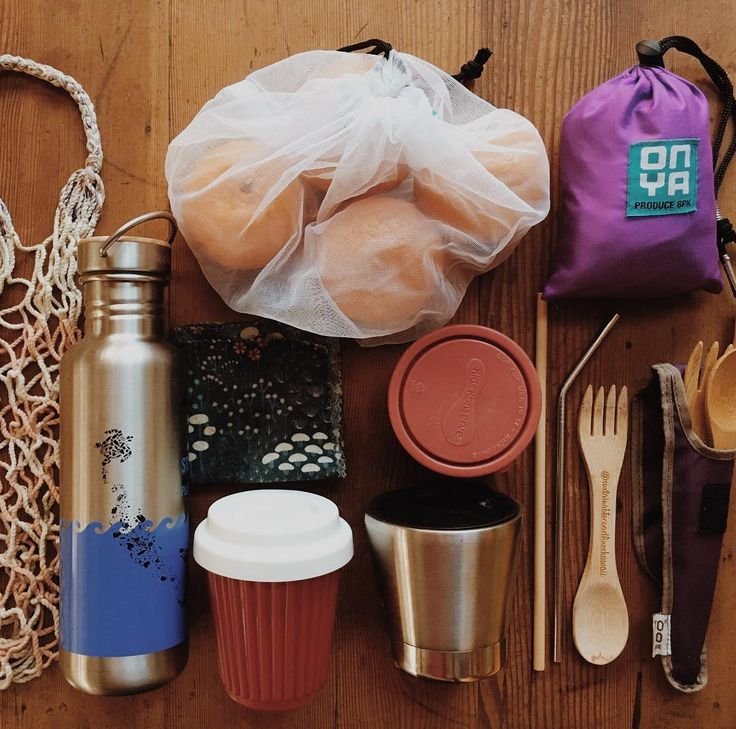
- Reusable bags hung by the door — not in a drawer
- A reusable bottle in your bag all the time — filled the night before
- A set of cutlery in your desk drawer at work
- A cloth napkin in your lunch bag
When the tools are where the decisions get made, you don’t need willpower. The environment does the work for you.
The “One Room at a Time” Rule
Attempting a complete overhaul of your home all at once leads to overwhelm, overbuying, and giving up.
Instead, choose one room a month. January is the kitchen. February is the bathroom. March is the laundry room. Go slow, go deep.
Six months in, your house looks and operates entirely differently — without the chaos or the credit card bill.
Track Progress, Not Perfection
Nobody goes 100% plastic-free overnight. That’s not the goal.
The idea is progress that holds. Keep a tally of how many single-use plastics you avoided this week. Mark a milestone — you haven’t bought a plastic water bottle in 30 days. These small victories build momentum into the kind of lifestyle change that lasts.
The Bigger Picture: Why This Actually Matters
The plastic crisis cannot be solved by individual action alone. That’s true. But collective action at scale moves markets, shapes policy, and generates the cultural pressure to bring about real change.
When millions of people stop buying single-use plastic, companies stop making it. When voters care about plastic, legislators act. When communities demand refill stations, cities build them.
The choices you make send ripples out in directions you can’t always see.
And honestly? Living without plastic is simply a nicer way to live. Less clutter. Less waste. More intention behind every purchase. A home that feels calmer because there’s less throwaway stuff in it.
Frequently Asked Questions
Q: How expensive is a plastic-free life to begin? It doesn’t have to be. The most effective first steps — checking your plastic use, using what you have, and shopping bulk bins — cost nothing. Costs come later as you replace items as they wear out, and those replacements tend to be one-time purchases.
Q: What if my town doesn’t have bulk bins or farmers markets? Search for online refill and zero-waste stores that ship in minimal packaging. Also see if there are community co-ops or buying clubs available near you. Once people start looking, they often find there are more options than they had initially realized.
Q: Are shampoo bars actually as effective as bottled shampoo? For the most part, yes — particularly after a two- to four-week adjustment period in which your scalp rebalances itself. The apple cider vinegar rinse trick mentioned in this article helps most of all if you live in an area with hard water.
Q: What’s one plastic-free switch you’d recommend for beginners? A refillable water bottle. It’s simple, immediate, saves money, and eliminates one of the most common single-use plastics in everyday life.
Q: Is recycling plastic enough? Recycling is important but limited. Roughly only 9% of all plastic ever produced has been recycled. Cutting down on plastic and refusing it is far more effective than relying on recycling as a solution.
Q: What about plastic-heavy situations like travel or takeout? Carry a small kit: reusable utensils, a cloth bag, a collapsible container for leftovers, and a reusable straw. Most situations can be handled with these four tools. If you’re traveling, research your destination in advance and scout for zero-waste-friendly cafes and shops.
Q: Is plastic-free living time-consuming? The setup takes some time. Once habits and systems are in place — usually after 30–60 days — it actually takes less time and mental energy than before, since you’ve simplified your routines and reduced decision fatigue.
Wrapping It All Up
Plastic-free living isn’t a trend. It’s a return to the way people lived before the 1950s — with durable goods, loose fruits and vegetables, bars of soap, and glass containers.
Retailers have made us believe that convenience requires plastic. It doesn’t. The 7 secrets in this article demonstrate how real success comes not with great cost and effort but instead with simplicity, ease, and enjoyment.
Start with one tip. Do it well. Then add another.
The planet doesn’t need a million perfect zero-waste households. It needs millions of imperfect ones that improve a little bit each day.