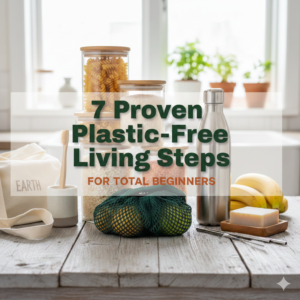
7 Realistic And Proven Steps To Living Plastic-Free – Even If You’re A Total Beginner
It looks back at you — plastic, that is — every time you open your kitchen cupboard. Bags, bottles, containers, wraps. It’s everywhere. And if you ever thought, “I want to do something about this but how do I even get started?” — you’re not alone.
Plastic-free living seems like one of those things that only hardcore environmentalists do. But anyone can begin to do so. You don’t need to be perfect. You don’t need to change your whole life when you’re a day in. All you really need to do is take a few smart steps and have a mindset that’s slightly more open.
This guide breaks it down — no jargon, no guilt, only real steps that actually work for everyone. Whether you are a student, an overworked parent, or someone who just wants to stop screwing the earth up so bad, these seven no-excuses steps will set you on the right path.
Let’s dive in.
Why Living Plastic-Free Is More Important Now Than Ever
Before we dive into the steps, it’s worth a brief mention of why this is all quite so important.
The annual global production of plastic is over 400 million metric tons. And here’s the terrifying part — just 9% of all plastic that has ever been produced has been recycled. The rest goes to landfills, oceans and the environment.
Plastic doesn’t biodegrade. Rather, it breaks down into small pieces, called microplastics, that turn up in drinking water, seafood and even human blood. Researchers have detected microplastics in the lungs, placentas and livers of people across the globe.
This isn’t purely an environmental problem. It’s a health issue. It’s a personal issue.
The good news? Every piece of plastic you reject or replace helps. Small acts, when multiplied by millions of people, make the difference quickly.
What Living Plastic-Free Looks Like
So here’s a popular fallacy: plastic-free living is about having no plastic in your life. That’s almost impossible to do in today’s society and you’ll burn yourself out striving for that.
A better mindset? Progress over perfection.
Living plastic-free is all about making conscious decisions to limit your plastic use where you can. It’s ultimately about swapping single-use plastics for other kinds, selecting food items with less packaging and cultivating habits that are reasonably sustainable over the long term.
You don’t need a home that’s bamboo everything. You simply need a place to start. If you’re looking for inspiration, Plastic Free Living is a great resource packed with practical guides and tips for every stage of the journey.
Step 1 — First, Do a Plastic Audit at Home
Find Out What You’re Really Dealing With
You can’t fix what you don’t know is broken.
Allocate 15 minutes to walk around your house and note where plastic appears most. Look in your kitchen, bathroom, bedroom and grocery bags.
You’ll likely notice patterns. Perhaps the bulk of your plastic use is in food packaging. Maybe it’s personal care products. Maybe it’s cleaning supplies.
This straightforward exercise is called a plastic audit, and it’s one of the most potent first steps you can take.
Simple Plastic Audit: Step by Step
| Area of Home | Common Plastic Items Found | Priority to Swap |
|---|---|---|
| Kitchen | Plastic wrap, zip-lock bags, plastic bottles | High |
| Bathroom | Shampoo bottles, toothbrushes, cotton swabs | High |
| Pantry | Cereal bags, chip bags, snack wrappers | Medium |
| Cleaning | Spray bottles, sponges, scrubbers | Medium |
| Bedroom | Product packaging, plastic hangers | Low |
Once you have the full picture, figure out which area is most ripe for improvement. You cannot do it all at once. That’s how people burn out and give up.
Start small. Win early. Build momentum.
Step 2 — Ditch Single-Use Plastics First (The Low-Hanging Fruit)
Why Single-Use Plastics Are a Big Part of the Problem
Single-use plastics are products that are made to be used just once and then discarded. Think plastic straws, grocery bags, coffee cups, water bottles and fast-food packaging.
A great portion of plastic pollution consists of these items. They last hundreds of years in the environment but for minutes in your hand.
Ditching them is also an easy place to start, since the swaps are straightforward, affordable and increasingly available.
Simple Single-Use Plastic Swaps for a Beginner
Here are some beginner-friendly replacements:
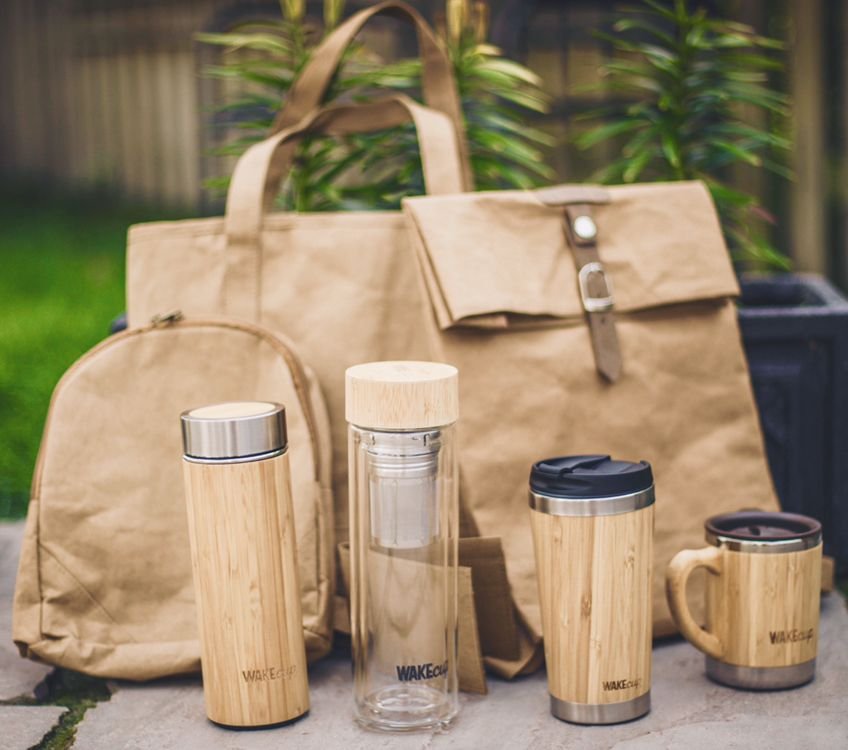
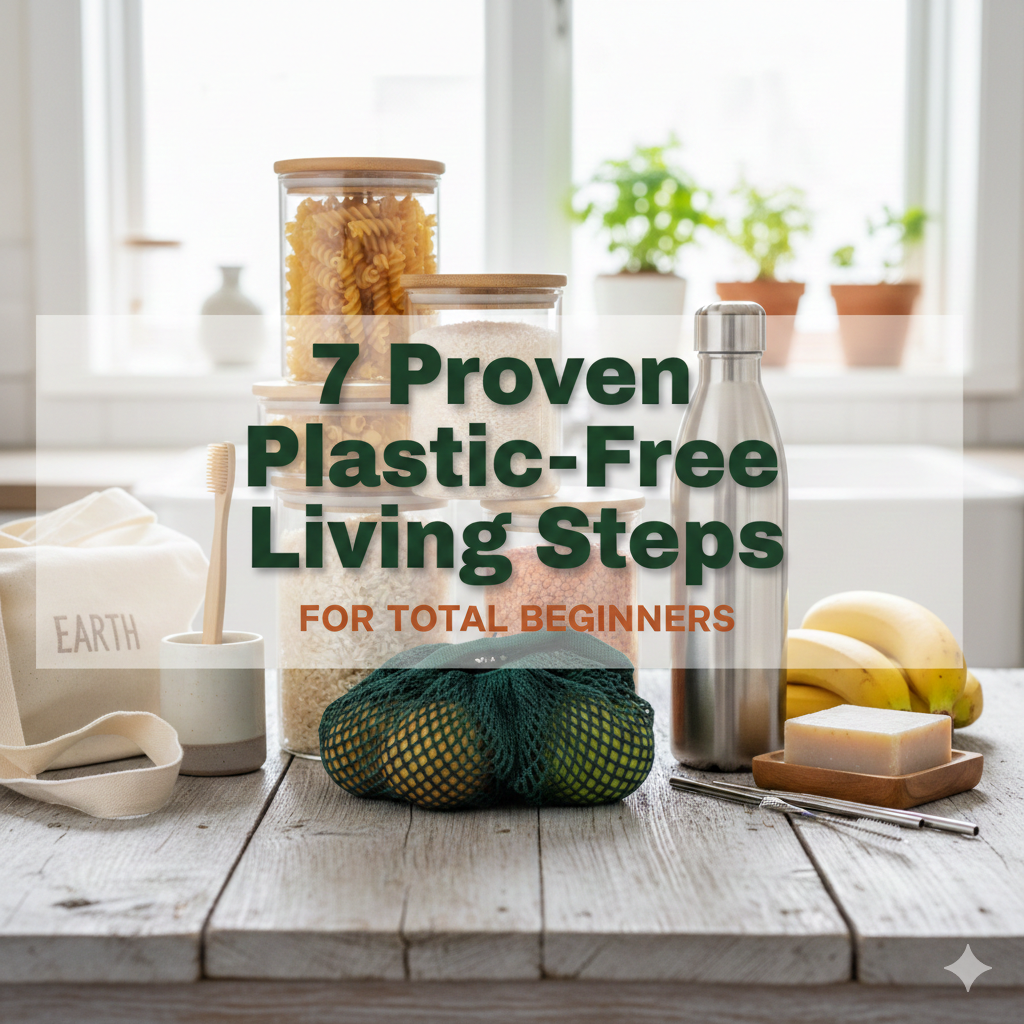
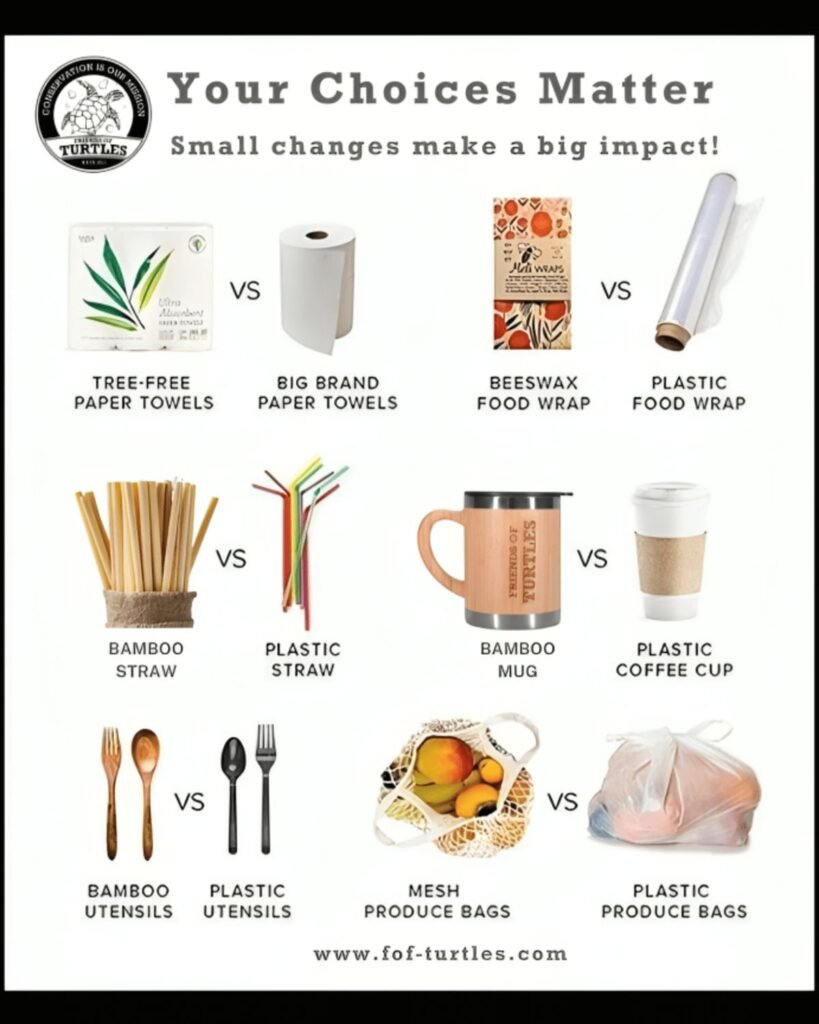
In the Kitchen: Replace plastic wrap with beeswax wraps or silicone stretch lids. Trade in your zip-lock bags for those made of silicone or glass. Replace plastic grocery bags with cloth tote bags.
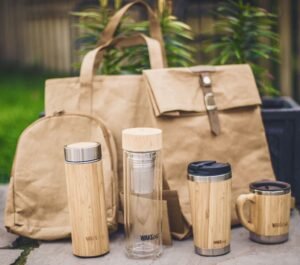
On the Go: Take a reusable water bottle with you — this change alone could prevent hundreds of plastic bottles every year. Carry a reusable coffee cup when you stop for drinks en route to work or school. Tuck a metal or bamboo straw into your purse.
At Restaurants: Politely ask for drinks without straws when you place an order. It takes two seconds, and adds up big.
The True Cost of Single-Use Plastics vs. Reusables
| Item | Single-Use Cost (Per Year) | Reusable Cost (One-Time) | Savings Over 3 Years |
|---|---|---|---|
| Plastic water bottles | ~$300 | $25 (reusable bottle) | ~$875 |
| Plastic grocery bags | ~$60 | $10 (tote bags) | ~$170 |
| Plastic coffee cups | ~$200 | $20 (travel mug) | ~$580 |
| Plastic straws | ~$5 | $5 (metal set) | ~$10 |
The math is clear. In fact, you actually save money in the long run by going plastic-free.
Step 3 — Rethink How You Shop for Food
The Grocery Store Is the Biggest Gateway for Plastic in Your Home
Recall your last trip to the grocery store. Nearly everything came wrapped in plastic — the bags that produce came in, meat trays, chip bags, even the boxes of cereal that rode home with a soft shake of plastic liner. It’s relentless.
But a few changes to how and where you shop can significantly reduce the amount of plastic entering your home.
Shop in Bulk When You Can
Bulk stores and bulk sections allow you to bring your own containers and fill them up with grains, nuts, spices, pasta, coffee and more. You are paying for the food, not the packaging.
If you don’t have a bulk store nearby, try to buy products that are sold in glass jars, paper bags or cardboard boxes — all of which are easier to recycle or compost than plastic.
Choose Loose Produce Over Pre-Packaged
Apples that come pre-packaged in a plastic bag? Skip them. Grab loose apples instead. Same quality, zero plastic wrap.
There are still loose fruits and vegetables in most grocery stores. You can also carry them in small reusable mesh produce bags. They’re lightweight, they wash well and they last years.
Shop Local and Seasonal
Farmers markets are an oasis for plastic-free shopping. Many local vendors that sell produce, bread, eggs and dairy have little to no packaging. You can use your own bags and containers.
And buying local helps support your community and cut down on the carbon needed to transport food long distances.
According to National Geographic, plastic pollution is one of the most pressing environmental issues of our time — making every small swap count more than you might think.
A Beginner’s Plastic-Free Grocery Checklist
- Reusable tote bags (bring at least 2–3)
- Small mesh produce bags (4–6 is a good amount to get started)
- Several glass jars for bulk store items
- A marker to jot down item names or tare weights on jars
- A reusable insulated bag for meat or cold groceries (if you need one)
Step 4 — Create a New Routine for the Bathroom
The Bathroom: One of the Most Plastic-Ridden Rooms in Your Home
The average person uses as many as 11 personal care products a day, and most of those come in plastic bottles. Shampoo, conditioner, body wash, face wash, lotion, toothpaste, deodorant — this stuff adds up quickly.
The good news: over the past few years, plastic-free alternatives for the bathroom have gotten really good.
Top Bathroom Swaps to Make
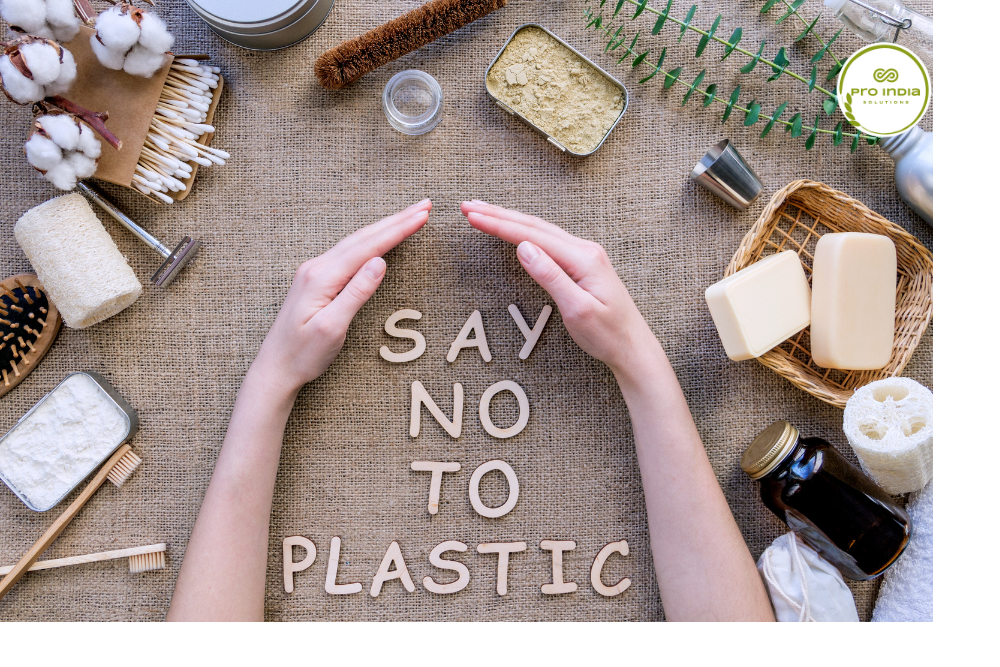
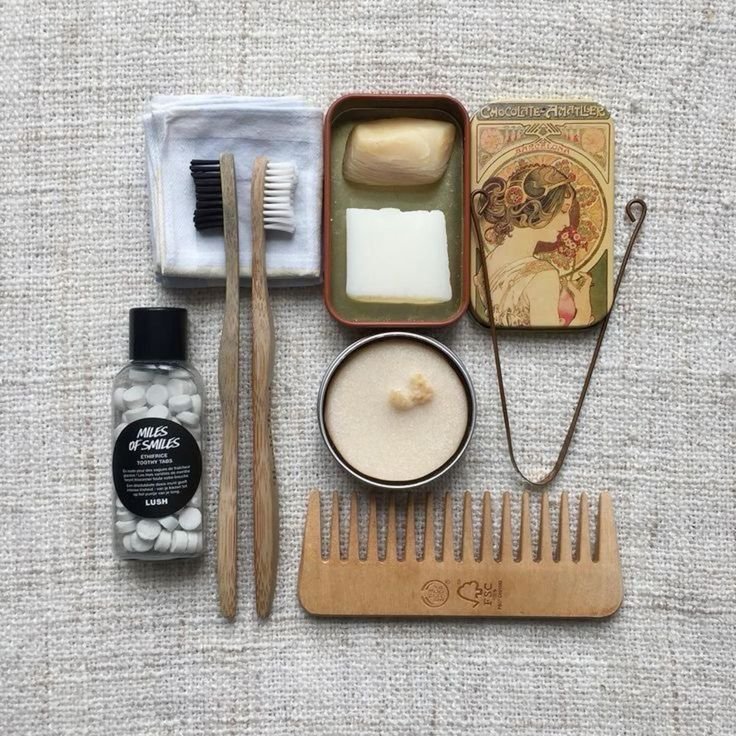
For Your Hair: Bar shampoo and conditioner have both come a long way. Many companies like Ethique, Lush and HiBar produce solid bars that outlast their bottled counterparts — often lasting two to three times as long. No plastic bottle required.
Body Wash: Replace your liquid body wash with plain bar soap instead. You can find bar soap everywhere, it works well and either comes wrapped in paper or not at all.
Toothbrush: A typical plastic toothbrush takes over 400 years to decompose. Use a bamboo toothbrush in its place instead. The handle decomposes naturally, and many brands offer plant-based bristles or specify which ones to remove before composting.
Toothpaste: Try toothpaste in a glass jar or toothpaste tablets. Brands such as Bite or Georganics produce them and they’re just as effective as conventional toothpaste.
Deodorant: Look for deodorant sold in cardboard push-up tubes, glass jars or a refillable form. Schmidt’s, Wild and Package Free Shop have some fantastic options.
Cotton Swabs: Trade plastic-stemmed cotton swabs for ones with paper or bamboo stems. They perform exactly the same and are compostable.
Take Your Time — Swap as You Finish Up
There’s no need to toss all of your current products in the trash. That would be wasteful. Instead, just use up what you’ve got on hand and when it’s empty, replace it with the plastic-free equivalent.
This makes it a nice low-budget way to reduce waste. It also makes the process feel manageable rather than overwhelming.
Step 5 — Clean Your Home Without All That Plastic
Cleaning Products: Hidden in Plastic
Most homes have a cupboard full of plastic spray bottles, cellophane-wrapped sponges and single-use cleaning wipes. We purchase them, use them and then purchase more — over and over.
There’s a better way.
Concentrated Cleaners and Refill Stations
Many companies now sell cleaning products as concentrated tablets or powder. You drop a tablet into a reusable glass or aluminum spray bottle, fill it with water and you’re in business.
Brands like Blueland, Grove Collaborative and Meliora are paving the way here. You purchase the reusable bottle once, then only have to order refill tablets — which arrive in tiny, plastic-free packaging.
Some grocery stores and co-ops also maintain cleaning product refill stations, where you bring your own bottle.
Your Homemade Cleaning Products Are Surprisingly Powerful
You can clean most surfaces in your home with nothing more than a few simple ingredients: white vinegar, baking soda, castile soap and water.
A simple all-purpose cleaner: combine equal parts water and white vinegar in a reusable spray bottle. Add a few drops of essential oil if you’d like it to smell nice. Done.
It costs virtually nothing and doesn’t produce a shred of plastic waste.
Swap Your Sponge
Traditional kitchen sponges are made from plastic foam and shed microplastics every time you use them. Replace them with:
- Compostable cellulose sponges (made from wood pulp)
- Loofah scrubbers (natural plant fiber)
- Cotton or linen dish cloths (wash them and use them for years)
Step 6 — Speak Up and Create a Support Network
Becoming Plastic-Free Is Easier With Others
One of the primary reasons people drop new habits is that they feel isolated doing them. If everyone around you is still grabbing plastic bags at the store and ordering takeout in styrofoam containers, it can all feel futile.
That’s why community matters.
Share What You’re Up To (Without Being Preachy)
You don’t have to lecture your friends and family. But discussing what you’re doing — casually, over a conversation — can raise curiosity. Try something like, “Oh, I’ve been using this shampoo bar and I really love it.” That’s it. No pressure.
When they see it working for you, they get curious on their own.
Find Your Tribe Online
There are massive online communities built around zero waste and plastic-free living. Subreddits like r/ZeroWaste, Instagram accounts and YouTube channels are full of beginners and experienced folks giving tips, product reviews and real talk.
These communities normalize the journey and remind you that no one’s perfect at this.
Make It a Family Thing
If you live with others, enlist them. There’s no need to be heavy-handed — just make it easy for everyone to choose the plastic-free option at home. Store the reusable bags right by the front door. Fill the fridge with leftovers in glass containers. Make it the default.
Children, especially, respond positively when you explain why — show them what plastic does in the ocean, and they often become your best cheerleaders.
Step 7 — Take It One Month at a Time With a Simple Challenge
Structure Keeps You Moving Forward
One of the best things you can do as a newcomer is take on a 30-day plastic-free challenge. Choose one new swap or habit every month and concentrate on that.
By year’s end, you’ll have made 12 meaningful shifts — without ever feeling overloaded.
A 12-Month Plastic-Free Challenge Roadmap
| Month | Challenge |
|---|---|
| Month 1 | Switch to a reusable water bottle |
| Month 2 | Bring tote bags to every grocery run |
| Month 3 | Try a shampoo bar or bar soap |
| Month 4 | Trade your toothbrush for a bamboo version |
| Month 5 | Shop bulk for three pantry items |
| Month 6 | Use beeswax wrap instead of plastic wrap |
| Month 7 | Make and use a DIY cleaning spray |
| Month 8 | Switch to plastic-free deodorant |
| Month 9 | Carry your own container for takeout |
| Month 10 | Swap sponges for natural alternatives like loofahs |
| Month 11 | Try toothpaste tablets |
| Month 12 | Audit your routine and celebrate your progress |
Track Your Progress
Keep a little notepad handy — or use the notes app on your phone — to jot down what you’ve swapped. You’ll begin to see how far you’ve come, and that sort of progress is truly motivating.
You can also get an estimate of how much plastic you’ve kept out of landfills. There are free online calculators to help with this. Seeing actual numbers makes the whole effort feel very real and very worth it.
Common Beginner Mistakes to Avoid
Even with the best intentions, beginners tend to slip up now and then. Here’s what to watch out for:
Purchasing too many “eco” products all at once. Buying a bunch of zero-waste products all at once is still consuming. Use what you’ve already got before replacing.
Thinking recycling is enough. Recycling is preferable to sending everything to landfill, but it’s not a magic fix. Much of what we think is recycled just isn’t. Reducing is always better than recycling.
Going all-or-nothing. This lifestyle is a journey. One day missed, one plastic straw accepted, one item purchased in a plastic container — none of it erases your momentum. Keep going.
Disregarding what works for your life. Plastic-free living looks different for everyone. A college student will have a different approach than a parent of three. Work with your real life, not the Instagram-perfect version of it.
FAQs About Living a Life Without Plastic
Is plastic-free living expensive?
It can seem that way initially, because you’re paying for replacement items. But in the long run, reusable items cost a lot less than single-use products. Many plastic-free swaps — like homemade cleaners or bar soap — actually save money compared to conventional options.
Must I get rid of all plastic in one go?
Absolutely not. Begin with a swap or two and work from there. The goal is slow, permanent progress — not some kind of overnight miracle.
What if I can’t find plastic-free options where I live?
Online shopping will meet a lot of those needs. Stores like Package Free Shop, Zero Waste Store and even Amazon carry plastic-free options. Shopping in bulk or choosing glass or cardboard over plastic whenever possible helps too.
Can a single individual actually make a difference?
Yes — and here’s why. Your choices send market signals. When people purchase plastic-free items, companies make more of them. Individual action also inspires others. One person’s shift can ripple out in ways you might not always see.
What about plastic that’s harder to avoid, like medicine packaging or electronics?
Some plastic use is inevitable, particularly in medical applications and for safety. Don’t stress about those. Concentrate your energy where you have real choices and let the rest go. Plastic-free living isn’t about zero-plastic perfection — it’s about doing your reasonable best.
Is it healthier to live without plastic?
There is growing evidence that decreasing plastic exposure — particularly from food packaging and single-use containers — can lower your contact with chemicals like BPA and phthalates, which have been linked to hormonal disruption and numerous health problems. So yes, there are possible health benefits in addition to the environmental ones.
Wrapping It All Up
Few people manage to live plastic-free perfectly. It’s about being intentional.
You now have 7 clear, proven steps to take: audit your plastic use, ditch single-use items, shop smarter in every way imaginable, rethink your bathroom routine, clean your home without all the plastic waste, build a community around your goals and take it one month at a time.
None of these steps require you to be an expert. None of them demand you upend your life overnight. They only ask that you begin — somewhere, somehow, today.
The planet doesn’t need a handful of people doing plastic-free living perfectly. It needs millions of people doing it imperfectly. And you’re already one of them, just by reading this far.
Pick one step. Start this week. See how it feels.
That’s how real change begins.