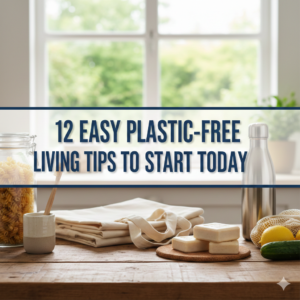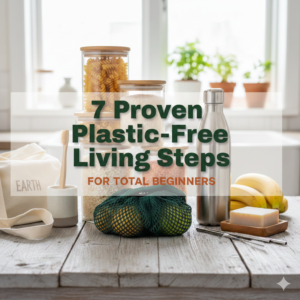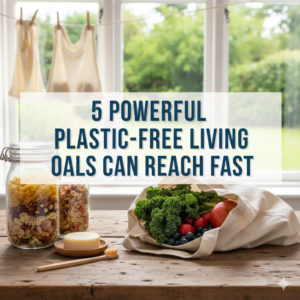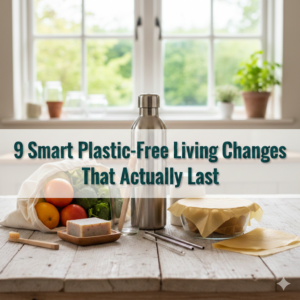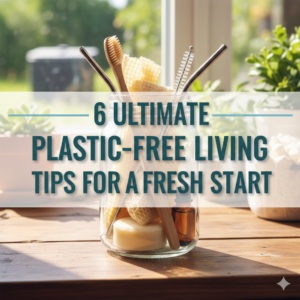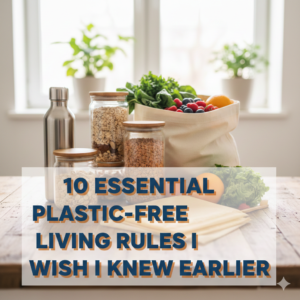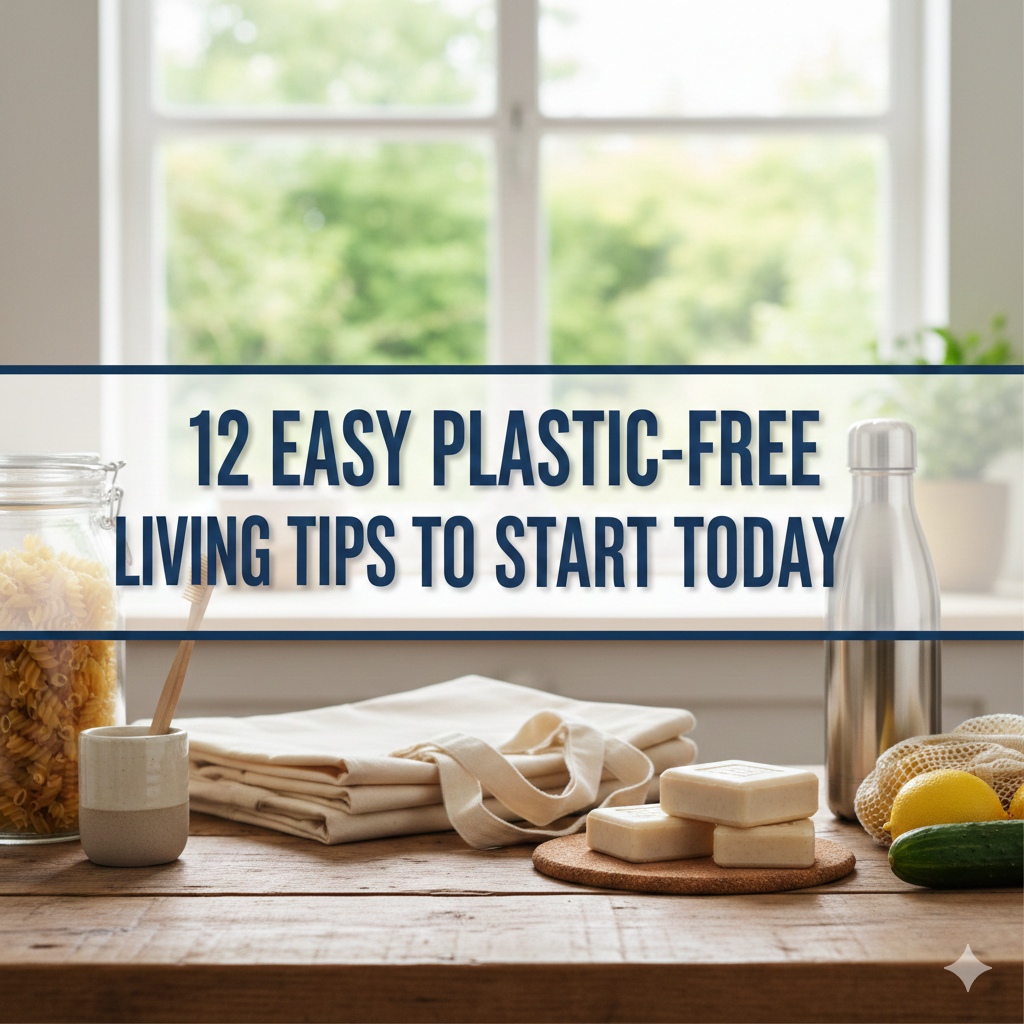
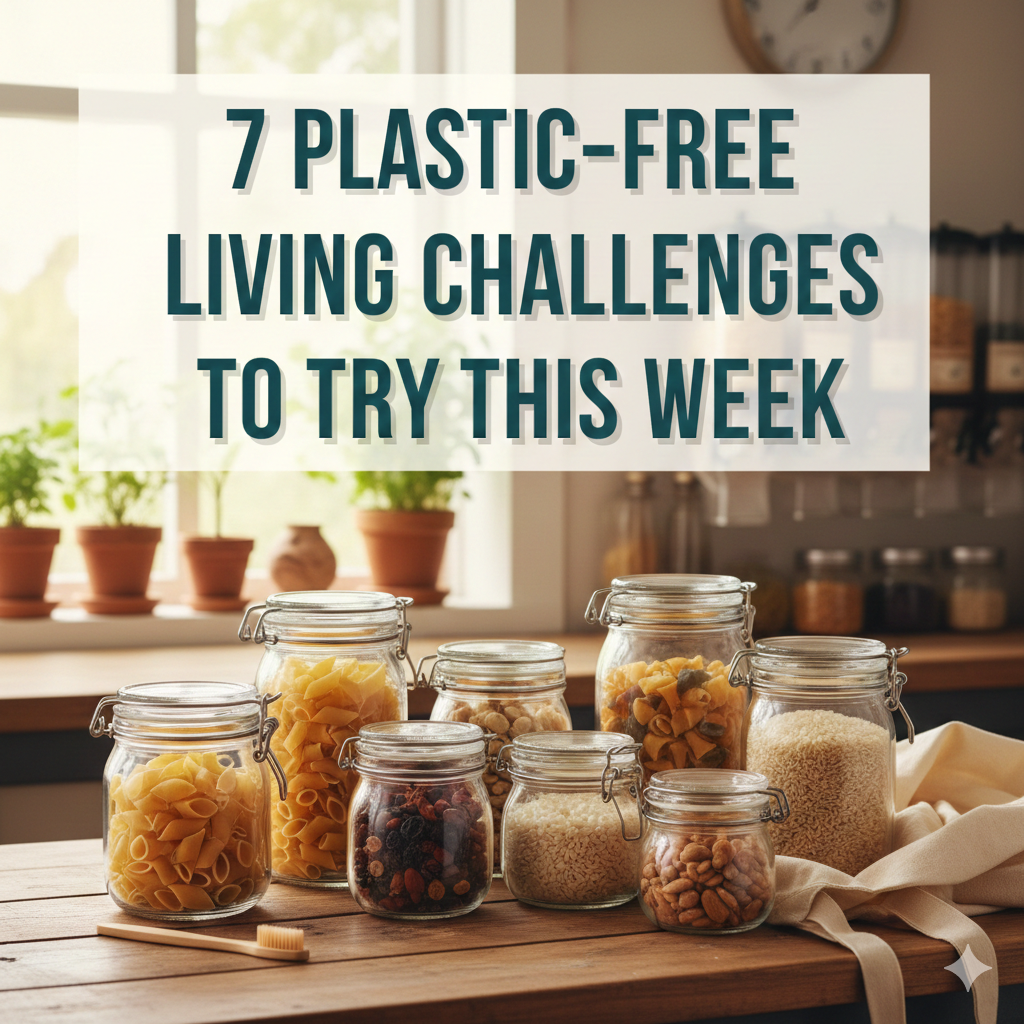
In our fast-paced world, it’s easy to overlook the little things that add up to big problems, like the endless stream of plastic that clutters our lives. I’ve been thinking about this a lot lately, especially after a beach cleanup where I saw firsthand how much junk ends up in the ocean. Plastic-free living isn’t just a trend; it’s a practical shift that can make you feel more connected to the planet. This week, why not dive into some challenges that push you out of your comfort zone? I’ve come up with seven ideas that are doable, even if you’re busy. They’re not about perfection—just small steps that might stick around longer than you expect.
Let’s start with the basics. Plastic is everywhere because it’s cheap and convenient, but it’s also a nightmare for the environment. It doesn’t biodegrade; it breaks down into microplastics that poison wildlife and even end up in our food. According to some reports I’ve read, we produce over 400 million tons of plastic annually, and less than 10% gets recycled. That’s staggering. But instead of getting overwhelmed, focusing on weekly challenges can make it manageable. These aren’t rigid rules; think of them as experiments. Track what works, what doesn’t, and adjust. Maybe jot down notes in a journal—I’ve found that helps me stay motivated.
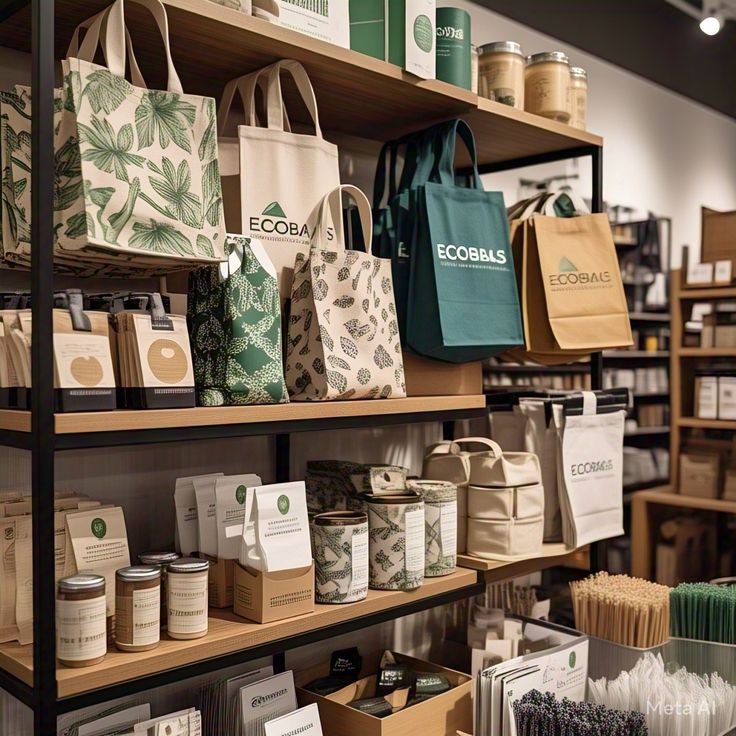
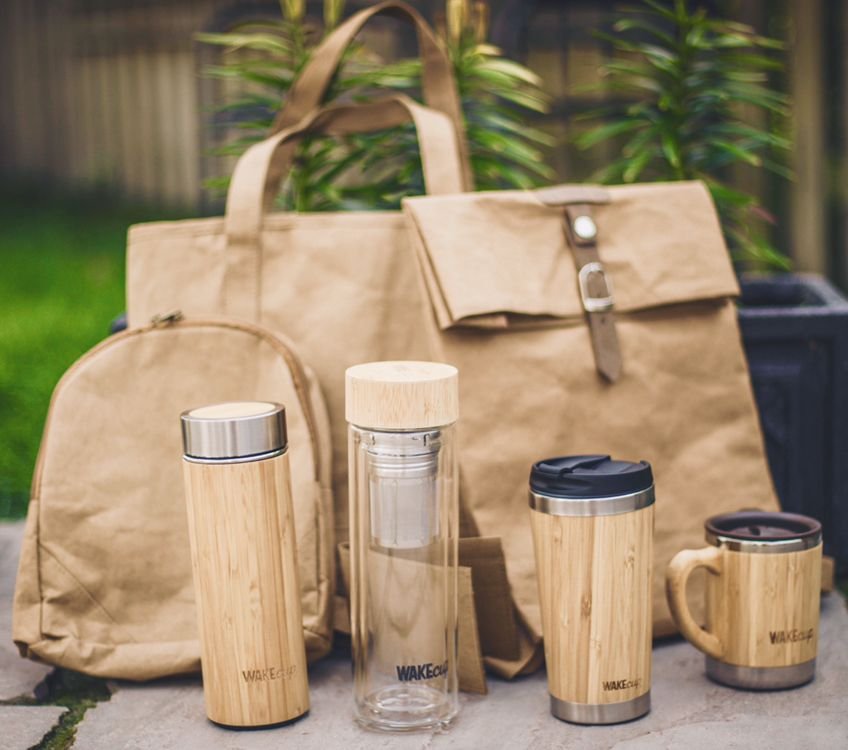
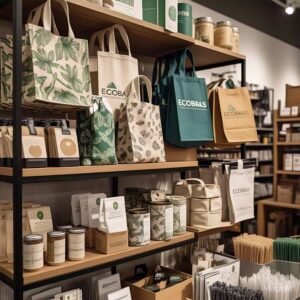
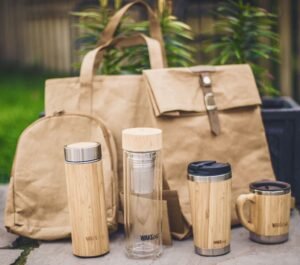
The first challenge is to ditch single-use plastic bags entirely. You know, those flimsy ones at the grocery store that rip the second you overload them. This week, commit to using only reusable bags. If you don’t have any, grab some cloth totes from home or buy a few sturdy ones made from cotton or jute. I remember the first time I tried this; I forgot my bags in the car and had to carry everything out in my arms. It was awkward, but it taught me to plan ahead. Start by keeping bags in your purse, backpack, or car trunk so they’re always handy.
Why bother? Well, plastic bags are a major pollutant. They choke marine animals and take centuries to decompose. By switching, you’re reducing demand for new plastic production, which cuts down on fossil fuel use since most plastics come from oil. Plus, reusable bags are stronger and can hold more. To make it easier, try shopping at markets that encourage bring-your-own containers. Farmers’ markets are great for this—you can fill up on fresh produce without any packaging. If you slip up and grab a plastic bag, don’t beat yourself up; just reuse it for something else, like lining a small trash bin.
Expanding on this, think about other shopping habits. Challenge yourself to avoid pre-packaged fruits and veggies. Opt for loose items and use mesh produce bags. These are lightweight and washable. I’ve started doing this, and it’s surprising how much less waste I generate. At the checkout, politely decline any extra bags. Some stores even give discounts for bringing your own—it’s a win-win. If you’re online shopping, choose sellers with minimal packaging or request plastic-free options. Over the week, you might notice your trash bin isn’t filling up as fast, which is a subtle but satisfying reward.
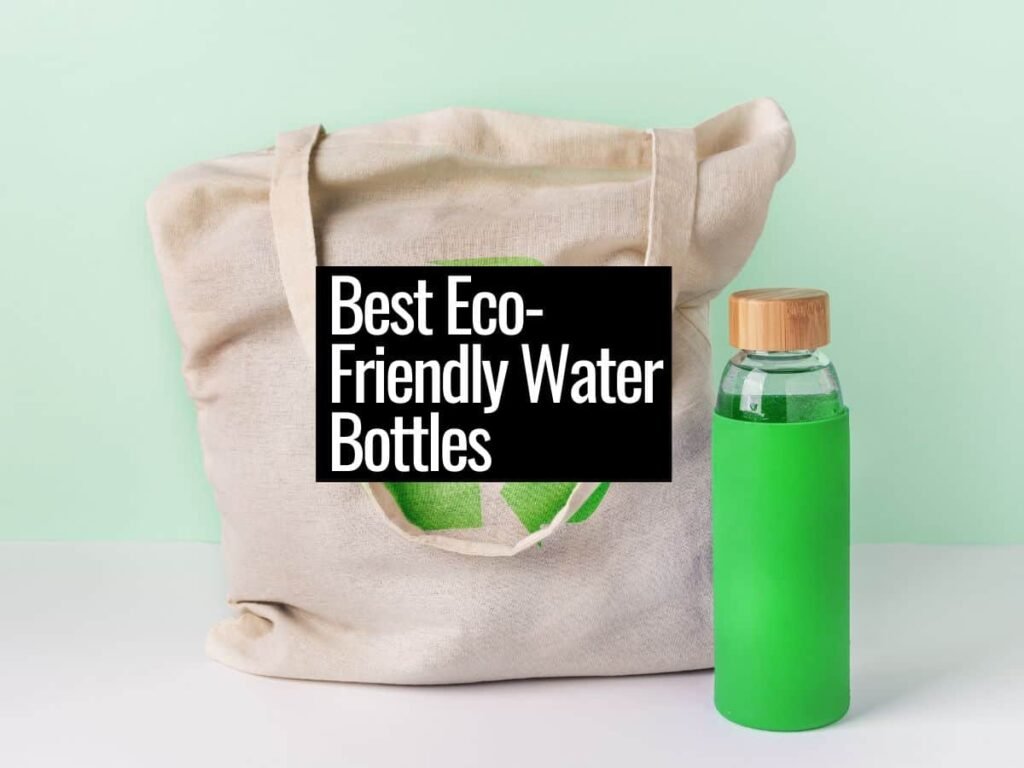
Moving on to hydration. The second challenge: switch to a reusable water bottle and say no to bottled water. Plastic bottles are everywhere—gas stations, offices, events. But they’re unnecessary if you plan a bit. Invest in a stainless steel or glass bottle if you don’t have one. I prefer steel because it’s durable and keeps drinks cold. Fill it up at home or find public fountains. Apps can help locate refill stations nearby.
This one’s personal for me. I used to buy bottled water daily, thinking it was cleaner, but tap water in most places is just as safe, especially with a filter. Bottled water contributes to massive plastic waste—over 60 million bottles end up in landfills daily in the U.S. alone. By going reusable, you’re saving money too; those dollars add up. Challenge yourself to carry it everywhere this week. At work, refill from the cooler. Out and about? Many cafes will fill it for free. If flavor’s an issue, infuse with fruit slices—no plastic involved.
But it’s not just water. Extend this to other drinks. Avoid plastic straws by using metal or bamboo ones, or skip them altogether. I’ve gotten used to sipping without, and it’s no big deal. For coffee runs, bring a reusable mug. Some places offer discounts for that. Track how many plastic bottles you avoid; maybe aim for zero. If you forget once, it’s okay—use it as a reminder next time. This challenge builds habits that last beyond the week.
Now, let’s talk kitchen plastics. Third challenge: eliminate plastic wrap and storage bags. These are sneaky culprits—cling film for leftovers, zip-top bags for snacks. Instead, try beeswax wraps, silicone lids, or glass containers. Beeswax wraps are fun; they’re moldable with hand warmth and reusable for months. I made the switch after seeing how much wrap I tossed weekly.
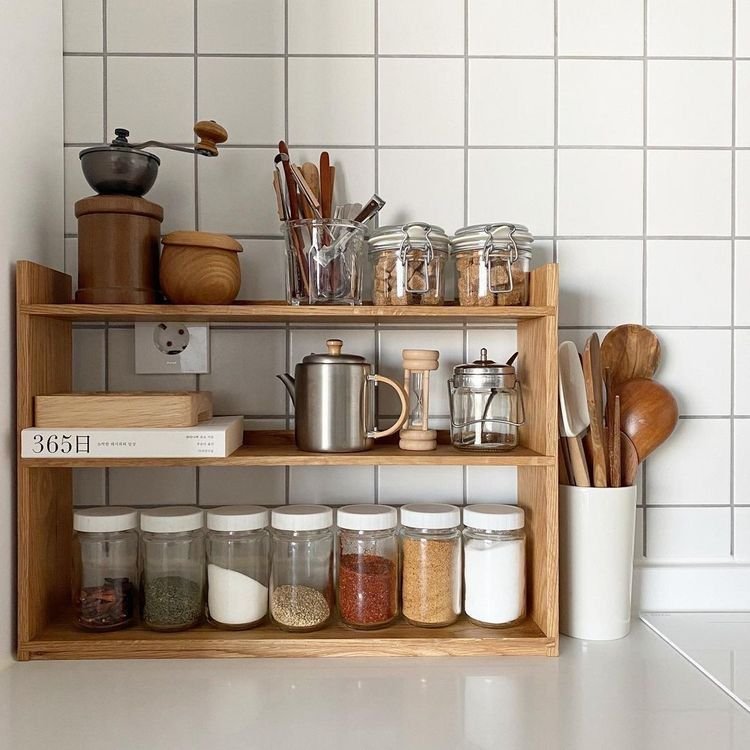
Plastic wrap leaches chemicals into food, especially when heated, and it’s rarely recycled. By ditching it, you’re healthier and greener. For storage, repurpose jars from pasta sauce or pickles—they’re free and sturdy. This week, when meal prepping, use cloth covers or plates over bowls. For sandwiches, wrap in parchment or cloth. It might feel old-school, but it’s effective. Experiment with recipes that minimize waste, like bulk cooking in reusable dishes.
If you’re baking, use silicone mats instead of plastic liners. Cleaning tip: wash reusables promptly to avoid stains. I’ve found that this challenge sparks creativity in the kitchen. You start thinking about food differently, focusing on fresh ingredients that don’t need wrapping. By week’s end, your drawers might feel less cluttered, and you’ll wonder why you relied on plastic so much.
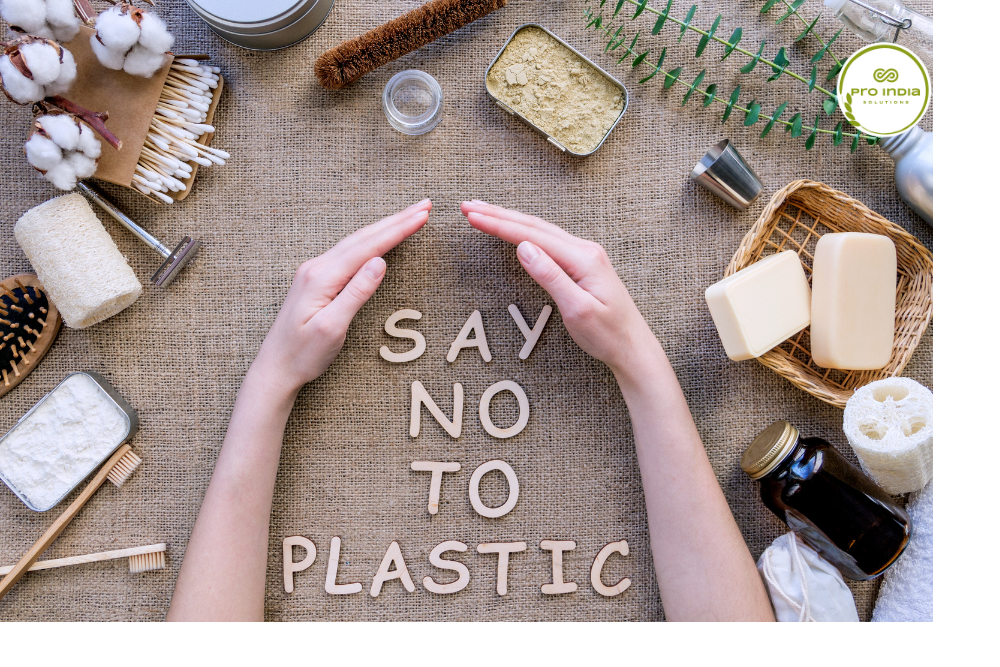
Personal care is next. Fourth challenge: go plastic-free in your bathroom routine. Shampoo bottles, toothpaste tubes, disposable razors—all plastic-heavy. Switch to bar soap, solid shampoo, and bamboo toothbrushes. I tried this and was amazed at the options. Bar shampoo lathers just as well and lasts longer.
Why? Bathroom plastics often end up in waterways, harming aquatic life. Microbeads in scrubs are banned in many places, but other plastics persist. This week, audit your products. Replace as needed—many stores have zero-waste sections. For deodorant, try crystal sticks or make your own with baking soda. Shaving? Safety razors with metal blades are economical.
Don’t forget menstrual products if applicable; reusable pads or cups cut plastic waste hugely. It takes adjustment, but the freedom from buying disposables is liberating. Track savings—plastic-free items often cost less long-term. If something doesn’t work, swap it out. This challenge is about self-care without environmental harm.
Clothing comes fifth. Challenge: avoid synthetic fabrics and plastic in your wardrobe. Polyester, nylon—these are plastics derived from petroleum. Opt for natural fibers like cotton, wool, linen. This week, when dressing or shopping, choose plastic-free options. I started by checking labels; it’s eye-opening how much plastic hides in clothes.
Microfibers shed in washes, polluting oceans. By choosing naturals, you reduce that. Wash less often, air dry. For new buys, thrift stores have great natural-fiber finds. Repair instead of replace—mend tears to extend life. This challenge encourages mindful consumption. You might declutter plastic-heavy items, donating them.
Extend to accessories: avoid plastic jewelry or bags. Leather or canvas alternatives work. By week’s end, your outfits feel more breathable, and you’re supporting sustainable fashion subtly.
Sixth: plastic-free dining out. Takeout containers, utensils, cups—all single-use plastic. Challenge: bring your own or choose eateries with sustainable practices. Use a reusable container for leftovers, metal fork in your bag. I do this now; servers are usually cool with it.
Plastic utensils break easily and litter streets. By refusing, you signal demand for change. This week, plan meals—eat in or pack lunches in reusables. For delivery, note “no plastic” in orders. Coffee shops: your mug. It reduces waste and often saves money.
If forgetting happens, use it as learning. This challenge makes outings intentional, enjoying food without guilt.
Finally, seventh: DIY cleaning without plastic bottles. Store cleaners are plastic-packaged and chemical-laden. Make your own with vinegar, baking soda, essential oils. I mix vinegar-water for windows; it works great.
Plastic bottles pile up in recycling. Homemade cleaners are cheaper, safer. This week, replace one product daily. All-purpose: vinegar, water, lemon. Scrubs: baking soda paste. Store in glass jars.
Safety note: don’t mix bleach with anything. Experiment, adjust scents. You’ll feel accomplished, home smells fresh without toxins.
Wrapping up, these challenges aren’t about overnight change but building awareness. I’ve tried most, and while challenging, they’re rewarding. Less plastic means less clutter, more connection to nature. Track progress, share with friends—maybe start a group. Small actions compound; imagine if everyone tried one. Give it a go this week—you might surprise yourself.