7 Easy Beginner Plastic-Free Living Swaps That Changed My Routine
Plastic used to be invisible to me. It was simply part of the background of modern life — wrapped around vegetables, lining bathroom shelves, tucked into cleaning cabinets, and packed into every grocery bag. I didn’t wake up one day determined to overhaul everything. Instead, my shift toward plastic-free living began with a few small, manageable swaps.
What surprised me most wasn’t just how easy some changes were — it was how quickly they reshaped my daily routine, my spending habits, and even my mindset.
If you’re curious about reducing plastic but feel overwhelmed, this guide is for you. These seven beginner-friendly swaps are practical, affordable, and realistic. They don’t require perfection — just intention.
Why Start Small?
Before diving into the swaps, it helps to understand something important: plastic-free living is not about eliminating every single piece of plastic overnight. That approach often leads to burnout.
Instead, the most sustainable approach (ironically) is incremental change.
The Problem With “All-or-Nothing” Thinking
- It creates pressure.
- It makes the process feel expensive.
- It discourages beginners.
- It ignores accessibility differences.
Small swaps compound over time. When you replace frequently used disposable plastics with reusable alternatives, you create both environmental and financial benefits.
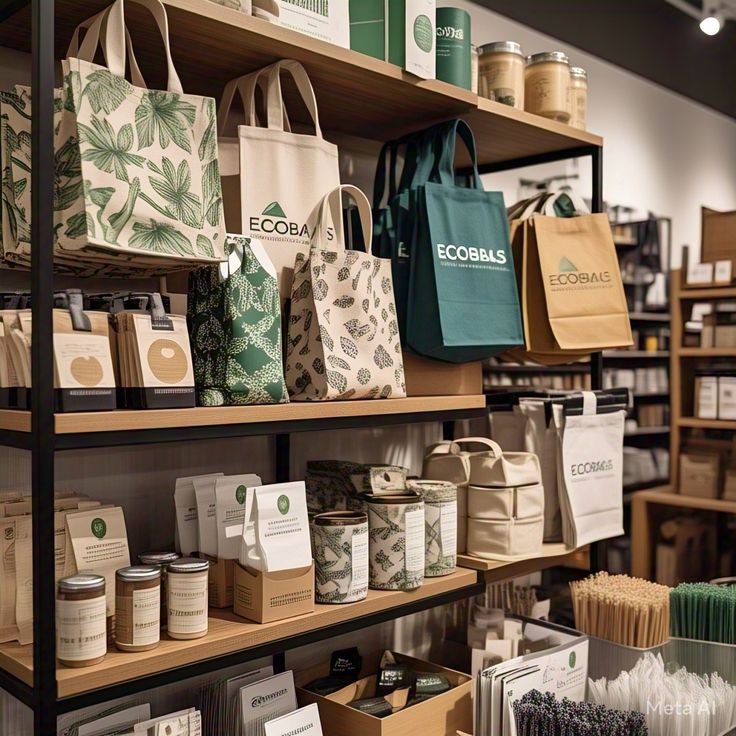
Swap #1: Reusable Grocery Bags
What I Used to Do
Every grocery trip meant coming home with 5–10 plastic bags. Some were reused as trash liners, but many piled up.
The Change
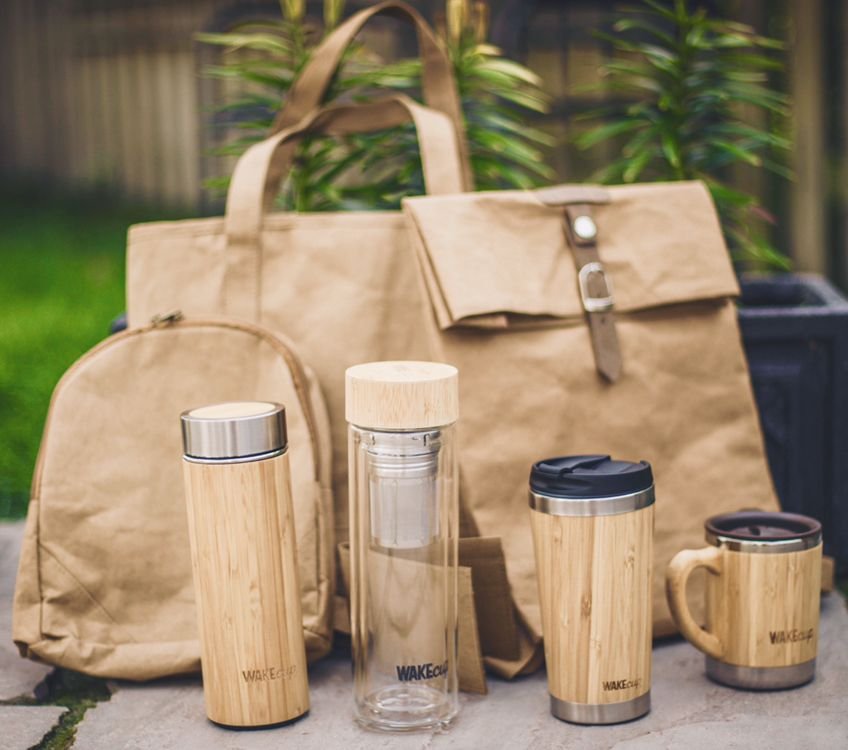
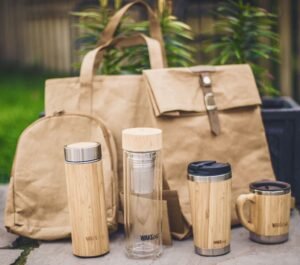
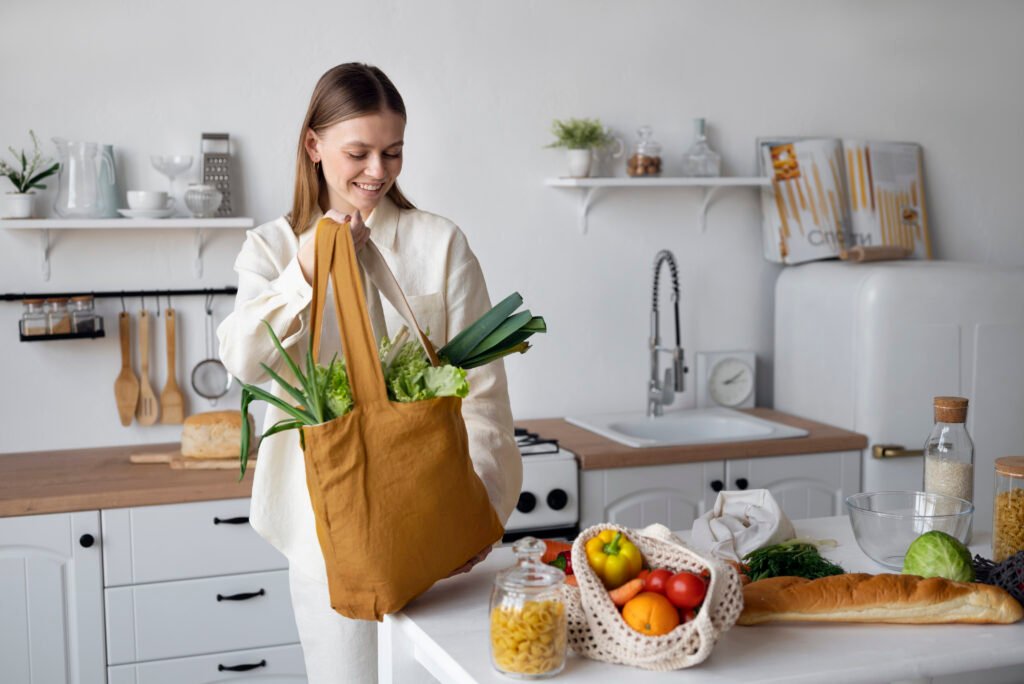
I bought 5 sturdy reusable fabric bags and kept them in my car trunk.
Why It Worked
- Easy habit shift.
- Immediate visible impact.
- No lifestyle sacrifice.
Plastic Bag Usage Comparison
| Category | Before (Monthly Avg) | After (Monthly Avg) | Annual Reduction |
|---|---|---|---|
| Plastic grocery bags | 35–40 | 0–2 | ~450 bags |
| Accidental double-bag usage | 10 | 0 | 120 bags |
Unexpected Benefits
- Stronger bags carried more groceries.
- Easier to transport.
- No tearing mid-walk.
Swap #2: Stainless Steel or Glass Water Bottle
What I Used to Do
I frequently bought bottled water while commuting or traveling.
The Change
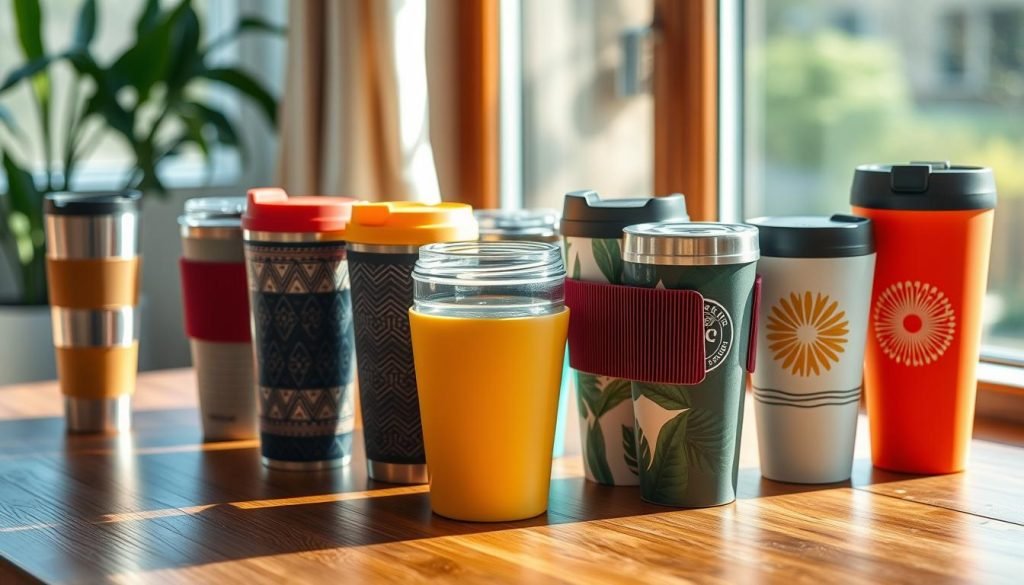
I switched to a stainless steel insulated bottle.
Why It Changed My Routine
- I drank more water.
- I saved money.
- I stopped generating daily waste.
Cost Comparison: Bottled Water vs Reusable Bottle
| Category | Bottled Water Habit | Reusable Bottle |
|---|---|---|
| Bottles per week | 5–7 | 0 |
| Weekly cost | $10–$15 | $0 |
| Annual cost | ~$600 | ~$25 (one-time) |
| Plastic bottles/year | 260–365 | 0 |
Financial & Waste Impact Over 3 Years
| Category | Bottled Water | Reusable Bottle |
|---|---|---|
| Total Cost | ~$1,800 | ~$25–$40 |
| Bottles Used | ~900 | 0 |
This single swap paid for itself within weeks.
Swap #3: Bar Soap Instead of Liquid Soap
Liquid soap seems harmless — until you notice every bottle is plastic.
What I Switched
- Body wash → bar soap
- Liquid hand soap → bar soap in a dish
Why It Was Easier Than Expected
- Bar soap lasts longer.
- It often comes in paper packaging.
- It reduces clutter.
Longevity Comparison
| Product Type | Average Duration | Packaging Type |
|---|---|---|
| Liquid body wash | 3–4 weeks | Plastic bottle |
| Bar soap | 5–6 weeks | Paper wrapper |
Bonus Discovery
I started choosing higher-quality soaps because I wasn’t just grabbing whatever was on sale. The experience felt more intentional.
Swap #4: Beeswax Wraps Instead of Plastic Wrap
Plastic wrap is one of the most used — and most discarded — kitchen plastics.
The Change
I replaced plastic wrap with beeswax wraps and reusable silicone lids.
Learning Curve
At first, I forgot and reached for plastic wrap. But once I removed it from the drawer entirely, the habit shifted.
Kitchen Waste Reduction Table
| Item Replaced | Monthly Usage Before | After Swap | Annual Reduction |
|---|---|---|---|
| Plastic wrap rolls | 1 roll every 2 months | 0 | 6 rolls |
| Sandwich baggies | 20–30 | 2–3 | ~300 baggies |
Durability
Beeswax wraps last 6–12 months with proper care.
Silicone lids last years.
Swap #5: Bamboo Toothbrush
Toothbrushes are small, but nearly everyone uses 3–4 per year.
What Changed
I switched to a bamboo-handled toothbrush.
Why It Matters
- Traditional toothbrushes are fully plastic.
- Billions end up in landfills annually.
- They are rarely recyclable.
Toothbrush Waste Over 10 Years
| Type | Quantity Used | Plastic Waste Generated |
|---|---|---|
| Plastic toothbrush | 40 | 100% plastic |
| Bamboo toothbrush | 40 | Compostable handle |
Even small swaps matter when multiplied across time and population.
Swap #6: Bulk Buying With Reusable Containers
This was the most transformative shift.
What I Started Doing
- Bringing jars for rice, beans, oats.
- Buying loose produce.
- Choosing cardboard or paper packaging.
Why It Changed My Routine
- Grocery trips became more mindful.
- I wasted less food.
- My pantry became more organized.
Packaging Waste Comparison
| Product Type | Conventional Packaging | Bulk Purchase |
|---|---|---|
| Rice | Plastic bag | None |
| Oats | Plastic-lined box | None |
| Nuts | Plastic pouch | None |
Monthly Plastic Reduction Estimate
Average Packaging Items Avoided Per Month: 15–25
Estimated Annual Reduction: 180–300 packages
Swap #7: Reusable Cleaning Cloths Instead of Paper Towels
Paper towels aren’t plastic — but they often come wrapped in plastic packaging.
What I Did
- Switched to washable cloths.
- Cut old t-shirts into rags.
- Designated cloth types for kitchen and bathroom.
Household Waste Comparison
| Category | Before | After |
|---|---|---|
| Paper towel rolls | 4–6 per month | 0–1 backup roll |
| Plastic packaging | Monthly | Rare |
Cost Over One Year
| Item | Paper Towels | Reusable Cloths |
|---|---|---|
| Annual Cost | ~$150 | ~$30 one-time |
The Bigger Picture: Combined Impact
Let’s look at the estimated total reduction from these seven beginner swaps.
Annual Plastic Reduction Estimate
| Category | Estimated Annual Reduction |
|---|---|
| Grocery bags | 570 |
| Water bottles | 300 |
| Soap bottles | 12–15 |
| Plastic wrap & baggies | 300+ |
| Toothbrushes | 3–4 |
| Food packaging | 200 |
| Cleaning packaging plastics | 12 |
Total Estimated Plastic Items Avoided Per Year: 1,400+
How These Swaps Changed My Routine
Beyond numbers, the biggest change was psychological.
1. Increased Awareness
I started noticing packaging everywhere.
2. Slower Consumption
I bought fewer impulse items.
3. Better Quality Products
Reusable items tend to be better made.
4. Financial Benefits
Many swaps reduced long-term spending.
5. Reduced Clutter
Fewer disposable products = fewer purchases.
Common Beginner Concerns
“Isn’t plastic-free living expensive?”
It can be — if you try to replace everything at once. But gradual swaps spread out costs, and many reusable items save money long term.
“What if I forget my reusable items?”
It happens. Progress, not perfection.
“Isn’t some plastic unavoidable?”
Yes. The goal is reduction, not elimination.
Beginner Strategy Plan
If you want a simple starting framework, try this:
Month-by-Month Swap Plan
| Month | Swap Focus |
|---|---|
| Month 1 | Reusable grocery bags |
| Month 2 | Water bottle |
| Month 3 | Bar soap |
| Month 4 | Cleaning cloths |
| Month 5 | Beeswax wraps |
| Month 6 | Bamboo toothbrush |
| Month 7 | Bulk pantry items |
This pacing avoids overwhelm.
The Mindset Shift That Matters Most
Plastic-free living isn’t about aesthetic perfection or fitting everything into glass jars. It’s about reducing dependency on single-use convenience where practical.
The moment I stopped aiming for “zero waste” and instead aimed for “less waste,” everything became sustainable — emotionally and practically.
Frequently Asked Questions (FAQs)
1. Do I need to throw away all my plastic items to start?
No. Use what you already own. The most sustainable option is often using existing items fully before replacing them.
2. Is plastic-free living realistic for families?
Yes, but flexibility is key. Start with high-volume items like grocery bags and water bottles. Small family changes can reduce thousands of items annually.
3. What if my area doesn’t have bulk stores?
Focus on other swaps like reusable bottles, bar soap, and cleaning cloths. Choose products in cardboard or glass when possible.
4. Are reusable items always better for the environment?
They become more sustainable when used consistently. A reusable bottle only reduces waste if you actually use it regularly.
5. How do I stay motivated?
Track your progress visually. Keep a simple tally of plastic items avoided each month. Seeing the reduction builds momentum.
6. What’s the easiest swap to start with?
Reusable grocery bags or a reusable water bottle. They are simple, accessible, and immediately impactful.