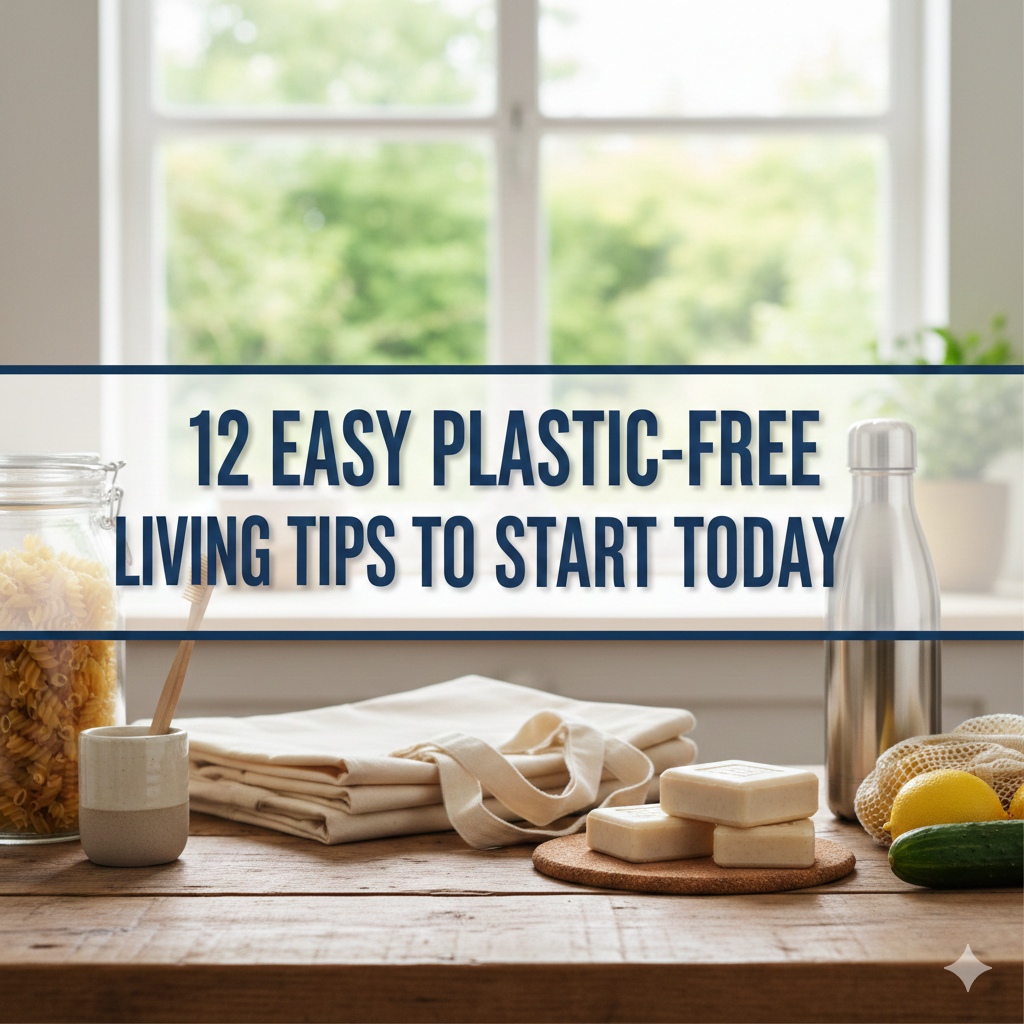
6 Ultimate Plastic-Free Living Tips for a Clean Slate
Plastic is everywhere. It’s in your kitchen, your bathroom, your grocery bag and even your clothes. The world churns out more than 400 million tons of plastic every year — most of which ends up in landfills, oceans and the soil. That’s a problem that impacts all of us.
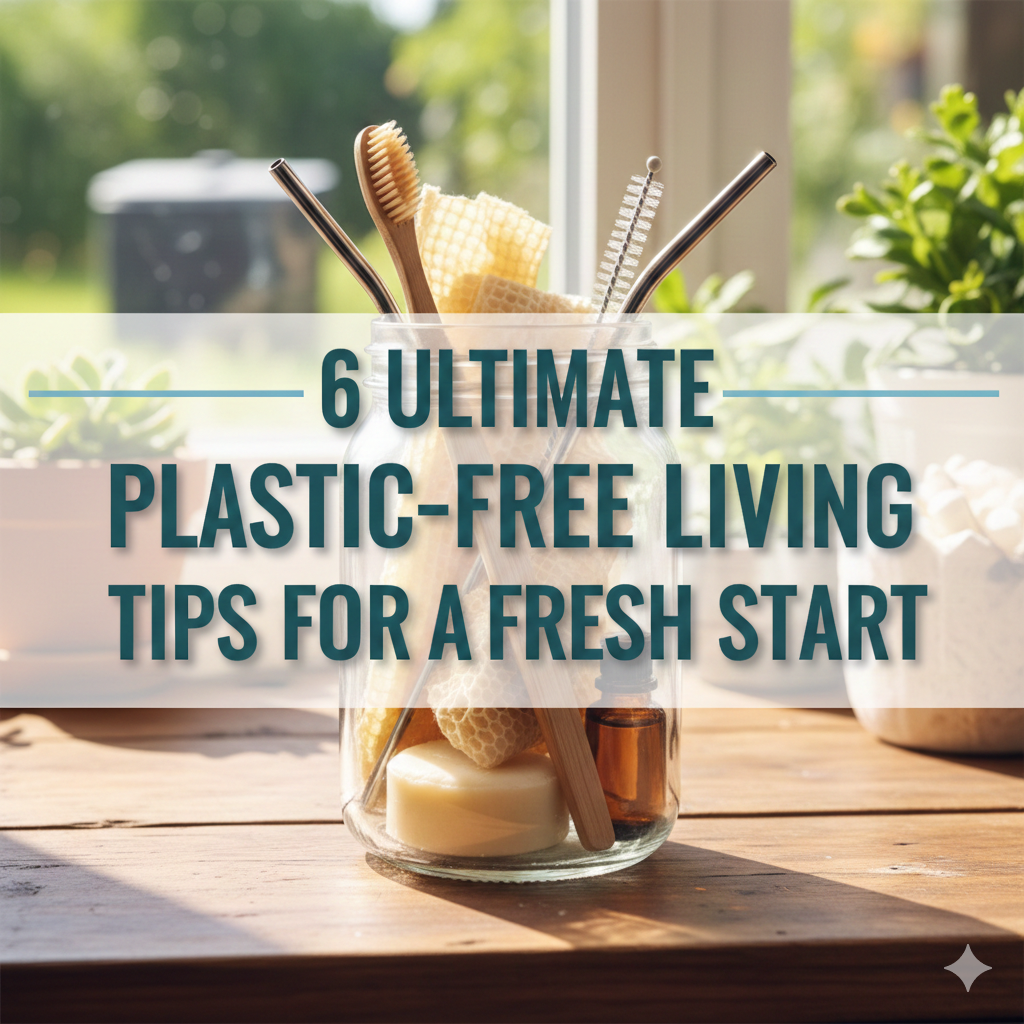
But here’s the good news: You don’t need to overhaul your life entirely overnight. Tiny, intelligent modifications accumulate quickly. Whether you’re a beginner or are ready to step up your plastic-free game, these 6 ultimate tips for living without plastic will give you a truly practical fresh start.
Let’s dive in.
Why Plastic-Free Actually Matters Right Now
Before we dig into the tips, it’s worth taking a moment to understand why this is so important.
Plastic doesn’t just disappear. Most plastic requires 20 to 500 years to break down. And when it does, it doesn’t vanish — it breaks down into microplastics, small particles that make their way into drinking water, seafood and even human blood.
Human lungs had not previously been found to contain microplastics until a 2022 study. They have also been detected in breast milk. That’s how extensively the problem has proliferated.
The good news? Consumer choices drive change. When people quit buying single-use plastic, companies react. Demand shapes supply. So pretty much every swap you make sends a signal.
Tip #1 — Upgrade Your Kitchen Plastics First
The kitchen churns out more household plastic waste than any other room. Consider how much plastic goes through it in a week: plastic wrap, zip-lock bags, snack packets, plastic bottles, disposable cutlery and takeout containers.
And it’s where change is easiest — and most fun.
Start With Food Storage
Get rid of the plastic wrap and the zip-lock bags. Replace them with:
- Beeswax wraps — reusable, pliable and naturally antibacterial
- Glass jars with lids — perfect for leftovers and meal prep
- Stainless steel containers — strong and lightweight
- Silicone bags — pliable, freezer-friendly and infinitely useful
One beeswax wrap can replace hundreds of single-use pieces of plastic wrap. That is a huge decrease over the course of a year.
Rethink Your Grocery Routine
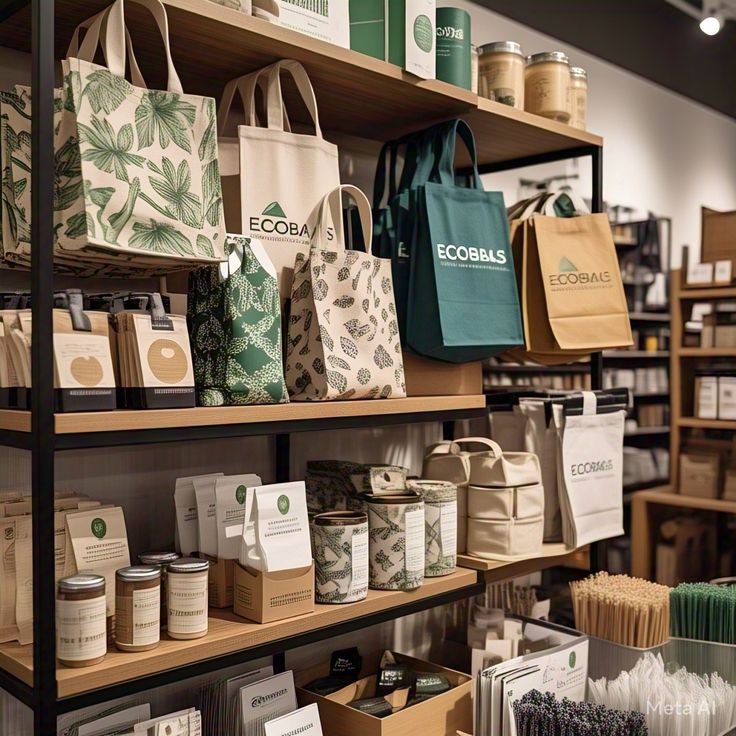
Carry reusable bags with you whenever you go shopping. And not just for the big bag at checkout — bring small mesh bags for fruits and vegetables too. They’re available at most grocery stores and are washable and reusable for years.
Buy in bulk when possible. Bulk sections allow you to carry your own containers and avoid packaging entirely. Many stores that offer bulk bins will let you bring glass jars in to fill directly.
Your Plastic-Free Kitchen Swap Table
| Old Habit | Plastic-Free Swap |
|---|---|
| Plastic wrap | Beeswax wraps |
| Zip-lock bags | Silicone bags or glass containers |
| Plastic grocery bags | Reusable cloth or mesh bags |
| Plastic water bottles | Stainless steel or glass bottles |
| Plastic straws | Bamboo, glass or metal straws |
| Plastic cutlery | Bamboo or stainless steel cutlery |
| Plastic sponges | Natural loofah or wooden brushes |
Making these swaps doesn’t require spending a fortune. Begin with one or two changes. Update as old items become depleted.
Tip #2 — Remodel Your Bathroom Without the Plastic
For most people, it’s likely they don’t realize how much plastic lives in their bathroom. Shampoo bottles, conditioner, body wash, toothpaste tubes, razors, makeup packaging — it adds up quickly.
The average person discards nearly 11 pounds of bathroom plastic annually. That’s a lot of waste from such a small room.
Go Solid in the Shower
Solid alternatives are some of the best plastic-free swaps you can make.
Shampoo bars function in much the same way as liquid shampoo, minus the plastic packaging. A good shampoo bar will last as long as two or three bottles of liquid shampoo. Brands like HiBar, Ethique and Lush make one for every hair type.
Conditioner bars are equally effective. They’re concentrated, long-lasting and travel-friendly.
For good reason, solid body wash bars — also known as plain bar soap — have been around for centuries. They don’t cost much and they come in paper or no packaging at all.
Teeth and Skin: Quick Plastic-Free Wins
Toothpaste is a little trickier, but you can find good options:
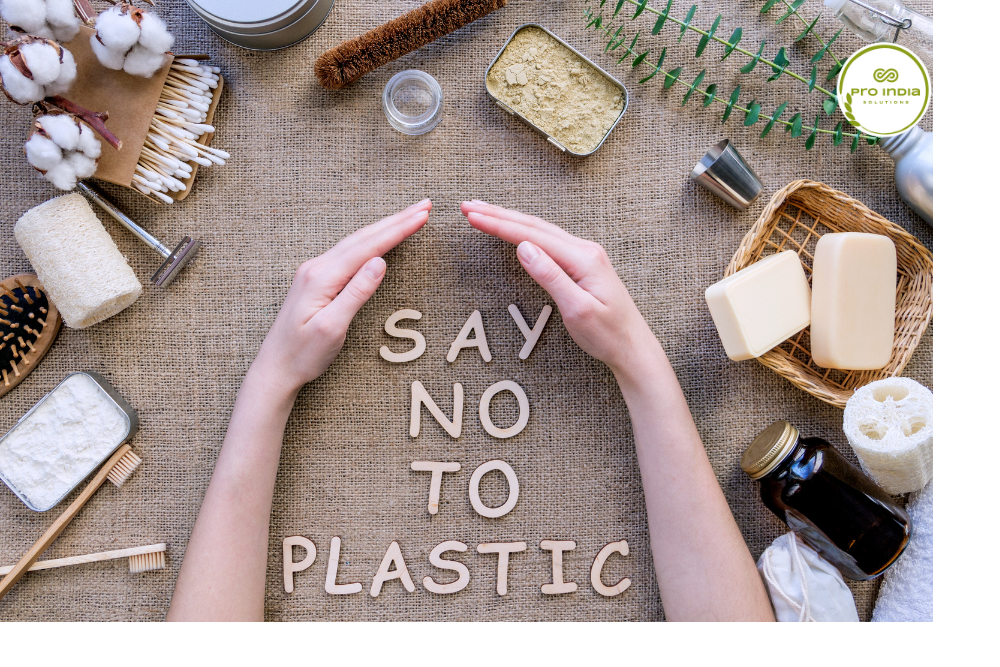
- Toothpaste tablets — glass or compostable packaging
- Bamboo toothbrushes — biodegradable handle, same clean feeling
- Tooth powder — available in metal tins or glass jars
Razors are another big one. Disposable plastic razors are used once or twice before being thrown away. Try switching to a safety razor with replaceable metal blades. There’s an upfront cost, but the blades are inexpensive and the handle will last you a lifetime.
With skincare, aim for products in glass, metal or compostable packaging. Brands are getting the memo — you’ll find more options each year.
A Glance at Bathroom Plastic Waste
| Product | Times Used Before Replacing | Plastic-Free Replacement |
|---|---|---|
| Disposable plastic razor | 2–5 times | Safety razor (lifetime use) |
| Shampoo bottle | Once finished (~30 uses) | Shampoo bar |
| Toothbrush | Every 3 months | Bamboo toothbrush |
| Toothpaste tube | Monthly | Toothpaste tablets in glass |
| Body wash bottle | Monthly | Bar soap in paper wrap |
Tip #3 — Reframe the Way You Shop for Everything
It is in the shopping aisles where most plastic enters your life. Change how you shop, and you change your plastic footprint at the source.
Buy Local and Package-Free
Farmers markets are havens for plastic-free shopping. Produce is fresh, local and utterly packaging-free. Bring your own bag and you’re done — no plastic to be found.
Bread from local bakeries is often put in a paper bag or not packaged at all. When buying meat from butchers or fish counters at grocery stores, you can often get them to place the meat directly into your own container if you ask.
Community-supported agriculture (CSA) programs allow you to purchase a box of seasonal produce directly from a farm. It comes with no extra packaging, and you support local growers too.
Online Shopping and Packaging
A lot of plastic is generated from online shopping — bubble wrap, plastic tape and air pillows, among other things. Here are some ways to cut it down:
- Opt for retailers that have plastic-free packaging pledges — many now do
- Bundle orders — fewer shipments means less packaging overall
- Ask for less packaging — you can sometimes do this by writing a note at checkout
- Reuse or recycle packing materials — give them to someone who ships frequently
Secondhand Shopping Is the Best Low-Waste Win
Purchasing secondhand is a tactic for going plastic-free that’s too frequently ignored, but it ranks among the best. New products come wrapped in plastic. Used items usually don’t.
Thrift stores, eBay, Facebook Marketplace, Depop and local swap groups all allow you to purchase what you need without new plastic packaging. It’s cheaper too — a double win.
Tip #4 — Cut Plastic Out of What You Drink
Single-use plastic bottles are some of the most common litter on earth. Americans alone go through about 50 billion plastic water bottles annually. Most of them aren’t recycled.
The fix here is easy to make, but the effect is enormous.
Always Bring Your Own Bottle
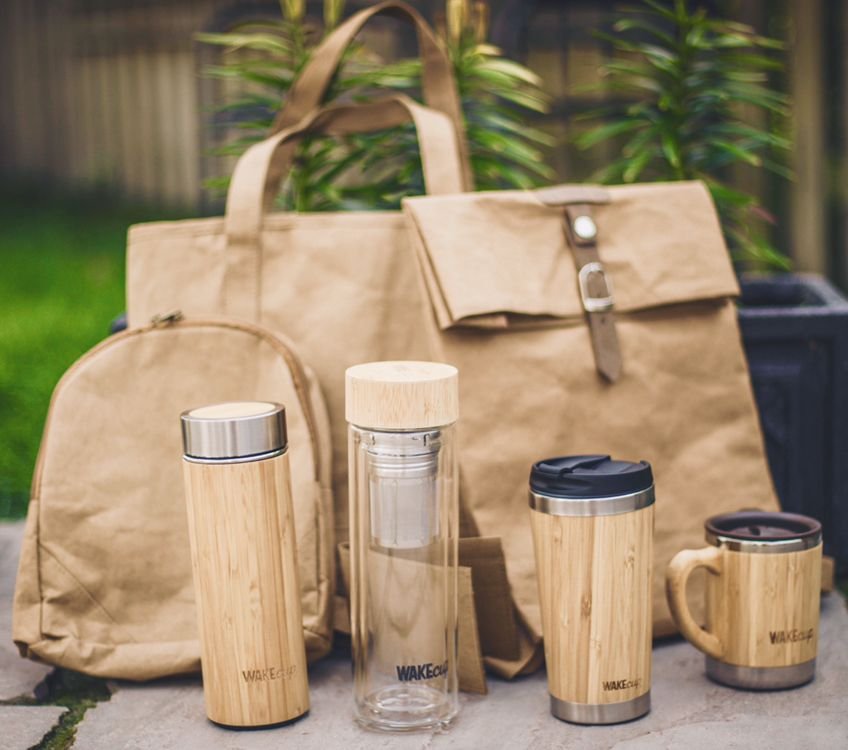
Investing in a good quality reusable bottle is one of the best things you can do. Stainless steel bottles keep drinks cold for 24 hours and hot for 12. They’re tough, easy to clean and don’t leach chemicals the way plastic does.
Glass bottles are perfect for anyone who wants a slightly cleaner taste and doesn’t mind the extra weight. They’re also easy to see through, so you always know what’s inside.
Buy a bottle that you actually enjoy. If it feels good to carry around, you’ll actually use it.
What About Coffee and Tea?
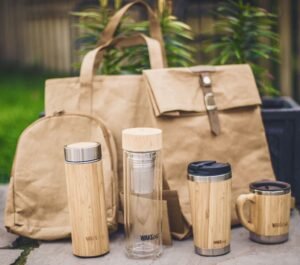
Most coffee cup lids are made of plastic. Many cups have a plastic lining inside too, making them non-recyclable. A good reusable travel mug solves all that.
Many coffee shops will give you a small discount when you bring your own cup — it really adds up.
At home, a French press, Moka pot or pour-over setup brews coffee without the need for plastic pods or single-use filters. If you’re a tea drinker, loose-leaf infusers eliminate the need for plastic-wrapped tea bags — yes, many tea bags contain plastic too. For more practical ideas on ditching single-use plastics from your daily routine, Plastic Free Living is a great resource to bookmark and explore.
Drinks Plastic Impact Chart
| Drink Habit | Plastic Used Per Year | Plastic-Free Swap |
|---|---|---|
| Daily plastic water bottle | ~365 bottles | Reusable steel bottle |
| Daily coffee with plastic lid | ~365 lids | Reusable travel mug |
| Tea bags (with plastic) | ~365 bags | Loose-leaf tea + infuser |
| Soda cans with plastic rings | Varies | Canned or bottled alternatives |
Tip #5 — Tackle Cleaning and Laundry Plastic
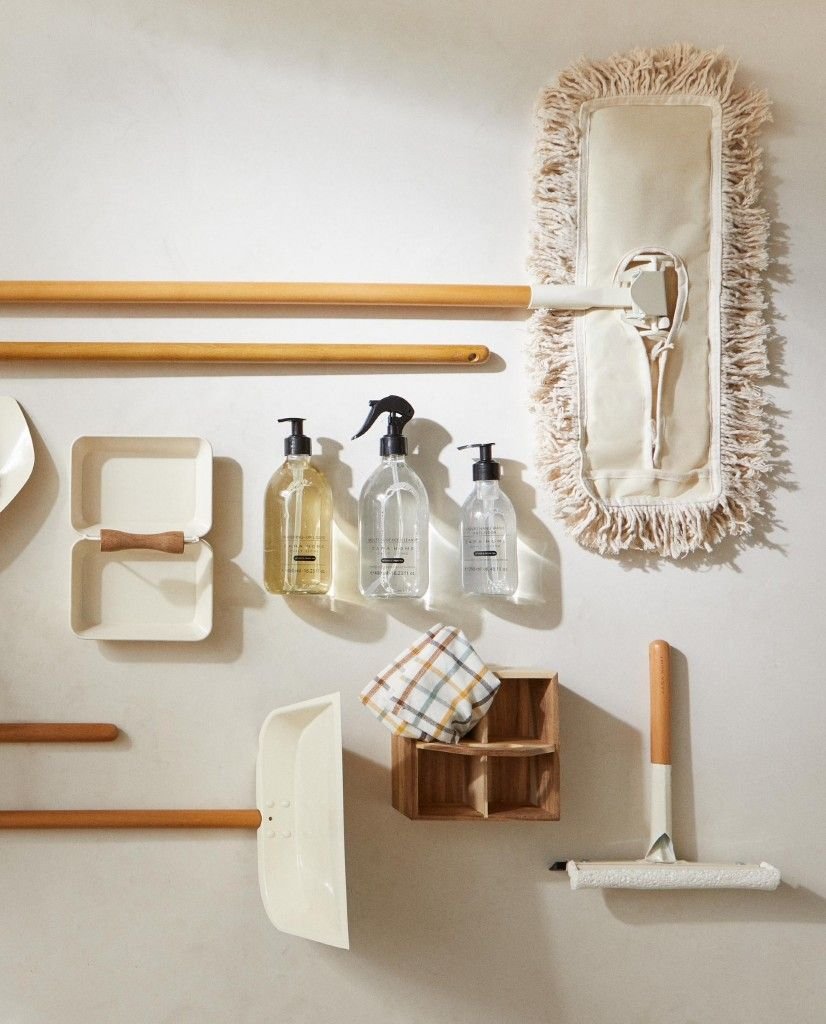
Cleaning products are some of the worst offenders for single-use plastic. The bottles are heavy, unwieldy and seldom properly recycled. But there’s an expanding universe of plastic-free solutions.
Cleaning Products That Actually Work
Concentrated cleaning tablets are a game-changer. You drop a tablet into a reusable spray bottle, fill it with water and you have a ready-to-go cleaner — no plastic bottle required. Companies like Blueland and Grove Collaborative thrive on this.
Cleaning powder and bars work for dishes, surfaces and more. Most come in cardboard or metal packaging.
For scrubbing, toss the plastic-backed sponge. Use instead:
- Natural loofah pads
- Wooden dish brushes with replaceable heads
- Cotton or linen dishcloths
Laundry Without the Plastic Jug
Liquid laundry detergent jugs are bulky and heavy, and most are not properly recycled. Plastic-free swaps include:
- Laundry detergent strips — paper-thin sheets that dissolve in water, available in cardboard
- Laundry powder in cardboard boxes — widely available and effective
- Laundry eggs — reusable plastic-free pellets good for hundreds of washes
Don’t overlook dryer sheets — most are single-use and synthetic. Switch to wool dryer balls instead. They last for years, cut down on drying time and can be scented with a drop of essential oil.
What to Watch for on Cleaning Product Labels
When looking for plastic-free cleaning products, opt for:
- Compostable or recycled packaging
- Refillable container programs
- Concentrated formulas (less packaging per use)
- Third-party certifications such as EWG Verified or B Corp
Tip #6 — Form Habits That Stick (And Are Plastic-Free)
The main challenge when it comes to going plastic-free isn’t finding alternatives — it’s changing your behavior. Habits are automatic. They operate in the background without thinking. That’s why changing them requires a specific approach.
The “Replace, Don’t Just Remove” Rule
The only realistic way to stop using plastic is to replace it immediately with something better — not just hope vaguely to do without.
If you toss your plastic straws but don’t purchase metal ones to take their place, you’re going to reach for plastic again the next time you need a straw. Replacement is what makes the habit stick.
Start With One Room, One Week at a Time
Attempting to go plastic-free everywhere all at once is simply overwhelming. Select one room instead — like your kitchen — and concentrate on that for a week. When those swaps feel routine, move to the bathroom. Then tackle your shopping habits. Then your laundry.
Progress compounds. Two months from now, you’ll have changed more than you’d expect.
Track Your Progress (It Motivates You)
Keep a simple log. Make note of which plastic items you’ve replaced and when. Some people save the receipts for those replacements and compare them to what they used to spend on single-use stuff.
Seeing your progress written down makes it real. It also shows you where you’re still using plastic — giving you a clear target.
Get Your Household on Board
It’s easier to live plastic-free when everyone under your roof is doing it at the same time. Talk about why it matters. Make it a group goal. Get kids in on the decisions about alternatives — if they pick out their own bamboo toothbrush, they’re more likely to use it.
Social reinforcement is powerful. Share your progress online, join Facebook groups for zero-waste living or get advice from a local environmental group. Community keeps motivation high.
According to the United Nations Environment Programme, over 400 million tonnes of plastic are produced every year, and cutting consumption at the individual level remains one of the most impactful steps we can take.
Quick-Start Plastic-Free Habit Tracker
| Habit | Week 1 | Week 2 | Week 3 | Week 4 |
|---|---|---|---|---|
| Drink from reusable water bottle | ☐ | ☐ | ☐ | ☐ |
| Bring reusable shopping bags | ☐ | ☐ | ☐ | ☐ |
| Use shampoo bar instead of liquid | ☐ | ☐ | ☐ | ☐ |
| Avoid plastic-packaged snacks | ☐ | ☐ | ☐ | ☐ |
| Use reusable coffee mug | ☐ | ☐ | ☐ | ☐ |
| Buy bulk or package-free | ☐ | ☐ | ☐ | ☐ |
Print this out and stick it on your fridge. Those little checkmarks make a real difference.
The Real Cost of Plastic — And the Savings of Going Without It
Many assume plastic-free living involves a costly lifestyle. In most instances, it turns out to be less expensive in the long run.
| Item | Plastic Version (Annual Cost) | Plastic-Free Version (Annual Cost) |
|---|---|---|
| Water bottles | $200–$400 (buying bottled water) | $25–$50 (reusable bottle, one time) |
| Shampoo and conditioner | $60–$100 | $30–$50 (bars last longer) |
| Razors | $50–$80 (disposables) | $10–$15/year (safety razor blades) |
| Cleaning products | $80–$120 | $40–$60 (concentrated tablets) |
| Coffee cups/lids | Ongoing annual cost | $20–$30 (travel mug, one time) |
Plastic-free swaps can seem expensive upfront. But most reusables last years, not weeks. The savings grow fast.
A Beginner’s Roadmap: Where to Start If You’re Overwhelmed
If you’re not sure what to do, here’s a simple order to follow:
Weeks 1–2: Buy a reusable water bottle and take it with you everywhere. Pick up a few reusable bags for grocery shopping.
Weeks 3–4: Replace plastic wrap with beeswax wraps. Grab a bamboo toothbrush and give toothpaste tablets a try.
Month 2: Try a shampoo bar. Get a safety razor instead of disposable ones. Switch to laundry strips.
Month 3: Buy in bulk when you can. Try a farmers market. Swap plastic cleaning bottles for refillable or tablet versions.
Month 4 and beyond: Scrutinize what remains. Evaluate what plastic you still use and look up alternatives one by one.
This isn’t a race. Even if it takes a year to fully transition, you’ll have kept thousands of pieces of plastic out of the waste stream.
FAQs About Plastic-Free Living
Q: Is plastic-free living expensive? It can seem costly upfront, but most swaps pay for themselves quickly. A reusable water bottle saves hundreds of dollars each year if you drink bottled water. Shampoo bars, safety razors and cleaning tablets all end up being cheaper in the long run than their single-use equivalents.
Q: What if I can’t find anything without plastic in my area? Online shopping offers a vast selection. Brands like Package Free Shop, Grove Collaborative, Blueland and Etee ship plastic-free products right to your door. Many also have refill programs so you’re not buying a new package every time.
Q: Can I use up the plastic products I already have? Yes — absolutely. There’s no point tossing a half-full bottle of shampoo. Use what you’ve got and replace it with a plastic-free alternative as it runs out. Going plastic-free is a journey, not a one-day event.
Q: What if the plastic is already in the recycling system — isn’t that okay? Recycling helps, but it’s not remotely adequate. Only about 9 percent of all plastic ever produced has been recycled. Curbside programs do not accept many types of plastic, and more often than not, the plastic that does get picked up ends up in landfills. Reducing is always better than recycling.
Q: Is it possible to be totally plastic-free? Few people will entirely eliminate plastic — it’s intertwined with modern life, including in electronics, medical equipment and some food safety packaging. But cutting down your plastic use by 50–80% would still make a massive difference. Progress over perfection is the right mindset.
Q: What’s the single most impactful change someone can make right now? Stop buying single-use plastic water bottles. It’s among the most common types of plastic waste, and a reusable bottle renders it completely unnecessary. That one consistent change removes hundreds of plastic bottles from the waste stream every year.
Bringing It All Together
Plastic-free living doesn’t require perfection. It requires intention.
Each swap — the reusable bag, the shampoo bar, the glass jar — is a small act that matters. Multiplied across millions of people, those acts reshape what gets made, what gets sold and what ultimately winds up in our oceans and soil.
The 6 ultimate plastic-free living tips in this article aren’t about depriving yourself. They’re about smarter choices. Many of them save you money. Most can be set up in minutes. And all of them are good for the planet — and for you.
Start where you are. Use what you have. Make one swap this week. Then another next week. That’s how a fresh start actually happens — one decision at a time.