6 Powerful Family Plastic-Free Living Changes We Made in One Month
Last spring, after one particularly chaotic trash day, I stood in our driveway staring at two overflowing bins and one overstuffed recycling cart. What struck me wasn’t the volume — it was the pattern. Yogurt cups. Snack wrappers. Produce bags. Shipping envelopes with plastic windows. Toothpaste tubes. Packaging from things we barely remembered ordering.
We had never thought of ourselves as wasteful. We reused grocery bags. We recycled. We carried the occasional reusable bottle. But looking at a month’s worth of our family’s footprint stacked in plastic and tied shut was a wake-up call.
So we decided to run an experiment.
For one month, our family of four committed to significantly reducing our plastic consumption. Not perfectly. Not obsessively. But intentionally.
What happened over those 30 days surprised us. Our trash shrank. Our grocery bill shifted. Our routines changed. Our kids started noticing packaging everywhere. And perhaps most importantly, we stopped feeling helpless.
Here are the six powerful plastic-free living changes we made in one month — what worked, what didn’t, what it cost, and what we learned along the way.
Before We Started: Our Plastic Reality Check
Before making changes, we tracked our plastic waste for two weeks. We separated plastic items into a clear bin to see exactly what we were throwing away.
Table 1: Plastic Waste Audit (Two Weeks)
| Category | Items Counted | Percentage of Total |
|---|---|---|
| Food packaging | 74 | 46% |
| Beverage containers | 28 | 17% |
| Snack wrappers | 22 | 14% |
| Household products | 18 | 11% |
| Toiletries | 12 | 7% |
| Miscellaneous | 7 | 5% |
| Total | 161 | 100% |
In just two weeks, we used 161 pieces of plastic packaging — and that didn’t include larger items like detergent jugs or online shipping materials.
It became clear: most of our plastic came from convenience.
So we focused our changes where they would have the biggest impact.
Change #1: Switching to Refillable and Bulk Groceries
The biggest category in our audit was food packaging. Nearly half of our plastic waste came from groceries.
What We Did
- Shopped at a bulk food store with our own containers.
- Switched from bagged produce to loose fruits and vegetables.
- Replaced plastic-wrapped snacks with homemade alternatives.
- Brought cloth produce bags and glass jars.
What Changed Immediately
- No more plastic rice bags.
- No more plastic pasta packaging.
- No more granola bar wrappers.
Instead, we filled jars with oats, flour, beans, nuts, and cereal.
Our pantry started looking different — less colorful packaging, more visible food.
Table 2: Grocery Packaging Reduction (Month Comparison)
| Item Category | Before (Plastic Units/Month) | After (Plastic Units/Month) | Reduction |
|---|---|---|---|
| Dry goods | 18 | 3 | 83% |
| Produce bags | 24 | 2 | 92% |
| Snack packaging | 30 | 6 | 80% |
| Dairy containers | 16 | 9 | 44% |
| Total | 88 | 20 | 77% |
Unexpected Benefit
We wasted less food.
Because we could buy exact amounts — one cup of almonds instead of a giant bag — we stopped throwing away stale pantry items.
The Hard Part
Time.
Bulk shopping requires planning. You don’t “grab and go.” But after two weeks, it became routine.
Change #2: Replacing Disposable Bottles with Reusables
Our second biggest category was beverage containers.
Juice boxes. Sparkling water bottles. Single-use water bottles on busy days.
We didn’t think it was excessive — until we counted.
What We Did
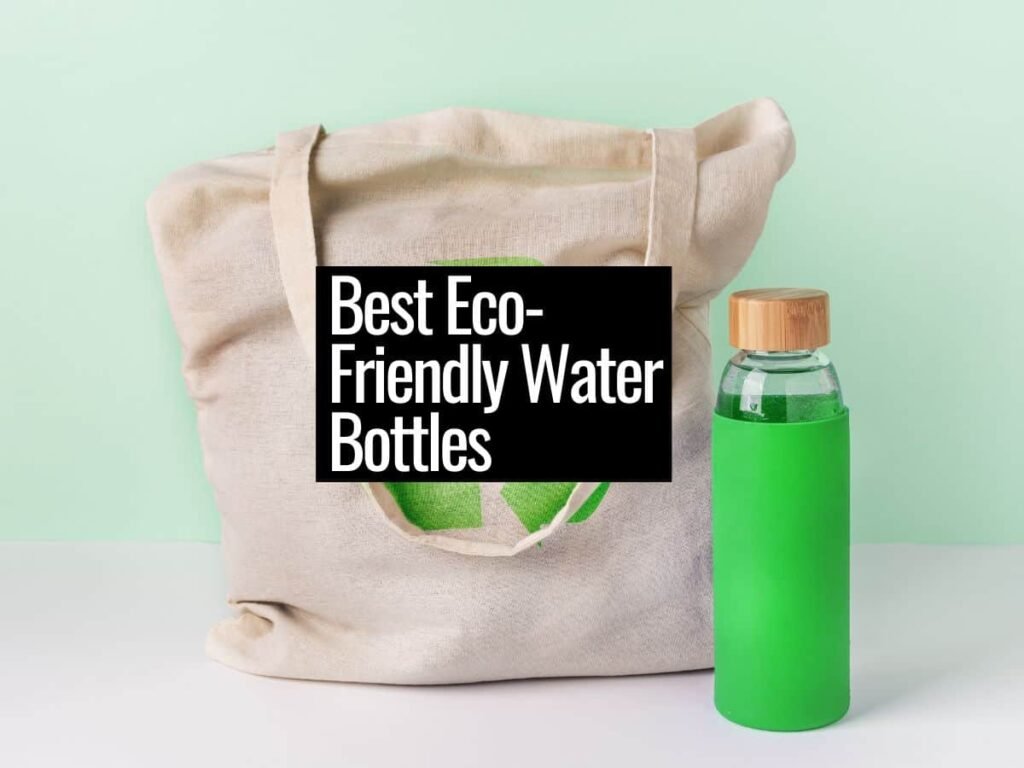
- Bought stainless steel water bottles for everyone.
- Installed a water filter.
- Switched from bottled sparkling water to a carbonation system.
- Stopped buying juice boxes and made diluted fresh juice instead.
Monthly Plastic Bottle Reduction
| Beverage Type | Before (Units/Month) | After (Units/Month) |
|---|---|---|
| Water bottles | 12 | 0 |
| Sparkling water | 16 | 0 |
| Juice bottles/boxes | 14 | 2 |
| Total | 42 | 2 |
That’s a 95% reduction in beverage-related plastic.
Cost Comparison Chart
| Category | Before Monthly Cost | After Monthly Cost |
|---|---|---|
| Bottled beverages | $96 | $28 |
| Filter/carbonation refills | — | $22 |
| Net Savings | — | $46/month |
After the initial equipment purchase, we saved nearly $50 per month.
The Emotional Shift
The kids started noticing plastic bottles at friends’ houses. Not in a judgmental way — just awareness.
That awareness was new.
Change #3: Overhauling Bathroom and Toiletry Habits
This category surprised us. Shampoo bottles. Soap pumps. Toothpaste tubes. Disposable razors.
Small items, constant replacements.
What We Replaced
- Liquid soap → bar soap
- Shampoo bottles → shampoo bars
- Plastic toothbrushes → bamboo
- Disposable razors → safety razor
- Plastic floss → refillable silk floss
Waste Reduction Table
| Item | Before (Monthly Plastic) | After (Monthly Plastic) |
|---|---|---|
| Shampoo bottles | 2 | 0 |
| Body wash bottles | 2 | 0 |
| Soap pumps | 1 | 0 |
| Toothpaste tubes | 2 | 2* (no change yet) |
| Razors | 3 | 0 |
*We are still testing alternatives for toothpaste.
What We Learned
- Bar shampoo works — but there’s an adjustment period.
- Safety razors require practice.
- Kids adapt faster than adults.
Biggest Surprise
The bathroom looked calmer. Fewer colorful bottles. Less clutter. Simpler shelves.
Change #4: Eliminating Plastic Wrap and Zip Bags
This was one of the easiest transitions.
We didn’t realize how dependent we were on plastic wrap and zip-top bags until we stopped buying them.
What We Switched To
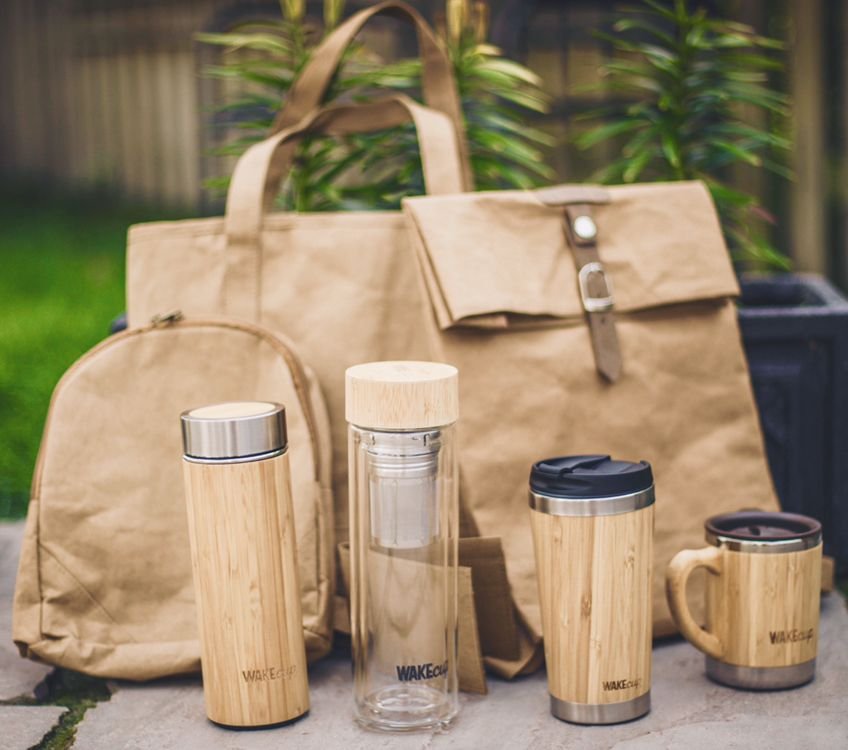
- Glass food containers
- Beeswax wraps
- Silicone reusable bags
- Cloth bowl covers
Monthly Consumption Comparison
| Item | Before (Units/Month) | After (Units/Month) |
|---|---|---|
| Plastic wrap rolls | 1 | 0 |
| Zip-top bags | 25 | 2 |
| Sandwich bags | 30 | 0 |
Reduction: Over 90%.
Financial Impact
We were spending around $18 per month on disposable food storage.
Now? Less than $2 in wear-and-tear replacements.
Change #5: Rethinking Cleaning Products
Cleaning supplies are a hidden plastic trap.
Spray bottles. Refill pouches. Disinfectant wipes.
We decided to simplify.
What We Did
- Switched to refillable glass spray bottles.
- Used concentrated cleaning tablets.
- Replaced paper towels with washable cloths.
- Made a simple vinegar-based all-purpose cleaner.
Plastic Packaging Reduction
| Cleaning Product | Before (Units/Month) | After (Units/Month) |
|---|---|---|
| Spray cleaner bottles | 3 | 0 |
| Refill pouches | 2 | 0 |
| Disinfecting wipes | 4 canisters | 0 |
| Paper towel wrapping | 6 rolls | 1 emergency roll |
Performance Check
Were the new cleaners effective?
Yes — for daily cleaning. For heavy disinfecting, we still keep one backup conventional cleaner.
This wasn’t about perfection. It was about major reduction.
Change #6: Becoming Conscious Consumers (The Mindset Shift)
The final change wasn’t about a product.
It was about awareness.
Before buying anything, we started asking:
- Does this come in plastic?
- Is there a reusable version?
- Can we borrow instead of buy?
- Do we even need this?
That one pause eliminated dozens of impulse purchases.
Month-End Waste Comparison
| Category | Before (Plastic Items/Month) | After (Plastic Items/Month) |
|---|---|---|
| Groceries | 176 | 42 |
| Beverages | 84 | 4 |
| Toiletries | 26 | 8 |
| Cleaning Supplies | 18 | 2 |
| Miscellaneous | 21 | 6 |
| Total | 325 | 62 |
Overall Reduction: 81%
Not perfect.
But transformative.
What We Didn’t Expect
1. The Kids Would Lead
Our children began reminding us:
“Do we need a bag?”
“Can we bring our own container?”
“Why is this wrapped in plastic?”
Plastic-free living became a family project, not a parental lecture.
2. Our Trash Can Stayed Half Empty
By week three, we skipped trash day.
That had never happened before.
3. We Felt Lighter
Less clutter.
Less guilt.
Less mindless consumption.
It wasn’t just environmental. It was psychological.
Challenges We Faced
Let’s be honest. It wasn’t seamless.
Inconvenience
You must remember containers.
You must wash reusable bags.
You must plan ahead.
Social Situations
Birthday parties.
School events.
Travel.
Plastic is everywhere outside your home.
Availability
Not all areas have bulk stores or refill shops. We were fortunate to have access.
The Financial Reality
Was plastic-free living more expensive?
Initially — yes.
Reusable containers, bottles, and safety razors required upfront investment.
One-Time Purchases
| Item | Cost |
|---|---|
| Stainless bottles (4) | $80 |
| Glass containers set | $95 |
| Carbonation machine | $120 |
| Safety razor + blades | $45 |
| Bulk jars and bags | $60 |
| Total Initial Cost | $400 |
But our monthly expenses dropped by roughly $60–$90.
Break-even point: about 5–7 months.
After that, it’s savings.
The Environmental Impact Perspective
While one family reducing plastic won’t “solve” global pollution, collective change matters.
Consider this simplified projection:
If 1,000 families reduced 250 plastic items per month:
250,000 fewer plastic items monthly
3 million fewer items yearly
Small shifts multiply.
Practical Tips If You Want to Start
- Audit your waste first.
- Target one category at a time.
- Use what you already have.
- Focus on high-frequency items.
- Don’t aim for perfection.
Perfection leads to burnout.
Progress builds momentum.
The Biggest Lesson
Plastic-free living isn’t about deprivation.
It’s about design.
When your home is structured for reuse — jars, bottles, cloth, refill stations — waste becomes inconvenient.
And convenience is powerful.
Final Reflection: Was One Month Enough?
One month changed our habits permanently.
We are not 100% plastic-free.
We still buy packaged cheese.
We still receive shipping materials.
We still encounter unavoidable plastic.
But we are no longer passive consumers.
And that shift — from passive to intentional — may be the most powerful change of all.
Frequently Asked Questions (FAQs)
1. Is it realistic for a busy family to reduce plastic significantly?
Yes, but start small. Focus on one high-impact category like beverages or grocery packaging. Gradual shifts are sustainable, especially when routines adjust naturally over time.
2. Is plastic-free living more expensive?
There may be upfront costs for reusable items. However, most families see long-term savings by reducing disposable purchases and buying in bulk.
3. What if I don’t have access to bulk stores?
You can still reduce plastic by:
- Choosing larger-size products with less packaging per ounce
- Switching to bar soaps and shampoos
- Avoiding single-use beverage containers
- Reusing jars you already have
4. How do you handle school lunches without plastic?
We use stainless steel lunchboxes, cloth napkins, and reusable containers. Sandwiches go in reusable wraps. Snacks are packed from bulk bins.
5. What was the hardest plastic item to replace?
Toothpaste tubes and certain dairy products remain challenging. Some alternatives exist, but they require experimentation.
6. Do kids resist these changes?
In our experience, children adapt quickly — especially when involved in the process. Turning it into a family experiment makes it empowering rather than restrictive.