6 Quick Plastic-Free Living Fixes for School Days
Consider this: A student opens a lunch box and empties three plastic bags, a granola bar wrapped in plastic, a straw made of plastic, and flimsy single-use juice packaging. By lunchtime alone, that’s five pieces of plastic going straight to landfill. Now multiply that by 180 school days. Then apply it to millions of students. The numbers get uncomfortable fast.
Here’s the good news. You don’t have to completely revamp your whole life to make a difference. Plastic-free living is not perfect living. It means making smarter, faster choices — one school day at a time.
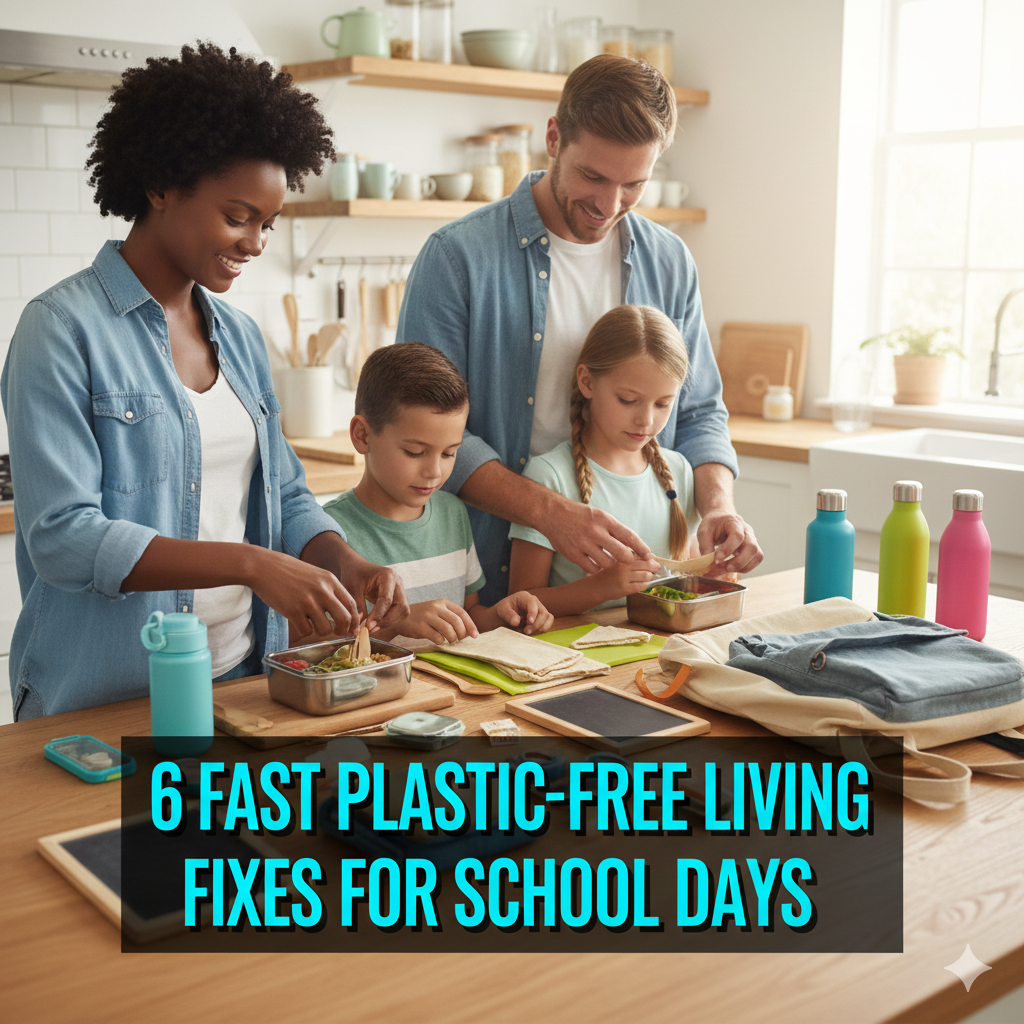
This article details six easy-to-get-started fixes that families and students can actually put to work. No complicated routines. No expensive gear. Just real changes that stick.
Why We Should Worry About What Our School Days Are Doing to the Planet
Kids and teens throw away millions of pieces of plastic trash every school day. Consider all that we’re throwing out before 3 p.m.: plastic cutlery, snack wrappers, juice and milk boxes, plastic bottles, sandwich bags, single servings from the cafeteria.
According to a 2019 report from the World Wildlife Fund, the average person uses approximately 156 plastic bottles every year. For school-age children, a large portion of that comes from packed lunches and what they eat in school cafeterias.
The tricky part is that the vast majority of school plastic is disposable. You use it once, for perhaps 10 minutes, and it winds up sitting in a landfill for potentially 500 years.
That’s the space plastic-free living fixes are trying to fill.
Fix #1 — Ditch the Plastic Sandwich Bag for Good
The Humble Sandwich Bag Is Bigger Than It Appears
The zip-lock plastic bag is the most common plastic item in a kid’s lunch. Most families go through one or two a day. That’s 360 to 720 plastic bags per kid each school year. Just for sandwiches.
A quick fix is to switch to a reusable version. There are a couple of really excellent options to suit your budget and sensibility.
Silicone Bags are soft, easy to wash, and airtight. Companies like Stasher create bags that can be used for years. They cost more initially, but they save money over time.
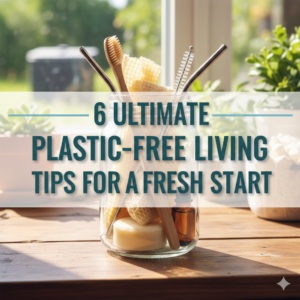
Beeswax Wraps are fabric (usually cotton) coated in natural beeswax. You fold it around your sandwich like a cloth, and it takes on the shape of your hand with the warmth. They’re compostable, too.
Cloth Snack Bags are essentially little fabric pouches with a zipper or velcro closure. They can be found inexpensively on Etsy, or you can make your own out of old fabric.
A Quick Cost Comparison
| Option | Upfront Cost | Lifespan | Single-Use Bags Replaced |
|---|---|---|---|
| Plastic zip-lock bags | $4 per 50 bags | 1 use each | — |
| Silicone reusable bag | $12–$15 | 3–5 years | 500–900+ bags |
| Beeswax wrap | $10–$14 | 1 year | One month’s worth |
| Cloth snack bag | $5–$8 | 2–4 years | Two days’ worth |
This one swap can save hundreds of plastic bags per student every year. That’s a really good win for a pretty small change.
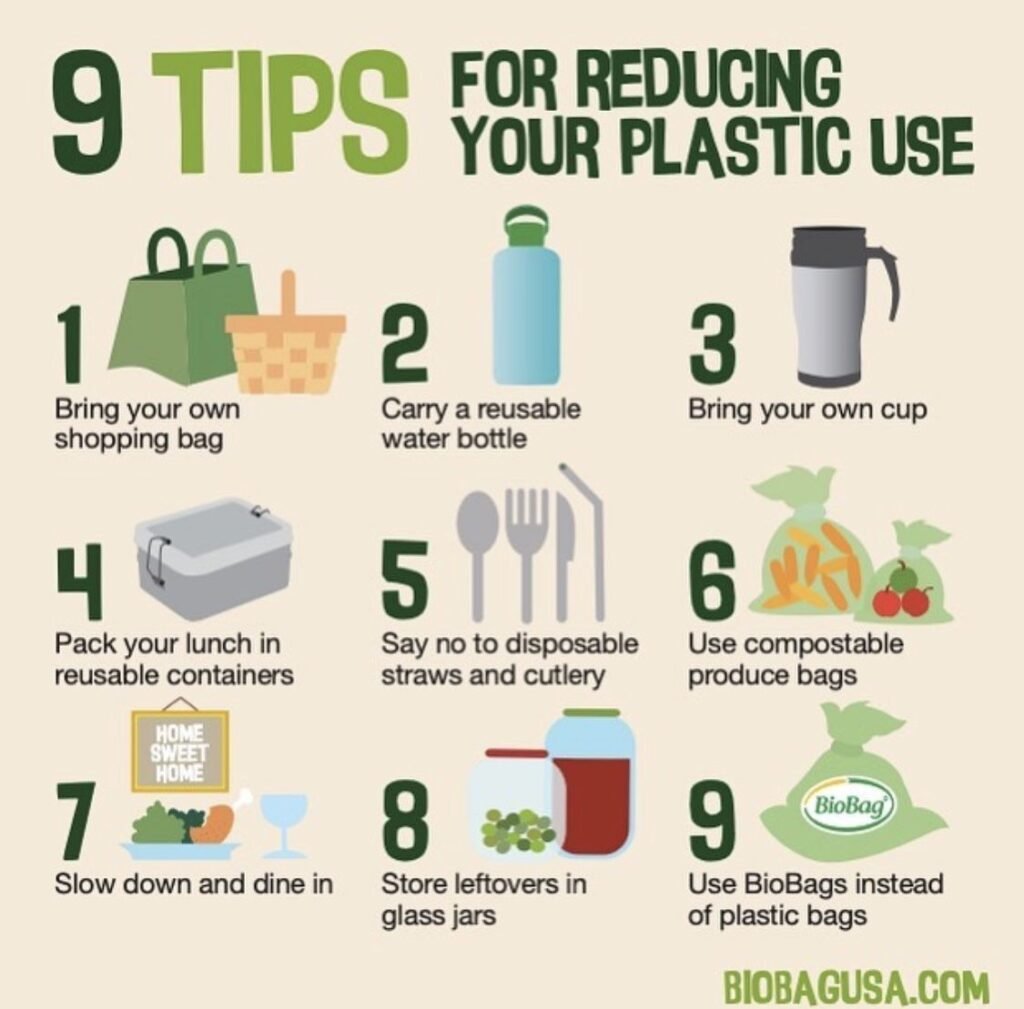
Fix #2 — Put the Plastic Water Bottle Out to Permanent Pasture
Yes, It’s OK to Drink Tap Water at School
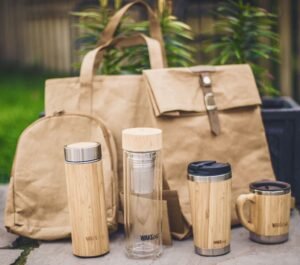
One of the most wasteful habits associated with school days is the use of single-use plastic water bottles. Even students who drink from the school fountain sometimes use bottled water for sports, after-school activities, or packed lunches.
The easiest fix here is a reusable water bottle. It’s easy to say, and yet it makes a real difference.
The best reusable bottles for school are simply the ones that students don’t mind carrying around. Here’s what to look for:
It needs to be durable. Schools are rough on gear. Stainless steel options from brands like Hydro Flask or Simple Modern can withstand drops and bumps.
It needs to keep drinks cold. At 12 p.m., no one wants warm tap water. Look for insulated bottles that keep water cold for 12 to 24 hours.
It needs to be easy to clean. Wide-mouthed bottles are easier to clean by hand or wash in the dishwasher.
Don’t Forget the Lid Situation
The vast majority of reusable bottles come with a straw lid, sport spout, or standard screw cap. Younger kids often prefer straw lids. For older children, a sport spout or flip lid is convenient for use in class or between periods.
One piece of advice: put your name on the bottle. School bottle loss is a real thing, and a labeled one is more likely to make it home.
For a cheaper option, try TJ Maxx or Five Below. Decent reusable bottles can be found for as little as $5 to $10.
Fix #3 — Bring a Reusable Cutlery Kit for Lunch
The Silent Waste Machine: Cafeteria Plastic Forks
Plastic forks, spoons, and sometimes knives are handed out at every meal in most school cafeterias. They’re not washed and reused — they go straight in the bin. If your kid is grabbing hot lunch five days a week, they could toss out 900 pieces of plastic cutlery in a school year.
A reusable cutlery kit is one of the quickest plastic-reducing habits you can build. Once it’s part of the routine, it takes no effort at all.
How to Choose a School Cutlery Kit
A basic kit should include: fork, spoon, and knife. Some even come with a straw and a small cleaning brush.
Material options:
Stainless steel sets are durable and dishwasher-safe. They’re heavier but last for years.
Bamboo sets degrade naturally and are suitable for composting at the end of their life. They work well but can splinter if not stored and handled properly.
Wheat straw plastic is made from a plant-based material that performs like plastic but degrades more quickly. It’s a good middle-ground option.
Storage tip: Keep the kit in a small cotton pouch (like an old eyeglass case) directly inside your child’s lunchbox to make sure it’s never forgotten.
The full kit generally costs $5 to $15 and often lasts beyond the school year.
Fix #4 — Swap Boxed Snacks for Real Foods
The Snack Wrapper Problem Is Bigger Than It Seems
Snack time may be the most underappreciated source of school plastic. Crackers, chips, granola bars, fruit snacks, and cookies are all sold in individual packaging that is often not recyclable at all. Most snack wrappers go straight to landfill.
Plastic-free living at snack time doesn’t mean boring snacks. It’s about reinventing the package, not the food.
Whole Food Substitutes That Actually Taste Good
Fruits like apples, bananas, or clementines come with their own built-in wrapping. No plastic needed.
Veggies and hummus can be carried in a small reusable box. Carrots, celery, and cucumber slices go great with peanut butter too, and keep kids full longer.
Trail mix can be made at home in large quantities and stored in a glass jar with a secure lid. In the morning, spoon portions into a cloth snack bag.
Cheese and crackers from the bulk section of the grocery store can be packed in a reusable container instead of purchased in pre-packaged form.
Hard-boiled eggs are easy to prepare the night before and require no packaging whatsoever.
This Is Even Easier If You Shop in Bulk
If you can buy food from the bulk section of your grocery store, that’s a plastic-free goldmine. You can fill reusable bags or containers with nuts, dried fruit, granola, and seeds. Bulk purchases are also usually cheaper per serving than pre-portioned snacks.
For more tips on reducing plastic in your everyday routine, Plastic Free Living is a great resource to explore.
| Snack Swap | Plastic Packaging Removed | Estimated Weekly Savings |
|---|---|---|
| Whole apple vs. applesauce pouch | 1 pouch per snack | $1.50–$2.00 |
| Bulk trail mix vs. packaged granola bar | 1 wrapper per day | $2.00–$3.00 |
| Homemade crackers vs. snack pack | 1–2 wrappers per day | $3.00–$4.00 |
| Veggies from fridge vs. chip bag | 1 bag per day | $4.00–$5.00 |
Fix #5 — Invest in a Waste-Free Lunchbox System
The Right Lunchbox Makes Plastic-Free Living a Breeze
Many plastic-free living habits fall apart simply because the lunchbox doesn’t support them. If a child’s lunch is packed in a soft, unlined fabric bag with no dividers, a parent will default to plastic bags just to stay organized.
A no-waste lunchbox setup puts a stop to that.
How to Build a No-Waste Setup
The goal is to fit everything in the lunchbox without needing a single piece of single-use plastic.
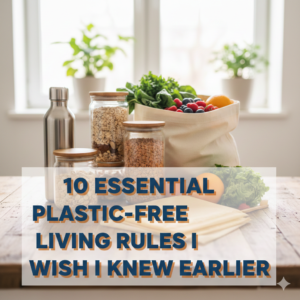
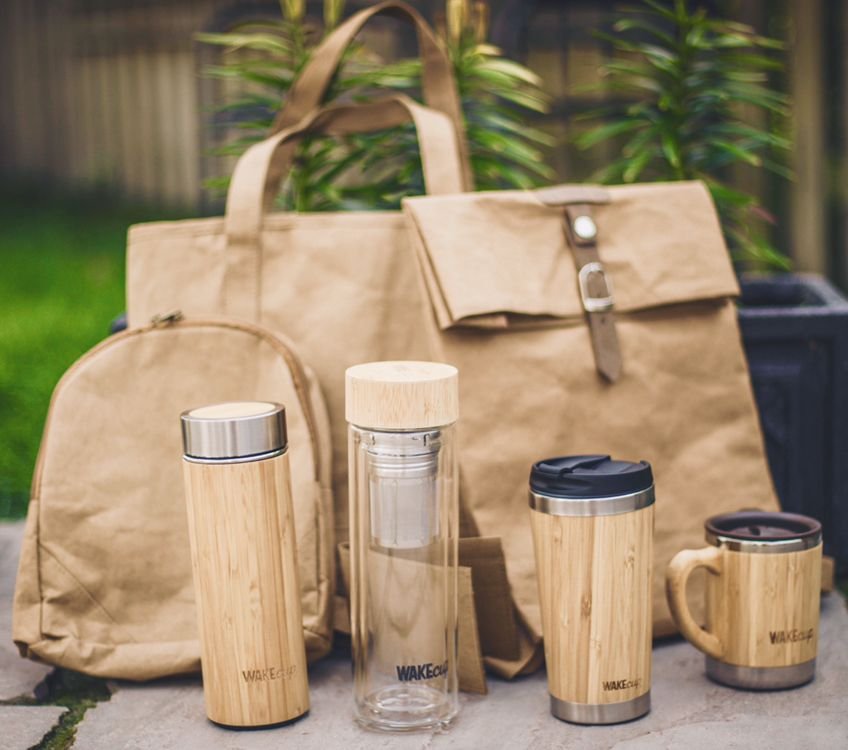
At the heart of the setup is a bento-style container. These are divided containers — typically made of stainless steel or BPA-free materials — that keep multiple foods separated. Popular choices include PlanetBox, Bentgo, and Lunchbots.
A small thermos keeps hot lunches like soup, pasta, or leftover rice warm during school hours. No more single-use microwaveable plastic bowls.
A fabric napkin replaces paper ones. A plain square of cotton fabric works just fine and tosses right into the laundry.
A reusable juice box or drink pouch is a great addition. Brands like LunchBots and Hydros make small, refillable drink containers that resemble the packaged ones children are used to.
The Complete Waste-Free Lunchbox Checklist
- Bento-style container or stainless steel divided box
- Reusable water bottle
- Small thermos (for hot food days)
- Cloth napkin
- Reusable cutlery kit
- Extras: silicone bag or beeswax wrap
- Mini ice pack (reusable, not the throw-away kind)
With that setup in place, packing a plastic-free lunch takes no more time than packing a regular one. The habit only takes a week or two to click.
Fix #6 — The School Supply List Can Also Be Plastic-Free
Plastic-Free Living Extends Beyond the Lunchbox
When people think of plastic at school, they tend to think about lunch. But there’s plastic in school supplies too. Binders, pencil cases, rulers, folders — most items on a regular school supply list are made with or packaged in plastic.
This fix is about being mindful and deliberate with school supplies, not just grabbing the cheapest option at the big-box store.
Plastic-Free School Supply Swaps
Wooden pencils over mechanical pencils. Mechanical pencils generate plastic waste from refills and housings. A well-sharpened wooden pencil, paired with a small metal sharpener, creates next to no waste.
Cardboard or recycled paper folders over plastic poly folders. These are readily available and cost about the same.
A canvas or cotton pencil case rather than a plastic zip pouch. Fabric cases are often better quality and wear better over time.
Post-consumer recycled paper notebooks can be found nearly everywhere. Decomposition Book is one of many brands that make appealing and affordable options.
Refillable pens instead of disposable ballpoints. One reusable pen with refillable ink cartridges can replace dozens of disposable pens in a single school year.
A metal ruler, not a plastic one. It’s permanent and doesn’t yellow or crack.
When Buying New Isn’t Necessary
Before spending money on plastic-free options, look at what you already have. Supplies from last year are often perfectly reusable. Thrift stores and school supply drives often have gently used supplies for free or next to nothing.
And buying less is a form of plastic-free living too. The most sustainable product is the one you never buy at all.
How to Begin Without Getting Overwhelmed
You Don’t Need to Do All Six at Once
The number one mistake people make when trying to change their lifestyle is attempting to do everything at once over a single weekend. That leads to burnout fast.
Instead, try the one-swap-per-month approach. Choose one fix from this list and commit to it for four weeks. By the time the next school year comes around, you’ll have covered all six without any of them feeling like a dreaded chore.
Get Kids Involved — They Learn As They Go
When kids help pick out their reusable water bottle or bento box, they’re more likely to actually use it. Introduce plastic-free living as a personal experience, not a rule enforced by parents.
Talk about why it matters. Share videos of ocean plastic with them, or explain what 500 years in a landfill actually means. Kids can end up being some of the most passionate advocates for change once they understand what’s at stake.
Plastic-Free School Day: Quick Reference Cheat Sheet
| Fix | What to Replace | What to Use Instead | Difficulty |
|---|---|---|---|
| Fix #1 | Plastic zip-lock bags | Silicone bags, beeswax wraps, cloth pouches | Easy |
| Fix #2 | Single-use water bottles | Insulated stainless steel bottle | Very Easy |
| Fix #3 | Disposable plastic cutlery | Reusable stainless or bamboo cutlery kit | Easy |
| Fix #4 | Pre-packaged snacks | Whole foods, bulk snacks, home-prepped | Moderate |
| Fix #5 | Assorted plastic lunchbox items | Bento setup with reusable containers | Moderate |
| Fix #6 | Plastic school supplies | Wood, metal, cotton, recycled paper alternatives | Easy |
Frequently Asked Questions
Q: Is plastic-free living expensive? Not necessarily. Certain reusable products that cost more upfront will end up saving you money over time. That $12 silicone bag that lasts five years is much cheaper than buying disposable zip-lock bags every month. Start with one swap and go from there.
Q: What if my child’s school only provides plastic utensils? Include a small reusable cutlery kit in the lunchbox. It takes under a minute to wash at home and solves the issue entirely.
Q: Can I use beeswax wraps on all foods? Beeswax wraps work well for packing dry and semi-moist foods such as sandwiches, fruits, and cheese. They’re not appropriate for raw meat and shouldn’t be microwaved or used to hold hot foods.
Q: How can I get my child to use reusable items instead of always wanting packaged ones? Let them be involved in the decision. Children who pick their own water bottle or lunch container are far more likely to use it. Make it theirs, not yours.
Q: What is the single easiest change to reduce plastic in a school day? The reusable water bottle. It’s the most frequently used item in the course of a school day and one of the most immediately rewarding swaps — both in terms of cost saved and plastic eliminated.
Q: Do these fixes work for young elementary kids too? Absolutely. The majority of these fixes work for most school-age children. For younger kids, select lunchboxes and containers with easy-to-open lids and keep cutlery simple — a spoon and fork are generally all that’s needed.
Q: Where can I buy plastic-free school supplies on a budget? Check thrift stores, school supply exchanges, or secondhand shops first. For new items, many national retailers like Target or Amazon carry plastic-free or low-plastic options. Decomposition Books, for instance, are available in most big-box stores.
What’s at Stake With These Six Fixes
Every piece of plastic that isn’t used is a small victory. But when you multiply those tiny wins across thousands of students in thousands of schools, they begin to add up to something much larger.
Plastic-free living for the school day is not about perfection. It’s about being just a little bit better every morning. Pack the reusable bag. Fill the water bottle. Toss the cutlery kit in the lunchbox. Snack on the apple, not the bagged granola bar.
These six fixes aren’t dramatic. They’re not inconvenient. They don’t call for a complete lifestyle overhaul or a major financial investment. They only need a choice — one made once — that plays out every school day for years.
That’s how habits form. That’s how change happens. And that’s how a good idea becomes an actual part of life.
Start with one fix this week. See how it feels. Then try another. By the end of the school year, you’ll probably be amazed at how little plastic remains in that lunchbox.