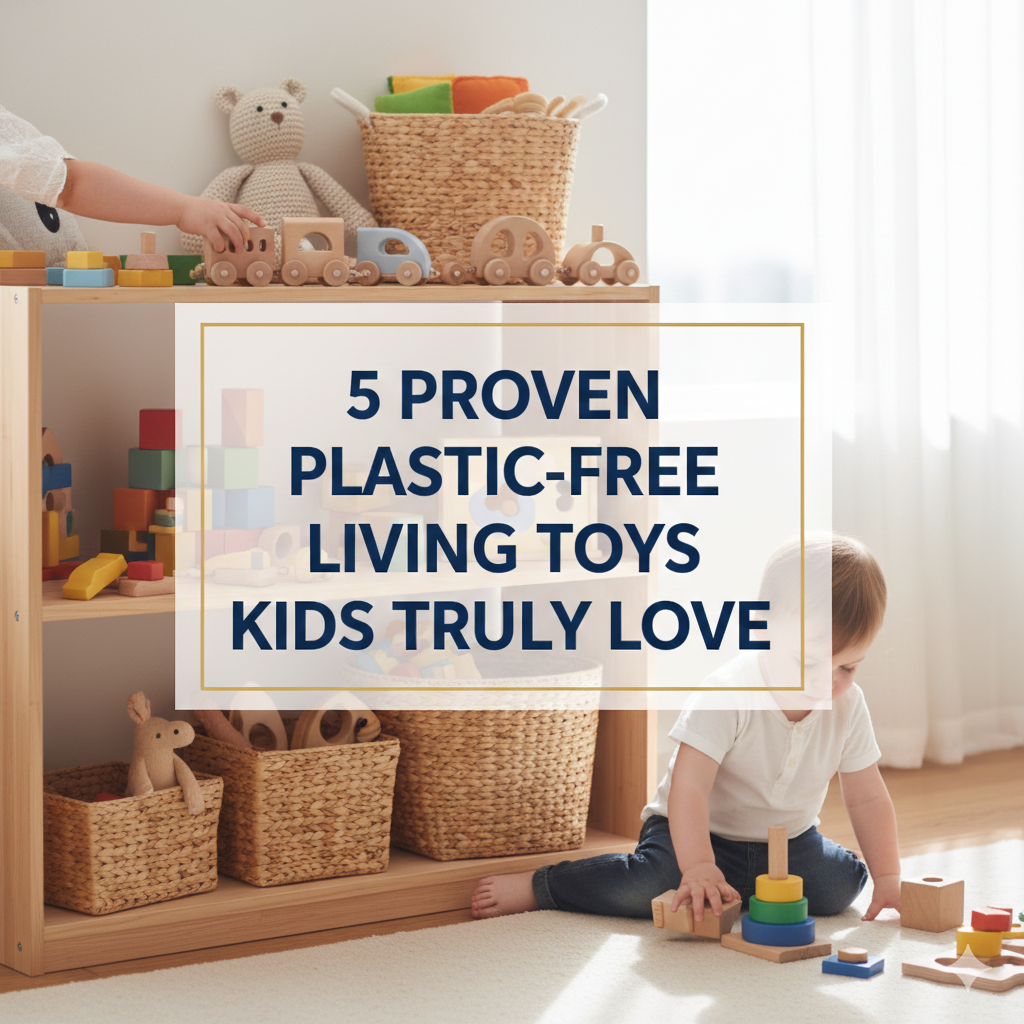
5 Plastic-Free Living Toys Kids Actually Love
Every parent wants two things: happy kids and a healthier planet. But step foot in any toy store, and you’ll be met by aisle after aisle of eye-poppingly bright plastic. It’s hard to avoid. Plastic toys are everywhere — and most of them end up in a landfill within months.
Here’s the good news: Plastic-free living toys are no longer boring or obscure. Today’s eco-friendly toys are interesting, durable, and — best of all — kids really do enjoy them.
In this article, we show you five tested plastic-free toys which real children actually play with. We’ll also explain why plastic-free matters, what to look for when shopping, and answer the most common questions parents have.
Let’s get into it.
Why Plastic Toys Are Actually a Big Problem
Before we dive into the fun stuff, it’s important to understand why plastic-free living toys are worth the investment.
The majority of toys are made from plastic — PVC, ABS plastic or polystyrene. They do not biodegrade in nature. Even a plastic toy discarded this year could still be sitting in a landfill 400 years from now. That’s not hyperbole — it’s science.
What’s more, some plastic toys are made with chemicals that studies suggest could be harmful to children, including BPA and phthalates, which can disrupt hormone production, as well as lead-based paint and flame retardants. These chemicals have been linked to hormonal disruption and developmental problems in children. It’s entirely appropriate for parents to be concerned.
Then there’s the emotional angle. Kids bond with their toys. But cheap plastic toys break quickly, end up in the garbage and are forgotten. High-quality plastic-free toys tend to last longer and shape stronger play memories.
What “Plastic-Free” Really Means
Plastic-free living toys are made from natural, renewable materials. Think wood, organic cotton, natural rubber, beeswax, wool and bamboo. These materials can degrade or be recycled, are non-toxic and are safer for kids to play with.
They are also better for the people who make them. Plastic-free toy brands often focus on fair trade and ethical manufacturing.
What to Consider Before Buying
Not every eco-labeled or natural-looking toy is truly plastic-free. Here’s a quick shopping guide.
| What to Check | What to Look For |
|---|---|
| Material | Wood, cotton, wool, natural rubber, bamboo |
| Certifications | FSC, GOTS, OEKO-TEX, CE safety mark |
| Paint/Dyes | Water-based, non-toxic, plant-based |
| Packaging | Recycled cardboard; avoids plastic wrap |
| Brand Transparency | Clear sourcing and manufacturing info |
Always read the product label. If you can’t find out what a toy is made from on a brand’s website or in-store, that should raise red flags.
5 Plastic-Free Toys That Kids (and Parents) Love
1. Wooden Building Blocks — A Timeless Classic
Wooden blocks are a truly age-old toy. And there’s a reason they are still many parents’ go-to choice for plastic-free living toys.
Children from ages 1 to 8 can play with wooden blocks in dozens of ways. Stacking, sorting, building towers, knocking them over — the fun never ends. Unlike a plastic toy with a single function, wooden blocks grow with a child.
Why Kids Can’t Get Enough of Them
Wooden blocks unleash something powerful in children: the desire to build. There’s no screen, no battery, no instruction manual. Just imagination. A child might spend 45 minutes building a castle, then another 20 minutes using the blocks as “food” during pretend play.
Child development experts call this open-ended play, and it’s one of the best things for a growing brain. It develops spatial reasoning, fine motor skills and early math concepts such as size and symmetry.
What Makes These Blocks Truly Plastic-Free
The best wooden blocks are made from FSC-certified hardwood such as maple, beech or lime tree. They’re finished with beeswax or water-based paint — no synthetic lacquers, no plastic coatings.
Brands like Grimm’s, Haba and select lines of Melissa & Doug offer certified wooden blocks that meet European EN71 safety standards.
Wooden Blocks vs Plastic Blocks
| Feature | Wooden Blocks | Plastic Blocks |
|---|---|---|
| Longevity | 10–20+ years | 2–5 years |
| Material Safety | Non-toxic, natural | May contain BPA/phthalates |
| Environmental Impact | Biodegradable | Landfill waste |
| Play Value | Open-ended, creative | Often more limited |
| Cost | Higher upfront | Lower upfront |
Wooden blocks cost more upfront. But a good set can last through several children and even become an heirloom. That’s value plastic blocks simply can’t provide.
2. Natural Rubber Toys — Safe, Squishy and Sensory-Rich
For babies and toddlers, natural rubber toys are one of the most important discoveries in the world of plastic-free living toys.
Natural rubber comes from the Hevea brasiliensis tree. It’s soft, flexible and 100 percent free of synthetic chemicals. Parents don’t need to worry about what their child is putting in their mouth when the baby is chewing on a natural rubber toy.
The Sensory Magic Behind Rubber Toys
Babies learn through their senses. They squeeze, bite, shake and throw toys to explore the world. Natural rubber is satisfyingly squishy in a way that plastic simply cannot match. The texture also provides relief for sore gums while a baby is teething — a double win.
Natural rubber toys also have a subtle, mild, earthy scent. Some parents find this concerning at first, but it fades quickly and is perfectly safe.
What to Watch Out For
Not every “rubber” toy is made from natural rubber. Many are created from synthetic rubbers or silicone combined with plastic compounds. Look specifically for the label “100% natural rubber” or “natural latex rubber.”
Also check for allergen warnings. Natural rubber latex causes allergic reactions in some children. Consult your pediatrician before purchasing if your family has a history of latex sensitivities.
Top Picks:
- Sophie la Girafe (France) — the iconic teether made from 100% natural rubber
- Hevea (Denmark) — rubber dummies, teethers and bath toys made from natural rubber
- Vulli — natural rubber rattles and sensory toys
How Long Do They Last?
With normal use and proper care, these toys last 3–5 years. They can be cleaned with mild soap and water — never soak or put them in the dishwasher, as moisture will damage them.
3. Organic Cotton Stuffed Animals — Soft, Cuddly and Chemical-Free
You know the stuffed animal that every kid drags everywhere. The one that’s been washed 50 times and still looks loved. For parents committed to plastic-free living toys, the answer is organic cotton stuffed animals.
Many conventional stuffed animals are filled with polyester stuffing (which is plastic), synthetic dyes and fabric treated with flame retardants. These are the toys your kids sleep with every night. That’s a significant amount of chemical exposure over time.
Organic cotton stuffed animals replace all of that. They use GOTS-certified cotton fabric, natural or vegetable-based dyes and natural fiber stuffing such as organic cotton or wool.
Why Kids Get So Attached to Stuffed Animals
The fabric of a stuffed animal matters more than you might think. Organic cotton feels softer and warmer than synthetic material. It breathes better, feels more natural against the skin and doesn’t produce the static or itchiness some synthetics do.
Parents often share that their children prefer sleeping with an organic stuffed animal once they feel the difference.
Certifications to Look For
| Certification | What It Means |
|---|---|
| GOTS | Global Organic Textile Standard – covers fabric and dye |
| OEKO-TEX Standard 100 | Tested for harmful substances |
| Fair Trade | Ethical labor practices |
| USDA Organic | Confirms organic materials used |
Brands Worth Knowing
- Hazel Village — handmade animal dolls made of organic cotton and wool
- Under the Nile — sweet plush toys from Egyptian organic cotton
- Hess Natur (Germany) — a variety of natural fabric toys for all ages
These toys are not only safe — they’re beautiful. Many have hand-embroidered faces and natural color palettes that give them a timeless quality plastic toys ultimately lack.
4. Beeswax Crayons and Natural Art Supplies — Where Creativity Blooms
Art is a big part of childhood. Drawing, coloring, sculpting — kids are born makers. But traditional crayons and modeling clays are filled with synthetic pigments, paraffin wax (a petroleum product) and plastic packaging.
Beeswax crayons are one of the favorite art tools in the plastic-free living world. They’re made from natural beeswax, mineral pigments and occasionally plant-based oils. They’re safe even if a toddler takes the occasional bite — and they will.
Why Beeswax Feels So Different
Parents who switch to beeswax crayons always mention how silky soft they feel. Beeswax glides across paper in a way paraffin crayons simply cannot. The colors look more vibrant and rich.
Kids notice too. Art time is more fun when the tools feel good in hand. The faint honey scent of beeswax crayons can also be a calming sensory experience for children.
Natural Art Supplies Beyond Crayons
| Art Supply | Plastic-Free Alternative | Material |
|---|---|---|
| Crayons | Beeswax crayons | Beeswax, mineral pigments |
| Modeling clay | Natural beeswax clay | Beeswax, plant wax |
| Finger paint | Watercolor paints | Plant/mineral pigments |
| Paper | FSC-certified recycled paper | Sustainable wood pulp |
| Storage | Cotton bags or wooden boxes | Organic cotton, FSC wood |
Best Natural Art Supply Brands
- Stockmar (Germany) — producing beeswax crayons since 1932 using a custom beeswax blend
- Filana (USA) — certified non-toxic beeswax crayons with soy pigments
- Gluckskafer — natural beeswax modeling wax for sculpting
These brands package their products in cardboard or tin — no plastic in sight.
5. Wooden Pretend Play Kitchens and Food Sets — Imagination in Full Swing
Imaginative play is one of the most crucial developmental milestones for children aged 2 to 7. It builds empathy, language and social understanding. And nothing inspires pretend play quite like a kitchen set.
Plastic play kitchens fill most store shelves. But wooden kitchens and food sets are an increasingly popular choice in the plastic-free living toys market — and with good reason.
What Makes Wooden Play Food So Special?
Put a plastic tomato next to a wooden one. The wooden version has weight. It has texture. It feels real in a way that plastic just doesn’t. Kids pick up on this. Wooden play food encourages more active, engaged play because it looks and feels more realistic.
Parents also appreciate that wooden food sets don’t crack, fade or lose their finish after a few months. A well-made wooden play set can last from age 2 all the way to age 7 or 8, and then be handed down to a younger sibling.
What to Look For
Look for kitchens made from:
- Solid hardwood or plywood — birch and beech are the most popular choices
- Non-toxic water-based finishes — no lead or solvent-based inks
- Metal hardware — real knobs and hinges rather than plastic fittings
- Linen or cotton accessories — tiny oven mitts, aprons and shopping totes
Some higher-end sets even include miniature chalkboard panels where kids can write their “menu” — a lovely, screen-free touch.
Brands That Get It Right
- PlanToys (Thailand) — wooden play food made from rubberwood trees that are no longer yielding latex, a great example of sustainable materials in action
- Erzi (Germany) — a huge range of realistic wooden grocery items, from tiny sausages to petite baguettes
- Le Toy Van (UK) — beautiful wooden kitchens with impressive detail and FSC-certified wood
Play Kitchen Comparison
| Feature | Wooden Play Kitchen | Plastic Play Kitchen |
|---|---|---|
| Material | FSC wood, water-based paint | ABS plastic, synthetic paint |
| Age Range | 2–10 years | 3–5 years |
| Durability | 10–15 years | 3–5 years |
| Safety | Non-toxic, no BPA | Chemical exposure possible |
| Resale Value | High | Low |
| Aesthetics | Timeless, natural | Bright, trendy |
The Real Cost of Going Plastic-Free
Cost is one reason parents hesitate. Plastic-free living toys do cost more upfront. A wooden block set might run $40–$80 while a plastic equivalent costs $15. A natural rubber teether might be $20 compared to a $5 plastic one.
But here’s the calculation parents often overlook:
- Plastic toys snap and wear out, eventually needing to be replaced
- Eco toys hold resale value — wooden toys are extremely popular on secondhand markets
- One wooden kitchen can be enjoyed by 2–3 children in the same family
- Reduced exposure to harmful chemicals has real long-term benefits
When you consider the full picture, plastic-free toys are often comparable in cost — or even less expensive — over a child’s full play years.
For more guidance on building a plastic-free home for your family, Plastic Free Living offers practical tips, product recommendations and a supportive community for every step of the journey.
For a deeper look at how plastic affects child health and development, the World Health Organization’s report on chemical safety in children is a well-researched and eye-opening resource.
How to Transition to Plastic-Free Toys Without Overwhelming Your Kids
You don’t have to throw everything out and start again. Here’s a gentle approach:
Start by swapping out broken or worn-out plastic toys when they need replacing. Make the transition slowly, category by category. Involve children in the shopping process — let them choose their new wooden toy or a set of beeswax crayons. When kids feel like they’re part of the decision, they’re more likely to embrace the change.
Gift occasions like birthdays and holidays are also a great opportunity to introduce plastic-free living toys to family and friends. A short note with a wish list is perfectly fine.
FAQs About Plastic-Free Living Toys
Q: Are plastic-free toys really safer for kids? Yes, in most cases. Natural materials like wood, organic cotton and natural rubber are free from BPA, phthalates and synthetic flame retardants that can be found in many plastic toys. Always look for certified products to be certain.
Q: Where can I buy plastic-free living toys? Many eco-friendly brands sell directly through their own websites. You can also find them on Etsy, in specialty toy stores or at local markets focused on sustainable living. Avoid fast-fashion toy stores when shopping plastic-free.
Q: Are wooden toys safe for babies who put everything in their mouths? Yes — if they’re finished with non-toxic, water-based paint or beeswax. Always check the age recommendation on the label and be mindful of small parts if your child is under 3.
Q: How do I clean wooden and natural rubber toys? For wooden toys, wipe them down with a damp cloth and mild soap, then air dry. Never soak wooden toys in water. For natural rubber, wash with warm water and mild soap. Avoid dishwashers and strong chemical cleansers.
Q: My child wants the same plastic toys as their friends. How do I handle this? This is very common. Instead of a total switch, let your child choose one or two plastic-free toys they’re genuinely excited about. Newness helps — a beautiful wooden kitchen or a cool beeswax crayon set can often win kids over fairly easily.
Q: Are plastic-free toys as safe as their plastic counterparts? Yes. Reputable plastic-free toy brands ensure their products meet or exceed safety standards such as CE (Europe), ASTM F963 (USA) and EN71. Always look for these marks when you shop.
Q: Are there plastic-free options for older kids and teens? Absolutely. Older children can appreciate wooden puzzles, natural fiber sports equipment, FSC-certified board games and handmade instruments. The plastic-free toy world is expanding rapidly and now covers almost every play category.
Wrapping It All Up
Plastic-free living toys are not a compromise. They’re an upgrade.
Wooden blocks build brains and don’t break for decades. Natural rubber teethers keep babies safe during their most vulnerable months. Organic cotton stuffed animals become companions for life. Good beeswax crayons make art time feel genuinely magical. And wooden play kitchens ignite the kind of rich imaginative play that screens simply can’t match.
The switch doesn’t have to be sudden. Start small. Pick one toy from this list that suits your child’s age and interests. See how they respond. They’ll probably love it — kids have always been drawn to things that feel real, warm and beautifully made.
And the planet will thank you too.