5 Plastic-Free Living Mistakes I Made (and Fixed)
When I first decided to live plastic-free, I imagined a neat, minimalist life: glass jars lined up like a Pinterest board, canvas bags folded perfectly, and a trash bin that stayed empty for weeks. Reality was messier. I bought things I didn’t need, wasted money, annoyed my family, and—ironically—sometimes created more waste than before.
If you’re trying to reduce plastic in your life, you’ve probably discovered the same truth: intention alone isn’t enough. What matters is how you make the transition.
This is a deeply honest account of the five biggest plastic-free living mistakes I made, how they backfired, and what actually worked instead. If you’re starting your journey—or struggling to keep going—these lessons will save you time, money, and frustration.
Mistake #1: Throwing Away Plastic Items Too Quickly
My first instinct was dramatic: purge all plastic from my home immediately.
Out went food containers, cleaning bottles, storage bins, even perfectly usable kitchen tools. I replaced them with glass, metal, and wood alternatives in one expensive shopping spree.
Why This Was a Mistake
- It created unnecessary waste.
Throwing away usable plastic defeats the purpose of reducing environmental harm. - It was financially draining.
Sustainable alternatives often cost more upfront. - It created stress.
Suddenly needing replacements for everyday items made daily life harder.
What I Did Instead (The Fix)
I adopted a “use what you have first” rule.
Plastic already produced is not the immediate problem—continuous consumption is. The real goal is to stop buying new plastic, not to discard old items prematurely.
Replacement Strategy That Worked
| Category | Old Approach | New Approach | Result |
|---|---|---|---|
| Food storage | Threw away plastic containers | Used them until worn out | Saved money & waste |
| Cleaning supplies | Replaced bottles instantly | Refilled existing bottles | Reduced purchases |
| Kitchen tools | Bought full zero-waste set | Replaced items gradually | Less overwhelm |
Lesson Learned
Sustainability isn’t about perfection. It’s about reducing harm over time, not creating a new problem in the process.
Mistake #2: Buying Too Many “Eco” Products
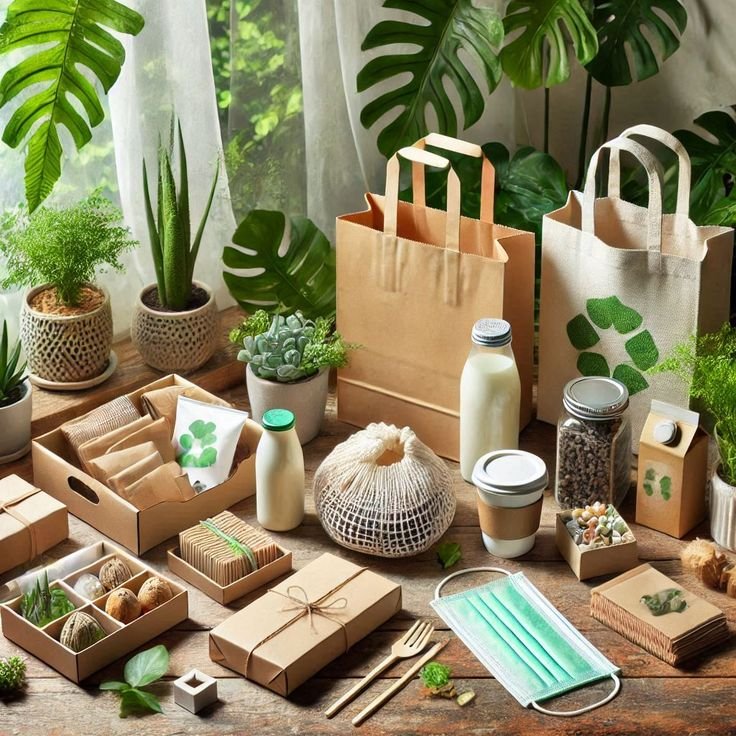
Once I stopped discarding plastic, I made the opposite mistake: buying every eco-friendly product I saw.
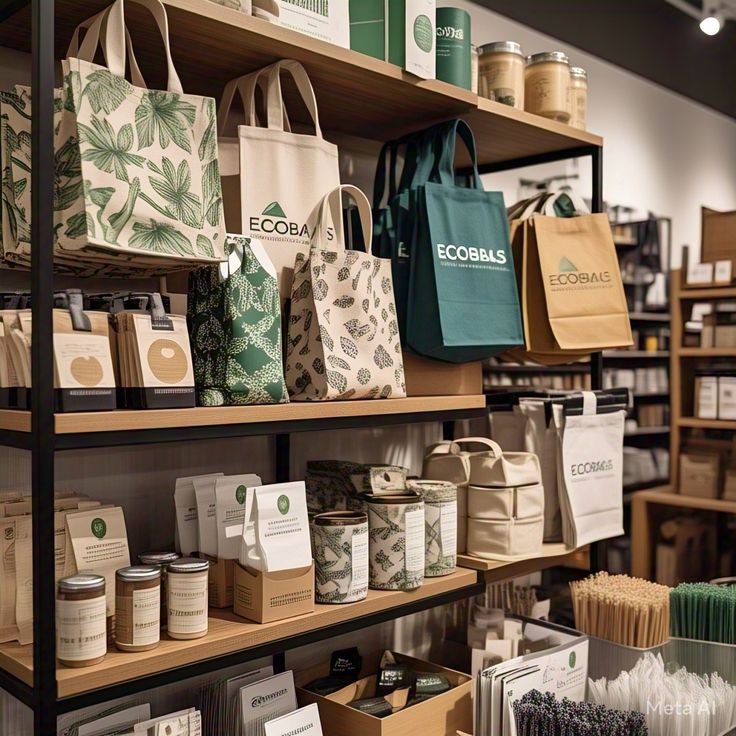
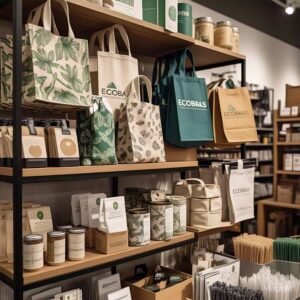
Bamboo toothbrushes, stainless steel straws, silicone bags, reusable produce bags, glass spray bottles — my home became a showroom of “sustainable” items.
Why This Was a Mistake
- Many purchases were unnecessary.
- Some items replaced things I already had.
- Production and shipping also have environmental costs.
Ironically, I was consuming more—just in a different category.
The Minimalist Fix
I shifted from eco-consumerism to low-consumption living.
Before buying anything, I now ask:
- Do I already own something that works?
- Can I borrow or repurpose instead?
- Will I use this regularly for years?
Decision Filter I Now Use
| Question | If YES | If NO |
|---|---|---|
| Already own similar item? | Don’t buy | Consider purchase |
| Will use weekly? | Worth it | Skip |
| Can DIY instead? | DIY | Buy only if necessary |
| Long lifespan? | Good choice | Avoid |
Example: Reusable Straws
I bought a pack of metal straws—then realized I rarely use straws at all.
Now I follow a simpler rule:
The most sustainable product is the one you don’t need.
Mistake #3: Ignoring Hidden Plastic
I focused on obvious items—bags, bottles, packaging—but ignored hidden sources of plastic.
These included:
- Synthetic clothing (polyester, nylon)
- Cleaning sponges
- Tea bags with plastic fibers
- Personal care products with microplastics
The Wake-Up Moment
I learned that washing synthetic clothes releases microplastics into waterways. Suddenly, my “plastic-free kitchen” felt like a tiny victory compared to the bigger picture.
Hidden Plastic Sources Chart
| Item | Hidden Plastic Type | Better Alternative |
|---|---|---|
| Synthetic clothes | Microfibers | Cotton, wool, linen |
| Dish sponges | Foam plastic | Loofah, cellulose |
| Tea bags | Plastic mesh | Loose-leaf tea |
| Wet wipes | Plastic fibers | Cloth wipes |
| Glitter cosmetics | Microplastics | Mineral-based |
Fix: Focus on Impact Areas First
I prioritized changes that reduced the most pollution:
- Laundry habits
- Cleaning tools
- Personal care products
Small switches here made a larger difference than banning plastic wrap alone.
Mistake #4: Trying to Be Perfect
Perfectionism nearly made me quit.
If I accidentally accepted plastic packaging or forgot my reusable bags, I felt like I had failed. This mindset turned a positive lifestyle change into a stressful burden.
Why Perfection Backfires
- It leads to burnout
- It discourages long-term consistency
- It ignores real-world limitations
Plastic is deeply embedded in modern systems. Avoiding it entirely is nearly impossible.
The Sustainable Mindset Shift
Instead of asking:
“Is this completely plastic-free?”
I now ask:
“Is this better than my previous choice?”
Progress Over Perfection Scale
| Level | Description | Example |
|---|---|---|
| Beginner | Reduce single-use items | Carry reusable bag |
| Intermediate | Replace common household items | Refillable cleaners |
| Advanced | Systemic lifestyle changes | Bulk shopping |
| Expert | Advocacy & community impact | Local initiatives |
Even small steps matter when millions of people take them.
Mistake #5: Forgetting Convenience Matters
Early on, I tried to replace everything at once without considering practicality.
Examples:
- Bulk stores were far away
- Reusable containers were heavy
- DIY products took too much time
Eventually, inconvenience made me slip back into old habits.
The Realization
Sustainable habits must fit into real life. If something is too difficult, it won’t last.
Practical Fix: Build Systems, Not Willpower
I created easy routines:
- Keep reusable bags in the car and near the door
- Carry a small kit (cutlery, container, bottle)
- Choose nearby stores over ideal ones
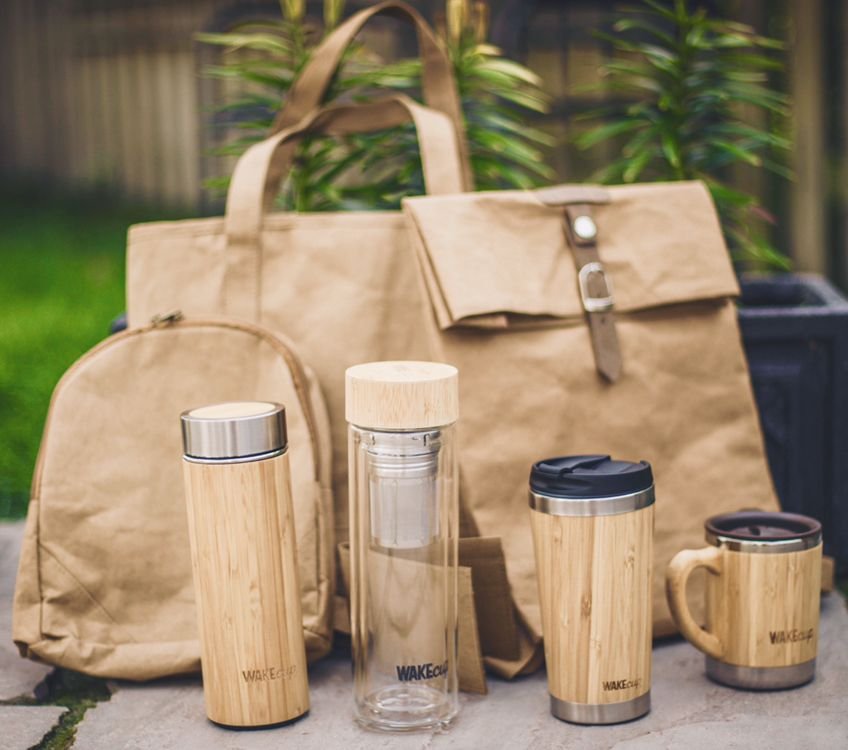
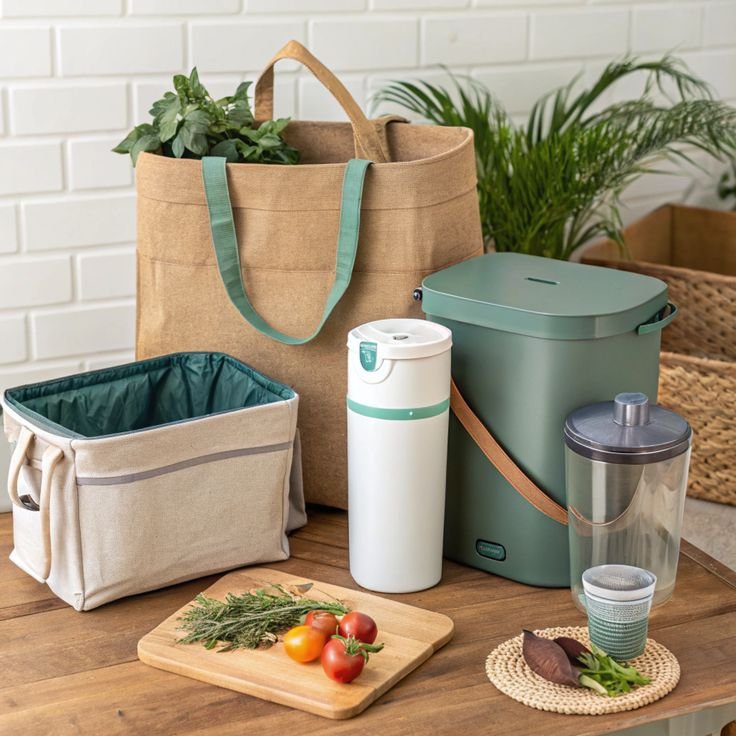
My Everyday Plastic-Free Kit
| Item | Purpose | Why It Works |
|---|---|---|
| Cloth bag | Shopping | Always accessible |
| Steel bottle | Drinks | Eliminates bottled water |
| Food container | Takeaway | Avoids packaging |
| Reusable cutlery | Eating out | Lightweight |
| Handkerchief | Replaces tissues | Washable |
Convenience turned intention into habit.
Biggest Lessons From My Journey
1. Start Small
Major lifestyle shifts rarely stick. Choose one area first — kitchen, bathroom, or shopping.
2. Reduce Before Replacing
Use what you own. Buy less overall.
3. Focus on High-Impact Changes
Some swaps matter more than others.
4. Build Habits Gradually
Consistency beats intensity.
Plastic Reduction Impact Timeline
| Month | Change Implemented | Visible Result |
|---|---|---|
| 1 | Reusable bags | Fewer plastic bags |
| 2 | Refillable bottles | Reduced trash volume |
| 3 | Bulk shopping | Less packaging |
| 6 | Habit formation | Sustainable routine |
| 12 | Lifestyle shift | Significant waste reduction |
What Actually Made Plastic-Free Living Sustainable
After years of trial and error, these strategies worked best:
✔ Systems Instead of Motivation
Make the eco-friendly choice the easiest choice.
✔ Community Support
Family participation multiplies impact.
✔ Acceptance of Imperfection
Progress is what matters.
✔ Financial Planning
Budget for gradual replacements.
A Realistic Plastic-Free Lifestyle
Plastic-free living is not about aesthetic kitchens or trendy products. It’s about mindful consumption, thoughtful choices, and steady progress.
If you’re struggling, remember:
You don’t need to do everything. You just need to do something — consistently.
FAQs
1. Is it possible to live completely plastic-free?
Not entirely. Plastic exists in infrastructure, electronics, and medical supplies. The goal is reduction, not total elimination.
2. What is the easiest first step toward plastic-free living?
Carry reusable shopping bags and a water bottle. These two habits eliminate a large amount of single-use plastic.
3. Are eco-friendly alternatives always better?
Not necessarily. The most sustainable option is often using what you already own for as long as possible.
4. How can families reduce plastic without stress?
Start with shared habits like reusable containers, bulk buying, and avoiding disposable items at home.
5. Is plastic-free living expensive?
It can be initially, but long-term savings occur because reusable items reduce repeat purchases.
6. What matters more: recycling or reducing?
Reducing consumption has the biggest impact. Recycling helps, but preventing waste is more effective.
Final Thoughts
My plastic-free journey wasn’t a straight path — it was a cycle of mistakes, adjustments, and gradual improvement. If you’re on this path too, be patient with yourself.
The planet doesn’t need a few people doing zero-waste perfectly.
It needs millions doing it imperfectly — but persistently.