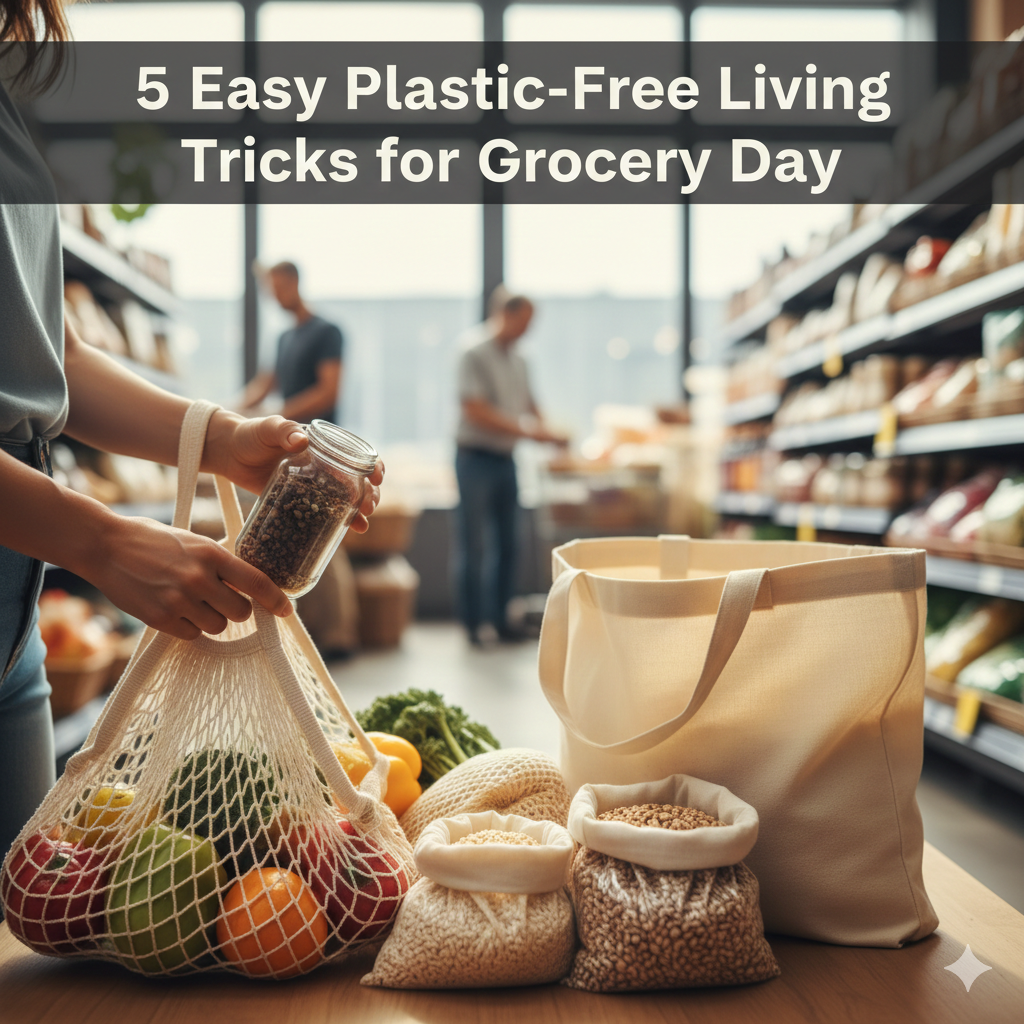
5 Dead Simple Plastic-Free Living Hacks for Groceries That Actually Work
Each grocery trip is a chapter. You go in with a list, and you come out with bags — plastic bags, plastic-covered produce, plastic water bottles, Tupperware. It adds up fast.
Here’s the deal: each year, the typical American family takes home around 1,500 plastic bags. Most of those bags are used only for a few minutes before they are disposed and sent to the landfill — or worse, into the ocean.
But overhauling your grocery routine doesn’t need to feel like a major sacrifice. Don’t feel as though you need to become zero-waste overnight. You merely want a couple of intelligent, simple hacks that make the task of living without plastic easy enough to really stick with.
This guide shares five of the best ones — approachable, easy to follow and tested on a regular grocery day. Whether you are a beginner in low-waste living or looking to level up, these hacks are for you.
Why You Should Start With Grocery Day to Cut Plastic
When it comes to plastic, most people focus on cutting it out. But the real opportunity lies before plastic even arrives at your door — at the store.
One of the most plastic-intensive parts of life is going to the grocery store. Think about it: produce bags, bread bags, meat packaging, yogurt containers, spice jars, chip bags. Nearly every aisle is shrouded in some variety of plastic.
The good news? Grocery shopping is one of the most routine pieces of your week. That makes it an ideal place for cultivating new habits. Once you nail down a couple of rock-solid swaps, they start to feel automatic.
You stop thinking about it. You just do it.
That’s the aim — to make plastic-free living feel as instinctive as brushing your teeth.
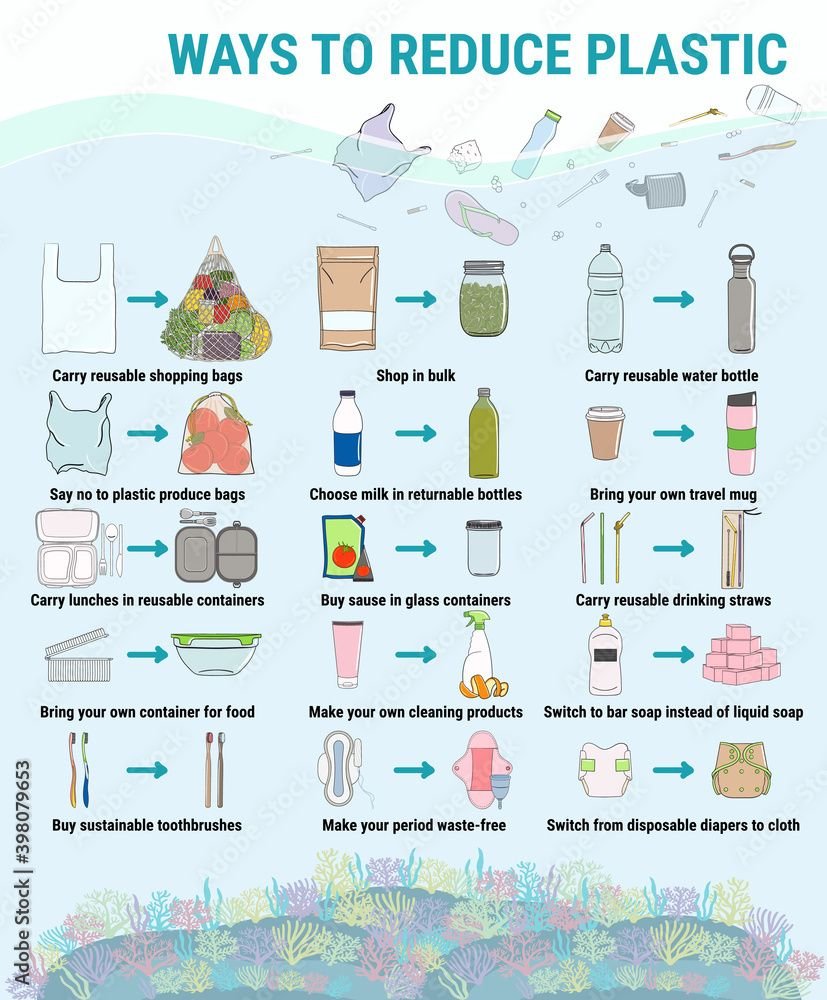
Hack #1: BYOB — Bring Your Own Bags (All of Them)
The Reusable Bag Crisis Most People Don’t Know About
You may have heard this one already. Bring reusable bags. But here’s where most of us fail — we cart along one or two huge bags and forget the small ones.
Produce bags are the silent plastic problem in your grocery cart.
When you grab a handful of apples or a bunch of carrots, you reach for one of those thin plastic bags from the roll near the produce area. That’s a habit worth breaking.
What to Use Instead
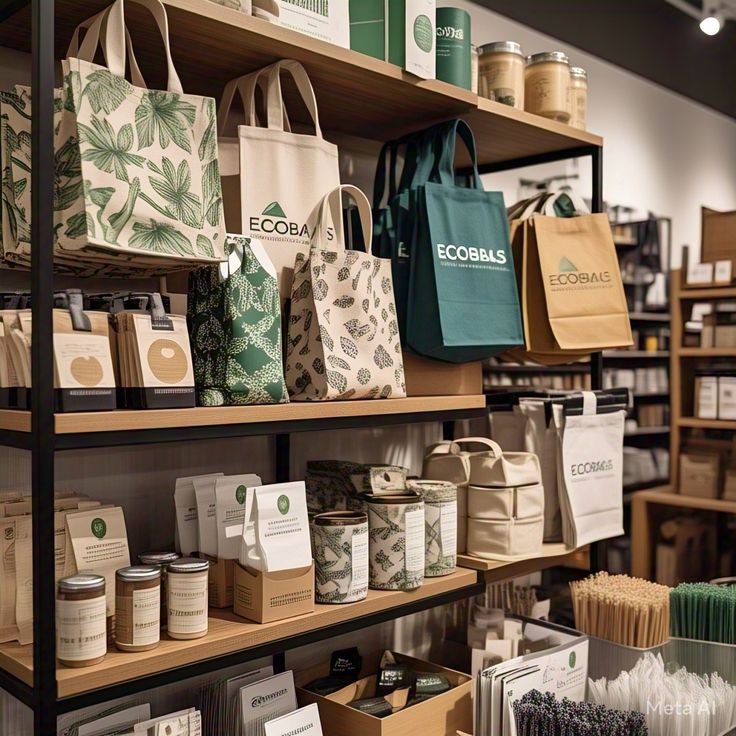
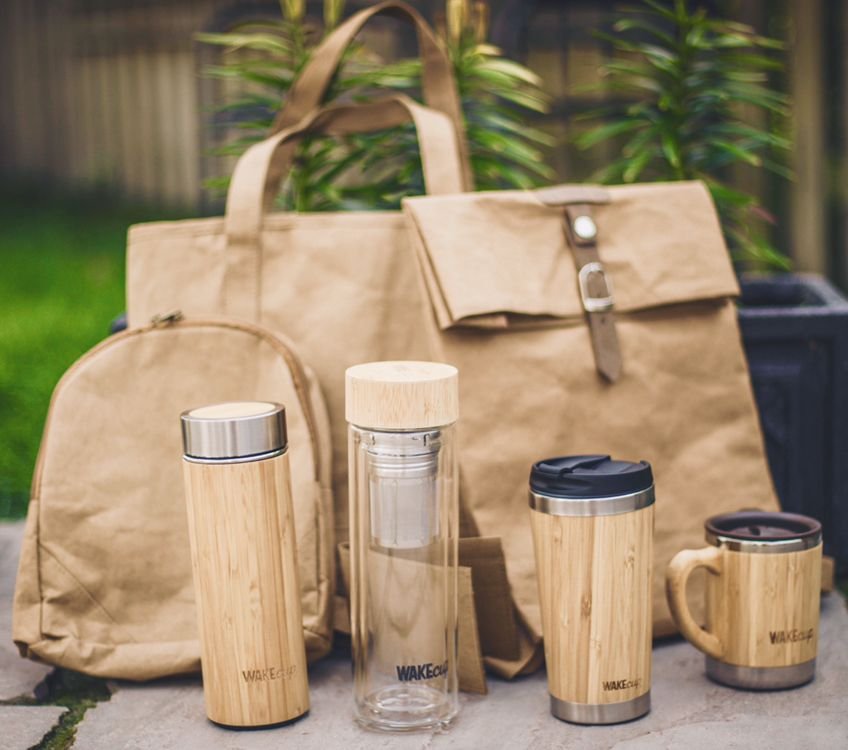
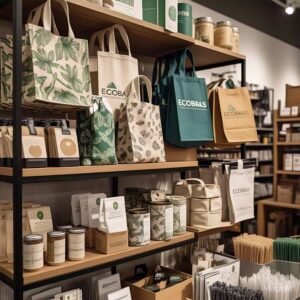
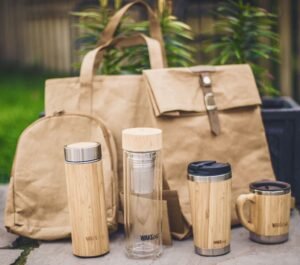
A set of reusable mesh produce bags are an absolute game-changer. They are lightweight, washable and most cashiers don’t mind using them at checkout. You can buy a pack of five to 10 bags for under $15 online or at most eco-friendly shops.
Take a look at this quick comparison, just to put things in perspective:
| Bag Type | Average Uses | Ends Up In Landfill | Cost Over Time |
|---|---|---|---|
| Single-use plastic bag | 1–2 | Yes (in most cases) | Adds up quick |
| Reusable grocery tote | 500–700 | No | Very cheap in the long term |
| Mesh produce bag | 300–500 | No | Around $1–2 per bag |
| Cotton muslin bag | 200–400 | No | Around $2–3 per bag |
The swap is easy. The savings — both for your wallet and for the planet — are real.
How to Remember to Bring Them
The go-to excuse is: “I forgot to bring my bags.” Here’s an easy solution: tuck a small pack of reusable bags inside your everyday bag or backpack. Keep a larger set in your car. Slap a sticky note on your front door if you must.
Make the bags impossible to forget, and you will never look back.
Hack #2: Bulk Bin Shopping Like a Pro
What the Heck Are Bulk Bins, and Why Do They Matter?
Bulk bins are areas of the grocery store where you can scoop out just what you need of something — items like oats, rice, nuts, dried fruit, flour, sugar or even spices.
Here’s why they’re relevant to a plastic-free lifestyle: you bring your own container, fill it up and pay by weight. No plastic packaging needed.
It sounds simple, because it is.
The Best Way to Use Bulk Bins
If you’ve never done this before, there’s a little bit of a learning curve. Follow these steps and you’ll look like a pro on your first try:
Step 1: Bring clean jars or cloth bags from home. Mason jars work great.
Step 2: Before you fill your jar, bring it to the customer service desk or a scale in the bulk area. Ask them to “tare” the jar — meaning they weigh it empty, so you only pay for the food inside, not the container.
Step 3: Fill your jar, write the bin number on the tag and head to checkout.
That’s it. No plastic bag. No single-use packaging.
What You Can Buy in Bulk
Many people are amazed at how much is truly available in the bulk section. Here’s a general sense of what you may find:
- Grains: oats, quinoa, rice, barley, couscous
- Legumes: lentils, chickpeas, black beans, split peas
- Nuts and seeds: almonds, walnuts, sunflower seeds, pumpkin seeds
- Dried fruit: raisins, dates, apricots, mango
- Sweeteners: honey, maple syrup (some stores)
- Spices and herbs: cumin, cinnamon, turmeric, oregano
- Baking basics: flour, sugar, baking soda, cocoa powder
- Snacks: granola, trail mix, popcorn kernels
Not every store has bulk bins, but health food stores and co-ops often do. If yours doesn’t, you might ask the manager — sometimes they’ll start one when enough shoppers show interest.
Save Money While You Do It
One of the great things about shopping in bulk bins is that it’s often cheaper than purchasing those products pre-packaged. You’re not paying for the box, the bag or the brand name.
Buying food from bulk bins can save shoppers between 30% and 89% compared to pre-packaged equivalents, according to a study conducted by the Pacific Coast Federation of Fishermen’s Associations and multiple environmental groups. It varies by product, but the savings are consistent.
Hack #3: Choose Plastic-Free Packaging on Purpose
Reading the Packaging Before You Purchase
This trick is all about shopping with concrete intent. Instead of mindlessly grabbing the first item in sight, take a few seconds to consider its packaging.
Can you get the same product in a glass jar rather than a plastic container? Is there a paper-wrapped version instead of one in plastic film? Can the store provide something loose instead of in a bag?
Often, a plastic-free version is right there on the same shelf. You just have to look for it.
The Best Swaps to Make in Every Aisle
Here’s a practical guide to help you make the better choice in each section of the store:
Dairy and Alternatives
- Swap plastic milk jugs for glass bottle milk (many shops offer a return for the bottle)
- Opt for yogurt in glass jars or make your own with a reusable container
- Choose butter wrapped in paper foil rather than plastic wrap
Bread and Bakery
- Pass the bagged bread in the bread aisle and head to the bakery section
- Ask for bread to be placed directly in your cloth bag or a paper bag
- Bring your own beeswax wrap or muslin bag for rolls and pastries
Produce
- Buy loose fruit and vegetables instead of pre-bagged ones
- Skip the pre-washed salad kits in plastic bags — get a head of lettuce instead
- Look for loose onions, garlic and potatoes rather than netted bags
Pantry Staples
- Choose pasta in cardboard boxes over plastic bags
- Buy canned goods (steel cans are highly recyclable) rather than plastic pouches
- Look for condiments in glass jars — mustard, salsa, jam and pickles are common options
Beverages
- Opt for glass bottles instead of plastic ones whenever possible
- Pick up cans of sparkling water instead of plastic bottles
- Carry a reusable bottle and use in-store water stations
The “Better, Not Perfect” Rule
You will not always find a plastic-free version of every item. That’s okay.
The goal isn’t perfection. It’s progress. If you can replace just half of your usual plastic packaging with something better, that adds up to thousands fewer pieces of plastic over a year of shopping.
Pick the better choice when you can. Don’t stress when you can’t.
Hack #4: Build a Grocery List That Fights Plastic
Why Your List Is a Plastic-Free Tool
This trick sounds boring, but it is one of the most powerful things you can do.
When you don’t have a list, you wander. You grab things impulsively. You reach for the convenient choice — usually the one with the most packaging.
When you shop with a solid list, you go to the store with intention. You know exactly what you need and where to find the plastic-free version.
Building a Plastic-Mindful Shopping List
Here’s a simple concept to help you think about your list in a new way.
Before writing each item, ask yourself:
- Can I buy this without plastic packaging?
- Is there a bulk bin version?
- Is there a glass or cardboard option?
- Can I make this at home with simple ingredients?
That last question is worth sitting with. So many heavily packaged things — salad dressing, hummus, granola bars, flavored yogurt — are incredibly easy to make at home with bulk ingredients.
Meal Planning = Less Plastic
Meal planning and plastic-free living go hand in hand.
When you have your cooking planned for the week, you only buy what you need. That means less impulse buying, less food waste and fewer conveniently packaged items sneaking into your cart.
Here’s a straightforward weekly planning method:
| Day | Planned Meal | Key Ingredients (Bulk or Loose) |
|---|---|---|
| Monday | Lentil soup | Lentils (bulk), carrots (loose), onions (loose), garlic, canned tomatoes |
| Tuesday | Stir fry | Rice (bulk), seasonal veggies, soy sauce (glass bottle) |
| Wednesday | Pasta dinner | Pasta (cardboard box), canned tomatoes, loose garlic |
| Thursday | Grain bowl | Quinoa (bulk), roasted veggies, tahini (glass jar) |
| Friday | Homemade pizza | Flour (bulk), canned tomatoes, loose bell peppers |
Notice how most of these meals naturally avoid plastic packaging when you plan around whole ingredients.
The Forgotten Item on Your List: Your Containers
Here’s a quick reality check before you finalize your list:
- Reusable grocery bags — packed?
- Mesh produce bags — packed?
- Jars for bulk bins — packed?
- Reusable water bottle — packed?
Add these to the top of your list every single time until it becomes second nature.
Hack #5: Scope Out Your Store for Plastic-Free Spots
Every Store Has Its Own Plastic-Free Nooks
Most people shop on autopilot. They follow the same route, pick up the same stuff and never notice what else is available.
This trick is about taking your time and really working the store — particularly in these spots:
The Bulk Section — already discussed, but it can’t be said enough. If your store has one, this is your best friend.
The Deli Counter — instead of buying pre-packaged deli meat in plastic, bring your own container and ask the counter staff to put meat or cheese directly into it. Most stores will do this without a problem.
The Bakery — fresh bread is typically sold loose or in a paper bag. Infinitely better than the plastic-wrapped loaves in the bread aisle.
The Farmers Market Section — some larger grocery stores have a small farmers market area with loose, seasonal produce. They tend to be cheaper too, and always less packaged.
The Cheese Counter — similar to the deli, you can often buy cheese cut to order and wrapped in paper.
Ask the Staff — Seriously
Here’s something many people never think to do: simply ask.
Can I use my own container for deli items? Can you wrap this in paper? Do you have this without the plastic wrap?
Store staff are usually happy to help. And when customers ask for plastic-free options regularly, it signals to store managers that there’s demand for change.
Your request is more powerful than you think.
Shop Local When You Can
Local grocery stores, co-ops and farmers markets are often far more flexible about packaging than big chain stores.
At a farmers market, for example, you can bring your own bags and containers, buy loose produce and support local growers who often use far less plastic in their supply chain. If you’re looking for more inspiration and guidance on this lifestyle, Plastic Free Living is a great resource packed with tips, swaps and community support to help you along the way.
Even shopping at a local market once or twice a month really adds up as far as your household plastic use over time.
How These 5 Hacks Work Together
These are all fairly minor adjustments, but when you add them up, they make a real difference. Let’s put it in perspective:
| Hack | Plastic Avoided Per Year (Estimated) |
|---|---|
| Reusable bags (grocery + produce) | 100–200+ plastic bags |
| Bulk bin shopping | 50–100+ plastic packages |
| Choosing plastic-free packaging | 200–400+ plastic containers |
| Planned shopping list | 30–60+ impulse-buy packages |
| Store navigation + asking for alternatives | 40–80+ single-use plastic wrappers |
| Total (rough estimate) | 420–840+ pieces of plastic per year |
These are rough estimates, but they give you a clear idea of how much one person can prevent by making a few consistent choices. Multiply that by a household of four, and you’re looking at thousands of pieces of plastic kept out of landfills every single year.
Change Doesn’t Have to Happen All at Once
Here’s what you should keep in mind as you begin working through these hacks: you don’t need to adopt all of them at once.
Start with one trick. Get comfortable. Then add another.
Perhaps this week, you focus on remembering your reusable bags. The following week, you venture into the bulk section for the first time. The week after that, you begin reading packaging labels before grabbing something off the shelf.
Plastic-free living isn’t a destination you reach overnight. It’s a direction you keep moving in.
Each grocery trip is an opportunity to make a slightly better choice than the one before. That’s all it takes.
Frequently Asked Questions
Q: Is it more expensive to shop plastic-free at the grocery store?
Not necessarily. Bulk bin buys are often cheaper than their pre-packaged counterparts. Sometimes it costs a little more to buy items in glass jars and cardboard packaging, but many of these eco-friendly swaps will wind up saving you money on your grocery bill — especially when combined with meal planning and less impulse buying.
Q: What if my store doesn’t have bulk bins?
Begin by looking at health food stores, co-ops and specialty grocery stores in your area. Some online retailers also sell pantry staples in bulk with minimal packaging. You can also ask your store manager — customer requests do actually shape what stores carry.
Q: Can I actually bring my own containers to the deli counter?
In most cases, yes. Most stores accommodate it now that post-pandemic hygiene practices have been updated. It’s always a good idea to call ahead or ask a staff member for confirmation before your first visit. For the most part, deli workers are happy to accommodate the request.
Q: What is the easiest way for a complete beginner to get started?
Begin with reusable bags — both the large grocery store variety and the small mesh produce bags. It’s the easiest switch with no lifestyle change required. Once that feels comfortable, start venturing into bulk bins or swap one or two packaged items for plastic-free alternatives.
Q: Are reusable bags actually better for the environment?
Yes, when used consistently. A cotton tote needs to be used many times to offset its production footprint compared to a single-use plastic bag. But if you use it regularly for years — which most people do — the environmental payoff is clear. According to the United Nations Environment Programme, consistent use of reusable bags is one of the most effective everyday actions individuals can take to reduce plastic pollution. Mesh bags made from recycled materials are an even more efficient option.
Q: What about plastic marked as “recyclable”? Isn’t that okay?
Recycling is better than landfilling, but it’s still an imperfect solution. The overwhelming majority of plastic can only be recycled once or twice before it degrades into waste anyway. And a large portion of recyclable plastic ends up not being recycled at all due to contamination or lack of processing facilities. Refusing plastic in the first place is always the better option.
Q: How do I store loose produce at home without plastic bags?
Great question. For most fruits and vegetables, beeswax wraps, damp cloth bags and breathable produce containers work well. Keep leafy greens fresh by wrapping them in a damp cloth in the refrigerator. Root vegetables are generally happy sitting loose in a cool, dark spot with no wrapping at all.
The Takeaway: Grocery Day Is Your Superpower
You shop for food every week. That makes grocery day one of the most powerful opportunities you have to reduce your plastic footprint — not just once, but over and over again, for the rest of your life.
The five hacks in this guide aren’t complicated. They don’t require you to upend your life. They just take a bit of intention, a couple of reusable tools and an openness to rethink your shopping habits.
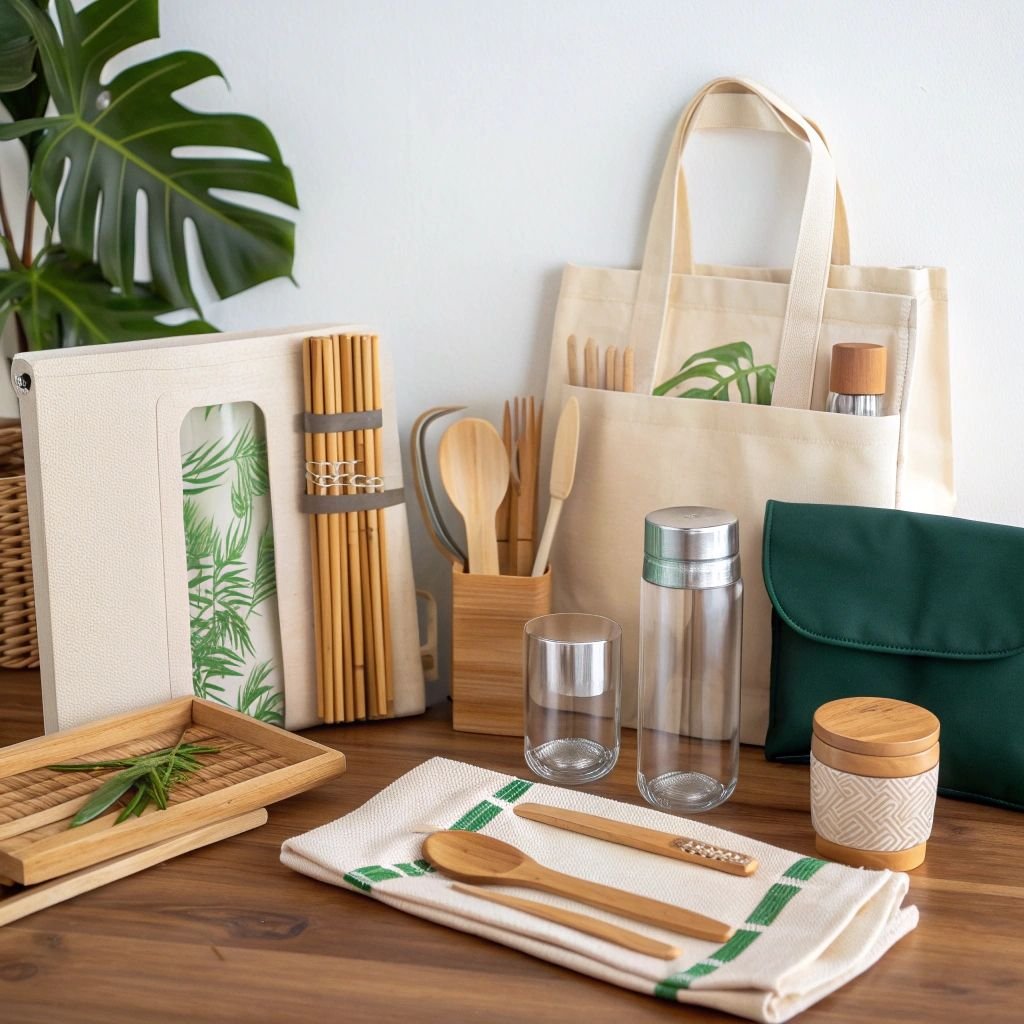
Bring your bags. Explore the bulk bins. Choose smarter packaging. Plan your meals. Know your store.
Do these five things consistently, and plastic-free living on grocery day will stop feeling like a challenge and start feeling like just the way you shop.