12 Ultimate Plastic-Free Living Lifestyle Swaps That Stick
Plastic is everywhere. It’s in your kitchen, your bathroom, your grocery bags, and even your clothes. Most of it gets used once and thrown away forever. And “forever” is not an exaggeration — plastic can take up to 1,000 years to break down.
The good news? You don’t need to overhaul your entire life overnight. Small, smart swaps can make a massive difference. This guide walks you through 12 plastic-free living lifestyle swaps that are practical, affordable, and — most importantly — the kind you’ll actually stick with.
Let’s get into it.
Why Plastic-Free Living Is Worth Your Attention Right Now
Every year, the world produces over 400 million tonnes of plastic waste. Less than 10% of it gets recycled. The rest ends up in landfills, oceans, and soil — harming wildlife, polluting water, and sneaking into the food we eat.
Microplastics have been found in human blood, lungs, and even breast milk. That’s not a scare tactic. That’s reality.
Plastic-free living doesn’t mean living without convenience. It means choosing smarter alternatives that serve you just as well — without the environmental cost.
How to Make Plastic-Free Swaps That Actually Last
Most people try one or two eco swaps and give up. Why? Because they choose things that are too inconvenient or too expensive. The key is to start where your habits already are and swap gradually.
Here’s a simple rule: Replace it when it runs out. Don’t throw away your plastic shampoo bottle today. When it’s empty, replace it with a bar alternative. This approach saves money and prevents waste from the swap itself.
Swap #1 — Ditch the Plastic Bag at Every Checkout
This is the most visible plastic habit most people have. Plastic shopping bags are used for an average of 12 minutes but take up to 1,000 years to decompose.
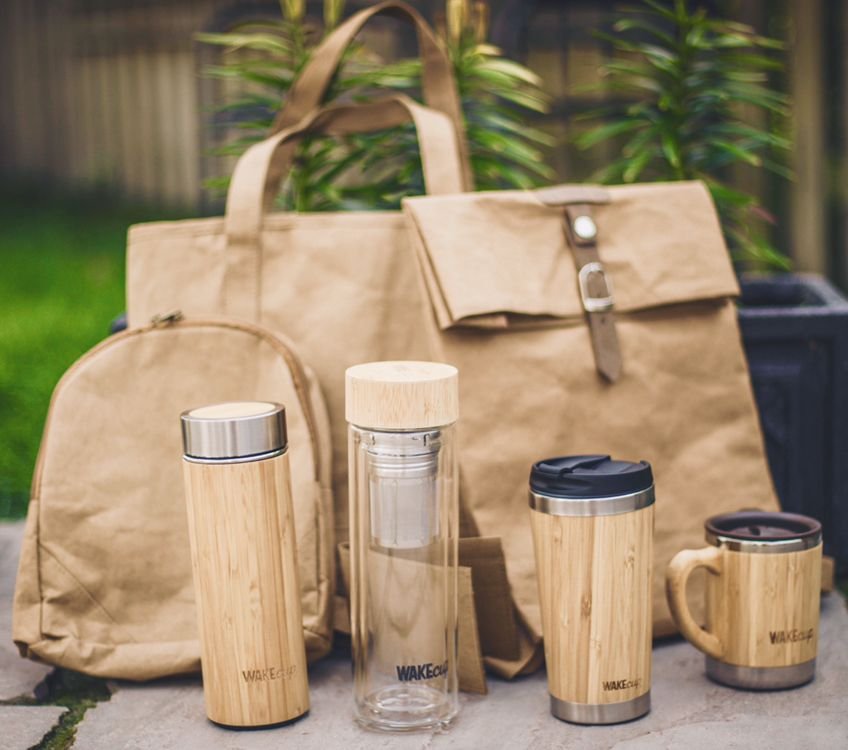
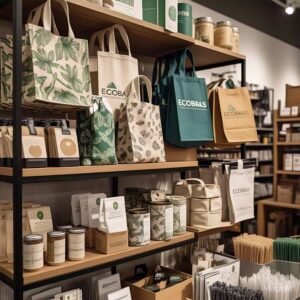
The swap: Reusable cotton or jute tote bags.
Keep a couple folded in your car, purse, or backpack. You won’t forget them if they’re always within reach. Canvas bags are washable, sturdy, and last for years. Some people even switch to mesh produce bags to skip the small plastic bags used for fruits and vegetables.
Why it sticks: It becomes muscle memory within a few weeks. Plus, many stores now charge for plastic bags, so you save money too.
Swap #2 — Swap Plastic Water Bottles for Stainless Steel
Single-use plastic water bottles are one of the top sources of plastic pollution worldwide. Americans alone throw away about 50 billion plastic bottles per year.
The swap: A stainless steel or glass water bottle.
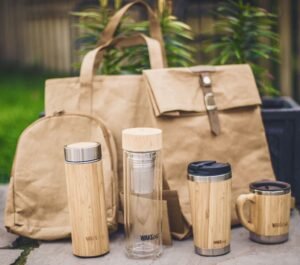
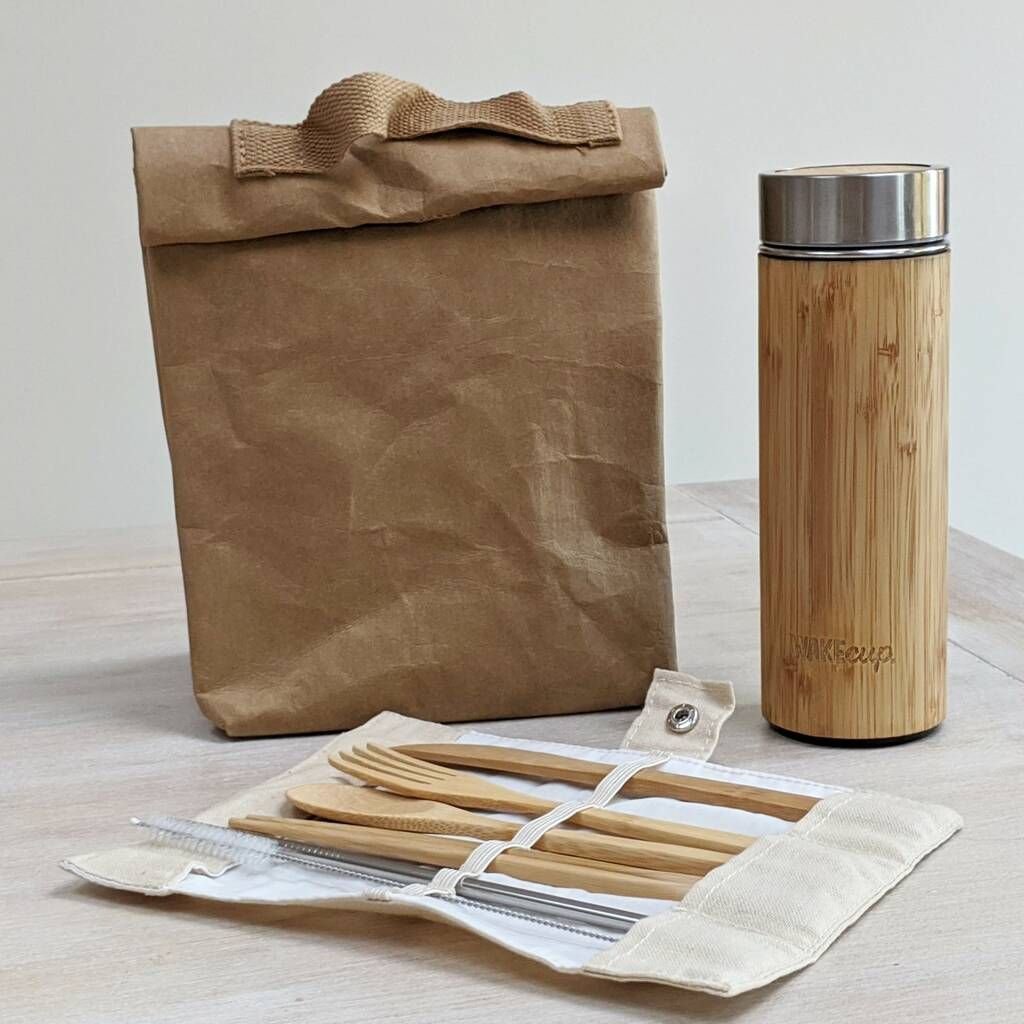
A good stainless steel bottle keeps water cold for 24 hours and hot drinks warm for 12. Brands like Hydro Flask, Klean Kanteen, and even budget-friendly store brands work great. Buy one you love — the design, color, and size matter because you’ll actually use what you like.
Why it sticks: You save money within weeks by skipping bottled water purchases. Over a year, the savings can be well over $200.
Swap #3 — Say Goodbye to Plastic Toothbrushes
Over 1 billion plastic toothbrushes are thrown away in the US every year. They can’t be recycled because of the mixed materials used.
The swap: Bamboo toothbrushes.
Bamboo is naturally antibacterial and biodegradable. The handles break down in compost, though the bristles (usually nylon) still need to be removed and disposed of separately. Some brands now offer plant-based bristles too.
Why it sticks: Bamboo toothbrushes work exactly like plastic ones. There’s zero learning curve. Just buy a pack of four and you’re set for the year.
Swap #4 — Replace Plastic Wrap With Beeswax Wraps
Plastic cling wrap is used in nearly every kitchen, but it’s nearly impossible to recycle. It sticks to machinery at recycling plants and causes shutdowns.
The swap: Beeswax wraps or silicone stretch lids.
Beeswax wraps are cloth coated in beeswax, tree resin, and jojoba oil. They mold to the shape of bowls, cover half-cut fruits, and wrap sandwiches perfectly. They’re washable and last up to a year with proper care.
For those who prefer vegan options, plant-based wax wraps are available. Silicone lids are another excellent choice — they stretch over containers of all sizes and are dishwasher safe.
Why it sticks: Once you see how well they work, going back to cling wrap feels pointless. They’re also prettier to look at.
Swap #5 — Make the Switch to Shampoo and Conditioner Bars
Shampoo bottles are one of the most common bathroom plastics. The average person uses about 11 bottles per year — and very few get recycled because they still have product residue.
The swap: Solid shampoo and conditioner bars.
Brands like Lush, HiBar, and Ethique make bars that last as long as 2–3 liquid bottles. They’re compact, travel-friendly (no liquids restriction at airports), and often made with natural ingredients.
Why it sticks: Once you find the right bar for your hair type, you won’t miss the bottle. The initial switch may take 1–2 washes to adjust, but the results are comparable or even better for many hair types.
Swap #6 — Rethink Your Cleaning Products
Most cleaning products come in thick plastic bottles. Even if the bottle is recyclable, the pump mechanisms usually aren’t.
The swap: Concentrated cleaning tablets or powder cleaners in cardboard packaging.
Brands like Blueland, Branch Basics, and Grove Co. make cleaning tablets you dissolve in water at home. You buy the glass or stainless steel spray bottle once, then just add a tablet when it’s empty. Some brands offer refill pouches too.
Why it sticks: It’s cheaper in the long run and takes up way less storage space. A box of 30 tablets can replace 30 plastic bottles.
| Product Type | Plastic Waste | Plastic-Free Alternative |
|---|---|---|
| Dish soap bottle | 1 bottle/month | Dish soap bar or powder |
| All-purpose cleaner | 1 bottle/2 months | Concentrate tablets |
| Bathroom cleaner | 1 bottle/2 months | Powder in cardboard box |
| Laundry detergent | 1 jug/month | Laundry sheets or strips |
Swap #7 — Switch From Disposable Razors to Safety Razors
Disposable razors are made from a mix of plastic and metal that can’t be separated easily, making them non-recyclable. In the US, over 2 billion disposable razors are thrown away annually.
The swap: A stainless steel safety razor.
Safety razors use a single double-edged metal blade that’s easy to recycle. The handle lasts a lifetime if you buy a quality one. Replacement blades are incredibly cheap — often less than 10 cents each — compared to $3–5 for cartridge refills.
Why it sticks: The initial cost of a safety razor ($25–$50) pays for itself within 3–4 months. The shave quality is arguably better, and the routine feels more intentional.
Swap #8 — Upgrade Your Food Storage Game
Plastic zip-lock bags, plastic containers that warp or stain, and cling-film-covered dishes are standard in most kitchens. But there are better options.
The swap: Glass jars, stainless steel containers, and silicone bags.
Glass jars (like Mason jars) are great for storing leftovers, meal prepping, or keeping dry goods. Stainless steel bento boxes are perfect for packed lunches. Silicone bags like Stasher Bags are dishwasher-safe and can even go in boiling water or the microwave.
Why it sticks: Glass and stainless steel don’t absorb smells or stains. Food genuinely looks and tastes better stored this way. And they last decades, not months.
Swap #9 — Choose Plastic-Free Period Products
Disposable menstrual pads and tampons contain significant amounts of plastic — in the packaging, the applicators, and the products themselves. The average person uses around 11,000 disposable period products in their lifetime.
The swap: Menstrual cups, period underwear, or reusable cloth pads.
Menstrual cups are made from medical-grade silicone and can last up to 10 years. Period underwear absorbs like multiple pads and is washable. Reusable cloth pads are soft, chemical-free, and budget-friendly over time.
Why it sticks: Beyond the environmental win, these options often save hundreds of dollars per year. Many users report more comfort and less irritation compared to disposables.
Swap #10 — Go Plastic-Free in Your Coffee Routine
If you’re a coffee drinker, your morning routine could be generating more plastic than you realize. Single-use pods (like K-Cups), plastic stir sticks, single-use cups, and plastic lids all add up fast.
The swap: A reusable coffee cup, a French press or stovetop espresso maker, and a stainless steel straw.
Many cafes now offer discounts for bringing your own cup — typically $0.10–$0.50 off per visit. Over a year of daily coffee runs, that adds up. Reusable cups like KeepCup or Hydro Flask mugs keep drinks hot longer too.
For home brewing, a French press or AeroPress creates zero pod waste and often produces better-tasting coffee.
Why it sticks: The discount incentive helps. And once you taste the difference with a French press, pod coffee often feels like a downgrade.
Swap #11 — Rethink How You Buy Food
A huge amount of plastic pollution comes from food packaging. Nearly every item in a standard grocery store comes wrapped in plastic — even produce that doesn’t need it.
The swap: Buy loose produce, shop at farmers markets, use bulk bins, and choose products in glass or cardboard.
Bring your own mesh produce bags for loose fruits and vegetables. Choose yogurt in glass jars over plastic tubs. Opt for pasta in cardboard boxes. Buy from bulk bins using your own containers where stores allow it.
Why it sticks: Fresh, unpackaged food from farmers markets often tastes better and is fresher. You also tend to buy only what you need, which reduces food waste alongside plastic waste.
Swap #12 — Switch Your Personal Care Products to Plastic-Free Versions
Deodorant, lotion, lip balm, sunscreen — most personal care items come in plastic packaging. This category is often overlooked in plastic-free discussions.
The swap: Look for brands offering products in metal tins, glass bottles, compostable tubes, or refillable containers.
Deodorants now come in push-up cardboard tubes from brands like Myro and Native. Lotions come in glass jars. Sunscreen is available in powder form in metal canisters. Lip balm in a small metal tin is easy to find and lasts just as long.
Why it sticks: Personal care is a daily habit. Once you swap one product and love it, you naturally look for plastic-free versions of others. It becomes a lifestyle, not a chore.
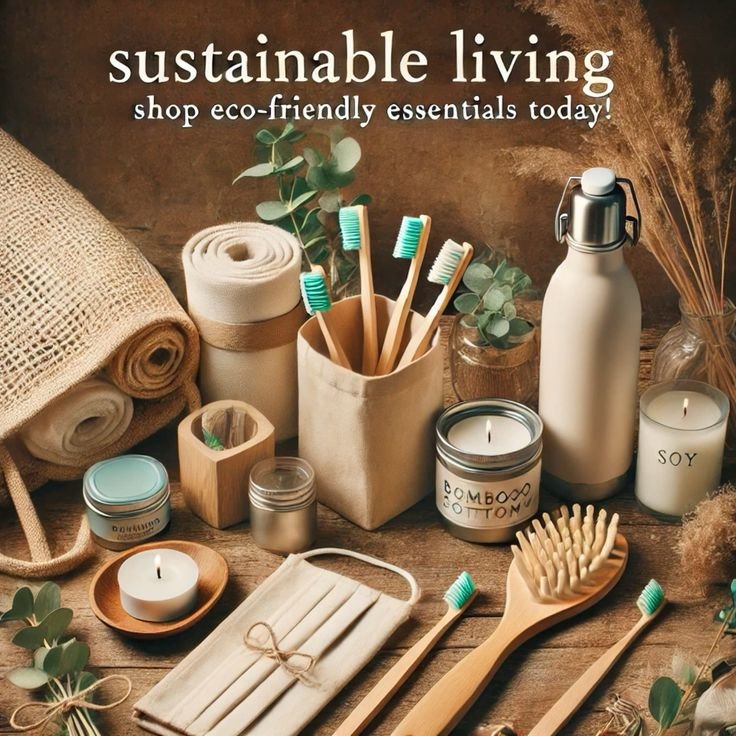
Tracking Your Progress: A Simple Swap Checklist
Here’s a snapshot of all 12 swaps at a glance:
| Swap # | What You’re Replacing | What to Switch To |
|---|---|---|
| 1 | Plastic shopping bags | Reusable tote bags |
| 2 | Plastic water bottles | Stainless steel bottle |
| 3 | Plastic toothbrush | Bamboo toothbrush |
| 4 | Plastic wrap | Beeswax wraps / silicone lids |
| 5 | Shampoo & conditioner bottles | Solid bars |
| 6 | Plastic cleaning bottles | Concentrate tablets |
| 7 | Disposable razors | Safety razor |
| 8 | Zip-lock bags & plastic containers | Glass / silicone / stainless steel |
| 9 | Disposable period products | Menstrual cup / period underwear |
| 10 | Pods & plastic coffee cups | French press & reusable mug |
| 11 | Plastic-wrapped groceries | Bulk bins, farmers markets, glass |
| 12 | Plastic personal care packaging | Metal tins, glass, cardboard tubes |
The Real Cost of Going Plastic-Free (And the Savings)
One of the biggest misconceptions is that plastic-free living is expensive. The upfront cost can be higher, but the long-term savings are real.
According to National Geographic’s research on plastic pollution, reducing single-use plastic consumption at the individual level has a measurable ripple effect on broader waste streams — making every swap count even more than it might seem.
| Item | Plastic Version (Annual Cost) | Plastic-Free Alternative (Annual Cost) |
|---|---|---|
| Water bottles | $300–$500 | $0 (after ~$30 one-time buy) |
| Razors/blades | $80–$150 | $15–$25 |
| Shampoo/conditioner | $60–$100 | $30–$50 |
| Period products | $100–$150 | $0–$20 (after initial buy) |
| Cleaning products | $100–$150 | $40–$60 |
| Total estimated savings | $375–$720 per year |
FAQs About Plastic-Free Living
Q: Is plastic-free living really possible with a busy schedule? Absolutely. Most of these swaps require zero extra time once they’re part of your routine. Buying a bamboo toothbrush takes the same time as buying a plastic one.
Q: What if I can’t afford all these swaps at once? You don’t have to. Start with one swap per month. Focus on whatever you use and replace most often. Gradual change sticks better than an overnight overhaul.
Q: Are plastic-free products as effective as regular ones? In most cases, yes. Safety razors, beeswax wraps, shampoo bars, and menstrual cups have loyal fan bases for a reason — they work well. Some items have a short adjustment period, but most users end up preferring the alternatives.
Q: What about plastics I can’t avoid? Some plastics are unavoidable right now, and that’s okay. The goal isn’t perfection. Even reducing your plastic use by 50% makes a meaningful difference. Focus on your highest-impact habits first.
Q: Are bamboo products actually sustainable? Bamboo grows extremely fast (up to 35 inches per day), requires no pesticides, and regenerates without replanting. It’s one of the most renewable materials available. That said, look for products certified by the Forest Stewardship Council (FSC) to ensure ethical sourcing.
Q: What do I do with plastic items I already own? Use them until they wear out. Throwing away perfectly good plastic items to replace them with eco alternatives creates more waste, not less. Replace them with plastic-free options when they’re genuinely done.
Q: Can plastic-free living make a difference if big corporations still use plastic? Yes — on two levels. First, individual choices reduce demand, which over time influences production. Second, consumers who make these choices tend to become vocal advocates, support better brands, and push for systemic change. Personal action and systemic action aren’t opposites. They reinforce each other.
The Mindset Shift That Changes Everything
Plastic-free living is less about deprivation and more about paying attention. Once you start noticing the plastic around you, you naturally start seeking out better options. It becomes a habit of awareness.
You don’t have to be a zero-waste purist. You don’t need a perfectly curated lifestyle or a Mason jar of yearly trash. You just need to make slightly better choices, one swap at a time.
Every bamboo toothbrush replaces roughly four plastic ones per year. Every reusable bag prevents hundreds of plastic bags from entering landfills. Every safety razor blade avoids one more non-recyclable cartridge. It adds up — and it matters.
Conclusion: Start With One Swap Today
Plastic-free living isn’t an all-or-nothing commitment. It’s a direction, not a destination.
Pick the one swap from this list that feels easiest or most exciting to you. Make that change. Get comfortable with it. Then move to the next one. Within a year, your daily routine could look dramatically different — generating far less plastic waste, saving you real money, and making you feel genuinely good about the choices you’re making.
The planet doesn’t need a handful of people doing plastic-free living perfectly. It needs millions of people doing it imperfectly and consistently.