Plastic-Free Living Tips (The Easy 12 to Start Doing Right Now)
Plastic is everywhere. It’s in your kitchen, your bathroom and yes, even in your grocery bag or drinking water. Researchers have found microplastics in human blood, lungs and breast milk. That’s not scare tactics — that’s just where we are as of now.
The good news? You don’t have to completely revamp your entire life overnight to make a difference. Tiny but regular adjustments amount to more than you’d expect. This guide takes you through 12 simple plastic-free living tips that anyone — whether they are teenagers, students or busy families — can begin today.
No guilt. No perfection required. Just plain old practical strategies that do the trick.
Why Going Plastic-Free Actually Matters
Before we begin with the tips, let’s put things in perspective.
The world churns out over 400 million metric tons of plastic a year. Only a fraction of the plastic ever made has been recycled — less than 10 percent. The rest fills up landfills, floats in oceans or breaks down into little particles that work their way into the food system.
Here’s a short look at how long it takes for various plastic items to decompose:
Plastic ItemEstimated Time to DecomposePlastic bag10–20 yearsPlastic straw200 yearsPlastic bottle450 yearsPlastic cup450 yearsFishing line600 yearsStyrofoamNever completely decomposes
When you hear those numbers, a reusable water bottle suddenly looks much better.
You Don’t Have to Be Perfect — Just Begin
One of the most common things people do that puts them off switching to plastic-free living is they try to transition too quickly. They toss all their plastic, buy everything new and fizzle out within a week.
That’s not the goal here.
The aim is progress, not perfection. Choose one or two strategies from this list. Get comfortable. Then add more. Simply by replacing even one single-use plastic item a week, you could prevent 52 pieces of plastic from entering our waste stream every year — from just you.
Now multiply that by your household. Or your school. Or your neighborhood.
The ripple effect is real.
12 Simple Changes to Reduce Plastic in Your Life
Tip 1: Use a Reusable Water Bottle
It’s seriously the easiest swap you can do.
Americans alone purchase roughly 50 billion plastic water bottles each year. And most of that is used only once and then discarded. A good stainless steel or glass water bottle can last 10 years or longer.
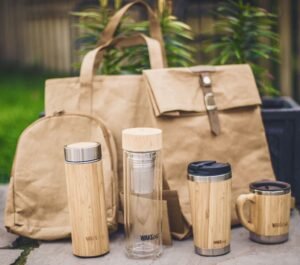
Pay attention to whether the bottles are BPA-free and if they have a wide mouth for simple cleanup. There are a lot of good ones in the market from popular brands like Hydro Flask, Nalgene and S’well, though even cheap options from discount retailers can be just fine.
Quick tip: Keep your reusable bottle in your sightline — on top of your desk, inside your bag, near the door. What’s not in your face is typically out of mind.
Tip 2: Bring Your Own Bags to the Grocery Store
Plastic bags are ranked among the 10 most common items found in ocean cleanups worldwide.
A solution is at hand: leave your reusable bags in your car, toss one in a bag or backpack, or store them by the front door so you never forget. Canvas bags, mesh produce bags and woven totes are all good options.
Many outlets now charge for plastic bags. If you shop at least a couple of times a week, that small fee adds up fast. A reusable bag will pay for itself in just a few shopping trips.
Bonus: Mesh bags are particularly great for produce. They’re lightweight, washable and allow the cashier to scan produce barcodes straight through the bag.
Tip 3: Ditch Plastic Wrap — Use Beeswax Wraps Instead
Plastic cling wrap, although theoretically recyclable, is almost impossible to recycle. It jams sorting machines at recycling centers and ends up most often in landfills.
Beeswax wraps are a better alternative. They are made from cotton fabric coated in beeswax, tree resin and jojoba oil. Your hands warm them up to fit perfectly around bowls, cheese blocks, sandwiches and sliced fruit.
They’re washable, can be used for up to a year and are completely compostable when they reach the end of their life.
Beeswax wraps can also be difficult to source, but silicone stretch lids and glass food storage containers are just as effective.
Tip 4: Switch to Bar Soap and Shampoo Bars
The majority of liquid soap and shampoo is sold in plastic bottles. Those bottles fill up quickly — the average household goes through dozens of them every year.
Bar soap has been around for centuries. It cleans just as well, costs less per use and is delivered in none or much less plastic packaging. The same goes for shampoo bars and conditioner bars, which have exploded in popularity over the last few years.
Brands like Lush, HiBar and Ethique sell solid bars that are specifically formulated for hair. Some people say their hair actually feels healthier after they switch.
What to look for in a shampoo bar:
Sulfate-free formula
pH-balanced
Free from synthetic fragrances
Compostable or paper packaging
Tip 5: Carry a Reusable Coffee Cup or Thermos
If you are a coffee or tea person, always carry a reusable cup or thermos with you.
The vast majority of disposable coffee cups are not recyclable. They look like paper, but a thin plastic coating that renders them waterproof means they’re nearly impossible to process at recycling centers.
If you pick up coffee or tea on the go just three times a week, that’s 150+ disposable cups per year ending up in the trash.
This is completely solved by a reusable travel mug or thermos. A number of cafés now provide a small discount when you come with your own cup — usually 10 to 25 cents — which can add up over time.
Tip 6: Stop Using Plastic Straws
Plastic straws are flimsy and small, making them pretty difficult — if not impossible — to sort and recycle. They also fall through sorting equipment and into waterways.
The alternatives are plentiful:
Straw TypeBest ForDurabilityStainless steelEveryday drinksVery highBambooOn-the-go useMediumGlassHome useHighPaperSingle-use backupLowSiliconeKids, smoothiesVery high
Most reusable straw kits come with a cleaning brush and travel pouch. A few will even slip into your wallet or onto your keychain.
Or, skip the straw altogether. Most drinks don’t actually need one.
Tip 7: Shop at Bulk Stores or Farmers Markets
Packaged goods represent one of the largest sources of household plastic waste. Chips, crackers, nuts, grains and spices are often packaged in plastic that is not recyclable.
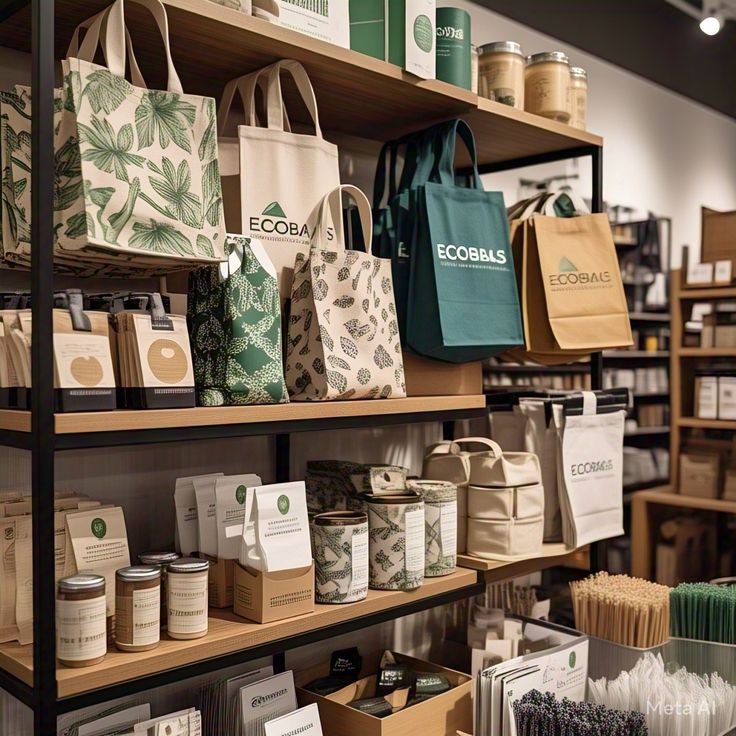
Bulk bins at natural grocery stores allow you to bring your own jars, bags or containers and put precisely what you need in them. You pay by weight, cut down on packaging and often save money compared to pre-packaged varieties.
Farmers markets are also a great option. Produce comes without plastic trays or shrink wrap. Many vendors sell directly into whatever bag or container you bring.
Pro tip: Take pre-rinsed glass jars to bulk stores. Weigh them empty at the counter (they’ll mark the weight so you don’t pay for it) and fill them up.
Tip 8: Make the Switch to a Bamboo Toothbrush
The plastic toothbrush is a prime offender in household plastic waste but tends to be one of the most overlooked.
Dentists recommend replacing your toothbrush every three months. That’s four toothbrushes per person per year — and because plastic toothbrushes can’t be recycled in many places, they go straight to the landfill. That’s 16 plastic toothbrushes a year in a family of four.
Bamboo toothbrushes have handles that are fully compostable. The bristles are normally made from nylon (which you can pull out with pliers before composting the handle), though a few brands now offer plant-based bristle options.
They function just like a plastic toothbrush and cost about the same.
Tip 9: Make Your Own Household Cleaning Products
Many traditional household cleaners come in single-use plastic bottles. And many of those bottles are mixed materials that are not easily recycled.
The great news is that most simple cleaning tasks can be tackled with just a few basic ingredients: white vinegar, baking soda, castile soap and water.
Here’s a recipe to make your own all-purpose cleaner:
All-Purpose Cleaner:
1 cup water
1 cup white vinegar
15 drops tea tree essential oil (optional, for antibacterial properties)
10 drops lemon essential oil (optional, for fragrance)
Mix in a glass spray bottle. Use on counters, sinks, stovetops and tiles.
If DIY isn’t for you, look for cleaning brands that sell refillable bottles or concentrated tablets you dissolve in water at home.
Tip 10: Switch to Plastic-Free Period Products
This is one that’s often missed in plastic-free conversations, but it makes a big difference.
Conventional pads and tampons include plastic — in the packaging, in the applicators, even in the absorbent layers. The average person uses approximately 11,000 disposable period products in their lifetime.
Plastic-free alternatives include:
Menstrual cups — Made from medical-grade silicone; can last up to 10 years
Period underwear — Washable, reusable, no waste
Organic cotton pads and tampons — Compostable, free from synthetic materials, often in cardboard packaging
Reusable cloth pads — Washable and can be used for years
Switching to just one reusable option seriously cuts down on individual plastic output.
Tip 11: Rethink Food Storage at Home
Consider how much plastic you use just to store leftovers.
Zip-lock bags, plastic wrap and disposable plastic containers are all completely replaceable.
Here’s a simple comparison:
Single-Use OptionPlastic-Free SwapZip-lock bagsReusable silicone bagsPlastic wrapBeeswax wraps or silicone lidsPlastic containersGlass or stainless steel containersPlastic produce bagsMesh cloth bags
Glass containers with locking lids are especially useful. They can be microwaved and thrown in the dishwasher and short of dropping them, they essentially never go bad.
Stainless steel bento boxes are fantastic for packed lunches — they’re sturdy, lightweight and completely plastic-free.
Tip 12: Use Your Voice — Tell People What You’re Doing
Here’s one that most plastic-free guides skip: talk about it.
Not in a preachy way. Just casually. When a friend asks about the bamboo toothbrush in your bathroom, explain why you made the change. When somebody admires your reusable bag, tell them where you got it.
Individual action matters. But collective action matters more.
Behavior change is heavily influenced by the people around us. If your five closest friends each adopt two plastic-free swaps because of a conversation you’ve had, that’s 10 changes you didn’t have to make yourself.
You need not declare yourself an activist. You just have to be someone who speaks candidly about the small choices that make a big difference. And if you’re looking for more inspiration and guidance, Plastic Free Living is a great resource to explore practical tips, product recommendations and community support for your plastic-free journey.
How These Tips Add Up: Sizing Up Your Impact
Here is a rough estimate of how much plastic waste you could eliminate per year by doing all 12:
TipEstimated Plastic Saved Per YearReusable water bottle~156 plastic bottlesReusable shopping bags~500 plastic bagsBeeswax wraps~100+ feet of plastic wrapBar soap/shampoo bars12–20 plastic bottlesReusable coffee cup150+ disposable cupsNo plastic straws300+ strawsBulk shopping50+ plastic packagesBamboo toothbrush4 plastic toothbrushesDIY cleaners10–15 plastic bottlesPlastic-free period products150–300 disposable productsGlass/steel food storage100+ plastic bags and wraps
The numbers add up quickly. One individual making these changes can prevent hundreds of plastic items from hitting the waste stream each year.
Building a Plastic-Free Routine That You Won’t Quit
Starting is the hardest part. Maintaining consistency is the second most difficult.
Here are some strategies that can help:
Begin with what bugs you most. If you hate buying plastic water bottles every week, start there. If your bathroom counter is clogged with empty shampoo bottles, deal with that first.
Replace as things run out. You don’t need to throw out functional goods to start. When your current shampoo bottle runs out, switch to a bar. When your plastic container cracks, replace it with glass.
Keep swaps visible. What good is your reusable bag if you forget to bring it? Keep it by the door or clipped onto your everyday bag.
Give yourself grace. You’ll forget sometimes. When your hands are full, you’ll take a plastic bag. That’s okay. The goal is an overall downward trend in plastic use, not a perfect score.
FAQs About Plastic-Free Living
Q: Is plastic-free living expensive?
A: It can feel that way upfront, but most swaps save money over the long run. A reusable water bottle costs $20–$30 but replaces hundreds of dollars in bottled water per year. Bar soaps and bulk foods are often more economical per use than their packaged counterparts.
Q: What if I can’t find plastic-free options where I live?
A: Start with what’s available. Even just one swap — like carrying a reusable bag — can matter. If you don’t have a shop nearby, online stores like Package Free Shop, Zero Waste Store and Grove Collaborative ship plastic-free products directly to your door.
Q: Are plastic alternatives always better for the environment?
A: Not in every single case, no. A cotton tote, for instance, must be used many times to offset the resources used in making it. The key is to actually use your reusable items consistently.
Q: Can kids and teenagers take part in plastic-free living?
A: Absolutely. Bamboo toothbrushes, reusable water bottles and lunchboxes without plastic bags are all simple places for younger people to begin. Schools and families where children see adults making these choices tend to raise more environmentally aware youngsters.
Q: What single change will have the biggest impact?
A: Reducing plastic in food packaging is most impactful, since food is something practically everyone buys every day. Shopping at bulk stores, buying loose produce and avoiding over-packaged snacks leads to the greatest consistent reduction.
Q: How do I deal with plastic when there are no alternatives?
A: Plastic is sometimes unavoidable — for medical devices, certain medications, technology. The point of plastic-free living is not to eliminate every molecule of plastic. It’s about consciously cutting back on single-use and unnecessary plastic as much as you reasonably can.
A Final Note: Small Moves, Big Change
Eliminating plastic from your life doesn’t have to mean adopting a zero-waste mindset, a composting system or a backyard garden. It just takes some mindfulness and the willingness to make a few different choices.
All 12 of these easy plastic-free living tips are things you can act on today — without spending much money, without a significant time investment and definitely not by making your life any harder.
The planet doesn’t need a few people doing this perfectly. It needs millions of people doing it imperfectly but persistently.
Start with one tip. Then another. Then share what you’re doing with someone else.
That’s how meaningful change happens — one reusable bag, one bamboo toothbrush and one refilled water bottle at a time.