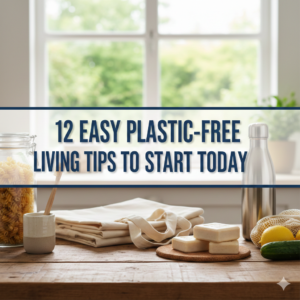
12 Simple Plastic-Free Living Habits For a Cleaner Home
Plastic is everywhere. It’s in your kitchen, your bathroom, your shopping bags and even on your clothes. It is most often used once and discarded. And a massive share of it is never recycled — instead either percolating in landfills or finding its way into the ocean.
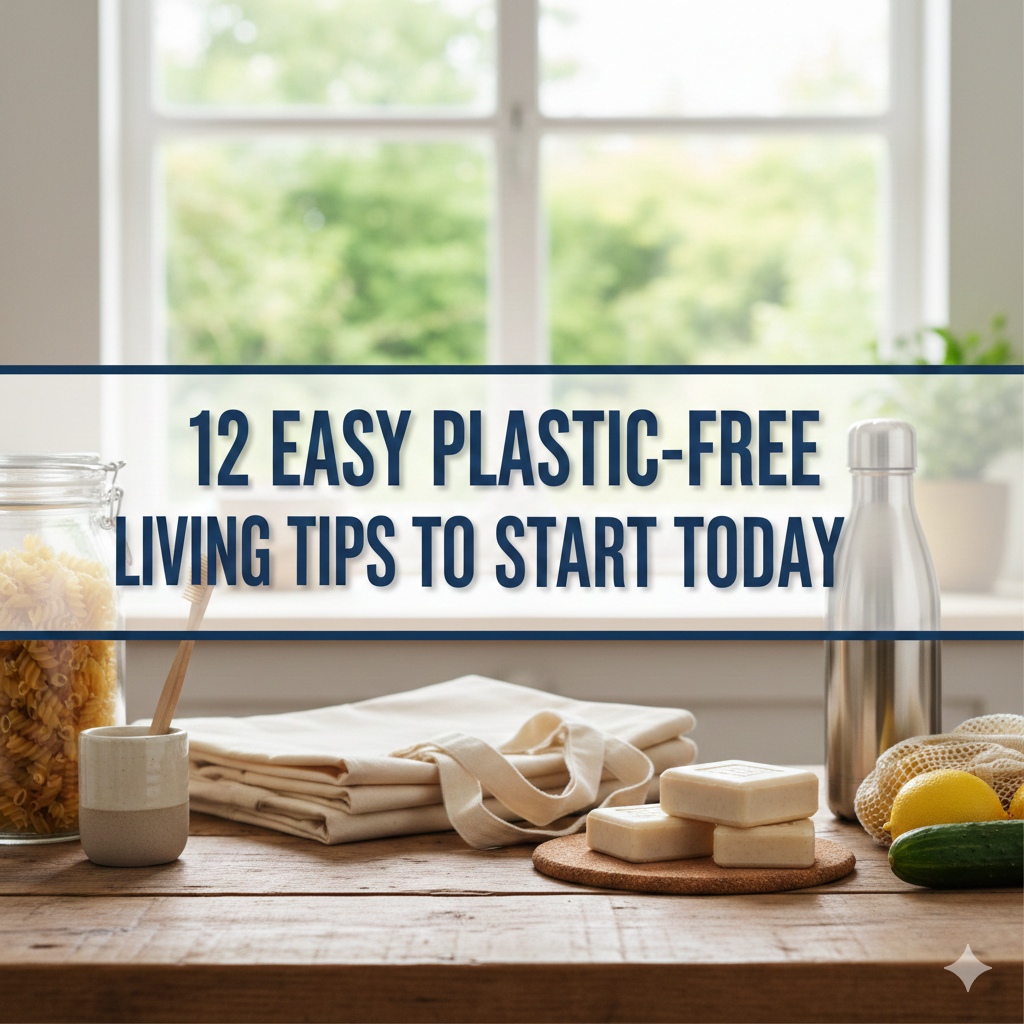
The good news? You don’t have to turn your whole life upside down to make a real change. Little changes, consistently made, pile up quickly. Whether you’re new to a more planet-friendly lifestyle or well on the way, these 12 simple plastic-free living habits will help you build a cleaner, healthier home — without adding the stress.
Why Plastic-Free Living Actually Matters
Before we get into the habits, let’s address why this is something you’ll want to invest some time in.
The world produces more than 400 million tons of plastic every year. Upwards of 90% of all plastic ever produced has never been recycled. The rest? It pollutes the land, water and air — and breaks down into small particles known as microplastics that can be found in food, water and even human blood.
Plastic-free living isn’t about being perfect. It’s about being intentional. Every habit you build erodes the issue — and it begins right in your own home.
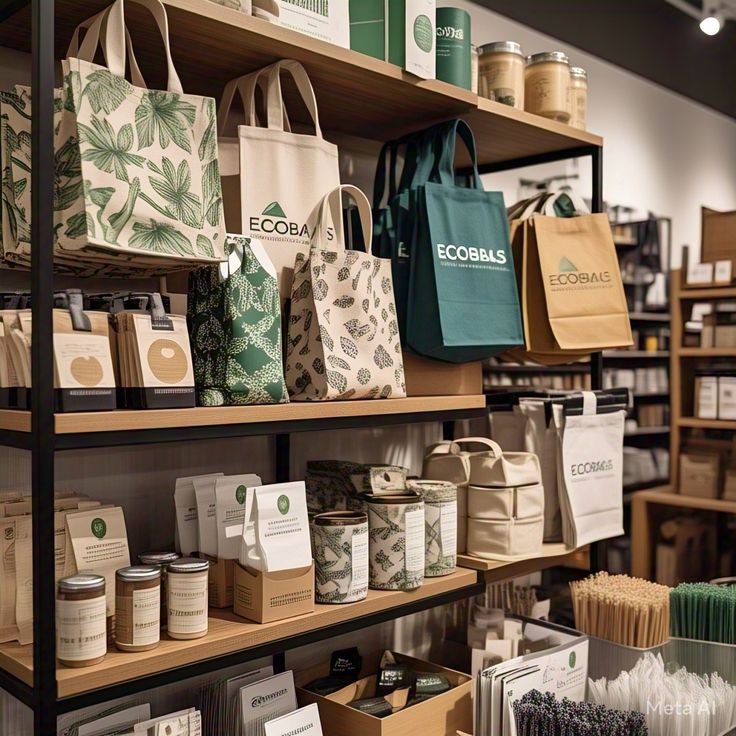
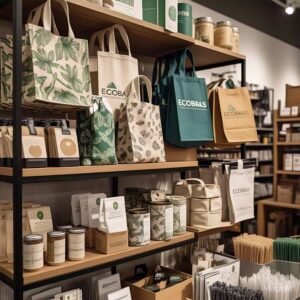
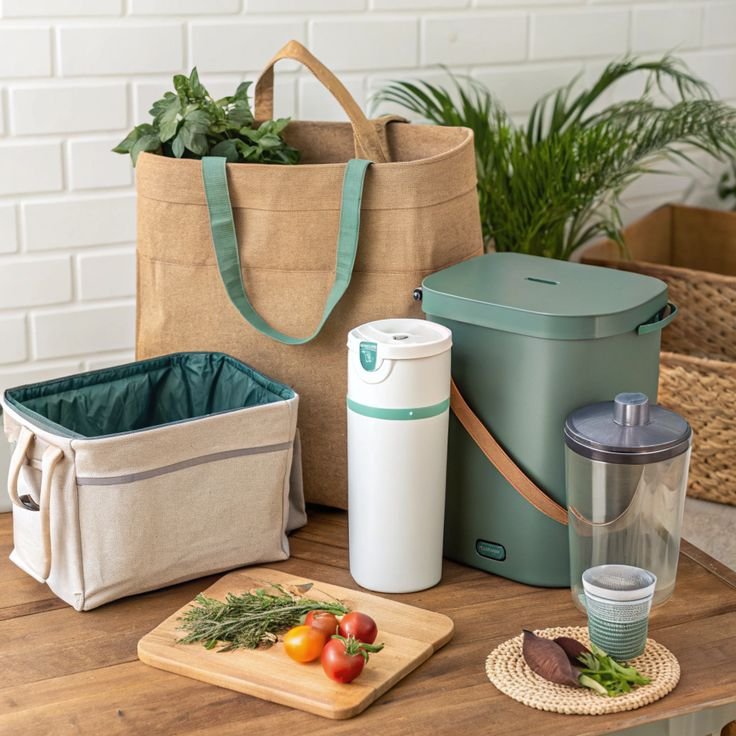
Habit 1: Use Reusable Shopping Bags Instead of Plastic Bags in the Store
This is one of the simplest first steps anyone can take.
Plastic shopping bags have a life span of 12 minutes in use, but can last for upward of 1,000 years. If you keep a few in your car, backpack or purse, you’ll always have one at the ready.
Best options to try:
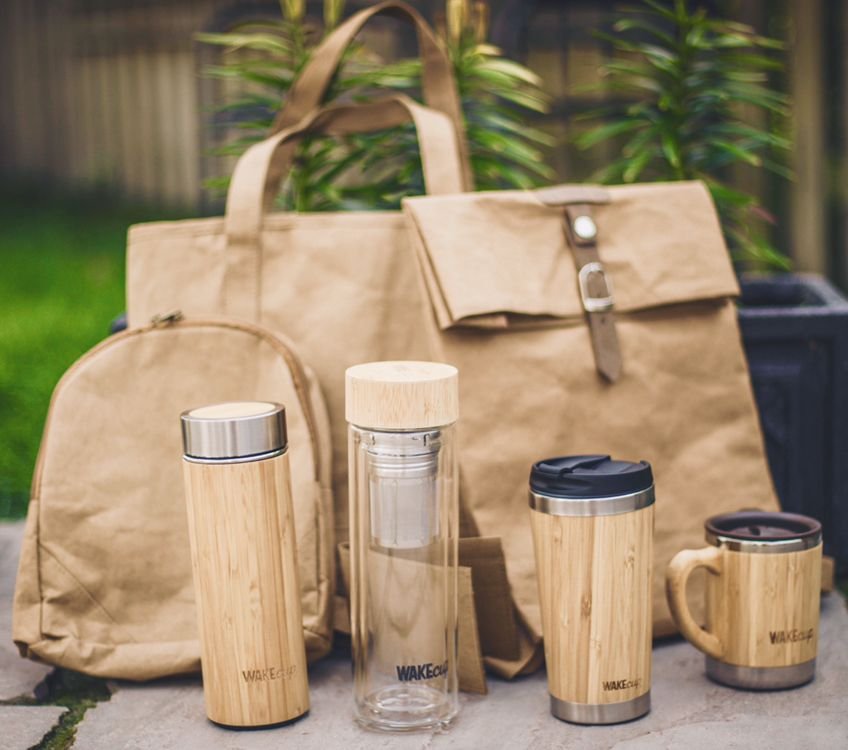
- Cotton tote bags
- Jute or burlap bags
- Pocket bags made of folding nylon
Hang them next to the front door of your house so you never forget. It takes about three weeks to form a habit — so let it stick.
Habit 2: Say Goodbye to Plastic Water Bottles
Single-use plastic water bottles are a leading plastic polluter worldwide. Just Americans toss out some 50 billion plastic water bottles annually.
The solution is easy: Spend a little for a quality reusable water bottle.
Stainless steel or glass bottles are the best options. They don’t leach chemicals, they last forever and the cost savings just to you are enormous.
Quick comparison:
| Bottle Type | Cost | Lifespan | Plastic-Free? |
|---|---|---|---|
| Plastic (one-time use) | $1–2 each | Single use | No |
| Stainless Steel | $20–35 | 10+ years | Yes |
| Glass | $15–25 | 5–10 years | Yes |
| BPA-free Plastic | $10–15 | 2–3 years | Partially |
Carry your bottle everywhere. Fill it up at a water station, in restaurants or at home. It happens to be one of the quickest ways to dramatically cut your plastic use.
Habit 3: Re-imagine Food Storage
With most of us, our kitchens contain plastic wrap and plastic zip bags and all kinds of plastic containers. These are easy to replace.
Better Swaps for Food Storage
Beeswax wraps can offer an environmentally sound alternative to plastic cling wrap. They’re washable, reusable and can be composted when they reach the end of their natural life.
Glass containers with lids are great for leftovers, meal prep and dry goods storage. They don’t discolor, and they don’t take on odors; they’re also microwave-safe.
Silicone bags operate much like zip-lock bags, yet they can be washed and reused hundreds of times.
Begin with the smallest changes as your old items wear out. You don’t have to throw it all away at once — that, too, would be wasteful.
Habit 4: Buy in Bulk to Limit Packaging
Supermarket shelves are awash in plastic packaging. One of the savviest ways to fight back is by buying in bulk.
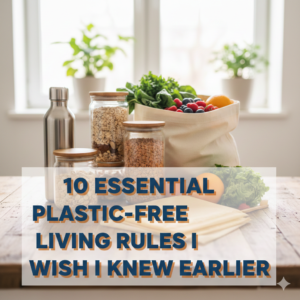
Many stores now have bulk sections where you can fill your own containers with grains, nuts and seeds, flour or spice mixes, and much more. Bring your own glass jars or cloth bags, weigh them at the register and you’re done.
Benefits of buying in bulk:
- Less plastic packaging overall
- Often cheaper per unit
- Prevents food waste — you only buy what you need
- Encourages mindful shopping
If bulk buying isn’t available in your area, opt for products that come in glass, cardboard or paper packaging rather than plastic.
Habit 5: Unplug in the Bathroom
Plastic can be so pervasive in the bathroom that we sometimes don’t even realize it. Shampoo bottles, conditioner, body wash, toothbrushes, razors — and more.
Simple Bathroom Plastic Swaps
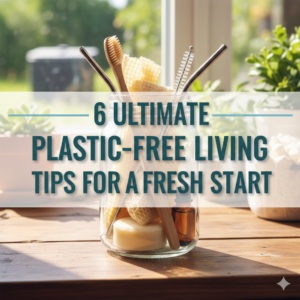
Shampoo and conditioner bars are just as effective as bottled ones, but last longer. A single bar can take the place of two or three plastic bottles.
Bamboo toothbrushes are also compostable and they function pretty much the same way as a regular one. In the U.S., more than a billion plastic toothbrushes are discarded in landfills each year.
Safety razors with metal blades don’t require a disposable plastic handle. They’re a little bit of an investment up front, but they’ll last you forever.
Toothpaste tablets or powder are delivered in glass or metal containers and are just as effective as regular toothpaste.
Consider just replacing a single bathroom item every month. Your bathroom will look completely different within a year — and your trash can will be so much lighter.
Habit 6: Take Your Own Cutlery and Straws
Consider how many plastic forks, spoons and straws are used once and thrown away every day. In the United States, 500 million straws are used and thrown away every single day.
Keep a small cutlery kit in your bag or car. You can purchase a compact set that includes a fork, knife, spoon and straw — all in one lightweight pouch.
Best reusable straw materials:
- Stainless steel (strong, easy to clean)
- Bamboo (natural, compostable)
- Glass (sleek, but fragile)
- Silicone (flexible, good for kids)
Say “no straw, please” ahead of time while you’re at a restaurant or coffee shop, before they hand one to you. An ounce of prevention is worth a pound of cure.
Habit 7: Opt for Cleaning Products Free of Plastic Containers
Single-use plastic bottles are the containers of choice for most cleaning products. But the cleaning industry has been evolving rapidly.
Cleaning Swaps That Work
Concentrated cleaning tablets dissolve in water and arrive in compostable packaging. Brands like Blueland and Dropps have made it easy.
Bar soap for dishes is a low-waste alternative to liquid dish soap in plastic containers. It lasts for ages and cleans just as well.
Cleaning cloths and rags replace paper towels, which often come wrapped in plastic. Cut up old t-shirts or towels into squares for the job.
White vinegar and baking soda can tackle all sorts of cleaning jobs — from opening clogged drains to scrubbing grout — with nothing coming in a plastic container.
Habit 8: Shop Secondhand When Possible
Fast fashion and cut-rate merchandise arrive wrapped in plastic — bags, tags, ties, hangers, packaging. Shopping secondhand circumvents most of that waste.
Thrift stores, consignment shops and online platforms like ThredUp, Poshmark or Facebook Marketplace are good sources for clothing, furniture, toys and electronics with little to no new plastic packaging.
Secondhand shopping also saves money. It’s a win in many respects.
When you do need to buy new, look for:
- Products with minimal packaging
- Brands that use recycled or compostable materials
- Items packaged in glass, metal or cardboard
Habit 9: Grow Some of Your Own Food
That may seem like a lot, but even the tiniest herb garden on your windowsill can help shrink your plastic footprint.
Fresh herbs at the grocery store are often packaged in single-use plastic clamshell containers. Once you start growing your own basil, fresh mint, parsley or cilantro, you will never have to buy those again.
If you have outdoor space, planting a vegetable garden can provide tomatoes, lettuce, peppers and more — with no plastic wrapping at all.
No outdoor space? No problem. You can also grow in containers on balconies and patios. Vertical gardens work well indoors. Even one or two plants can add up — and they’re a joy to grow.
Habit 10: Say No to Plastic Produce Bags
The thin plastic bags used for produce in grocery stores are pretty much not needed. The vast majority of fruits and vegetables do not require a bag at all.
If you must have a bag, try reusable mesh produce bags. They weigh next to nothing, toss in the wash and are see-through so cashiers can scan everything easily.
A set of five or six mesh bags will cover everything from apples and grapes to broccoli and green beans.
Pro tip: Keep those bags near where you store your reusable shopping bags, so you head to the store with all of them in hand.
Habit 11: Reimagine How You Handle Trash
Even if you’re trying to minimize the use of plastic, waste still has to be managed. The majority of garbage can liners are plastic.
Smarter Trash Habits
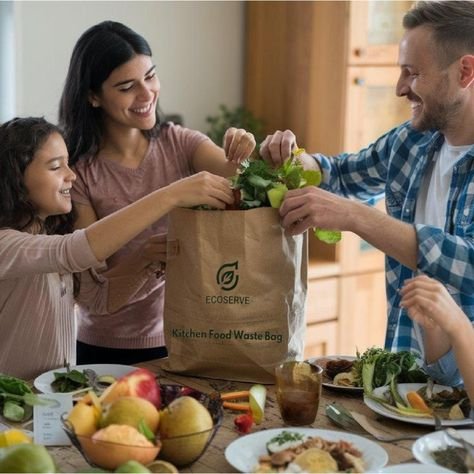
Compost your food scraps. A huge amount of what people throw in the trash is food waste. Begin a compost bin in your yard, or use a countertop compost collector. Less trash also means smaller bags — and less plastic overall.
Use biodegradable trash bags. They are not perfect, but they’re better than standard plastic. Opt for bags made of cornstarch or similarly plant-based materials.
Reduce what you throw away. The ultimate mission isn’t just swapping materials — it’s preventing as much waste as possible in the first place.
Habit 12: Spread the Word and Motivate Others
This could be the most powerful habit of all.
People notice when changes happen in your home. Friends, family and colleagues all get curious. That’s your opportunity to pass on what you’ve learned — in a non-preachy, non-overwhelming way.
You don’t need to lecture anyone. Just talk about what’s working for you. Share a product you love. Take your reusable bag to a family event. Volunteer to bring a zero-waste dish to a potluck.
Change spreads through community. One person converting to a bamboo toothbrush is nice. Ten people doing it is better. A whole neighborhood doing it begins to equal something real.
For more tips, swaps and inspiration to help you get started and stay consistent, Plastic Free Living is a great resource worth bookmarking.
A Quick Look at the Full List
| Habit | What You’re Replacing | Best Alternative |
|---|---|---|
| Reusable shopping bags | Plastic grocery bags | Cotton totes, nylon fold-ups |
| Reusable water bottle | Disposable plastic bottles | Stainless steel, glass |
| Better food storage | Cling film, zip bags | Beeswax wraps, glass containers |
| Bulk buying | Packaged food goods | Bulk bins with your own jars |
| Bathroom swaps | Plastic bottles and razors | Bars, bamboo, safety razors |
| Reusable cutlery | Disposable forks and straws | Steel, bamboo, silicone |
| Plastic-free cleaning | Plastic cleaner bottles | Tablets, bars, DIY solutions |
| Secondhand shopping | New plastic-packaged goods | Thrift stores, online platforms |
| Home gardening | Plastic-wrapped produce | Grow your own herbs and veggies |
| Mesh produce bags | Single-use plastic bags | Washable, reusable mesh bags |
| Smarter trash habits | Standard plastic garbage bags | Compost + biodegradable bags |
| Inspire others | Individual effort only | Community, sharing, leading by example |
How Long Does It Take to Break Free From Plastic?
Let’s be real: Living 100% plastic-free is pretty close to unattainable in today’s world. But that’s not the goal.
The point is progress, not perfection.
For the most part, people who commit to plastic-free living habits say that within three to six months they’ve replaced many of the largest plastic offenders in their homes. Within 12 months, it feels completely normal — and you end up saving money and stress as well.
Begin with two or three habits that fit you most comfortably. Build from there. Don’t be hard on yourself over what you can’t change right now.
FAQs About Plastic-Free Living
Q: Is plastic-free living expensive? It can come with some upfront costs — like a reusable bottle and glass containers. But in the long run, most people save. You no longer have to buy bottles of water, disposable bags or single-use products all the time.
Q: What is one of the easier plastic-free swaps to begin with? Reusable bags and a reusable water bottle are the simplest starting places. They’re inexpensive, easy to use and provide instant results.
Q: Can I recycle my way out of the plastic problem? Recycling is useful, but it’s not the entire answer. Only a small fraction — less than 10% — of plastic is actually recycled. The most effective options are to reduce and refuse plastic in the first place.
Q: Are biodegradable plastics really any better? It depends. Many so-called “biodegradable” plastics only degrade under very precise industrial conditions. They would not be any better in a regular landfill. But it’s still preferable to use less plastic overall.
Q: What if I don’t have access to package-free stores or bulk bins? Concentrate on what is in your control. Shop at farmers markets. If you can, stick to glass or cardboard packaging and just buy less. Small steps still count.
Q: Is it possible to live plastic-free with kids? Absolutely. In fact, children often enjoy participating — selecting reusable snack bags, assisting in composting or even picking out a bamboo toothbrush. It also imparts values that endure.
Q: What about plastic packaging I can’t avoid? There’s some plastic we can’t help at the moment. Do your best and try to reuse or repurpose packaging wherever possible before you throw it out. Every bit of effort counts.
It’s One Small Step to a Cleaner Home
Going plastic-free in daily living does not necessarily require a complete remake of your life. It simply needs some intention — and a desire to operate ever so slightly outside the way you normally do.
Pick one habit this week. Perhaps it’s remembering a reusable bag before your next grocery trip. Perhaps it’s making your current toothbrush your last, and replacing it with a bamboo one. It could be something as simple as setting up a small compost bin for your kitchen.
Regardless of what you decide, you’re heading in the right direction. Your home gets cleaner. Your carbon footprint gets even smaller. And before long, you don’t notice plastic-free living so much — you realize it’s just how you live.