11 Smart Shopping Plastic-Free Living Habits That Saved Me Money
Plastic-free living often gets framed as a moral choice, an environmental stance, or a lifestyle trend. What surprised me most was this: it became one of the most practical financial decisions I’ve ever made.
When I first started reducing plastic, I assumed I’d spend more. Stainless steel containers, glass jars, bulk foods — it all looked “premium.” But within a year, my grocery bills dropped, my impulse purchases declined, and my home felt less cluttered. Living with less plastic didn’t just shrink my trash. It shrank my expenses.
This article walks through the 11 smart shopping habits that helped me move toward plastic-free living — and save money along the way. You’ll also find breakdown tables, cost comparisons, and spending summaries so this isn’t just theory, but practical insight you can apply.
The Financial Reality of Plastic Convenience
Before we dive into the habits, it’s worth acknowledging something uncomfortable:
Plastic is often marketed as cheap — but the lifestyle built around it isn’t.
Single-use packaging encourages:
- Small, frequent purchases
- Brand loyalty to processed goods
- Impulse buying
- Higher per-unit pricing
- Hidden waste costs
When I started tracking my spending, I noticed something striking:
Monthly Spending Before vs. After Reducing Plastic
| Category | Before Plastic-Free Shift | After 12 Months | Monthly Savings |
|---|---|---|---|
| Groceries | $620 | $480 | $140 |
| Household Supplies | $85 | $55 | $30 |
| Personal Care | $110 | $70 | $40 |
| Takeout/Coffee | $210 | $120 | $90 |
| Total Monthly Savings | — | — | $300 |
That’s $3,600 per year.
And I didn’t feel deprived.
Habit 1: Buying in Bulk (The Right Way)
The first shift I made was shopping at bulk sections. Not for everything — but strategically.
Bulk shopping works financially when:
- You compare per-unit prices.
- You only buy what you’ll use.
- You avoid “novelty” bulk splurges.
Price Comparison: Packaged vs. Bulk Staples
| Item | Packaged Price (per lb) | Bulk Price (per lb) | Annual Savings (avg household) |
|---|---|---|---|
| Rice | $2.20 | $1.45 | $58 |
| Oats | $3.10 | $2.00 | $52 |
| Lentils | $2.90 | $1.80 | $44 |
| Flour | $1.80 | $1.10 | $38 |
Buying bulk meant fewer plastic bags and less brand markup. I also stopped paying for advertising and packaging.
Unexpected bonus: I began meal planning around ingredients instead of packaged meals.
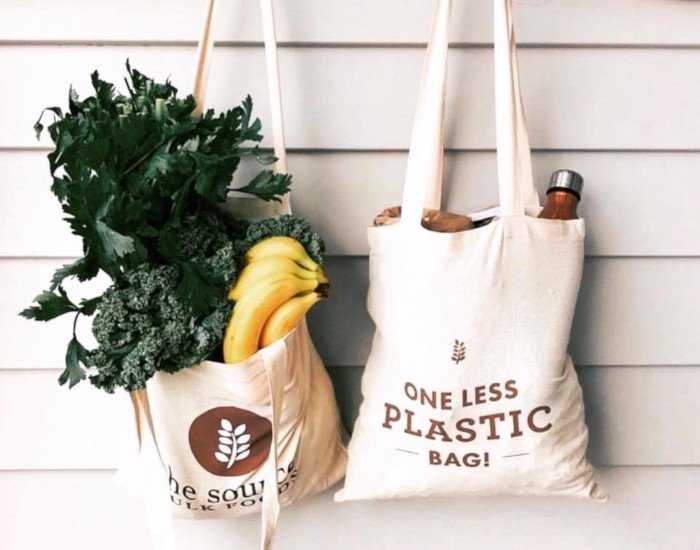
Habit 2: Carrying Reusable Bags (And Actually Using Them)
Reusable bags don’t save money on their own — but they change behavior.
When I brought cloth bags:
- I bought less.
- I avoided overfilling carts.
- I skipped impulse checkout items.
Some stores also offered small discounts per bag.
Habit 3: Choosing Whole Foods Over Processed Plastic-Wrapped Items
This was one of the biggest savings areas.
Plastic-heavy foods are often:
- Individually wrapped
- Portion-controlled
- Marked up for convenience
Example swap:
- Pre-packaged snack packs → homemade trail mix
- Bottled smoothies → blended fruit at home
- Individually wrapped yogurt → large tub
Cost Breakdown Example
| Product | Packaged Version | DIY / Whole Version | Monthly Savings |
|---|---|---|---|
| Snack Packs | $18 | $7 | $11 |
| Bottled Smoothies | $45 | $12 | $33 |
| Yogurt Cups | $22 | $11 | $11 |
Total: $55 per month saved from just three swaps.
And waste? Nearly eliminated.
Habit 4: Switching to Bar Soap and Solid Products
Liquid soap is mostly water in a plastic bottle.
Bar soap lasts longer, costs less per ounce, and removes packaging waste.
Liquid vs. Bar Soap Cost Comparison
| Product Type | Avg Cost | Uses Per Unit | Cost Per Use |
|---|---|---|---|
| Liquid Soap | $4.50 | 80 | $0.056 |
| Bar Soap | $2.00 | 120 | $0.016 |
That’s nearly 3x cheaper per wash.
The same applies to:
- Shampoo bars
- Dish soap bars
- Solid conditioner
Habit 5: Using Refillable Cleaning Solutions
Instead of buying multiple plastic bottles of cleaners, I now use:
- Vinegar
- Baking soda
- Concentrated refills
These ingredients are cheap and versatile.
Household Cleaner Spending Before vs. After
| Item | Before | After |
|---|---|---|
| Glass Cleaner | $4/month | $1 |
| Surface Spray | $5/month | $1.50 |
| Bathroom Cleaner | $6/month | $1.50 |
| Total | $15 | $4 |
Annual savings: $132.
And no plastic spray bottles stacking under the sink.
Habit 6: Bringing My Own Water Bottle and Coffee Cup
Bottled drinks are one of the biggest plastic expenses hiding in plain sight.
Daily Habit Cost Breakdown
| Habit | Cost Per Day | Monthly Cost |
|---|---|---|
| Bottled Water | $2 | $60 |
| Coffee Shop | $4 | $120 |
| Home Brew & Refill | $0.75 | $22 |
Savings: ~$158 per month.
Even if you still buy coffee occasionally, cutting it in half makes a difference.
Habit 7: Repairing Instead of Replacing
Plastic-heavy culture encourages replacement.
Broken storage container? Toss it.
Cracked bin? Replace it.
Cheap appliance? Upgrade it.
Instead, I started:
- Repairing lids
- Using glass containers
- Fixing small appliances
Replacement vs. Repair Costs
| Item | Replace Cost | Repair Cost |
|---|---|---|
| Blender | $60 | $15 part |
| Storage Set | $35 | $0 (swapped lids) |
| Laundry Basket | $25 | $5 epoxy fix |
Plastic-free living encouraged durability.
Durability saves money.
Habit 8: Buying Secondhand
Plastic-free and secondhand go hand in hand.
Thrifted items mean:
- No new packaging
- Lower cost
- Higher quality (often older materials)
Clothing Spending Comparison
| Year | Before | After |
|---|---|---|
| Annual Clothing Budget | $1,200 | $550 |
Buying fewer, better pieces reduced waste and overspending.
Habit 9: Meal Planning to Avoid Plastic-Wrapped Convenience Foods
Meal planning eliminated:
- Emergency takeout
- Frozen packaged meals
- Plastic-heavy ready foods
Takeout Spending Change
| Month | Before | After |
|---|---|---|
| Average | $210 | $120 |
That’s $1,080 saved annually.
Plastic-free habits forced intentional eating — and that saved money.
Habit 10: Avoiding Trendy “Eco” Products
Ironically, the most expensive phase of plastic-free living is the beginner stage.
It’s easy to overspend on:
- Bamboo cutlery sets
- Stainless steel straws
- Designer zero-waste kits
I learned to:
- Use what I had.
- Replace items only when necessary.
- Avoid aesthetic-driven purchases.
Starter Cost vs. Gradual Swap
| Approach | First-Year Cost |
|---|---|
| Buying Full Eco Kit | $450 |
| Gradual Replacement | $120 |
Slow change = smart spending.
Habit 11: Tracking Waste and Spending Together
The most powerful habit wasn’t a product — it was awareness.
I began tracking:
- Grocery spending
- Plastic waste volume
- Impulse purchases
Here’s how it looked:
6-Month Trend Snapshot
Plastic Waste (Bags per Week)
Month 1:   (12)
Month 3:   (7)
Month 6:   (4)
At the same time:
Monthly Grocery Bill
Month 1: $620
Month 3: $540
Month 6: $480
As waste declined, so did expenses.
That correlation motivated me more than any environmental statistic ever could.
Where the Real Savings Come From
Plastic-free living saves money because it:
- Reduces convenience spending
- Encourages bulk purchases
- Promotes cooking at home
- Rewards durability
- Decreases impulse buying
- Eliminates overpackaged goods
It shifts your mindset from consumption to intention.
Total Annual Savings Overview
| Category | Estimated Annual Savings |
|---|---|
| Groceries | $1,680 |
| Takeout | $1,080 |
| Household Supplies | $360 |
| Personal Care | $480 |
| Bottled Drinks | $1,200 |
| Total Estimated Savings | $4,800 |
Even cutting this estimate in half still makes plastic-free living financially meaningful.
The Psychological Shift That Changed Everything
Reducing plastic changed how I think about money.
I began asking:
- Do I need this?
- Is there a reusable version?
- Am I paying for packaging?
- Is convenience costing me long-term?
Plastic-free living isn’t about perfection.
It’s about patterns.
When you change the pattern, the savings follow.
Common Challenges (And How I Managed Them)
“It’s More Expensive Upfront.”
Yes — sometimes.
Solution:
- Spread purchases over months.
- Replace items only when old ones wear out.
- Avoid buying trendy starter kits.
“Bulk Stores Aren’t Nearby.”
You can:
- Buy larger family-size items with less packaging.
- Share bulk purchases with friends.
- Choose cardboard over plastic when possible.
“It Takes More Time.”
Yes — slightly.
But less shopping frequency and better planning eventually saves time too.
The Long-Term Financial Compounding Effect
Saving $300 per month doesn’t just reduce spending.
If invested modestly at 6% annually:
- $300/month = $3,600/year
- 10 years = ~$47,000+
- 20 years = ~$139,000+
All from smarter shopping and less plastic.
Final Thoughts
Plastic-free living didn’t turn me into a minimalist overnight.
It didn’t make me zero-waste.
It didn’t eliminate all plastic from my life.
But it did:
- Cut thousands from my annual expenses.
- Reduce clutter in my home.
- Increase intentional decision-making.
- Align my spending with my values.
The biggest realization?
Plastic convenience was quietly draining my wallet.
Once I saw it clearly, I couldn’t unsee it.
And that awareness paid for itself.
Frequently Asked Questions (FAQs)
1. Is plastic-free living always cheaper?
Not automatically. If you rush out and replace everything at once, it can be expensive. The key is gradual replacement and mindful buying. Over time, reusable and bulk options usually cost less per use.
2. How long does it take to see savings?
Most people notice small grocery savings within 1–2 months. Larger savings from habits like reducing takeout or bottled drinks can show up immediately.
3. What’s the biggest money-saving swap?
Cutting bottled drinks and reducing takeout typically provide the fastest and largest financial return.
4. Do reusable products really last longer?
Often, yes. Glass, stainless steel, and solid bars tend to outlast plastic counterparts. Longevity lowers cost per use significantly.
5. Is bulk shopping always better?
Not if food goes to waste. Bulk shopping saves money when you buy realistic quantities and store food properly.
6. Can families with kids save money going plastic-free?
Absolutely. Swapping packaged snacks for homemade options and reducing disposable products can create noticeable savings, especially in larger households.