11 Quick Plastic-Free Living Wins for Your First Month
The prospect of living in a plastic-free way can be daunting. You look around your house and every room is covered in plastic — kitchen, bathroom, bedroom and even the garage. It’s a lot.
But here’s the good news: You don’t have to do it all at once.
The key to creating great change that lasts is beginning small, and stacking up wins. Replace one plastic item at a time, it feels easy. It feels good. And in no time your habits have inverted.
This guide provides 11 quick-and-dirty, real-world plastic-free living wins you can knock out in your very first month. No guilt trips. No expensive overhauls. Simple swaps that really, truly work.
Why Your First Month Is as Important as Your Last
The first 30 days are a critical time for any new habit. Studies on habit formation reveal that early wins drive momentum. When you feel like a success, you keep it up.
Plastic-free living is no different.
If you attempt to change everything all at once, you will run out of steam. But if you plug away, one or two swaps a week, what you discover is something interesting — it begins to feel normal. You cease seeing plastic as the automatic and start spotting alternatives left, right and centre.
That mindset shift? That’s the real win.
| Week | Focus Area | Key Swaps |
|---|---|---|
| Week 1 | Kitchen basics | Bags, wrap, bottles |
| Week 2 | Bathroom essentials | Shampoo, soap, toothbrush |
| Week 3 | Shopping habits | Bags, bulk buying, produce |
| Week 4 | Daily routines | Coffee, cleaning, snacks |
Win #1 — The End of the Single-Use Plastic Bag
This is the no-brainer when it comes to living plastic-free.
The average American goes through about 365 plastic bags a year. The majority of them are used for under 12 minutes before they get thrown away. They choke the oceans, injure wildlife and can take more than 1,000 years to decompose.
The fix? Reusable bags.
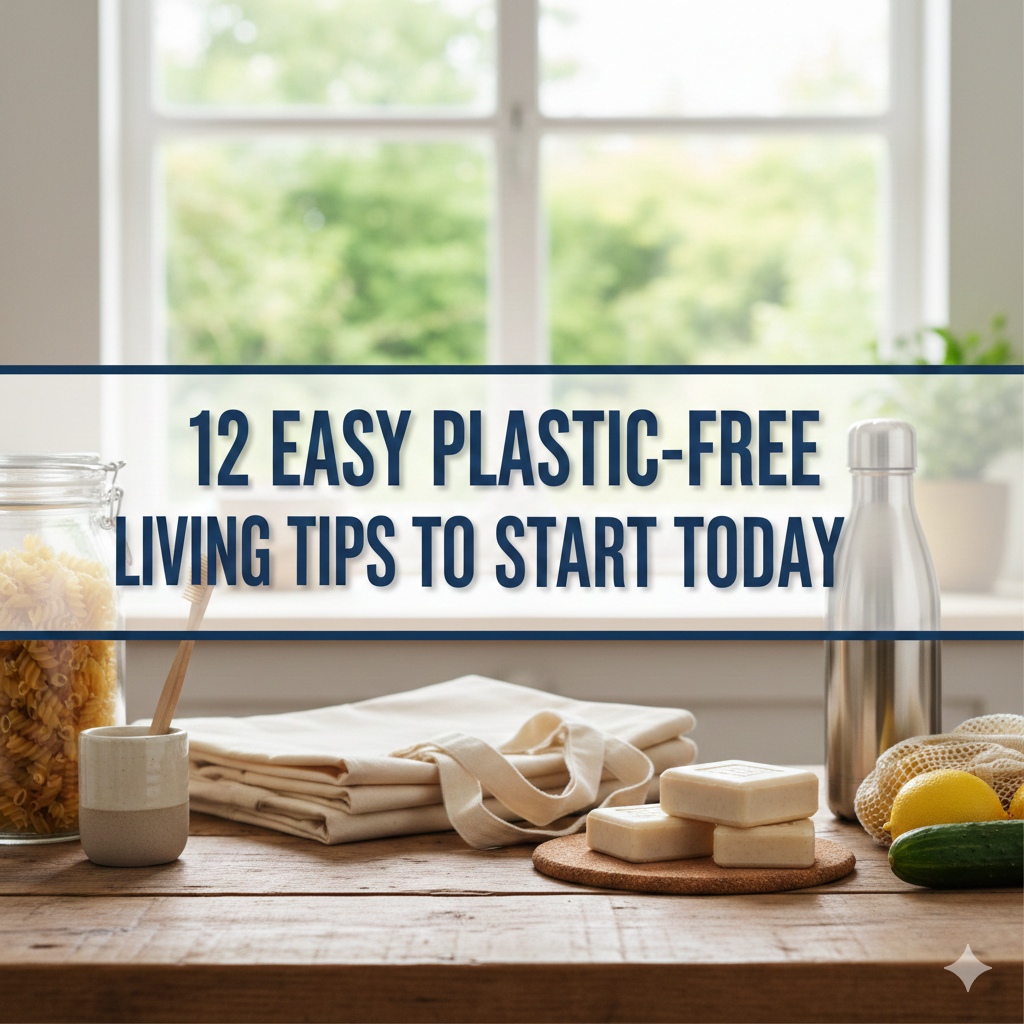
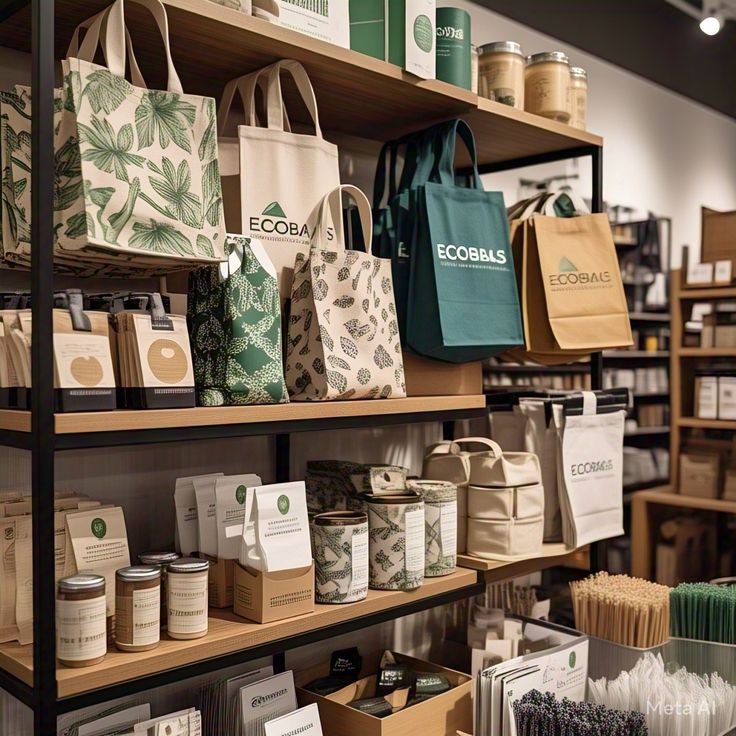
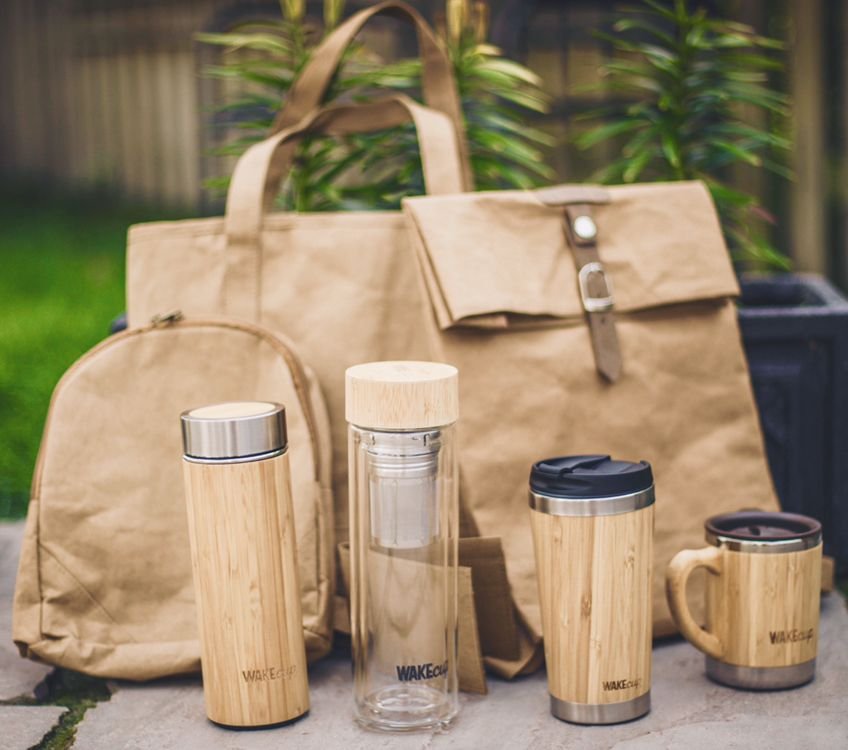
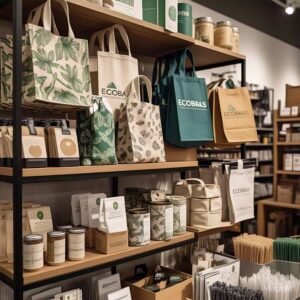
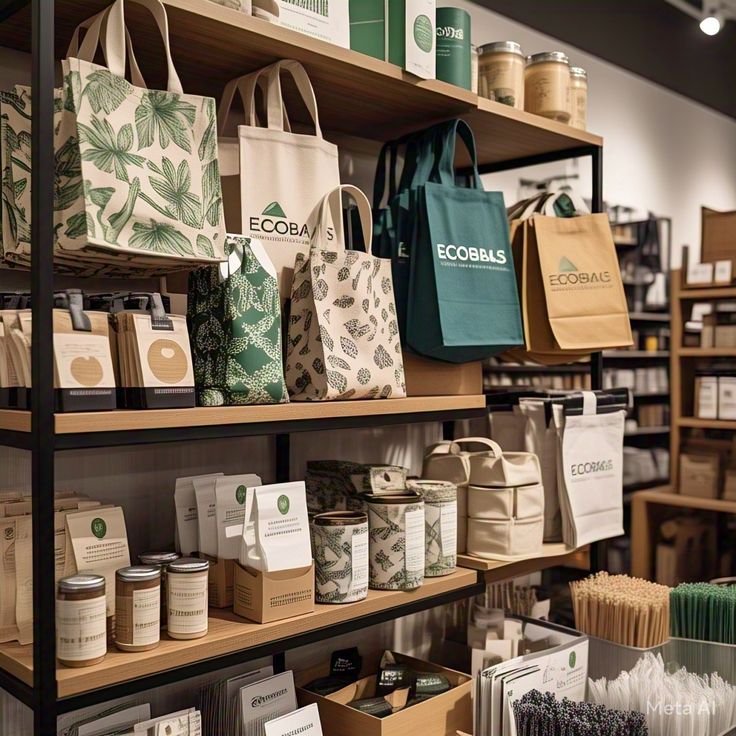
Keep a few cotton or canvas tote bags by your front door, in your car, or clipped to your backpack. The challenge is to make them unforgettable. You’ll never grab a plastic bag again once the habit is established.
What to Buy Instead
- Cotton tote bags — washable, durable, affordable
- Soft mesh produce bags for fruit and vegetables
- A pocket-sized bag that you can whip out when a shopping trip surprises you
Cost to switch: Less than $15 for a beginner’s set.
Win #2 — Trade Out Your Water Bottle
This is the largest single-item plastic fix if you’re still buying bottled water.
Americans purchase roughly 50 billion plastic water bottles each year. Most end up in landfills. Even those that are recycled account for large amounts of energy and water used in the cleaning process.
A quality stainless steel or glass water bottle pays for itself within weeks. A nice one runs $15–$30 and can last for years.
Make sure it’s topped up before you leave the house. Keep it on your desk. Bring it everywhere.
That’s it. One item. Massive impact.
Win #3 — Bye-Bye Plastic Wrap
Plastic cling wrap is one of the sneakiest culprits when it comes to household plastic waste. You use a smidgen of it, tear it off, and throw it directly into the trash.
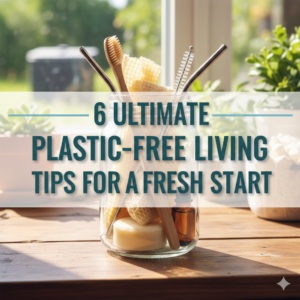
Beeswax wraps are the most popular alternative. They’re constructed of cotton fabric that has been treated with beeswax, tree resin and jojoba oil. They cling to bowls and food just like plastic wrap does — only you can wash and reuse them for up to a year.
For vegans, search for plant-based wax wraps. They work just as well.
Plastic Wrap vs. Beeswax Wrap
| Factor | Plastic Wrap | Beeswax Wrap |
|---|---|---|
| Lifespan | Single use | 12+ months |
| Recyclable | No | Compostable |
| Cost Per Use | Higher over time | Much lower |
| Effectiveness | Good | Very good |
Win #4 — Switch to a Bar Shampoo and Conditioner
Your shower is a veritable gold mine of wasted plastic.
Shampoo bottles, conditioner bottles, body wash — all single-use plastic. Most households blow through dozens of them each year.
Shampoo bars are a game-changer. One bar is approximately equivalent to 2–3 bottles of liquid shampoo. They arrive in recyclable or compostable packaging. They’re ideal for most hair types.
Let your hair settle in for a week or two. Some people go through a brief transition period where their hair doesn’t quite feel right. That is totally normal and passes quickly.
The same is the case with conditioner bars — they’re solid, compact and plastic-free.
Ways to Ensure a Smooth Transition
- Keep your bar somewhere dry to make it last longer
- Search for bars with minimal, whole-food ingredient lists
- Experiment with different brands until you find a suitable product for your hair
Win #5 — Grab a Bamboo Toothbrush
Your plastic toothbrush will outlast you by hundreds of years. Every toothbrush you’ve ever owned is still here on this earth.
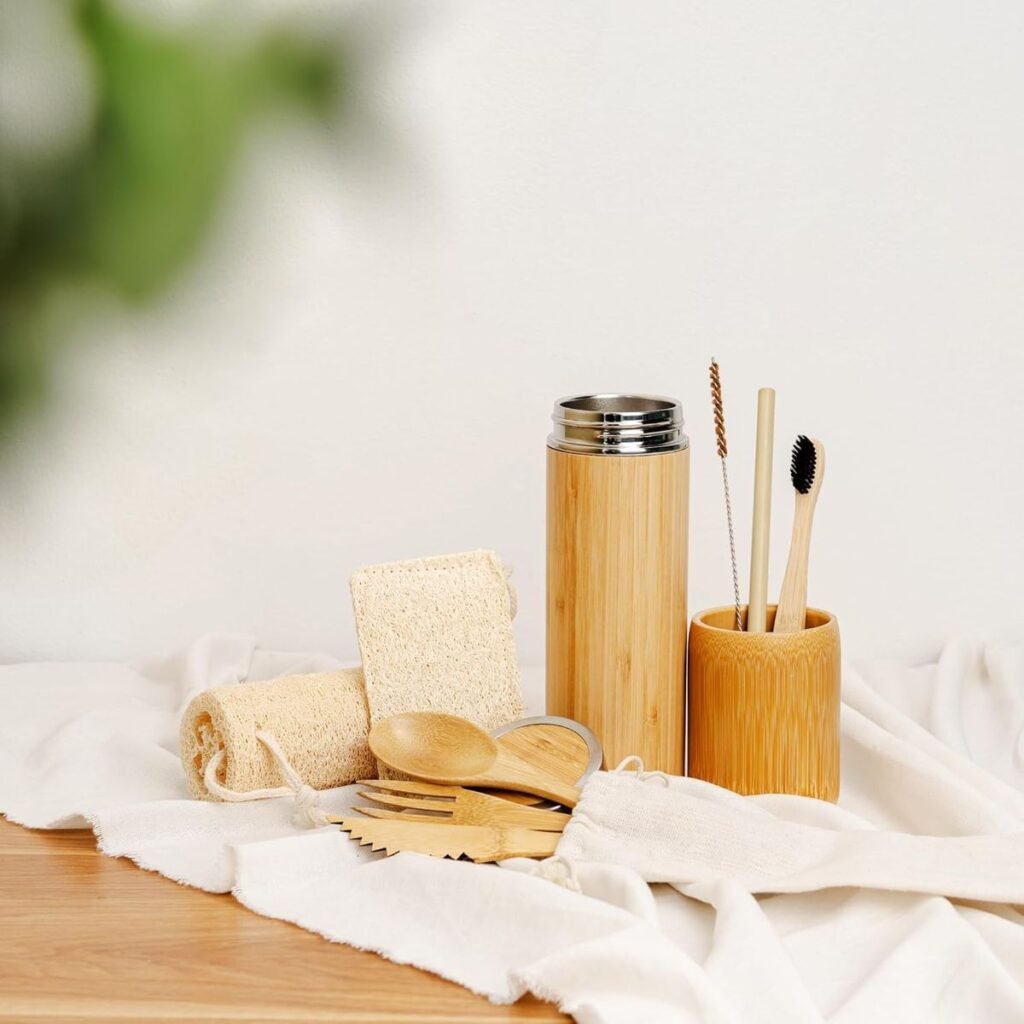
Bamboo toothbrushes fix that problem. The handle is compostable and biodegradable. The bristles are typically nylon — a fully biodegradable alternative is still in progress for the industry — but composting the handle alone makes a big difference.
They operate just like normal toothbrushes. They clean just as well. And they generally cost about the same — often less than $5 a pop.
Switch the whole family over. It’s one of the simplest plastic-free wins there is.
Win #6 — Bring Your Own Coffee Cup
If you hit a coffee shop on your way to school or work, take note.
Disposable coffee cups look mostly like paper, but the thin plastic lining inside is what keeps your drink from soaking through. That lining makes them all but impossible to recycle. Billions of these cups are left in landfills each year.
A reusable coffee cup or travel mug takes care of this right away.
Many coffee shops now give you a discount for bringing your own cup — which means you save money, too, on top of saving plastic. Some also have special programs with discounts of 10–25 cents per visit.
Pick a cup you love. One that you won’t hesitate to take out each and every morning.
Win #7 — The Way You Purchase Produce Needs to Change
The fruits and vegetables in your average grocery store come wrapped in plastic — plastic bags, plastic trays, plastic mesh. It’s everywhere.
Here’s how to shop smarter:
Get to a farmers market whenever possible. Produce there tends not to come with any packaging. You can take your own bag and fill it with fresh food without taking any of it home in plastic.
In regular grocery stores, bypass the pre-packaged kind. Opt for loose fruits and vegetables instead. Place them directly into your reusable mesh bag.
It takes just a minute more. The environmental impact is significant.
Plastic-Heavy Produce Packaging to Avoid
| Item | Typical Packaging | Better Choice |
|---|---|---|
| Salad | Plastic clamshell | Loose lettuce heads |
| Grapes | Plastic bag | Farmers market |
| Mushrooms | Plastic tray | Paper bag or loose |
| Herbs | Plastic sleeve | Grow your own or bulk |
Win #8 — Make the Switch to Soap Bars (Body and Hand)
Liquid hand soap and body wash almost always arrive in plastic bottles. Bar soap does not.
It’s one of the fastest, cheapest switches you can make. Soap bars are usually cheaper than their liquid counterparts and can last just as long, if not longer. It creates zero plastic waste. It’s a no-brainer.
For the bathroom sink, switch liquid hand soap for a bar of basic soap and a wooden or ceramic soap dish. For the shower, a body bar will totally replace your plastic body wash bottle.
Brands Worth Checking Out
You don’t need to go fancy. Even a basic drugstore bar soap feels like an enormous upgrade from its liquid, plastic-bottled counterpart. Search for soaps wrapped in paper or cardboard, rather than plastic film.
Win #9 — Go Bulk for Pantry Staples
Buying from bulk bins in grocery stores or food co-ops is one of the best ways to avoid plastic.
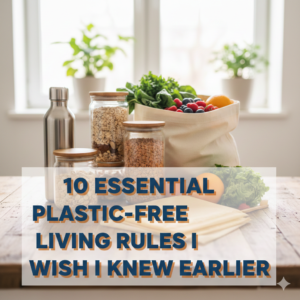
Rice, pasta, oats, nuts, seeds, flour, sugar, spices — you can buy all these things with no packaging at all. Bring your own glass jars or cloth bags, fill them up and pay by weight.
You save money. You save plastic. And often, you get fresher, higher-quality food.
If there aren’t bulk options near you, search for items in glass jars, cardboard boxes or paper bags rather than plastic — any of these options are an improvement over plastic.
For more tips, guides and product ideas to help you every step of the way, check out Plastic Free Living — a dedicated resource for anyone serious about cutting plastic out of their daily life.
Win #10 — Swap One Cleaning Product for a Plastic-Free Version
Cleaning products are one of the worst plastic offenders in a typical home. Spray bottles, jugs of laundry detergent, dishwasher pods in plastic packaging — it’s a lot.
You don’t have to replace it all at once. Just pick one.
Dish soap bars are a great starting point. They sit next to your sink, suds up easily on a dish brush and get the job done. One bar can last months.
Laundry strips are another great choice. They’re little, dissolvable strips of laundry detergent packaged in a tiny cardboard envelope. No plastic jug. No heavy liquid. Just a flat packet that works.
DIY all-purpose cleaner is also, as it happens, surprisingly straightforward. Combine water, white vinegar and a couple of drops of essential oil in a glass spray bottle. It works on most surfaces and costs virtually nothing.
According to National Geographic, over 380 million metric tons of plastic are produced worldwide every year — and a significant chunk of that comes from everyday household products, including cleaning supplies.
Plastic-Free Cleaning Alternatives at a Glance
| Product | Plastic Version | Plastic-Free Version |
|---|---|---|
| Dish soap | Plastic bottle | Dish soap bar |
| Laundry detergent | Plastic jug | Laundry strips |
| All-purpose cleaner | Plastic spray bottle | DIY glass bottle mix |
| Sponge | Synthetic sponge | Loofah or wood fiber cloth |
Win #11 — Say No to Single-Use Plastic Cutlery and Straws
This one is most important when you’re dining out or getting food delivered.
Plastic forks, spoons, knives and straws are hardly ever recycled. They are both too small and too food-contaminated to process. They wind up in the trash — or worse, in the ocean.
The solution is simple: bring your own.
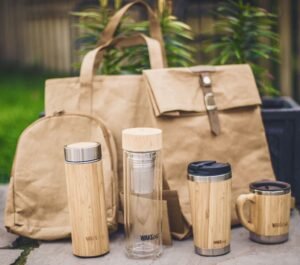
A small set of bamboo cutlery and a stainless steel or bamboo straw can easily be tucked into any bag or backpack. When you order, mention “no cutlery please” or “no straw.” Many restaurants are happy to oblige.
If you order delivery, there’s often a button on the app to skip the plastic cutlery. Use it every time.
How Much Plastic Can You Really Save in One Month?
Let’s attach some numbers to this. If a single person pledged to implement these 11 wins for an entire month, here’s approximately what they could eliminate:
| Swap | Estimated Monthly Plastic Saved |
|---|---|
| Reusable shopping bags | 30+ plastic bags |
| Reusable water bottle | 20–30 plastic bottles |
| No plastic wrap | 10–15 feet of cling film |
| Shampoo/conditioner bar | 1–2 plastic bottles |
| Bar soap | 1 plastic bottle |
| Own coffee cup | 20–22 disposable cups |
| Loose produce | 10–15 bags/trays |
| Bulk food shopping | 4–6 containers/bags |
| Plastic-free cleaning | 1–2 jugs |
| Bamboo cutlery + no straws | 10–20 individual pieces |
That’s far more than 100 pieces of plastic in a single month. From one person. Think about what that adds up to in a year — or when your friends and family start doing the same.
The “Progress Over Perfection” Rule
Here is something important: you are going to slip up. You’ll forget your bag. You’ll pick up a plastic fork from a food court. You will purchase a product you didn’t even know came in plastic.
That’s okay. It’s completely normal.
Plastic-free living is not about perfection. It’s about how many good choices you can make most of the time. Every swap counts. Even if you achieve only half of those wins in your first month, that’s still great work.
Don’t make better the enemy of good.
Your Second Month of Plastic-Free Living
When month one is over, you’re going to be amazed at how different your home already feels — and how natural it all looks. From there, you can dive in further.
Look at your medicine cabinet. Look at your office supplies. Notice how your food is packaged and served.
There are always more swaps to make. But by that time you won’t be making them out of a sense of duty. You will be making them because it just makes sense.
This life becomes a plastic-free lens through which you see the world differently. And once you have seen it, you cannot unsee it.
FAQs About Plastic-Free Living
Q: Is plastic-free living expensive? Not at all. These swaps can actually save you money in the long run. Reusable items cost more upfront but pay off quickly. Bulk food, bar soap and DIY cleaners are all cheaper than their plastic-packaged versions.
Q: Should I throw out all of my plastic stuff right now? You don’t have to. Use what you’ve got until it’s worn out or used up. Then substitute in a plastic-free option. Tossing out usable plastic and replacing it with “green” products is counterproductive.
Q: What if I can’t find these plastic-free items near me? The range of plastic-free options available from online stores has expanded massively over the years. Look out for zero-waste shops or sustainable lifestyle stores. Many offer compostable packaging on deliveries too.
Q: Is being plastic-free identical to being zero-waste? They overlap but aren’t identical. Zero-waste refers to a holistic lifestyle goal that pays attention to all types of waste. Plastic-free specifically targets plastic. Going plastic-free is just a great beginning of your zero-waste journey.
Q: What’s the single most impactful swap I can make? Ridding your daily life of single-use plastic bags and bottles is the most sweeping everyday change. If you do only two things, do those.
Q: How can children get involved in plastic-free living? Absolutely. Children, in particular, tend to get into it. Provide them with a reusable water bottle and bag of their own. Have them choose their bamboo toothbrush color. Make it a family project.
Q: Are things made of bamboo really better than plastic? In general, yes — particularly for things that are going to get short use and be thrown away. Bamboo is sustainable, grows quickly and is biodegradable. But not all bamboo products are created equal. Opt for certified, sustainably harvested bamboo.
Wrapping It All Up
You don’t have to make a major lifestyle overhaul in order to live plastic-free. It starts with one bag. One bottle. One bar of shampoo.
The 11 wins in this guide provide you with a ready-made roadmap for your first month. They’re easy, inexpensive and actually work, every time. Together, they can take hundreds of pieces of plastic out of your life each month.
Start today. Start small. And remember: every bit counts.
Your first month of plastic-free living is just the start of an epic journey.