Introduction
I’ve always considered myself an environmentally conscious person. You know, the type who recycles diligently, turns off lights when leaving a room, and feels a pang of guilt every time I see a plastic bag tumbling down the street like a modern-day tumbleweed. But a few years ago, I decided to take it a step further and commit to a plastic-free lifestyle. It sounded noble, almost romantic—like I’d be saving the planet one reusable straw at a time. Boy, was I wrong about how easy it would be. The journey has been filled with mishaps, frustrations, and a fair share of eye-opening moments. I’ve stubbed my toe on the realities of our plastic-saturated world more times than I can count.
What started as a New Year’s resolution quickly turned into a crash course in humility. I thought ditching plastic would be as simple as swapping out a few items in my shopping cart, but it infiltrated every corner of my life. From the bathroom to the kitchen, from work to weekends, plastic was everywhere, lurking like an uninvited guest who just won’t leave. Over time, I’ve gathered a collection of lessons—ten, to be precise—that I learned through trial and error, spilled coffee, and more than one awkward conversation with store clerks. These aren’t polished tips from a glossy magazine; they’re the gritty truths I discovered the hard way.
In sharing these, I hope to spare you some of the headaches I endured. Plastic-free living isn’t about perfection; it’s about progress, persistence, and sometimes laughing at your own failures. So, grab a cup of tea (in a ceramic mug, of course), and let’s dive into the lessons that reshaped how I navigate a world drowning in plastic.
Lesson 1: Reusable Bags Aren’t Magic—You Have to Remember Them
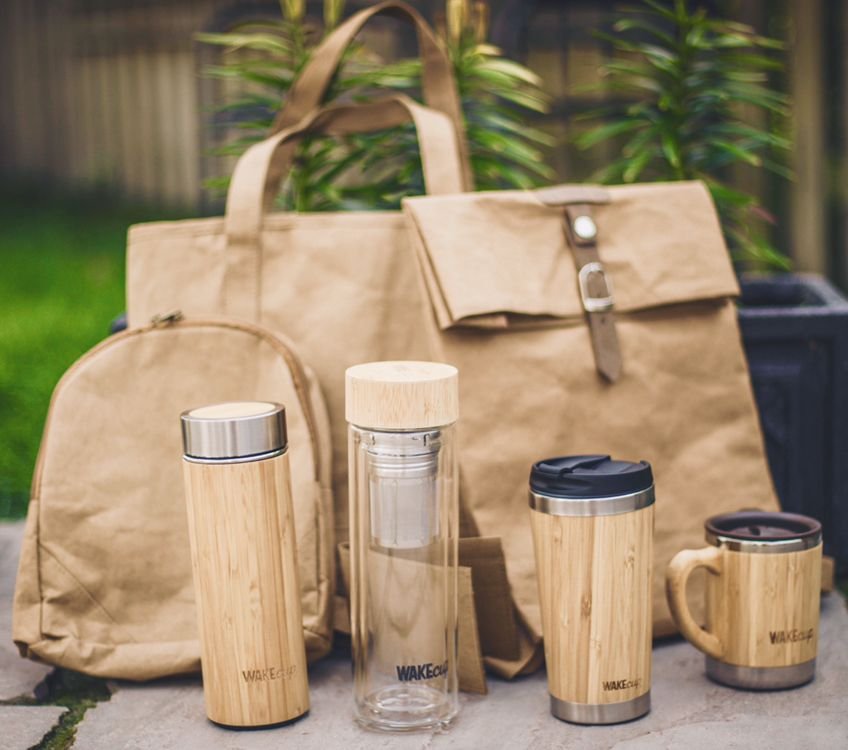
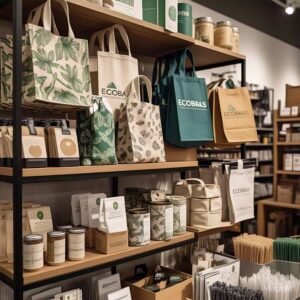
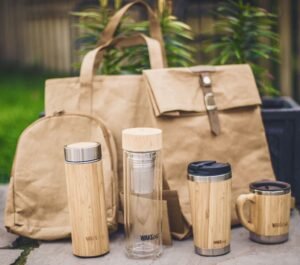
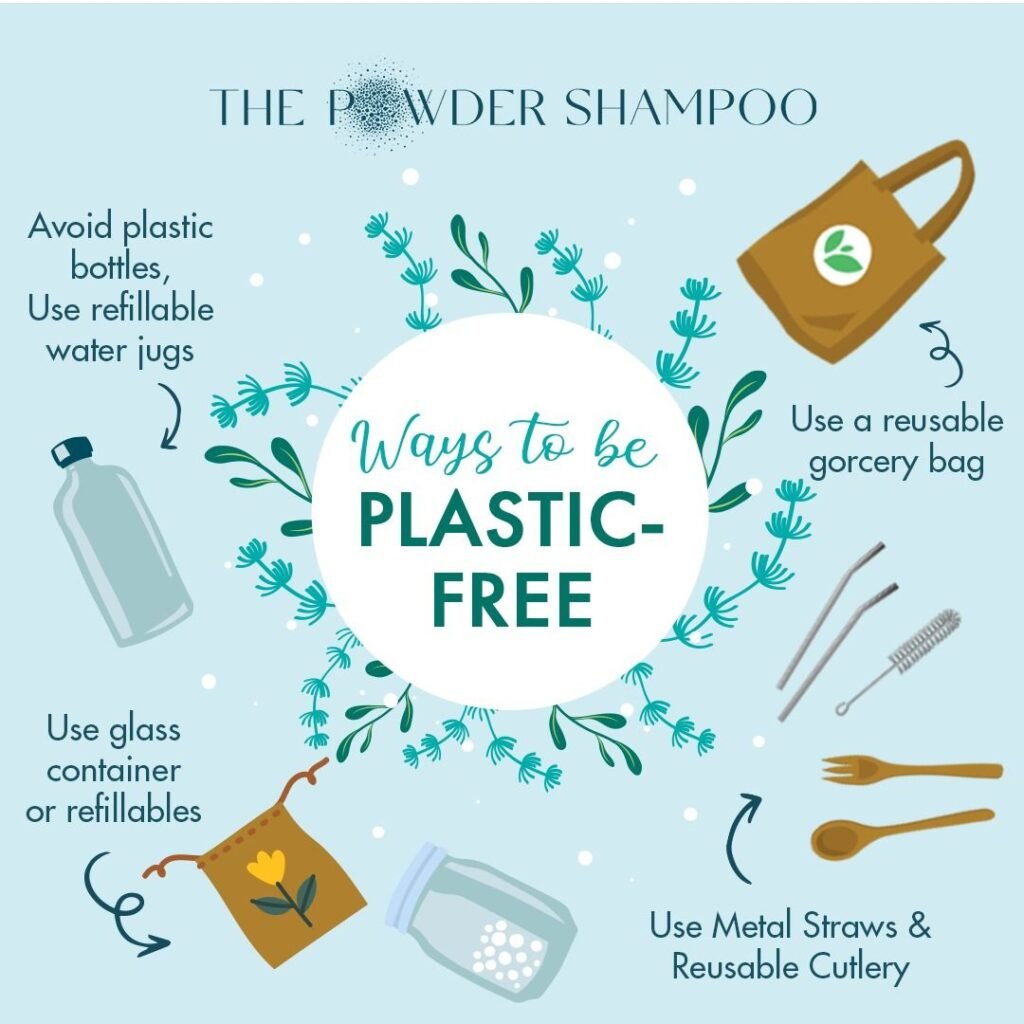
My first foray into plastic-free living began with something seemingly straightforward: ditching plastic shopping bags. I’d seen the memes about sea turtles mistaking them for jellyfish, and it hit me hard. So, I invested in a set of sturdy canvas totes, feeling like a eco-warrior ready to conquer the grocery store. But here’s the kicker—I forgot them. Every. Single. Time.
Picture this: I’m at the checkout line, arms loaded with produce, and the cashier asks, “Paper or plastic?” In my head, I’m screaming, “Neither!” but out loud, I mumble something about forgetting my bags in the car. The first few times, I trudged back to the parking lot, but soon enough, laziness won, and I’d sheepishly accept a plastic bag, promising myself it’d be the last one. It wasn’t. This cycle repeated for weeks until I realized the problem wasn’t the bags; it was my forgetful brain.
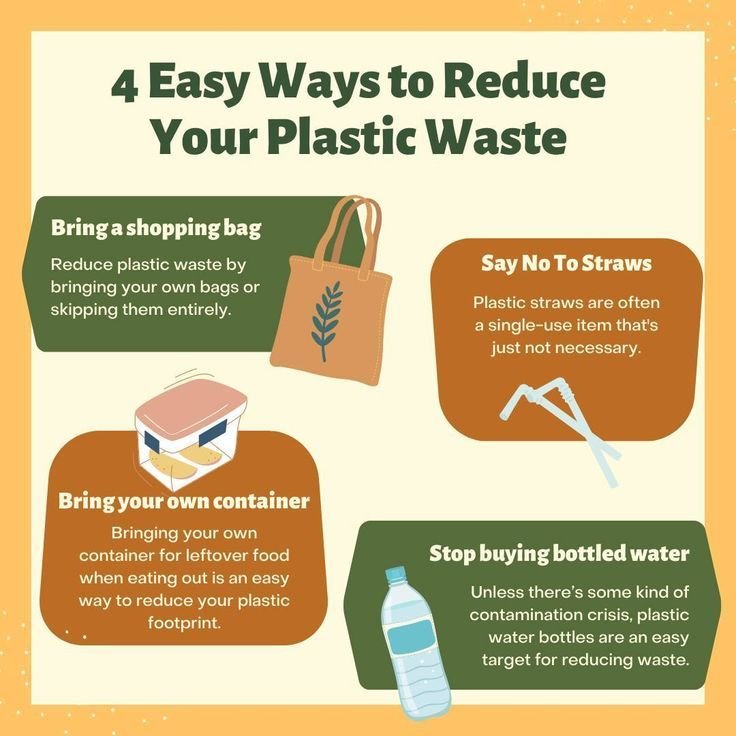
The hard lesson? Habits don’t change overnight. I had to hack my routine. I started keeping a folded tote in my purse, another in my backpack, and even one hooked on the front door knob as a visual reminder. But even that wasn’t foolproof. Once, in a rush, I left the house without it and ended up carrying groceries home in my arms like some kind of urban forager. My shoulders ached for days, but it drilled the point home: convenience is plastic’s best friend, and breaking free means building inconvenient safeguards.
Over time, I learned to plan ahead. Now, before leaving the house, I do a quick mental checklist: keys, wallet, phone, bags. It’s second nature. And the payoff? Not just fewer plastic bags in my trash, but a sense of empowerment. I’ve reduced my waste dramatically, and those rare slip-ups feel like minor blips rather than defeats. If you’re starting out, don’t beat yourself up over forgetfulness—treat it as part of the learning curve.
Lesson 2: Produce Isn’t Always Naked—Fighting the Packaging Battle
Grocery shopping became my battlefield. I naively thought I could just pick loose fruits and veggies, avoiding anything wrapped in plastic. Ha! Turns out, even “fresh” produce often comes swaddled in shrink-wrap or styrofoam trays. My first trip to the store post-commitment was a disaster. I reached for a cucumber, only to find it encased in plastic like a museum artifact. Why? To keep it “fresh,” apparently. I stood there, fuming, as if the vegetable needed protection from the air it grew in.
The hard way I learned this: skipping the packaged stuff means getting creative or going without. I started frequenting farmers’ markets, where vendors happily let me use my own cloth bags for berries or greens. But not everything is seasonal or local. Bananas? Fine, they’re naturally wrapped. But try finding unwrapped bell peppers in winter. I once spent an hour scouring aisles, only to leave with half my list unfilled. Dinner that night was a sad salad of whatever was loose—apples, onions, and a rogue carrot.
This lesson taught me about the systemic issues. Plastic packaging isn’t just lazy; it’s a supply chain crutch for longer shelf life and easier transport. To combat it, I began growing my own herbs and veggies in pots on my balcony. Nothing beats snipping fresh basil without a plastic clamshell in sight. I also joined a community-supported agriculture (CSA) box, which delivers unpackaged goods straight from the farm. Sure, it’s pricier, but the quality and reduced waste make it worth it.
One epic fail: I tried peeling off labels and plastic at the store, thinking I could refuse it there. The manager wasn’t amused, and I left red-faced. Now, I politely ask cashiers not to bag items, and I’ve even written to companies about their packaging. Change is slow, but every voice counts. The takeaway? Plastic-free produce requires planning, patience, and a willingness to adapt your meals to what’s available sans plastic.
Lesson 3: Bathroom Basics—Shampoo Bars and the Slippery Slope
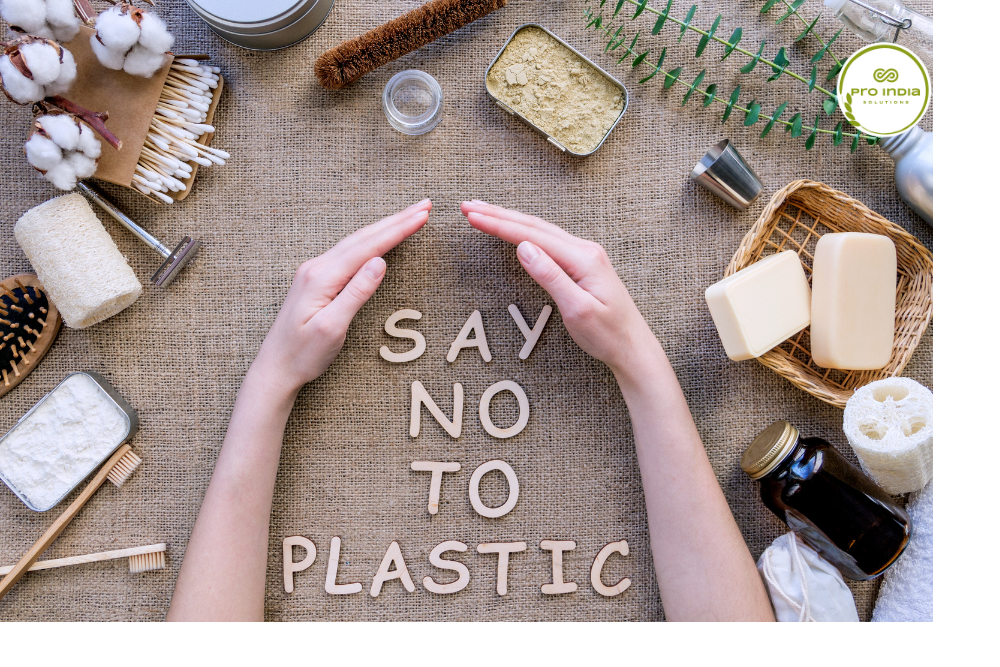
The bathroom was my next frontier. Toothbrushes, toothpaste tubes, shampoo bottles—plastic galore. I dove in headfirst, ordering bamboo toothbrushes and toothpaste tablets online. Easy win, right? Wrong. The real challenge came with shampoo. I switched to a solid shampoo bar, touted as eco-friendly and travel-friendly. My first use was comical: it slipped from my hands like a greased pig, bouncing around the shower floor.
But the hard lesson was deeper. These bars don’t lather like liquid shampoo, and my hair rebelled. For weeks, it felt greasy, tangled, and uncooperative. I looked like I’d been through a wind tunnel. Turns out, my scalp needed time to adjust from the stripping effects of conventional shampoos. I powered through, experimenting with different brands—some with cocoa butter that melted in hot water, others too drying.
Conditioner bars were another hurdle. They left a waxy residue that built up over time. I learned to rinse with apple cider vinegar (in a glass bottle, naturally) to balance it out. And don’t get me started on deodorant. Switching to a natural, plastic-free version meant dealing with armpit detox—sweaty, smelly days that tested my resolve.
Through these trials, I discovered the joy of simplicity. My routine slimmed down: bar soap for body and face, a safety razor instead of disposable ones. No more cluttered shelves of half-empty bottles. The environment thanks me, and my skin does too—fewer chemicals mean fewer irritations. But it wasn’t instant; it took months of tweaks. If you’re venturing here, start small. Test one product at a time, and give your body time to adapt. Patience is key, or you’ll end up backsliding to plastic convenience.
Lesson 4: Kitchen Wars—Utensils, Storage, and the Great Spill of ’23
Kitchens are plastic minefields: Tupperware, spatulas, cutting boards. I thought replacing them would be straightforward. I bought wooden spoons, glass jars, and beeswax wraps. Victory! Until the first spill. Beeswax wraps are great for covering bowls, but they’re not airtight. One fateful night, I wrapped leftover soup and stuck it in the fridge. Morning came, and the wrap had slipped, spilling broth everywhere. My fridge looked like a crime scene.
The hard lesson: not all alternatives perform the same. Silicone lids seemed promising but—wait, silicone is a polymer, debatably plastic-like. I opted for glass containers with bamboo lids, but they shatter if dropped. I’ve broken two already, sweeping up shards while cursing my clumsiness.
Cutting boards were another saga. Plastic ones are cheap and dishwasher-safe, but they shed microplastics. Wood requires oiling to prevent cracking. I forgot once, and my board warped like a pretzel. Now, I maintain it religiously.
Cooking without plastic wrap meant learning old-school methods: using plates as lids, or cloth covers secured with string. It’s charmingly retro, but time-consuming. And ziplock bags? Replaced with reusable cloth ones for snacks, but they stain easily from berries or sauces.
These mishaps taught me resourcefulness. I repurpose jars from pasta sauce or jam for storage—free and effective. My kitchen is now a mix of glass, wood, and metal, feeling more authentic. The environment benefits, and so does my health—no leaching chemicals into food. But expect a learning curve; spills and breaks are part of the process. Embrace the mess, and you’ll find a rhythm that works.
Lesson 5: Wardrobe Woes—Microplastics and the Laundry Dilemma
Clothing seemed unrelated to plastic until I learned about microplastics. Synthetic fabrics like polyester shed tiny fibers in the wash, polluting waterways. My closet was full of them—leggings, fleeces, workout gear. Ditching plastic-free living meant auditing my wardrobe.
The hard way: cold turkey didn’t work. I couldn’t afford to replace everything at once. Instead, I started buying natural fibers: cotton, wool, linen. But care is tricky. Wool shrinks if not hand-washed, linen wrinkles like crazy. My first wool sweater? Ruined in the dryer. Lesson learned: read labels obsessively.
Laundry became a ritual. I installed a microfiber-catching bag in my washing machine for synthetics I couldn’t part with yet. It fills up fast, a visual reminder of the problem. I air-dry everything now, saving energy and reducing wear.
Thrifting helped—secondhand natural-fiber clothes are abundant and cheap. But sizing is hit-or-miss; I’ve bought ill-fitting pieces more than once. And shoes? Leather or canvas over plastic soles, but they’re pricier.
This lesson revealed the hidden plastics in fashion. Fast fashion thrives on synthetics for durability and cost. Going plastic-free means slower, mindful purchases. My style evolved—timeless pieces over trends. Fewer washes mean less water use too. It’s empowering, knowing my choices reduce ocean pollution. Start with basics: underwear, socks in cotton. Build from there, and forgive the occasional synthetic holdout.
Lesson 6: On the Go—Travel Without the Plastic Trail
Traveling plastic-free is like navigating a minefield. Airports, hotels, road trips—all designed around single-use convenience. My first trip post-commitment was a weekend getaway. I packed a reusable water bottle, but security made me empty it. Refilling stations were scarce, and I caved to a plastic bottle. Guilt ensued.
The hard lesson: preparation is everything. Now, I research airports for refill spots and carry a collapsible cup for coffee. Snacks? Bulk-bought in cloth bags, not plastic-wrapped. But airlines serve meals in plastic; I bring my own cutlery and decline extras.
Hotels are culprits with tiny shampoo bottles. I pack my own bars, but once forgot and used theirs—old habits die hard. Toiletry kits now include solid everything: toothpaste, sunscreen in tins.
Road trips mean picnics with reusable plates. But gas stations tempt with plastic-packaged junk. I stock up on fruit and nuts beforehand.
These experiences highlighted tourism’s waste. I choose eco-hotels now, or Airbnbs where I can cook. It’s more work, but enriching—connecting with locals at markets for unpackaged goods.
The payoff? Lighter footprint, memorable stories. Like bartering for fresh bread in a village, no plastic involved. Travel mindfully, and the world opens up without the trash.
Lesson 7: Kid Stuff—Toys, School, and Sticky Fingers
As a parent, plastic-free with kids is tough. Toys are plastic kingdoms: Legos, dolls, action figures. My child’s birthday haul was a plastic avalanche. I vowed change, but kids resist.
The hard way: abrupt switches cause tantrums. I introduced wooden blocks gradually, but they preferred flashy plastic. One “cleanup” led to hidden toys resurfacing.
School supplies: plastic pencils, binders. I opted for wood and paper, but durability suffers. Crayons in cardboard over plastic cases.
Snacks for lunchboxes—avoiding plastic pouches means mason jars, which break. Spills galore until I found stainless steel.
Playdates expose differences; other kids’ plastic toys tempt. I explain gently, focusing on fun alternatives like outdoor play.
This lesson: involve kids. We craft toys from recyclables—imagination blooms. Garden together, growing food sans plastic pots.
Benefits: creative, resilient kids. Fewer toxins too. Start small, lead by example. They’ll catch on, turning it into family values.
Lesson 8: Office Overhaul—From Desk to Digital
Work life swims in plastic: pens, folders, water coolers. My cubicle was a testament.
Hard lesson: colleagues notice changes. Switching to fountain pens meant ink stains everywhere initially.
Notebooks: recycled paper over plastic covers. But meetings with plastic-wrapped catering— I bring my own mug, decline straws.
Digital helps: going paperless reduces plastic printers. But electronics have plastic— I extend device life.
Breaks: reusable coffee pods over single-use. Coworkers joined, starting a green initiative.
This taught advocacy. Small changes ripple. Productivity up, waste down. Embrace quirks; it’s worth it.
Lesson 9: Green Thumb—Gardening Minus the Plastic Pots
Gardening seemed plastic-free, but pots, tools, mulch bags say otherwise.
Hard way: Terracotta pots crack in frost. I lost plants.
Seeds in paper packets, but tools with plastic handles wear out.
Compost bins: wood over plastic. But pests invade if not managed.
Hoses: rubber alternatives kink easily.
Lesson: natural methods. Mulch with leaves, water with cans.
Joy: fresh produce, biodiversity. Perseverance pays in blooms.
Lesson 10: Community Counts—You Can’t Do It Alone
Isolation hits when going plastic-free. Friends tease, family doubts.
Hard lesson: solo efforts falter. Joining groups changed everything.
Zero-waste meetups, petitions, swaps.
Shared struggles build bonds. Collective action pressures change.
Takeaway: connect, share, amplify. Together, we make waves.
Conclusion
Reflecting on these lessons, plastic-free living is a marathon, not a sprint. I’ve stumbled, but each fall taught resilience. The world isn’t set up for it yet, but that’s changing because of people like us. My home is calmer, my conscience clearer, and my impact smaller. If you’re inspired, start with one lesson. The hard way builds character—and a better planet. Here’s to fewer plastics and more purpose.