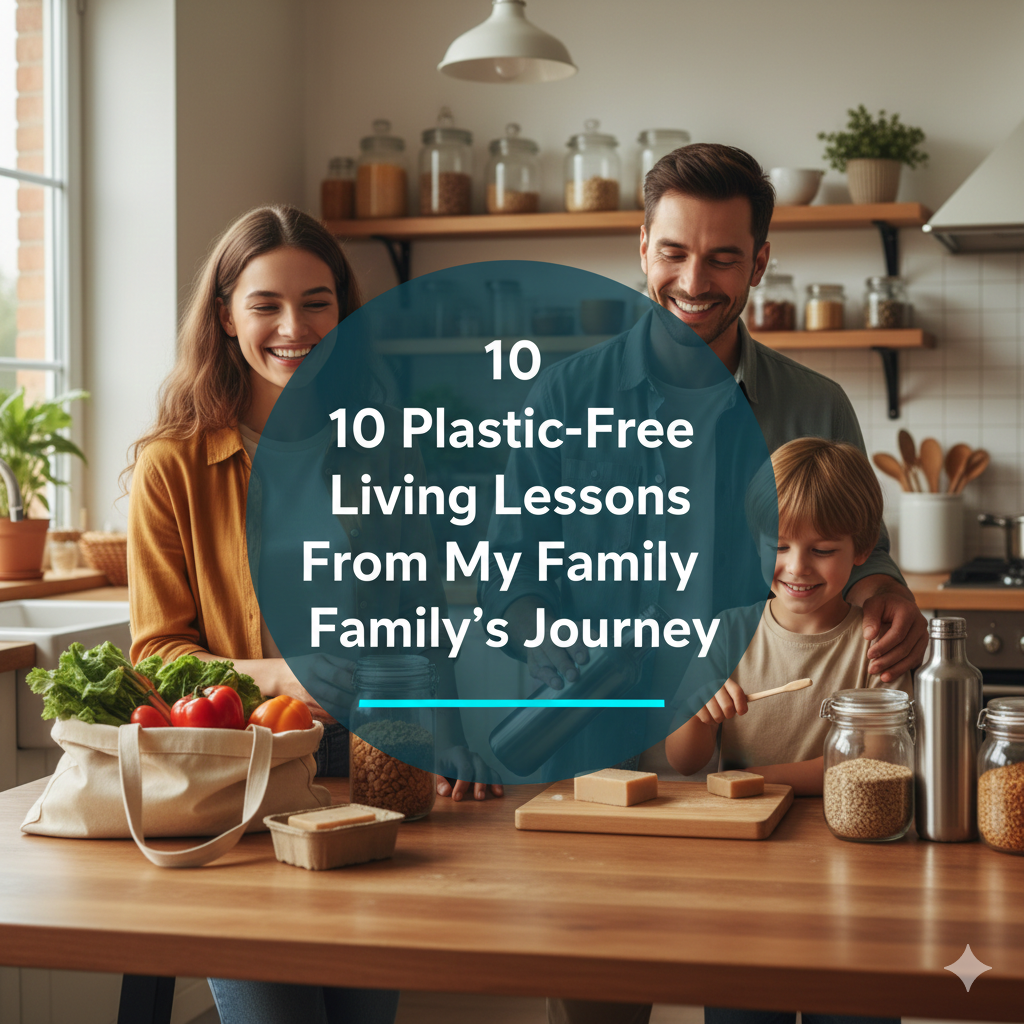
10 Plastic-Free Living Lessons From My Family’s Life in the City
It’s not that we started with being eco-warriors. We were simply a regular family — packing school lunches in zip-lock bags, buying flat cases of bottled water, and wrapping leftovers with cling film without a second thought.
But then one summer, my daughter returned from school with a project on ocean plastic. She put a picture of a sea turtle caught in a plastic bag on the refrigerator, and said “Mom, we’re contributing to this problem.”
She was right.
That moment set in motion a transformation of nearly everything we consume: how we shop, what we eat, and where our food is stored. It wasn’t easy. It wasn’t perfect. But it was worth it.
Here are 10 real, learned-the-hard-way lessons from our family’s path to plastic-free living — along with what didn’t work, what did, and how we pulled it off.
Lesson 1: The Transition Doesn’t Have to Be Overnight
The single most pervasive myth of a plastic-free life is that you have to flip a switch and make all your changes at once. We tried that in Week 1. It was a disaster.
We got rid of just about everything in our kitchen. We paid a fortune to replace it all with glass and stainless steel. By Week 2, we were tired, grumpy, and truthfully — kind of over it.
Begin With One Room, One Habit
What actually worked? Starting small. We picked the bathroom first. We exchanged plastic shampoo bottles for shampoo bars. We swapped disposable cotton pads for reusable ones. That was the first month.
One small room. Two small swaps. Huge boost in confidence.
Then we moved to the kitchen. Then the kids’ rooms. Then the garage. Each step generated momentum rather than burning it away.
The lesson: Plastic-free living is a way of life, not a finish line. Forward motion outperforms perfection every time.
Lesson 2: The War Is Won and Lost at the Grocery Store
Roughly 40 percent of all plastic in use is for packaging — and most of that packaging is related to food. We know this only too well at our place, where we once sorted through our recycling bin and counted 63 plastic items in one week. Just from groceries.
Bring Your Own Everything
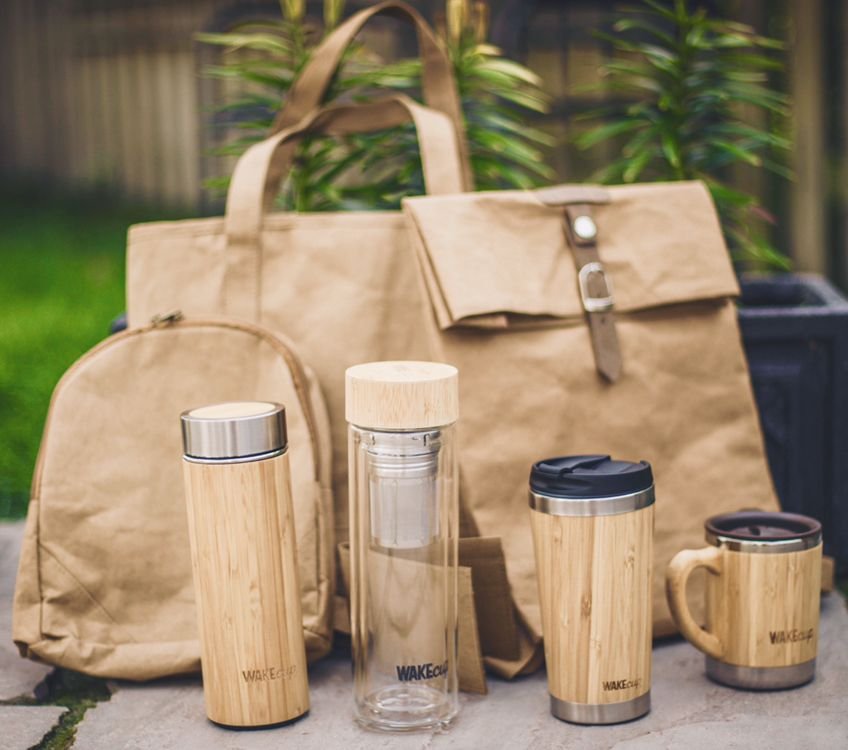
We now shop with:
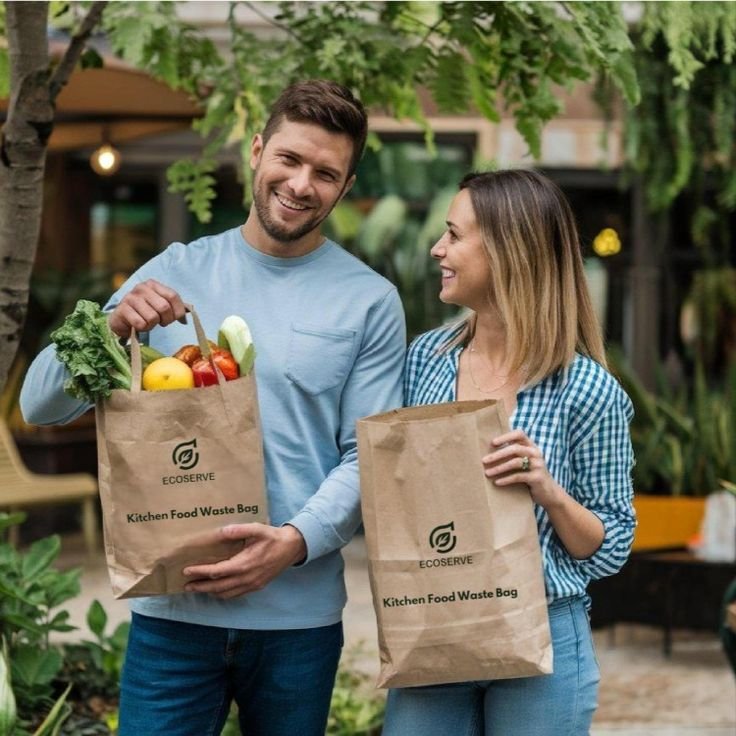
- Reusable cloth bags for veggies and fruits
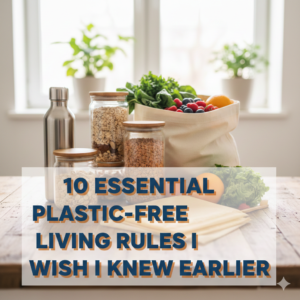
- Glass jars for bulk bin items (nuts, grains, coffee)
- Reusable tote bags (we leave them in the car so we never forget)
- A cooler for meat and fish from the butcher counter
It took about three weeks to feel as though the change was normal. Now it’s second nature.
The Farmer’s Market Changed Everything
We began going to our farmer’s market every Saturday. Hardly anything arrives with plastic packaging. You enjoy fresher food, support local growers, and avoid the shrink-wrap altogether. It’s truly one of the nicest lifestyle improvements we’ve made.
| Place of Shopping | Average Plastic Items Per Visit | Plastic-Free Options Available |
|---|---|---|
| Big box supermarket | 15–25 items | Almost none |
| Farmer’s market | 0–3 items | Lots |
| Zero-waste/bulk store | 0–2 items | Very wide range |
| Online grocery delivery | 10–20 items | Some |
Lesson 3: Kids Are the Best Allies in This Battle
I expected my kids to resist. I was wrong. Once my daughter understood what we were doing, she became the most effective advocate for our household. She began to police her younger brother’s snack options. She enacted a “no plastic” rule for her birthday party. She made a presentation about it at school.
Make It Their Mission, Not Your Mandate
The trick was to make plastic-free living feel like an adventure, not a sacrifice. We had the kids do a little challenge each week. Things like:
- Find a plastic-free snack at the store
- Find a DIY replacement for one disposable plastic item we use
- Count how much plastic we saved every week
We created a chart on the fridge. They loved watching the numbers tick up.
What the Numbers Looked Like After 6 Months
Here is what we saved after 6 months of tracking as a family:
- ~1,200 plastic bags avoided
- ~300 plastic water bottles not purchased
- ~180 plastic produce bags switched to fabric
- ~90 plastic straws exchanged for steel or bamboo
That’s not nothing. That’s real impact.
Lesson 4: Plastic-Free Swaps Can Actually Be Cheaper
One of the first things people say when discussing plastic-free living is: “That sounds expensive.” And yes — some zero-waste products cost more upfront. But the math over the long term tells an entirely different story.
The True Cost Comparison
Let’s talk shampoo. A plastic bottle sells for anywhere between $6–$9 and gives you roughly 30 washes. A $10–$14 shampoo bar lasts for 60–80 washes. In reality, you’re probably using less per wash with the bar.
Beeswax wraps versus cling film is another good example. A four-pack of beeswax wraps runs around $15–$20 and lasts up to a year when used properly. A roll of cling film costs $4–$5, and you go through a few rolls a year.
| Product | Plastic Version (Annual Cost) | Plastic-Free Version (Annual Cost) |
|---|---|---|
| Shampoo | $72 | $40 |
| Cling wrap | $20 | $18 (beeswax wraps) |
| Water bottles (bought) | $200+ | $0 (after reusable bottle) |
| Zip-lock bags | $30 | $15 (silicone, reusable) |
| Produce bags | $10 | ~$11 (one-time, lasts years) |
The upfront cost feels bigger. The annual costs are usually cheaper.
Lesson 5: The Kitchen Is the Hardest — and Has the Highest Payoff
The kitchen is the birthplace and graveyard of most household plastic. Packaging, wrapping, bags, bottles, and containers — it adds up fast. But it’s also where some of the most satisfying plastic-free swaps live.
Our Kitchen Overhaul, Step by Step
We didn’t do this all at once. In rough order, here’s what we tackled:
- Month 1: Ditched plastic wrap in favor of beeswax wraps and silicone lids
- Month 2: Bought glass food storage containers and donated the plastic Tupperware
- Month 3: Began mixing our own cleaning spray from vinegar, water, and essential oils — switched to glass spray bottles
- Month 4: Purchased a countertop water filter and said goodbye to plastic water jugs
- Month 5: Started baking our own bread to avoid plastic-wrapped loaves (this one was a whole lifestyle change in itself)
- Month 6: Discovered a local milk delivery service that delivers in glass bottles — a total game changer
The One Swap We’re Glad We Finally Made
A good water filter. We were spending an average of $50–$60 on bottled water every month. After purchasing an $85 countertop filter that produced better-tasting water than bottles, our spending on bottled water dropped to zero. It paid for itself in under two months.
Lesson 6: Personal Care Products Are Laced With Hidden Plastic
We were shocked by how much plastic was lurking in our bathroom cabinet — not just in the bottles, but inside the products themselves.
Microbeads in face scrubs. Synthetic fibers in some products. Microplastics used as texture agents. These flow down the drain and into waterways. According to NOAA’s research on marine debris, microplastics have been found in virtually every corner of the ocean, making personal care products a surprisingly significant contributor to plastic pollution.
Swaps That Actually Work
Here’s what we changed and how we feel about each one:
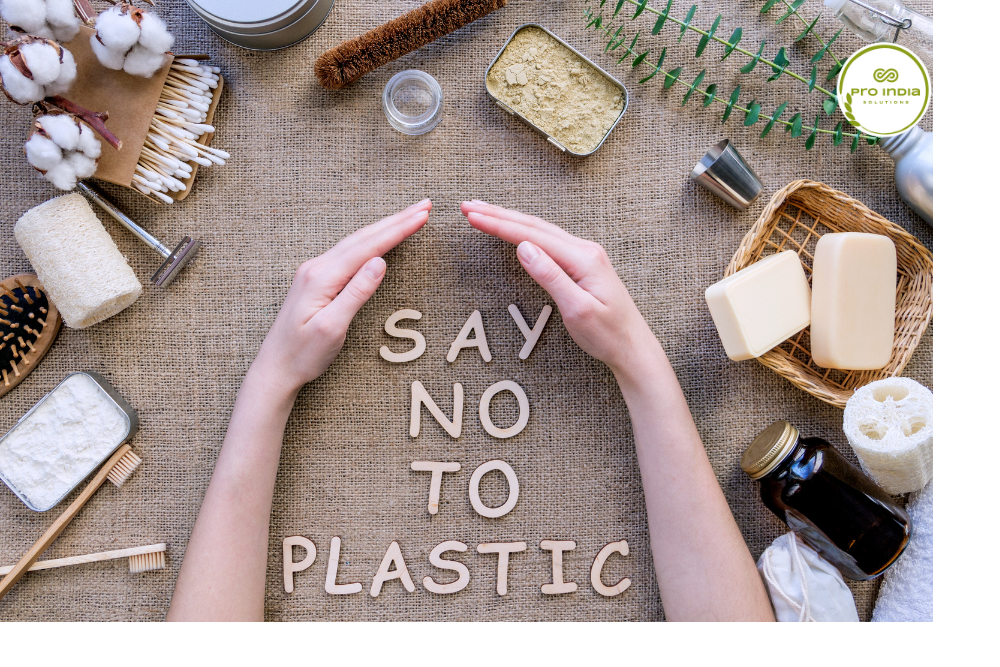
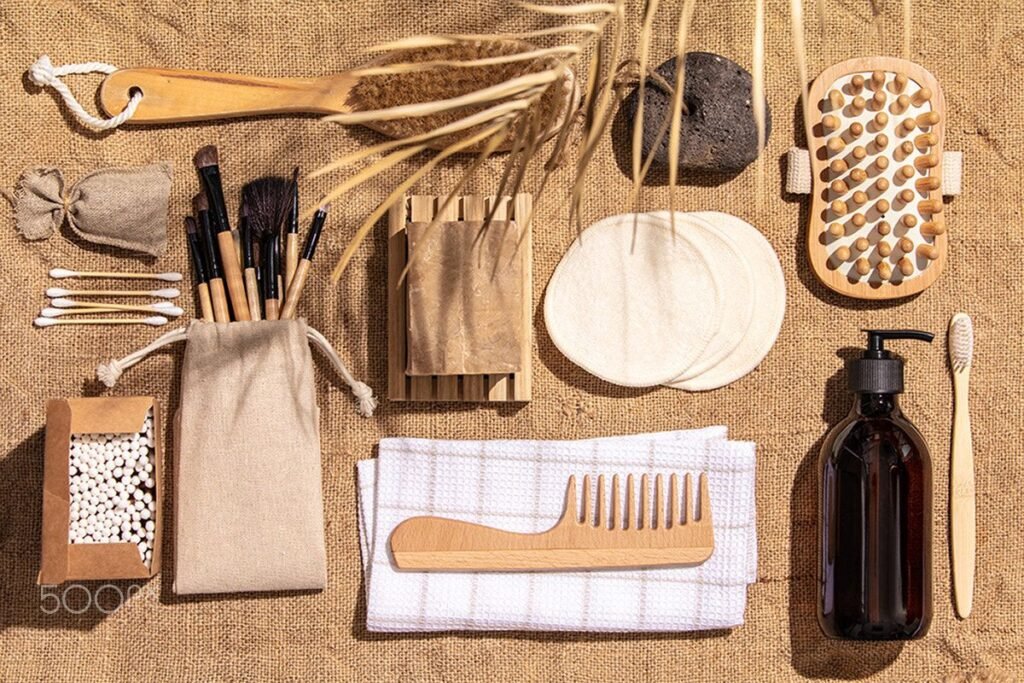
- Shampoo bars: Love them. It took our hair about two weeks to adjust, but now it feels great
- Conditioner bars: Took some getting used to — we still use them but sometimes add a DIY rinse
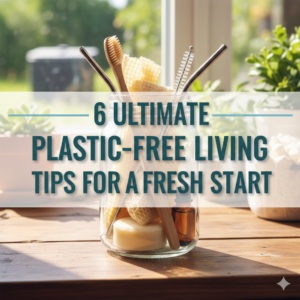
- Bamboo toothbrushes: Easy swap. Kids loved picking their own
- Toothpaste tabs: Surprisingly great. No tube waste at all
- Bar soap over liquid soap: Always used bar — recently transitioned to buying it raw from a local maker
- Deodorant in a paper push-up tube: After a couple of tries, found the right brand that works
- Cotton rounds: Switched to reusable — just toss them in a small mesh bag with the laundry
What We Didn’t Love
Some plastic-free personal care products simply didn’t work for our family. We attempted some DIY solutions that proved too time-consuming. We also tested a few “natural” deodorants that were barely more effective than nothing at all. There’s no shame in acknowledging that not every swap is the right fit.
The point isn’t to suffer for the planet. It’s to find swaps you can actually keep.
Lesson 7: Eating Out and Traveling Are the Hardest Parts
At home, we got really good at living plastic-free. Then we went on a road trip.
Fast food containers. Plastic shampoo bottles from the hotel. Bottled drinks from vending machines. Plastic cutlery at rest stops. It hit us hard.
Our Travel Kit
As a result, we now bring a small travel kit with us everywhere:
- Reusable water bottles for everyone
- Bamboo flatware in a little bag
- A couple of beeswax wraps for snacks
- Small solid bars of shampoo and soap
- A foldable tote bag
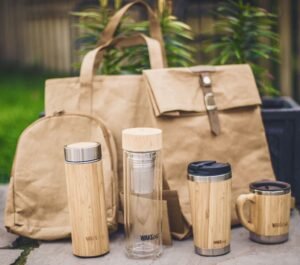
- A reusable travel coffee cup
It fits in a small pouch. It keeps a ridiculous amount of plastic waste out of the landfill over the course of a weeklong trip.
Eating Out Without the Guilt
We love eating out. We’re not giving that up. But we made a few changes:
- We politely decline straws unless they’re paper
- We carry our own container for leftovers — restaurants are generally happy to use your own box
- We favor restaurants with compostable packaging when ordering takeout
Is it perfect? No. But it’s better than nothing.
Lesson 8: It’s So Much Easier With a Community
Living a plastic-free life can feel lonely at times, especially when you’re the oddball carrying glass jars to the grocery store while everyone else stares. (Yes, people have stared.)
But then we found our community — online groups, local zero-waste meetups, a neighborhood buy-nothing group — and it got easier.
Where We Found Support
- Local Facebook groups focused on sustainability introduced us to people giving away glass jars, swapping homemade products, and sharing tips on local bulk stores
- Online forums like Reddit’s r/ZeroWaste gave us answers to specific questions and a genuine sense of solidarity
- Local swap groups helped us pass along things we no longer needed instead of throwing them away
Community didn’t just help us feel less alone. It gave us practical tools, free materials, and accountability.
Lesson 9: Not Everything Labeled “Eco-Friendly” Actually Is
This one stung a little. Early on, we spent a lot of money on products marked “green,” “eco,” “natural,” or “sustainable.” Some of those products were truly better. Others were pure greenwashing — using feel-good language to sell products that weren’t meaningfully different from conventional ones.
How to Spot Greenwashing
Here are some warning signs to look out for:
- Generic claims like “good for the environment” with no supporting details
- Green-colored packaging with no verified certifications
- “Made with natural ingredients” — this means almost nothing legally
- Products described as “biodegradable” without specifying under what conditions (many plastics only biodegrade in specific industrial settings)
What to Look For Instead
Certifications that actually mean something:
- B Corp certification
- USDA Certified Organic (for food and some personal care products)
- Fair Trade certification
- Cradle to Cradle certified
- FSC certified (for wood and paper packaging)
We’ve developed a preference for local shops and small makers over megabrands. You can’t always do that — but it’s worth it when you can.
Lesson 10: This Path Changes How You See Everything
This is the lesson we didn’t see coming.
After about a year of consciously living plastic-free, we began to look at the world through different eyes. We noticed the packaging we once walked past without a second thought. We started asking questions we’d never considered before — Who made this? Where does it go when I’m done with it? Is this actually necessary?
Our kids adopted this mindset too. My son, who was 9 when we started, now reads ingredient labels. He wonders whether things come in reusable packaging. He advocates for changes at his school.
The Ripple Effect Is Real
We’ve influenced our extended family. Both sets of grandparents have changed their habits. Our neighbors started composting after watching us do it for a year. One of my close friends launched a plastic-free lunch challenge at her office because we talked about it at a dinner party.
You don’t have to preach. Just live it — and let people ask questions.
What Our Life Looks Like Now
We’re not perfect. We still occasionally buy things in plastic. Some weeks are hectic and we fall back into old habits. But the baseline has shifted. Our weekly trash output is down by about 70 percent. We’re spending less on consumables. Our home feels less cluttered.
And perhaps most importantly — our family feels like we’re doing something that actually matters.
A Quick Reference: Plastic-Free Swaps That Worked for Us
| Area of Life | Old Habit | New Habit |
|---|---|---|
| Hydration | Bottled water | Reusable bottles + home filter |
| Food storage | Plastic wrap & bags | Beeswax wraps, glass containers |
| Grocery shopping | Plastic bags | Cloth bags, glass jars |
| Hair care | Plastic shampoo bottles | Shampoo bars |
| Oral care | Plastic toothbrush | Bamboo toothbrush + toothpaste tabs |
| Cleaning | Plastic spray bottles | DIY spray in glass bottles |
| Snacks | Pre-packaged snacks | Bulk bin + homemade options |
| Coffee/tea | Takeaway cups | Reusable travel cup |
| Produce | Plastic produce bags | Cloth mesh bags |
| Eating out | Plastic cutlery | Bamboo travel cutlery set |
FAQs About Plastic-Free Living
Q: Is it possible for a busy family to live plastic-free? Yes — but it requires being pragmatic about what “plastic-free” actually looks like. Most families, including ours, are working toward a dramatic reduction in plastic rather than complete elimination. Focus on the swaps that are easiest to maintain, and build from there.
Q: How much money has going plastic-free saved your family? We estimate we saved somewhere between $800 and $1,200 in that first year — mostly from not buying bottled water, cutting back on throwaway purchases, and simply buying less overall. The upfront costs are real, but the long-term savings are too.
Q: What single change has the most impact for a family starting out? Investing in a home water filter and eliminating bottled water. It saves hundreds of plastic bottles per year, saves hundreds of dollars, and is one of the easiest habits to stick with.
Q: What advice do you have for going plastic-free when the rest of your household isn’t on board? Start with yourself. Don’t force it. Let the results speak — less spending, less clutter, a cleaner home. Most families find that the resistant member comes around on their own once they see the difference it makes, rather than feeling pressured by a checklist.
Q: What about plastic items you already own? Use them until they wear out. Throwing away functional plastic items is wasteful. The goal is simply not to replace them with more plastic when the time comes.
Q: Are plastic-free options genuinely better for the environment? Generally, yes — though it depends on the product and how it was made. A reusable bag needs to be used dozens of times before its environmental footprint equals that of a single plastic bag. The key is to actually reuse what you buy, rather than just purchasing “eco” versions of everything.
Q: How long before you actually notice a difference? Within just one month, we noticed a visible change in our waste output. After six months, our weekly trash had dropped dramatically. It takes about three to six months for the lifestyle shift to feel completely natural.
Wrapping It All Up
Plastic-free living isn’t about guilt. It’s not about being perfect. It’s about paying attention — and choosing slightly better, more often, over time.
Our family didn’t transform overnight. We stumbled. We wasted money on things that didn’t work. We forgot our bags more times than we can count.
But we kept going. And the combined impact of those small, imperfect choices has been greater than we ever imagined.
If a picture of a sea turtle on a refrigerator could ignite this journey for us, imagine what one honest conversation — or one tiny swap — could do for you.
You can’t do everything. But you can do something.
Wondering how to start your own plastic-free journey? Drop your questions in the comments — we’re happy to help.