10 Rules for Plastic-Free Living (My Wish-I-Knew Guide)
Plastic is part of our everyday lives. It wraps our food and crowns our drinks, it fills our trash cans. Much of it is used one time and never again.
And this is the scary part: Plastic never decomposes completely. It just breaks down into smaller and smaller bits, which we call microplastics. These tiny pieces land in our oceans, our food and even our blood.
The good news? You can change this. Living plastic-free isn’t about being perfect. It’s about making smarter choices, one step at a time.
This article guides you through 10 core principles that really will shift the way you see plastic. These are the things that most people wish they’d been told before starting.
Why Plastic-Free Living Is More Important Than Ever
Before we get to the rules, let’s take a look at why this is important.
Approximately 380+ million tons of plastic is made globally each year. Only 9% of plastic ever made has been recycled. The rest rests in landfills, floats in oceans or breaks down into microplastics that enter the food chain.
Microplastics were found in human blood for the first time in a 2022 study. A second study found them in breast milk. This is now more than an environmental issue. That’s a personal health issue.
Living plastic-free is a way to fight pollution, save wildlife, reduce our exposure to toxic chemicals, and lessen our impact on the planet.
Rule 1: Begin by Doing an Honest Plastic Audit
Most people don’t comprehend how much plastic they really use. That’s the first problem.
Before you make a change, take one week to collect all the plastic you would normally throw away. Put it in a bag. Look at it on day seven.
It’s an exercise called a plastic audit and it is eye-opening.
What to Look For
Sort your plastic into categories:
| Category | Typical Examples |
|---|---|
| Food | Chip bags, plastic wrap, snack pouches |
| Beverage | Water bottles, soda bottles, juice cartons |
| Personal Care | Shampoo bottles, soap dispensers, razors |
| Household Cleaner | Spray bottles or detergent containers |
| Miscellaneous | Bags, straws, lids |
Once you know where most of your plastic comes from, you know exactly where to direct your energy. Do not attempt to sort everything out at one time. Fix the biggest sources first.
Rule 2: Never Purchase Single-Use Plastic Bottles Again
This one sounds simple. It’s also one of the most empowering shifts you could make.
Americans alone purchase around 50 billion plastic water bottles annually. The vast majority are thrown into the garbage after only one use.
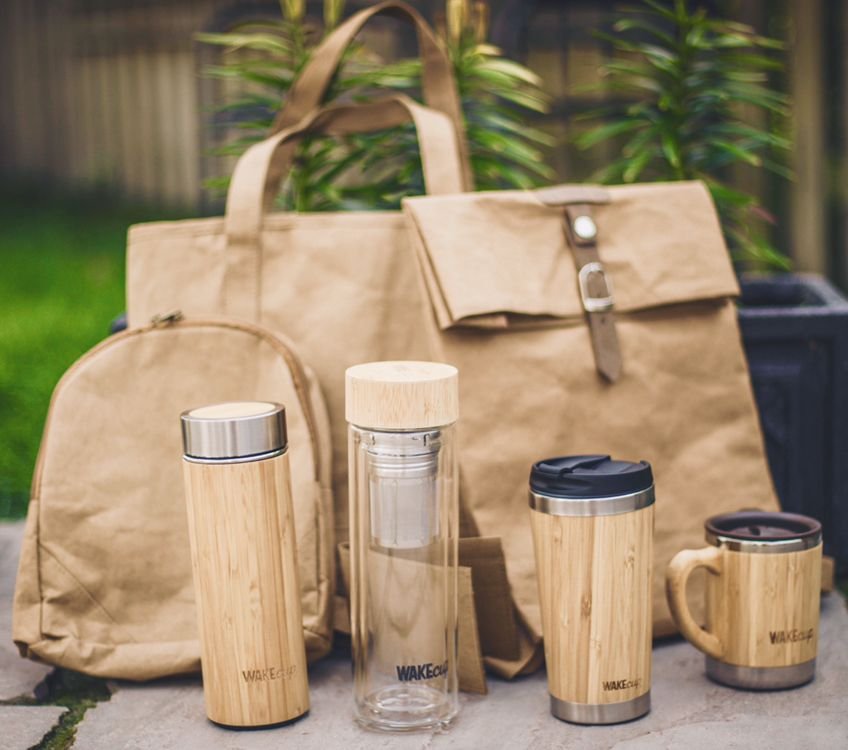
A reusable water bottle will pay for itself within a couple of weeks. A quality stainless steel or glass bottle will last you years. Some last a decade or more.
Make It Stick
People go back to plastic bottles out of convenience. The solution is simple: never be without your bottle. Think of it as you would your phone or your keys.
Fill it before you leave home. It’s free to refill at many coffee shops, restaurants and public buildings.
Pack a small collapsible bottle if you travel frequently. They occupy next to no bag space.
Rule 3: Change the Way You Do Groceries
The grocery store is the front line for living plastic-free. There is almost nothing on the shelf that isn’t wrapped in some kind of plastic.
But what most people don’t realize is that you’re in the driver’s seat more than you may think.
Smarter Shopping Swaps
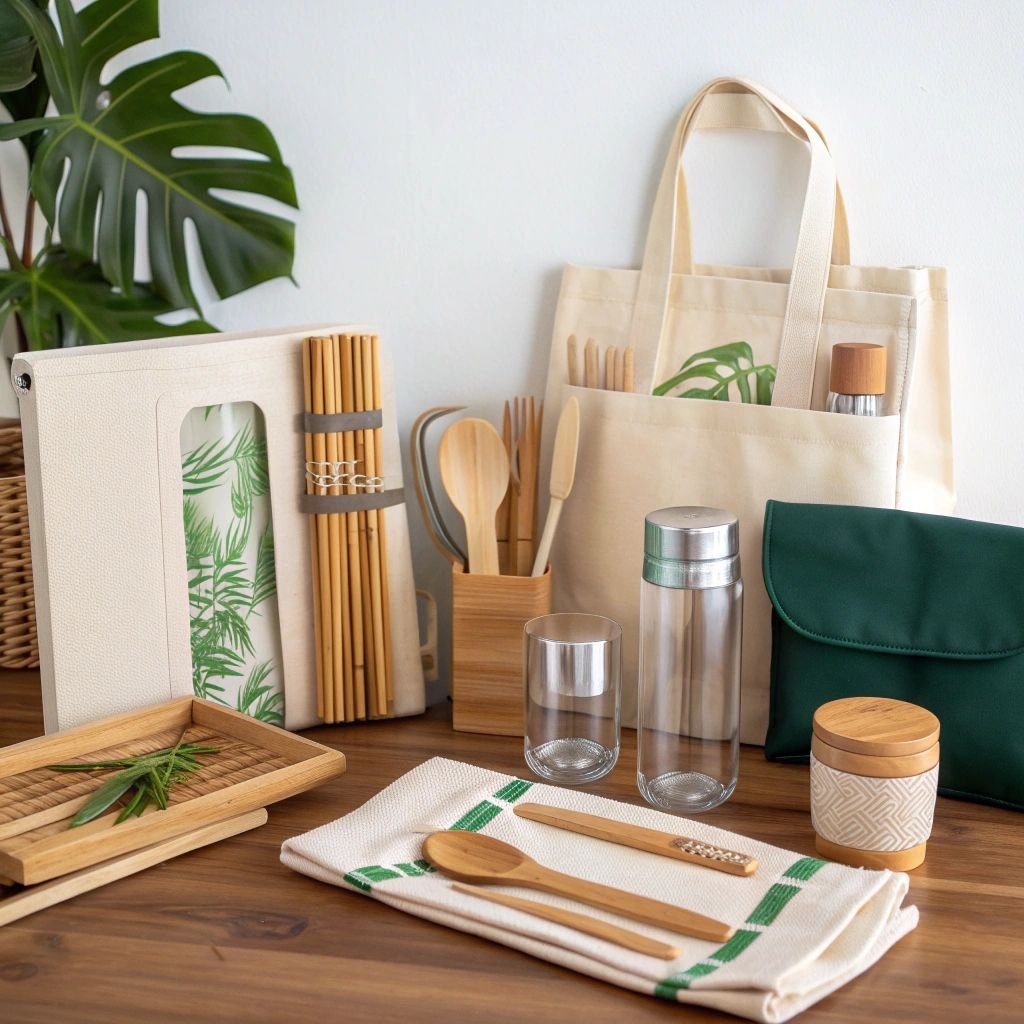
Bring reusable bags. Stash them in your car, by your door or in your everyday bag so you never forget.
Shop the perimeter. Produce, meat and dairy sections tend to have less packaging than processed food-filled middle aisles.
Visit a farmers market. Vendors at farmers markets frequently forgo plastic packaging completely. You can bring your own bags and containers.
Buy in bulk. Bulk bins allow you to fill your own container with grains, nuts, pasta, and spices. You pay by weight and bypass packaging entirely.
| Traditional | Plastic-Free Alternative |
|---|---|
| Plastic produce bags | Reusable mesh bags |
| Packaged spices | Bulk bin spices |
| Pre-wrapped meat | Ask the butcher to wrap in paper |
| Plastic bread bags | Bakery bread in paper or your own cloth bag |
| Bottled juice | Fresh-squeezed or carton options |
Rule 4: Try Your Bathroom Routine First
The bathroom has gone all plastic. Shampoo bottles. Conditioner. Body wash. Razors. Toothbrushes. Cotton swab containers. Facial wash. Lotion bottles.
Many of us cycle through a new set of all these products every month or two. Over the course of a year, that could be an appalling stack of plastic waste.
The bathroom is also an easier place to make changes, because swaps are broadly available and are often less costly over time.
Quick-and-Easy Bathroom Swaps to Make Right Away
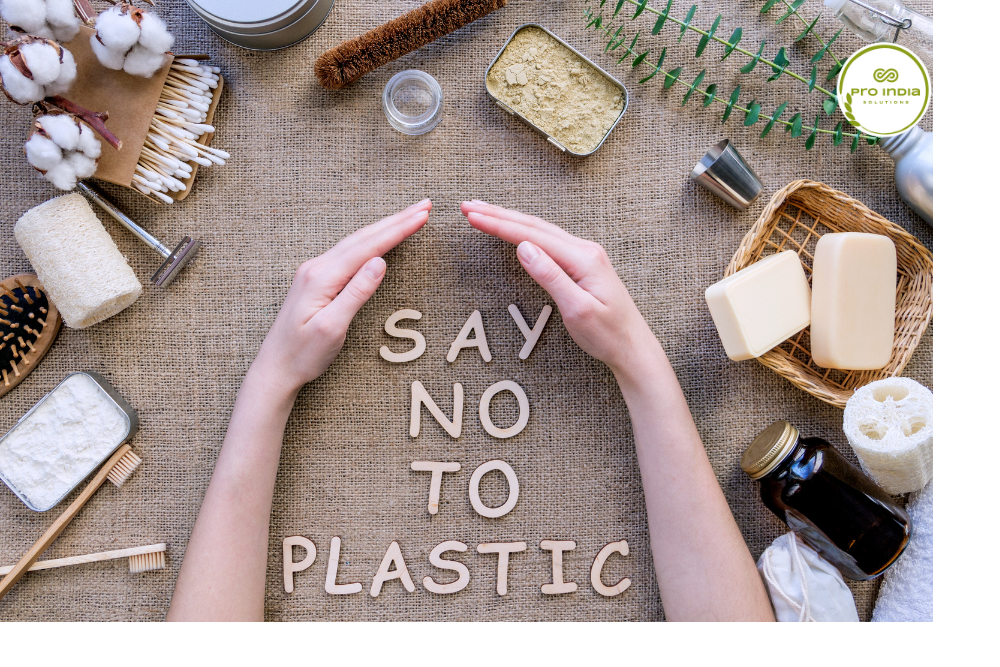
Shampoo and conditioner bars also function like their liquid counterparts, but are available in virtually no packaging at all. In fact, many discover that their hair feels better after switching.
A bamboo toothbrush replaces the plastic handle. The bristles are usually still nylon, but that’s a much smaller piece of plastic.
Safety razors are a game-changer. You pay a little more up front, but the blades are only pennies each and last years. No more plastic cartridge waste.
Bar soap in place of liquid soap does away with the pump bottle altogether.
Bamboo cotton swabs or reusable silicone swabs replace plastic-handled ones.
Rule 5: Know the Difference Between “Recyclable” and “Actually Recycled”
This rule could spare you years of wasted effort.
People throw something into the recycling bin and feel better. But the truth is, just because something is labeled as recyclable does not mean it will get recycled.
Contamination, absence of sorting facilities and market demand all play a role in whether your recycling will be processed or simply shuttled off to the landfill anyway.
What Usually Gets Recycled vs. What Usually Doesn’t
| Material | Typically Recycled? |
|---|---|
| Cardboard and paper | Yes, widely |
| Glass | Yes, in most areas |
| Aluminum cans | Yes, highly valuable |
| PET plastic (#1) | Often yes |
| HDPE plastic (#2) | Some |
| Plastic bags and film | Rarely — try store drop-off programs |
| Styrofoam | Almost never |
| Mixed or dirty plastics | Rarely |
According to National Geographic’s research on plastic pollution, the vast majority of plastic waste is never recovered or recycled in any meaningful way. The purpose of plastic-free living is to minimize the amount of plastic you bring home in the first place. Recycling is a fallback, not an answer.
Rule 6: Cook More, Wrap Less
One of the leading sources of plastic waste in most homes is processed and packaged food.
Chips are sold in foil-lined plastic bags that can’t be recycled. Frozen meals come in little plastic trays. Sauces are served in plastic squeeze bottles. Snack bars are packed in plastic film.
Cooking from scratch allows you to avoid nearly all of that packaging.
Not That You Need to Be a Chef
Simple swaps go a long way:
Make your own snacks. Stovetop-popped popcorn, roasted nuts or homemade energy balls have zero plastic packaging.
Batch cook on weekends. Cook a large pot of soup, rice or pasta. Store it in glass containers. Eat it during the week without reaching for any convenience store packages.
Grow a few herbs. Fresh herbs are typically sold in plastic clamshells. A little pot of basil, parsley or mint on a windowsill puts an end to that particular bit of waste altogether.
It’s also healthier and cheaper. It’s one of those habits that pays dividends in multiple directions at once.
Rule 7: Find Your Zero-Waste Cleaning Product Substitutes
Household cleaning products are a huge contributor to plastic waste. Most people never consider this.
Spray bottles, detergent jugs, dish soap containers, floor cleaners, glass cleaners, toilet cleaners — you name it. Most homes go through dozens of these a year.
Cleaning Swaps That Actually Work
Concentrated cleaning tablets dissolve in water in a reusable spray bottle. Brands including Blueland and Cleancult market them. One tablet instantly replaces an entire plastic spray bottle of cleaner.
Laundry strips eliminate the need for liquid detergent jugs. They are lightweight and compact, and they come in cardboard packaging.
Baking soda and white vinegar tackle a surprising number of cleaning jobs. They are cheap, non-toxic, and their packaging is minimal or recyclable.
Dish soap bars replace plastic bottles of dish soap. They lather up nicely and seem to be long-lasting.
Reusable Swedish dishcloths replace paper towels and synthetic sponges. They’re washable, compostable and any one of them can replace as many as 17 rolls of paper towels.
Rule 8: Talk to the People You Know (Without Being Sanctimonious)
This rule surprises people. It’s not about purchasing new products.
Living plastic-free is much easier when the people under your roof are on board. And it spreads further when friends, family and coworkers are curious about what you’re up to.
How to Start Talking About It Without Turning People Off
Nobody likes being lectured. There is no faster way to engage people with something than sharing your own experience without any coercion.
Say things like: “We started using shampoo bars and I love my hair” or “I switched to a safety razor and we are saving so much money.”
Lead with benefits — money saved, better products, cleaner home — not guilt or doom.
At home, involve the family in small decisions. Have kids choose a reusable water bottle they like. Enlist a partner to help select reusable grocery bags.
At the office, propose small changes: a collective reusable coffee setup in the break room and replacing plastic cutlery with metal at office events.
Change spreads through relationships. You have more influence than you realize.
Rule 9: Instill the “Use It Up” Rule Before Purchasing New Items
One pitfall that people fall into when they start engaging in plastic-free living for the first time is buying a heap of new eco-friendly products all at once and tossing out everything they have.
This defeats the purpose. Creating new products — even sustainable ones — requires energy and resources.
The Better Approach
Use up what you have first. Finish that shampoo bottle. Use up those plastic zip-lock bags. When something runs out, replace it with a plastic-free alternative.
This approach:
- Wastes nothing that’s already been made
- Spreads out the cost of switching over time
- Allows you to try one new thing at a time, without going overboard
A plastic-free life is something you work toward, not a makeover you enact in one day.
One swap per month is a completely realistic pace. In 12 months, you will replace 12 things. In two years, your home will look completely different without feeling like you put in a ton of effort.
Rule 10: Progress Beats Perfection, Every Single Time
This rule, above all others, is the most important.
There’s no such thing as perfect plastic-free living. Plastic is so intrinsically woven into modern life that it has become nearly impossible to avoid altogether. From medical devices to car parts to electronics — plastic is everywhere.
The goal is not zero plastic. The goal is far less plastic. And that’s entirely doable.
Ditching the “All or Nothing” Type of Thinking
When people falter — order a coffee in a plastic cup, leave their bag behind, reach for a wrapped snack — many give up altogether. They say, “I wasn’t successful, why should I bother?”
It’s this kind of thinking that is the enemy of actual change.
Each piece of plastic you don’t buy is a win. Each time you refuse that plastic straw or take your own bag, it matters. Little things add up to big change eventually.
Research has demonstrated that if 10% of people in a community make regular plastic-free swaps, it has the potential to significantly reduce local plastic waste. You don’t have to be perfect. You just have to keep going.
A Quick-Start Plastic-Free Swap Guide
Here is an easy reference chart to get you started without overthinking it:
| Plastic Item | Plastic-Free Swap | Approx. Cost |
|---|---|---|
| Plastic water bottle | Stainless steel bottle | $15–$35 |
| Plastic grocery bags | Reusable cotton/jute bags | $5–$15 |
| Shampoo bottle | Shampoo bar | $8–$14 |
| Plastic toothbrush | Bamboo toothbrush | $4–$8 |
| Plastic razor | Safety razor | $20–$40 |
| Plastic wrap | Beeswax wraps | $10–$18 |
| Plastic zip bags | Silicone bags or glass containers | $10–$25 |
| Liquid dish soap | Dish soap bar | $6–$12 |
| Plastic produce bags | Mesh reusable bags | $6–$12 |
Many of these swaps pay for themselves within weeks or months through savings on disposable items.
The Actual Cost of Not Changing
People sometimes pause because reusable products seem more expensive at the outset. But let’s compare them for a moment.
Plastic water bottles: The average American drops around $266 per year on bottled water. A $25 stainless steel bottle lasts over 10 years. That is $2,000 saved over a decade.
Razors: Packs of plastic cartridge razors cost $15–$20. A safety razor runs $30 up front and about $10 for 100 blades. Over five years, that’s hundreds of dollars in savings.
Cleaning products: Concentrated tablets and laundry strips are usually 30–50% cheaper than liquid packaged goods.
Living plastic-free is not only better for the planet. It is often a whole lot better for your bank account.
FAQs About Plastic-Free Living
Q: Is it expensive to get started living plastic-free? It might seem so initially, but most swaps ultimately save money. Start with the free or low-cost ones first — such as refusing plastic bags and straws — before purchasing anything new.
Q: What if I don’t have access to plastic-free options where I live? The internet opens up a multitude of choices. You can also search for bulk food stores, farmers markets and refill shops in your area. Even small towns often have more options than people realize.
Q: Does living plastic-free really make an impact? Yes. Collectively, consumer demand has already prompted major brands to scale back their plastic packaging. Consumer decisions send messages to companies about what people want. Your choices are more important than you know.
Q: What’s the simplest switch I can make to start out? A reusable water bottle. It’s cheap, instantly effective and easy to develop a habit around.
Q: How do I deal with food safety without plastic wrap or zip bags? Glass containers with lids, beeswax wraps and silicone bags all work just fine. Many foods also store perfectly fine simply covered with a plate or stuck in a cloth bag in the fridge.
Q: What about plastic in things I can’t control, like packaging on mail orders? Try calling companies and ask for plastic-free packaging. Many brands have switched after enough customer requests. Some offer minimal packaging as an opt-in at checkout.
Q: Is bamboo always a good alternative to plastic? Bamboo, in general, is better — it grows quickly and biodegrades well. But it still requires energy to make and ship. The best approach is: always use what you have on hand before buying new products.
Closing Thoughts: Your First Rule Is the Beginning of Your Journey
Living with less plastic doesn’t take a major life overhaul. It need not be expensive, or urban, or require being a dedicated environmentalist.
It just requires starting somewhere.
Pick one rule from this list. The one that seems most intuitive to you, or the one that addresses your biggest source of plastic waste. Do that for a month. Then add another.
In a year, you will look back and be amazed how much your life has changed — and how little you miss the plastic that used to fill it.
We don’t need a few people doing plastic-free living perfectly. It requires millions of imperfect people doing it consistently.
That’s how real change happens. And it starts with you.