Living with less plastic wasn’t something I planned. It started with a cracked laundry basket and a broken flip-top water bottle that I meant to replace “someday.” That someday kept moving. Meanwhile, my trash bin filled faster than I liked to admit.
If you’re here, you’re probably somewhere near the beginning of your own plastic-free journey. Maybe you’ve watched a few documentaries. Maybe you’ve tried reusable grocery bags but keep forgetting them in the car. Maybe you feel overwhelmed.
I get it.
What follows isn’t a perfect guide. It’s the collection of lessons I genuinely wish someone had handed me when I started: practical, realistic, and doable. These are the 10 essential beginner plastic-free living tips I wish I knew earlier — with examples, simple charts, and decision tables to help you actually apply them in daily life.
1. Start With a Trash Audit (It Changes Everything)
Before buying stainless steel straws or glass jars, do one slightly uncomfortable thing: look at your trash.
For one week, track what you throw away. Not in a judgmental way. Just observe.
Simple 7-Day Trash Audit Template
| Day | Food Packaging | Toiletries | Cleaning | Takeout | Misc | Notes |
|---|---|---|---|---|---|---|
| Mon | 3 wrappers | – | – | 1 box | – | Busy day |
| Tue | 2 bags | 1 bottle | – | – | – | Grocery restock |
| Wed | 4 wrappers | – | 1 spray | – | – | |
| Thu | 1 bag | – | – | 1 cup | – | Coffee out |
| Fri | 5 wrappers | – | – | – | – | Snacks |
| Sat | 2 bags | – | – | 2 boxes | – | Friends over |
| Sun | 1 bag | – | – | – | 1 blister pack |
At the end of the week, total categories:
| Category | Total Items |
|---|---|
| Food Packaging | 18 |
| Toiletries | 1 |
| Cleaning | 1 |
| Takeout | 4 |
| Misc | 1 |
This simple exercise tells you where to focus. For most beginners, food packaging is the biggest offender.
Lesson I learned too late: Plastic reduction isn’t about dramatic swaps. It’s about targeting your personal biggest waste stream first.
2. Replace What You Finish — Not Everything at Once
The early mistake many people make? Throwing away perfectly usable plastic items to replace them with “eco” versions.
That’s not sustainable. It’s expensive and wasteful.
Instead, follow this replacement rule:
Replace plastic only when it breaks, runs out, or truly needs replacing.
Smart Replacement Strategy
| Current Item | When to Replace | Better Alternative | Why It Works |
|---|---|---|---|
| Plastic water bottle | When it cracks or smells | Stainless steel bottle | Durable, long-term |
| Plastic wrap | When roll is empty | Beeswax wraps / containers | Reusable |
| Liquid soap | When finished | Bar soap | No plastic pump |
| Shampoo bottle | When empty | Shampoo bar | Long-lasting |
| Cleaning spray bottle | When broken | Refillable glass bottle | Reusable |
This approach prevents burnout. It also makes the transition financially manageable.
3. Focus on Food First (It’s the Biggest Plastic Source)
Globally, packaging accounts for a major portion of plastic waste. If you’ve ever walked through a supermarket aisle, you know why.
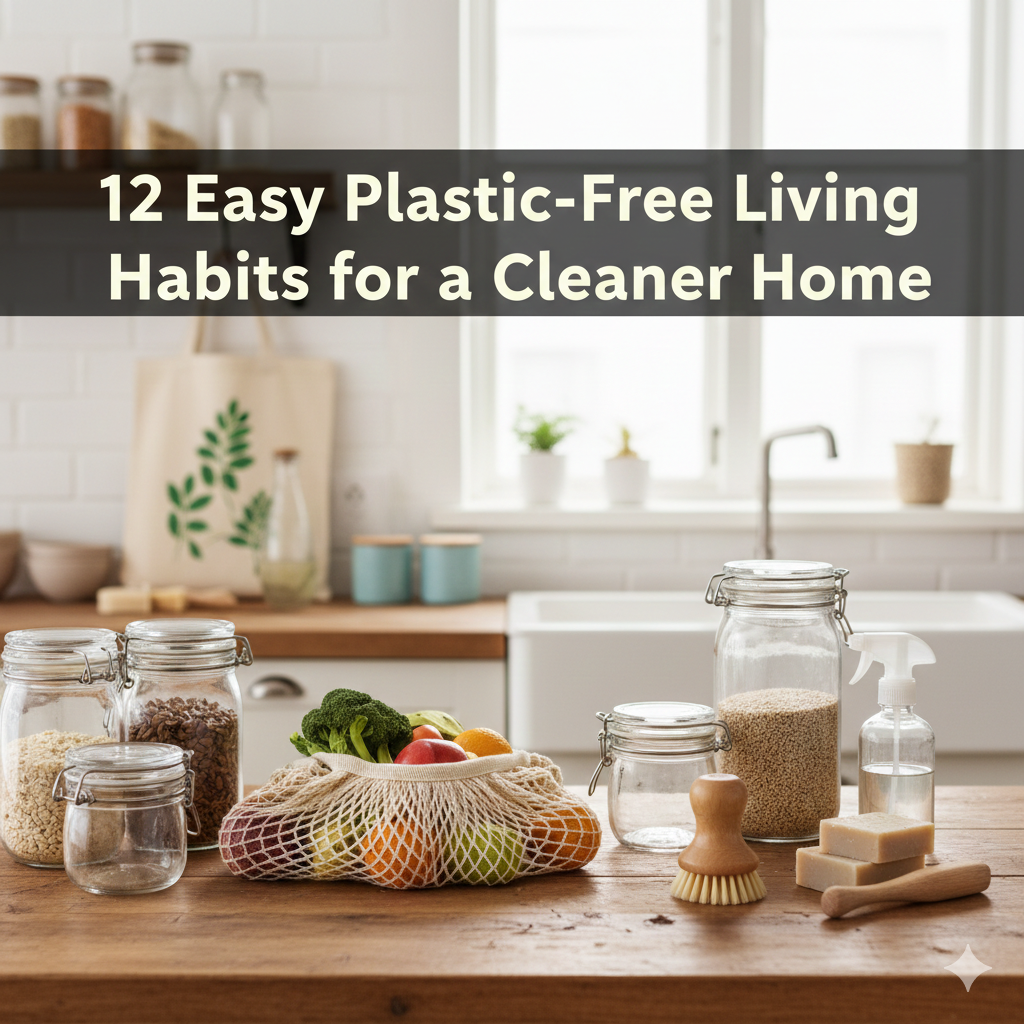
Start with 3 simple food swaps:
- Buy produce loose (skip plastic-wrapped cucumbers and apples).
- Choose glass jars over plastic when possible.
- Bring your own produce bags.
You don’t need to eliminate everything immediately. If 70% of your waste is food packaging, that’s your starting line.
4. Build a “Reusable Kit” for Outside the House
The world outside your home is where plastic sneaks back in.
I resisted carrying reusables because I thought it was inconvenient. It’s not — once it becomes habit.
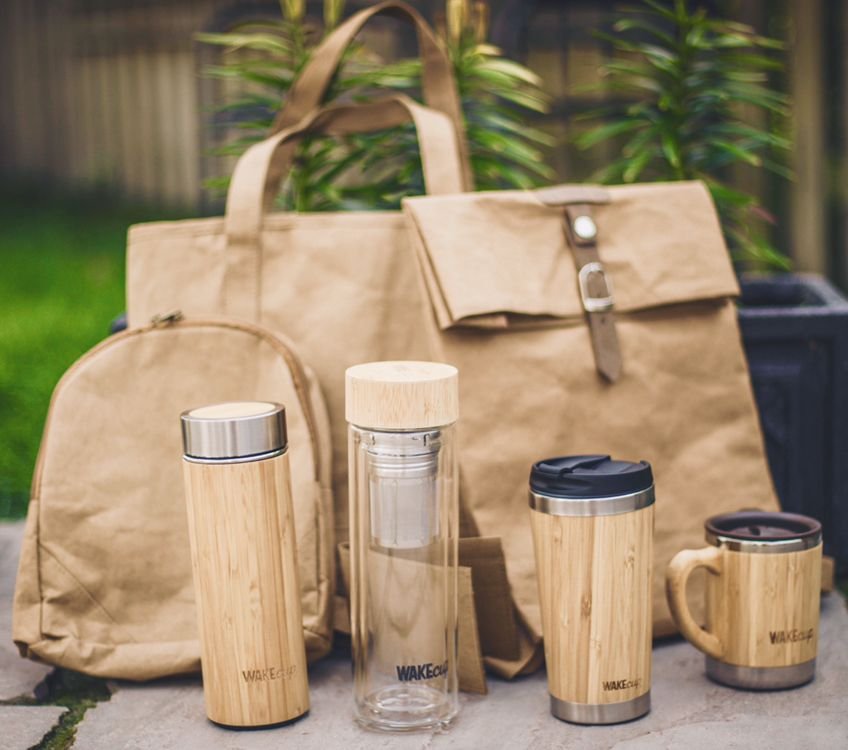
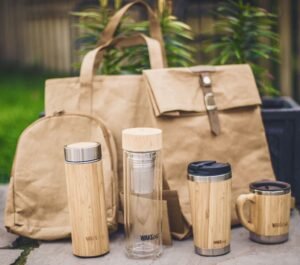
Beginner Reusable Kit
| Item | Why It Matters | Keep It Where? |
|---|---|---|
| Reusable water bottle | Avoids single-use bottles | Backpack / car |
| Cloth tote | Grocery & surprise purchases | Car trunk |
| Reusable coffee cup | Cuts down takeaway cups | Work bag |
| Metal cutlery set | Avoids plastic forks | Desk drawer |
| Small container | Leftovers or deli items | Bag |
Start with just two items. Add gradually.
The key insight: convenience drives behavior. If your reusables are not easily accessible, you won’t use them.
5. Avoid “Eco-Consumerism” Traps
This one stung when I realized it.
Buying bamboo toothbrushes, zero-waste kits, and aesthetic pantry jars felt productive. But sometimes I was just replacing one form of consumption with another.
Ask yourself before every purchase:
- Do I already own something that works?
- Is this solving a real waste issue?
- Will I use this consistently?
Consumption Decision Filter
| Question | If YES | If NO |
|---|---|---|
| Do I need this? | Consider buying | Don’t buy |
| Will I use it weekly? | Practical swap | Probably impulse |
| Does it replace single-use? | High value | Low impact |
| Is it durable? | Good investment | Avoid |
Plastic-free living is about reducing demand, not shifting trends.
6. Learn to Read Labels (It’s Eye-Opening)
Plastic hides in unexpected places.
Common plastics found in daily life:
| Plastic Code | Name | Common Uses |
|---|---|---|
| #1 | PET | Water bottles |
| #2 | HDPE | Milk jugs |
| #3 | PVC | Pipes, packaging |
| #4 | LDPE | Plastic bags |
| #5 | PP | Yogurt containers |
| #6 | PS | Styrofoam |
| #7 | Other | Mixed plastics |
Knowing this helps you:
- Choose recyclable options more intelligently.
- Avoid mixed plastics (#7).
- Understand that “recyclable” does not mean “recycled.”
I used to assume recycling solved everything. It doesn’t. Reduction is far more powerful.
7. Simplify Your Personal Care Routine
Bathrooms are plastic-heavy zones.
Instead of swapping 12 products at once, simplify.
Example:
Before:
- Shampoo
- Conditioner
- Hair mask
- Styling cream
- Leave-in spray
- Serum
After:
- Shampoo bar
- Conditioner bar (optional)
- One multipurpose oil
Bathroom Plastic Reduction Plan
| Category | Beginner Swap | Difficulty Level |
|---|---|---|
| Soap | Bar soap | Easy |
| Shampoo | Shampoo bar | Easy |
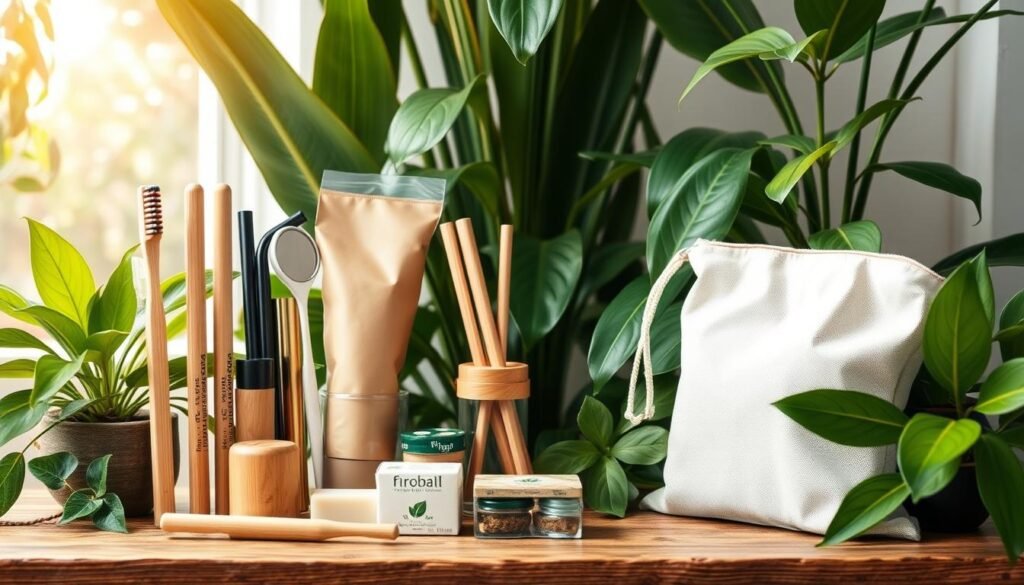
| Toothbrush | Bamboo | Easy |
| Razor | Safety razor | Medium |
| Deodorant | Refillable / glass | Medium |
| Lotion | Bar lotion | Medium |
Simplifying reduces plastic and mental clutter.
8. Rethink Cleaning Products
Cleaning aisles are dominated by plastic spray bottles.
But you only need a few ingredients:
- Vinegar
- Baking soda
- Castile soap
- Water
DIY Cleaning Formula Chart
| Purpose | Ingredients | Ratio |
|---|---|---|
| All-purpose spray | Vinegar + water | 1:1 |
| Bathroom scrub | Baking soda + water | Paste |
| Floor cleaner | Castile soap + water | 1 tbsp per 1L |
| Glass cleaner | Vinegar + water | 1:1 |
Buy ingredients in bulk if possible. Reuse one sturdy bottle for years.
This is cheaper and drastically reduces waste.
9. Accept Imperfection (Progress Beats Purity)
This might be the most important tip.
You will forget your tote bag.
You will accept plastic takeout.
You will buy something wrapped in plastic.
And that’s okay.
Perfection leads to burnout. Burnout leads to quitting.
Think of plastic-free living as a long-term percentage game.
Impact Mindset Model
0% perfect, 100% consistent  → High Impact
100% perfect, 1% consistent → Low Impact
Consistency wins.
10. Think in Systems, Not Single Swaps
The deeper shift isn’t about straws.
It’s about asking:
- Can I buy in bulk?
- Can I repair instead of replace?
- Can I borrow instead of buy?
- Can I choose quality over disposable?
Systems Thinking Table
| Situation | Typical Response | System-Based Response |
|---|---|---|
| Need storage | Buy plastic bins | Repurpose boxes |
| Lunch at work | Buy daily | Meal prep |
| Broken item | Replace | Repair |
| Party supplies | Disposable plates | Real plates + washing |
This mindset change reduces plastic without constant micro-decisions.
Monthly Plastic Reduction Tracker
To make this practical, here’s a simple monthly tracking model.
| Month | Trash Bags Used | Plastic Bottles | Takeout Containers | Notes |
|---|---|---|---|---|
| Jan | 8 | 6 | 5 | Starting |
| Feb | 7 | 4 | 3 | Brought bottle |
| Mar | 6 | 2 | 2 | Meal prepping |
What I Wish I Knew About Motivation
Plastic-free living isn’t driven by guilt. It’s driven by awareness.
You may have watched documentaries like A Plastic Ocean or The Story of Plastic. They can be powerful wake-up calls. But daily habits matter more than emotional spikes.
Motivation fades.
Systems remain.
Instead of relying on inspiration, rely on structure:
- Keep reusables visible.
- Shop with a list.
- Avoid browsing online stores.
- Cook more at home.
Realistic Beginner Roadmap (First 6 Months)
Month 1:
- Do trash audit.
- Bring reusable bags.
- Switch to bar soap.
Month 2:
- Carry water bottle.
- Replace plastic wrap.
- Buy more loose produce.
Month 3:
- Try shampoo bar.
- Reduce snack packaging.
Month 4:
- Start DIY cleaners.
- Meal prep to avoid takeout.
Month 5:
- Switch toothbrush.
- Evaluate bathroom waste.
Month 6:
- Refine habits.
- Stop impulse eco-buying.
Cost Comparison: Plastic vs Reusable Over Time
| Item | Disposable Yearly Cost | Reusable Cost | 2-Year Savings |
|---|---|---|---|
| Water bottles | $240 | $30 | $210 |
| Paper towels | $180 | $40 cloths | $140 |
| Plastic wrap | $60 | $25 wraps | $35 |
| Coffee cups | $300 | $20 cup | $280 |
Plastic-free living often saves money long term.
The Emotional Side of Letting Go
There’s something uncomfortable about saying no to convenience.
Plastic represents speed:
- Fast food.
- Fast shipping.
- Fast cleanup.
Choosing reusables means planning ahead. It means pausing.
But over time, I noticed something unexpected: life slowed down in a good way. Fewer impulse purchases. Fewer cluttered cabinets. Fewer overflowing trash days.
It became less about plastic — and more about intentional living.
Frequently Asked Questions (FAQs)
1. Is it possible to live completely plastic-free?
For most people, no — not entirely. Plastic exists in electronics, medical supplies, and infrastructure. The goal is reduction, not elimination. Even a 30–50% reduction significantly lowers your impact.
2. Isn’t recycling enough?
Recycling helps, but it’s limited. Not all plastics are recyclable, and not all recyclables are actually recycled. Reduction and reuse are more effective long-term strategies.
3. Is plastic-free living expensive?
It can be if you replace everything at once. However, replacing items only when needed and using DIY alternatives often saves money over time.
4. What if my family isn’t on board?
Start with changes that don’t affect them — like your own water bottle or toiletries. Lead by example rather than forcing changes.
5. How do I reduce plastic when buying groceries?
Focus on:
- Loose produce
- Bulk bins
- Glass containers
- Cooking from scratch
Small consistent shifts make a big difference.
6. What’s the most impactful first step?
A trash audit. It shows exactly where your biggest plastic sources are, so your effort goes where it matters most.