10 Easy Plastic-Free Living Tips for Families at Home
Plastic is everywhere. It’s in your kitchen, your bathroom and your kids’ lunchboxes — even the laundry room. Many families don’t even realize how much single-use plastic they use in just one week until they stop and count it out.
Here’s a statistic that might surprise you: The average American family tosses roughly 150 plastic bags yearly — and that’s only bags. Toss in bottles, wrappers, straws and packaging, and the inundation grows mind-bogglingly quick.
But there’s good news: You don’t need to revamp your life all at once. Small, steady changes make a big difference — for your home, your wallet, and the planet that is to be the inheritance of your kids.
This guide provides 10 easy, actionable plastic-free living tips designed for busy families. No guilt. No perfection. Just real steps that work.
Families Are the Ideal Starting Place for Plastic-Free Living
Families are powerful. When a family of four switches to better habits, the impact is enormous. Children take those lessons to school, to their friends’ homes and eventually into their own homes.
Plastic-free living also saves money. Reusable products cost more at the onset, but then they quickly pay for themselves. A single reusable water bottle may replace hundreds of plastic bottles annually.
And this isn’t just about the environment. Common plastics can contain chemicals like BPA that can impact health. Cutting plastic at home is a health choice, too.
The Big Picture: How Much Plastic Does a Family Use at Home?
Before we get to the tips, it helps to know the lay of the land.
| Plastic Item | Average Annual Usage Per Family | Plastic-Free Alternative |
|---|---|---|
| Plastic water bottles | 156 bottles | Reusable stainless steel bottle |
| Plastic bags | 150+ bags | Reusable cloth or mesh bags |
| Plastic wrap | 2–3 full rolls | Beeswax wraps or silicone lids |
| Plastic straws | 300+ straws | Metal or bamboo straws |
| Shampoo bottles | 12–20 bottles | Shampoo bar |
| Ziplock bags | 500+ bags | Reusable silicone bags |
| Single-use coffee pods | 200+ pods | French press or reusable pod |
| Toothbrushes (family of 4) | 8 brushes | Bamboo toothbrushes |
That’s hundreds of pieces of plastic a year — from just eight everyday categories.
Now let’s cut them, one tip at a time.
Tip 1: Begin in the Kitchen — It’s the Biggest Plastic Hotspot
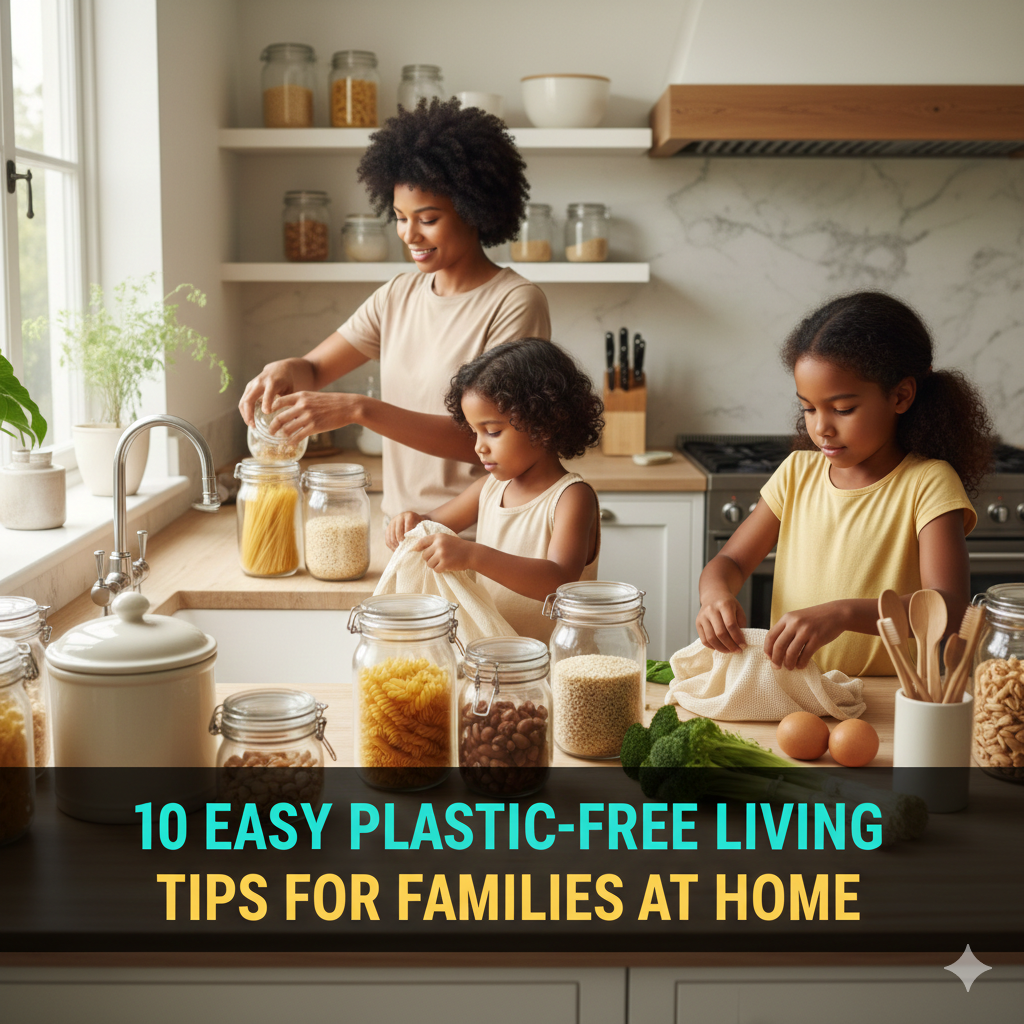
The kitchen is the cradle of most household plastic waste. The packaging, the bags, the wrap, the bottles — it all goes here.
Replace Plastic Wrap with Beeswax Wraps
Beeswax wraps may be one of your simplest swaps. They stick to bowls and food just like plastic wrap, but are washable and can be reused for up to a year.
Kids actually love them. They are bright and patterned, so wrapping leftovers feels a little less like a chore.
Ditch the Plastic Containers
Use glass or stainless steel food storage containers instead of plastic. Glass containers are microwave-safe and free of smells and stains. There are budget-friendly offerings from brands such as Pyrex and OXO.
You don’t have to do it all at once. Begin by retiring containers that are scratched or discolored — those are the most likely to leak chemicals into food.
Tip 2: Change the Way You Shop for Groceries
The grocery store is where most plastic enters the home. Once you bring home those bags and packages, the plastic is already in your house.
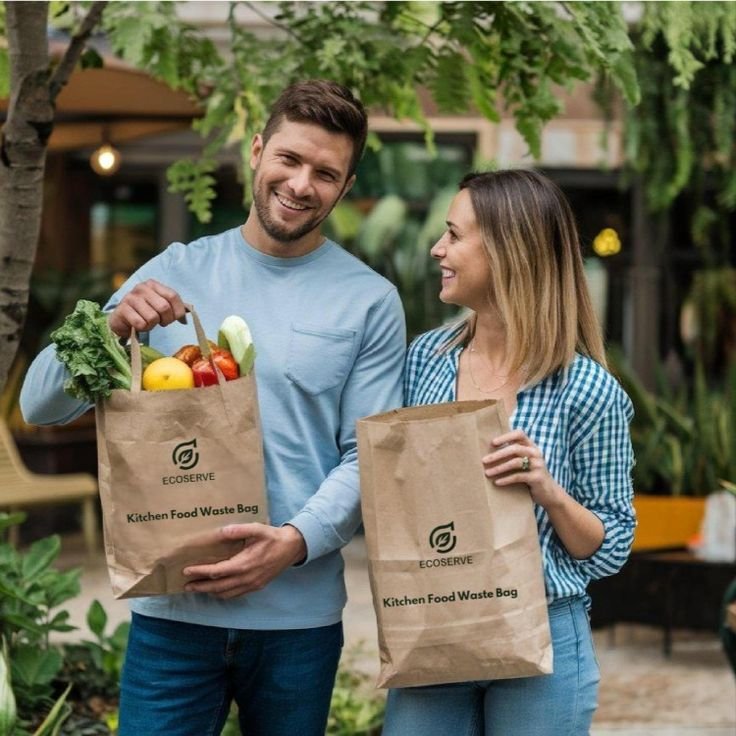
Always Carry Reusable Bags
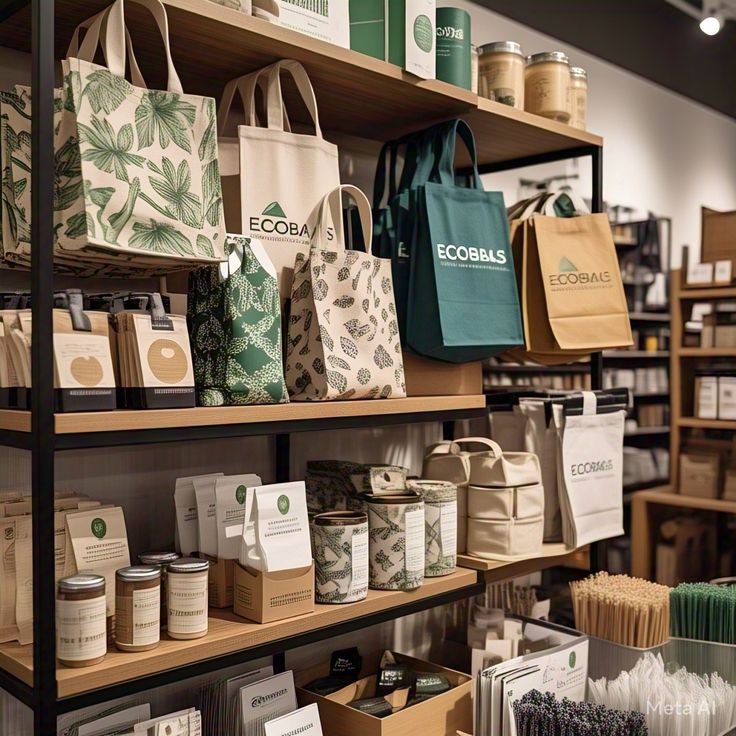
Keep reusable bags in your car, at your front door and in your backpack. Out of sight, out of mind — so make them visible.
Bring Your Own Produce Bags Too
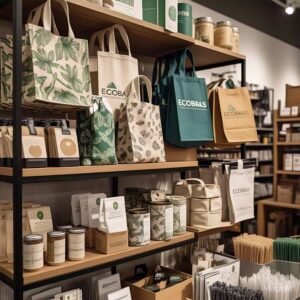
Produce bags are one of the first things most people forget. Those thin plastic bags in the fruit and veggie section can add up quickly. Washable, lightweight mesh produce bags weigh next to nothing.
Shop Bulk When You Can
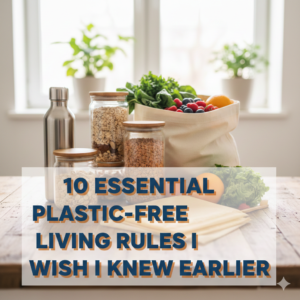
Bulk food sections at grocery stores — like Whole Foods or a local co-op — allow you to fill your own containers with grains, nuts, pasta and spices. You pay by weight and skip the packaging altogether.
Quick Tip: Call ahead to confirm that your store permits customers to use their own containers. Many do — they just don’t say so.
Tip 3: Make the Bathroom a Plastic-Free Zone
The bathroom is the second biggest source of household plastic after the kitchen. Shampoo bottles, conditioner, body wash, lotion — it piles on quickly for a family of four.
Switch to Shampoo and Conditioner Bars
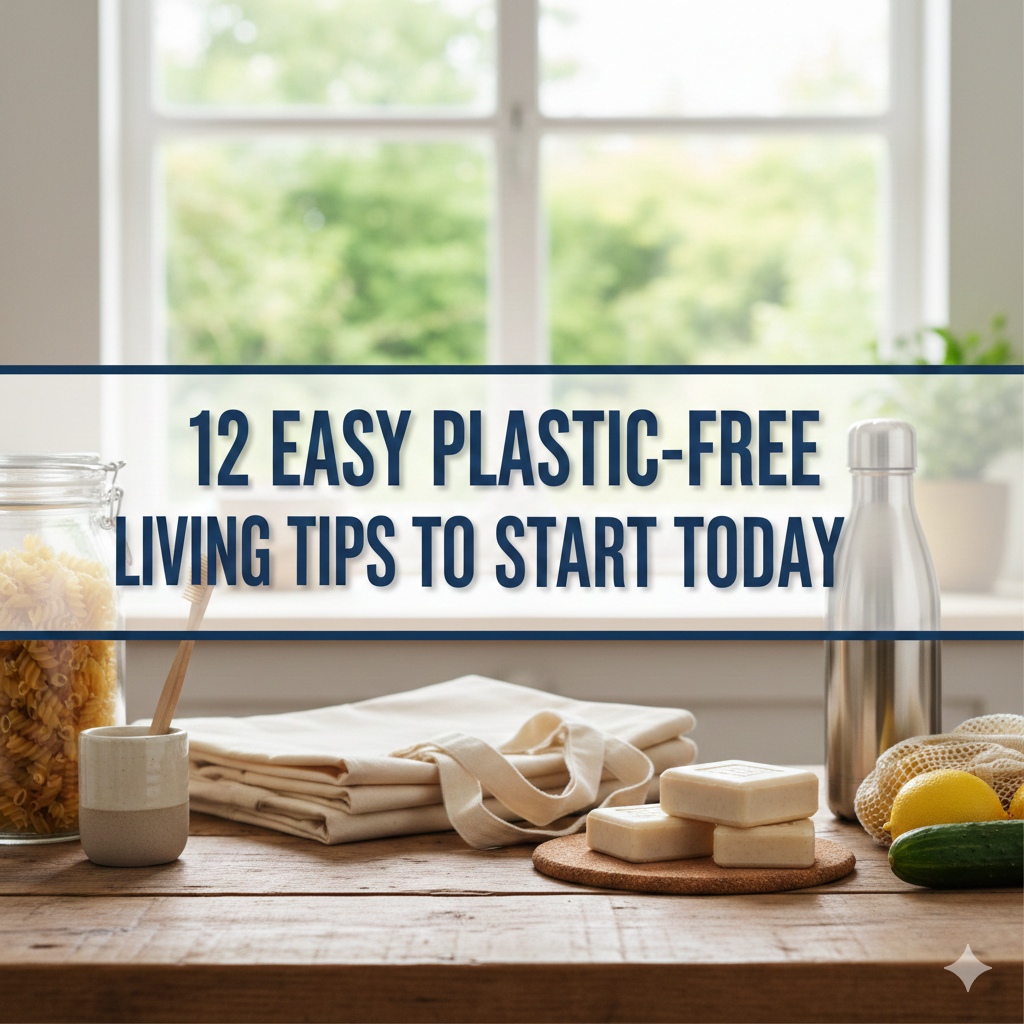
Shampoo bars resemble soap but behave exactly like shampoo from a bottle. One bar lasts as long as 2–3 regular bottles, on average. Brands like Ethique and HiBAR offer options for different hair types, including kids’ hair.
Choose Bar Soap Over Liquid Pump Bottles
Bar soap has minimal packaging — often just cardboard. It lasts longer than liquid soap and is cheaper per use.
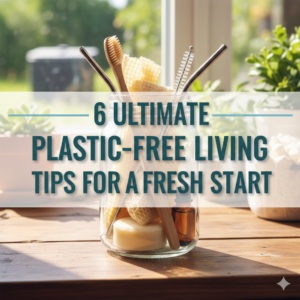
Try Bamboo Toothbrushes
A family of four will go through 32 toothbrushes a year if they replace them every three months, as dentists recommend. Bamboo toothbrushes have compostable natural handles. The bristles are still nylon, but that’s a small tradeoff for a largely plastic-free option.
Tip 4: Pack Plastic-Free School Lunches
Children’s lunches are filled with single-use plastic — sandwich bags, chip bags, juice pouches, plastic cutlery. It all adds up every school day.
Use a Stainless Steel or Bento Lunchbox
Divided stainless steel lunchboxes are a game-changer. They eliminate the need for bags and individual containers. Popular choices among parents include PlanetBox and LunchBots.
Skip the Juice Boxes, Use a Reusable Water Bottle
Juice boxes and pouches are notoriously hard to recycle. Instead, fill a reusable bottle with water or diluted juice. Stainless steel bottles keep drinks cold for hours.
Pack Snacks in Reusable Bags
Silicone bags (such as Stasher bags) are great for snacks. They are airtight, dishwasher-safe and come in a variety of sizes that can accommodate everything from carrot sticks to trail mix.
| Typical Plastic Lunch Item | Plastic-Free Swap | Estimated Annual Savings |
|---|---|---|
| Ziplock sandwich bags | Reusable silicone bag | 180 bags |
| Juice boxes | Reusable bottle | 180 pouches |
| Plastic cutlery | Bamboo or steel utensil set | 60+ pieces |
| Chip bags | Reusable snack bag + bulk chips | 100+ bags |
Tip 5: Make Cleaning Products Work Without the Plastic Bottles
Most cleaning products are packaged in single-use plastic spray bottles. When the bottle is used up, it goes to recycling — assuming it gets recycled at all.
Try Cleaning Concentrate Tablets
Brands like Blueland and Grove Co. sell tablet refills. You simply fill your own glass or stainless steel spray bottle with water, drop in a tablet and that’s it. No plastic bottle, no waste — and the tablets work out cheaper per use than continually buying new bottles.
Make DIY All-Purpose Cleaner
For most kitchen and bathroom surfaces, a simple mix of white vinegar, water and a few drops of essential oil will do the job. It’s inexpensive, non-toxic and completely plastic-free when made in a glass spray bottle.
Tip 6: Rethink Laundry Day
Laundry detergent comes in giant plastic jugs — two or three to a family each month. And the microplastics shed from synthetic fabrics during washing are a whole separate issue.
Switch to Laundry Powder or Strips
Laundry detergent powder comes in cardboard boxes. Laundry strips — thin, pre-measured sheets that dissolve in the wash — are shipped in minimal cardboard packaging and work just as well as liquid detergent.
Use a Guppyfriend Washing Bag
Synthetic fabrics release tiny plastic fibers, known as microplastics, every time you wash them. A Guppyfriend bag captures those fibers so they don’t flow into waterways. It’s a modest habit with a heavyweight environmental impact.
Tip 7: Get the Kids Involved — Make It a Family Game
Living plastic-free works much better when everyone in the house gets on board. Children who understand the reasons for making changes are more likely to stick with them — and even hold the rest of the household accountable.
Create a “Plastic-Free Challenge” Week
Spend a week noticing every bit of plastic that enters your home. Write it up on a whiteboard or a notepad. At the end of the week, discuss which swaps proved easy and which were difficult.
Let Kids Choose Their Own Reusable Products
Allow your children to pick out their own reusable water bottle, lunchbox or bamboo toothbrush. When they help choose it, they’re more likely to use it. Ownership creates buy-in.
Read Books and Watch Videos About Plastic Pollution
There are great age-appropriate documentaries and books on ocean plastic and sustainability. Plastic Sucks! by Dougie Poynter is a good place for younger readers to start.
Tip 8: Shop Secondhand Before You Buy New (Especially for Kids’ Stuff)
Kids grow fast. Clothes, toys and gear are used briefly and then replaced. Most of these items are packed in plastic.
Buy Secondhand Clothing and Toys
Thrift stores, Facebook Marketplace or apps such as ThredUp and Kidizen are filled with gently used kids’ items for a fraction of the price. No new plastic packaging required.
Host a Toy Swap with Neighbors
Host a neighborhood toy swap once or twice a year. Children trade toys they’ve outgrown, parents skip a trip to the store, and nothing winds up in a landfill. It’s a win all around.
Tip 9: Rethink How You Handle Food on the Go
Takeout and fast food come with an enormous amount of single-use plastic — containers, straws, cutlery, sauce packets. It’s hard to prevent entirely, but a few habits go a long way.
Carry a “Go Kit” in Your Bag
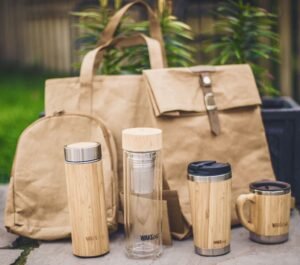
A small pouch containing a metal straw, bamboo fork and spoon and a cloth napkin barely takes up any room. Use it when you’re dining out or picking up takeout. Most restaurants are happy to skip the plastic cutlery when you have your own.
Bring a Reusable Coffee Cup
Coffee shops produce millions of single-use cups every day. They are nearly always lined with plastic and can’t be recycled. Bring your own travel mug — many coffee shops will even give you a small discount for doing so.
Choose Restaurants That Use Compostable Packaging
A number of local restaurants are making the switch to compostable packaging. Support those businesses when you have a choice. Spending money with them signals that sustainable practices matter to you.
Tip 10: Audit Your Home Once a Season
Plastic-free living is not a one-time project. It’s a habit that needs regular check-ins.
Do a Quarterly Plastic Audit
Every three months, walk through your home — kitchen, bathroom, pantry, garage — and look for single-use plastics you haven’t tackled yet. There’s always something new to spot.
Keep a simple list on your fridge:
- What plastic did we notice this season?
- What swap can we make?
- What is one thing we will try before next quarter?
Celebrate Progress, Not Perfection
Some plastic is unavoidable. Medications, certain foods and safety equipment often come in plastic with no suitable alternative. Don’t let perfect be the enemy of good. Every swap counts.
A Month-by-Month Roadmap for Families Just Getting Started
Trying to do everything at once is a recipe for burnout. This simple schedule spreads changes over six months so the transition feels manageable.
| Month | Focus Area | Key Swaps |
|---|---|---|
| Month 1 | Kitchen basics | Reusable bags, beeswax wraps, glass containers |
| Month 2 | School lunches | Bento lunchbox, reusable snack bags, water bottle |
| Month 3 | Bathroom | Shampoo bars, bar soap, bamboo toothbrushes |
| Month 4 | Cleaning supplies | Concentrate tablets, DIY cleaners |
| Month 5 | Laundry | Detergent powder or strips, Guppyfriend bag |
| Month 6 | On-the-go habits | Go kit, reusable coffee cup, quarterly audit |
Common Myths About Plastic-Free Living — Busted
A lot of families hold back because of things they’ve heard that simply aren’t true.
Myth: Living without plastic is too costly. Reality: Upfront costs can be higher, but reusable products save money over time. A $15 set of beeswax wraps replaces years of purchasing plastic wrap.
Myth: Eco-friendly products just aren’t as good. Reality: Many modern swaps — shampoo bars, cleaning tablets and silicone bags — work just as well, if not better, than their plastic counterparts.
Myth: A single family can’t make a difference. Reality: Every purchase is a vote. When families collectively shift their buying habits, companies respond by changing what they sell and how it’s packaged. According to National Geographic’s research on plastic pollution, consumer demand is one of the most powerful drivers of packaging change.
FAQs About Plastic-Free Living for Families
Q: What’s your advice for a family with no experience of plastic-free living? Start in the kitchen with three simple swaps: reusable grocery bags, glass food containers and beeswax wraps. Get comfortable with those before moving to other parts of the home.
Q: Can you really afford to live plastic-free on a tight budget? Yes. Some swaps save money from day one — switching to bar soap or making your own cleaners, for example. For larger purchases like lunchboxes, look for secondhand options or buy one item per paycheck.
Q: How can I get my kids excited about cutting back on plastic? Make it hands-on. Let kids choose their own reusable products, do a weekly plastic count together, or watch a short documentary about ocean pollution. Children who know the “why” tend to stay motivated.
Q: What about plastic that’s hard to avoid, like medicine packaging? Don’t stress over it. Focus on the plastic under your control and let go of what you can’t. Plastic-free living is about progress, not perfection.
Q: Are bamboo toothbrushes actually better than plastic ones? Yes, for the handle. Bamboo is biodegradable while plastic handles sit in landfills for hundreds of years. The bristles are still mostly nylon, but the overall environmental impact is much lower.
Q: How do I find bulk food stores near me? Search “bulk food store near me” or visit Litterless.com, which includes a bulk store finder by city. Many natural food stores and co-ops also carry bulk sections.
Q: Can I recycle the plastic I already have at home? Look up the recycling regulations in your area — they differ from city to city and county to county. Websites like Earth911.com let you search for what’s recyclable where you live. For items that can’t go in your curbside bin, TerraCycle offers mail-in options for hard-to-recycle plastics.
Tying It All Together: Your Family’s Plastic-Free Journey Begins Now
Plastic-free living as a family is not about being perfect. It’s about being intentional. It’s about grabbing a reusable bag when you remember, packing a lunchbox instead of a bunch of plastic bags, and teaching your kids that their choices matter — from water bottles to the wider world around them.
The 10 tips in this guide aren’t theoretical. They are realistic, proven changes that real families make every single day. Some will fit your life right away. Others will take time. That’s okay.
Start with one. Just one. This week.
It could be bringing reusable bags to the grocery store. Perhaps it’s trying a shampoo bar. Maybe it’s doing a quick audit of your kitchen. No matter what you choose, stick with it until it becomes the new normal — and then add another.
Those small changes, over time, stack up into a way of life. A life where your kids grow up knowing that caring for the planet is simply what your family does. And that’s something worth building.
Ready to take the first step? Choose one tip from this guide and try it out this week. Share your progress with your family and make it a team effort — because the best changes are the ones you make together.